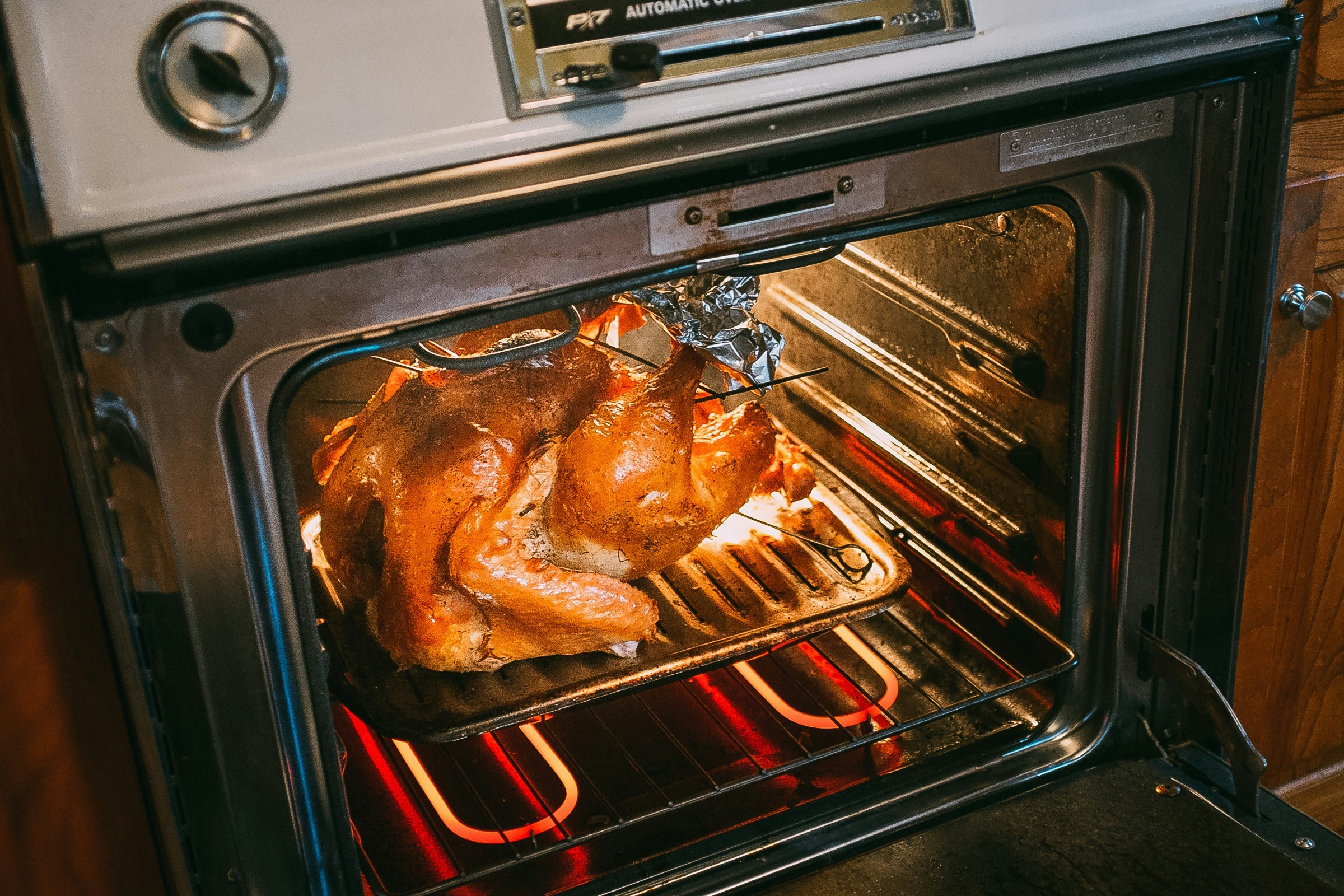

Your Oven Is Probably Lying to You
Research from America’s Test Kitchen found that roughly nine out of ten home ovens run somewhere between 25°F and 50°F off their set temperature. That’s not a minor quirk. That’s the difference between golden-brown and burnt, or between fully cooked and underdone.
Consumer testing and appliance research consistently show that most home ovens run off their stated temperature by 25 to 50 degrees Fahrenheit, and a meaningful percentage are off by 75 degrees or more. Some home cooks have discovered this the hard way, usually after years of blaming their baking skills.
The gap between displayed and actual oven temperature is one of the more under-discussed realities of home cooking, hiding in plain sight behind a digital display that projects far more precision than the underlying heating system actually delivers.
Why Ovens Are Built to Be Inaccurate
The fickle nature of oven temperature regulation comes down to the appliance’s design. Your oven isn’t built to hit and hold a single temperature. Its main function is to regulate heat and maintain an average temperature throughout cooking, which means its thermostat is not a precision instrument pointed at one exact number.
The thermostat in a home oven is a control device, not a precision measuring instrument. Its job is to cycle the heating element on and off to maintain an approximate average temperature around a target setpoint. In most ovens, this cycling produces a temperature swing of 15 to 25 degrees above and below the target over the course of a bake cycle.
Oven manufacturers allow temperature variations of plus or minus 25 to 50°F and still consider ovens within specification. This means a brand-new oven can be inaccurate right out of the box.
Gas Ovens vs. Electric Ovens: Who Swings More
Gas ovens tend to have wider temperature swings than electric ovens because gas flames ignite and extinguish in a more binary on-off pattern, while electric elements heat and cool more gradually. This doesn’t mean gas ovens are worse overall, just that the cycling is more dramatic.
Research examining home ovens across the United States found that ovens older than eight years showed considerably greater temperature drift variance, averaging around 41°F off. Gas ovens averaged 18°F cooler at 350°F than their setpoint, while electric coil ovens ran around 12°F hotter.
Standard residential ovens typically swing 15 to 25°F above and below their set temperature during normal cycling, meaning an oven set to 350°F might actually range between 325°F and 375°F throughout a session. Budget ovens with simpler thermostats can swing more dramatically, sometimes 30 to 40°F in either direction.
The Hot Spot Problem Nobody Talks About
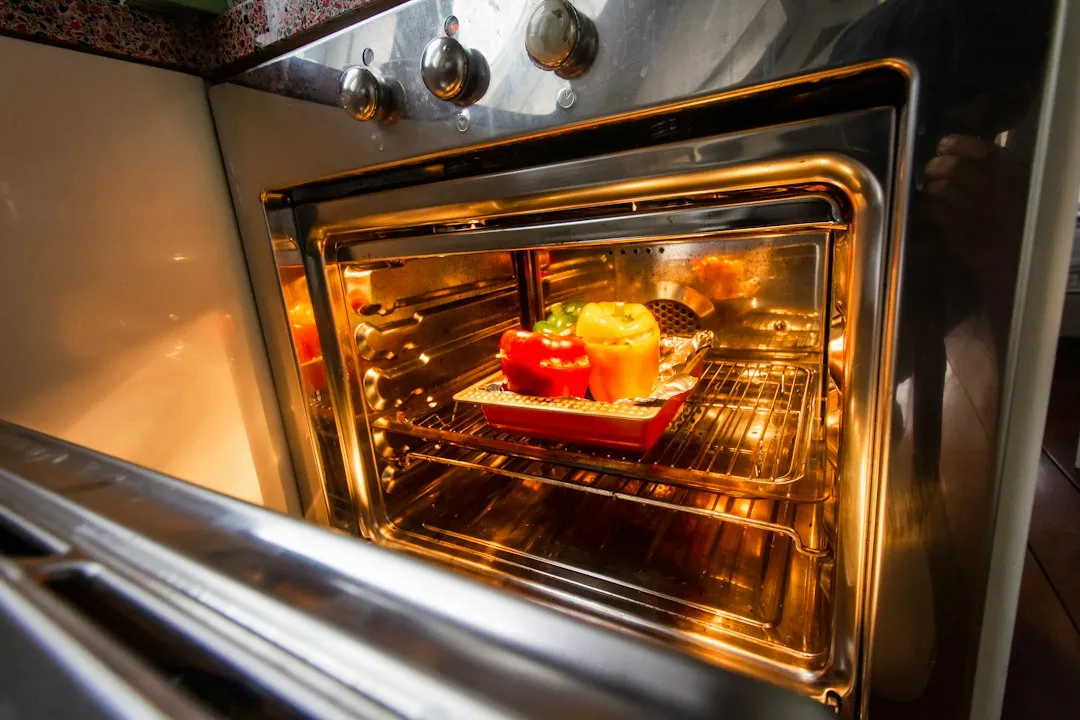
Many home cooks discover their oven runs notably hotter in the back than the front, or that one side consistently browns faster than the other – information that directly explains baking inconsistencies they may have attributed to other causes.
Heat rises inside an oven cavity, creating vertical temperature gradients of up to 70°F between the oven floor and the ceiling. This is why where you place your rack matters as much as what temperature you set.
Thermal mapping of ovens found that the hottest spot is consistently the top-right corner due to the combination of radiant heat and convection vortex, averaging around 42°F hotter than the bottom-left. Rotate your pans and you’re not being obsessive. You’re compensating for physics.
How to Run the Oven Thermometer Test
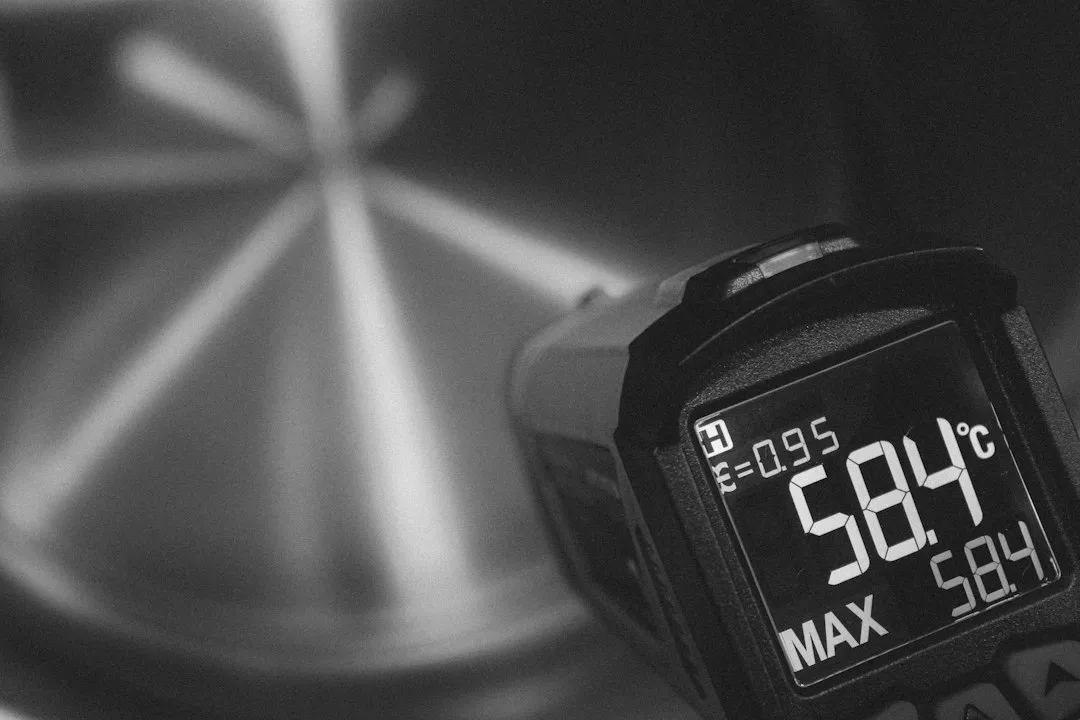
Whether you use a high-end smart probe or a traditional oven thermometer, position it in the center of your oven’s middle rack. Heat the oven to 350 degrees Fahrenheit, and check the temperature after 20 minutes. This test will reveal if your oven is running hot, cold, or accurate.
Let the oven run for about 30 minutes, which covers approximately three on-off heating cycles. Reading after just one cycle gives you a snapshot, not a real average. You want to understand the full swing range, not just a single data point.
Avoid opening the door to check the reading, as doing so releases up to 50 degrees of heat instantly and invalidates your test. Most dial-style thermometers are readable through the oven door glass, which keeps the conditions stable.
Reading Your Results Correctly

Depending on the model of leave-in thermometer you use, you can observe the highs and lows as the oven temperature swings. By looking at the temperature range of the whole cycle, you can calculate what the average is and understand whether your oven is behaving properly.
The temperature coasts down to around 25 degrees below the setpoint before the thermostat triggers the heat back on. The average of those peaks and valleys is the real baking temperature. That average is the number you should actually be working with.
For most applications, an acceptable range is roughly plus or minus 9°F from the target. Anything beyond that, and you’ve got a real calibration problem worth addressing.
Choosing the Right Oven Thermometer
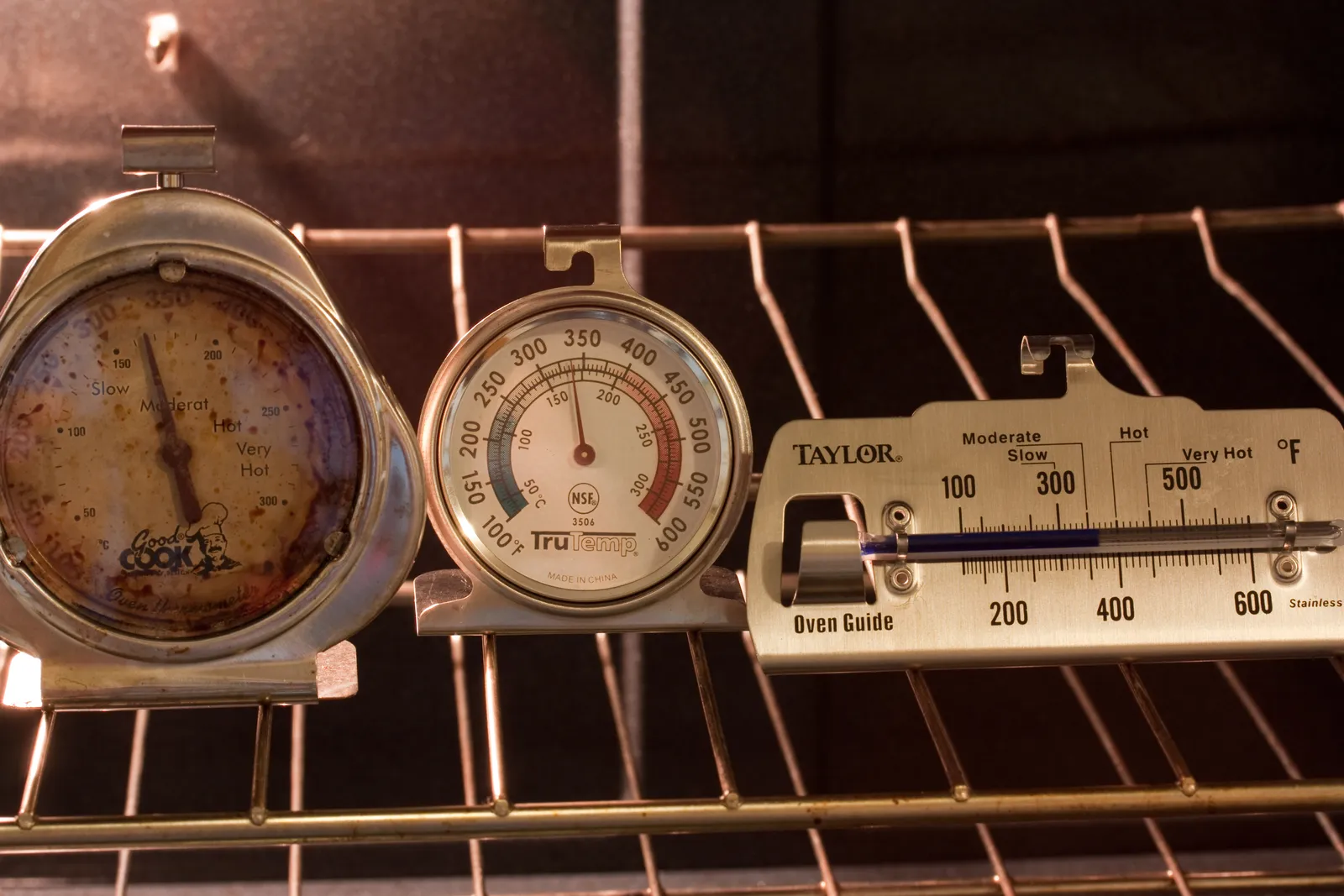
High-quality leave-in probe thermometers offer an accuracy of at least 1.8°F, which is literally ten times better than a typical oven dial thermometer. The price difference between a decent thermometer and a poor one is usually just a few dollars, so it’s not worth skimping here.
The CDN thermometer had among the most accurate readings in comparative testing, though its range tops out at 550°F. Taylor Precision Products publishes accuracy tolerances for their product lines, and the budget tier allows plus or minus 8°F, which is considered too wide for serious baking.
In one round of testing, the Rubbermaid thermometer was very unstable when set on its base and was the most inconsistent temperature reader of the group. The lesson is that thermometer quality varies widely, even within the same price range.
What to Do If Your Oven Runs Hot
If the oven thermometer shows a reading that is above or below 350°F by 15 degrees or more, you’ll need to calibrate your oven. The good news is that most modern ovens make this easier than you’d expect.
On many digital ovens, the temperature can be adjusted up to plus 35°F hotter or minus 35°F cooler through the control panel. If your oven is running hot, turning the adjustment screw clockwise will reduce the temperature. If it’s running cold, turning counterclockwise will increase it.
After making adjustments, allow the oven to preheat completely and then run an additional 20 minutes for the internal cavity walls and racks to absorb and equalize heat distribution before reading the thermometer again. One adjustment cycle is rarely enough to confirm the fix.
The Food Safety Angle You Should Not Ignore
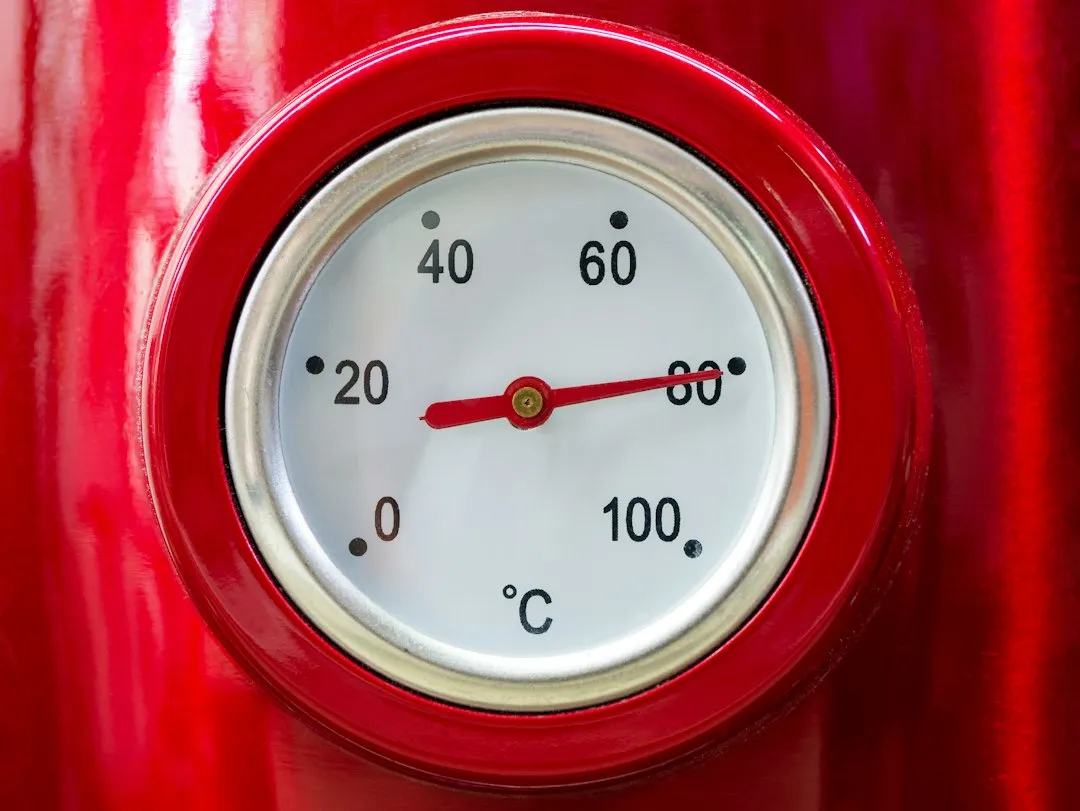
Over the vast majority of home ovens deviate from their set temperature by 25°F or more, and this causes real food safety risks including undercooked poultry, which is a leading cause of Salmonella outbreaks. An inaccurate oven isn’t just a baking inconvenience. It can be a genuine health concern.
Research tied to FDA Bacteriological Analytical Manual data found that more than three quarters of residential ovens deviate by 25°F or more at 350°F, causing underbaked cakes, scorched crusts, and uneven roasting, as well as failure to reach the 165°F internal temperature required to destroy Salmonella.
Using a probe thermometer for meat alongside an oven thermometer for ambient temperature covers both bases. For meats and other temperature-sensitive proteins, using an internal temperature probe rather than relying on oven time and temperature settings sidesteps the entire oven accuracy question.
Convection Ovens Are Not Automatically Exempt
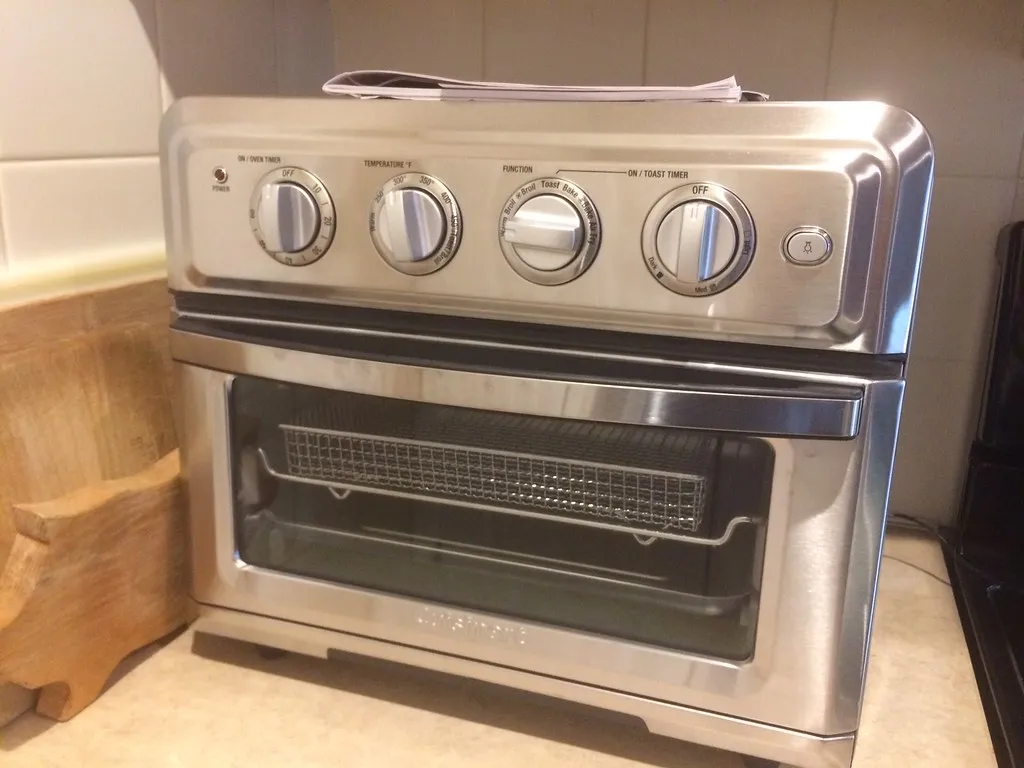
Convection ovens, which use a fan to circulate heated air throughout the oven cavity, partially address the calibration problem. The fan helps distribute heat more evenly, reducing the severity of hot and cold zones. Still, they can still run hot or cold overall.
Testing with an oven thermometer remains valuable even for convection ovens, to understand the actual temperature range you’re working with. The fan improves evenness but doesn’t fix a thermostat that’s calibrated off from the start.
Smart ovens with so-called AI temperature adjustment typically use single-point algorithms that ignore rack position, pan material, and door openings. A connected oven that confidently displays a temperature reading is not necessarily an accurate one.
The Takeaway
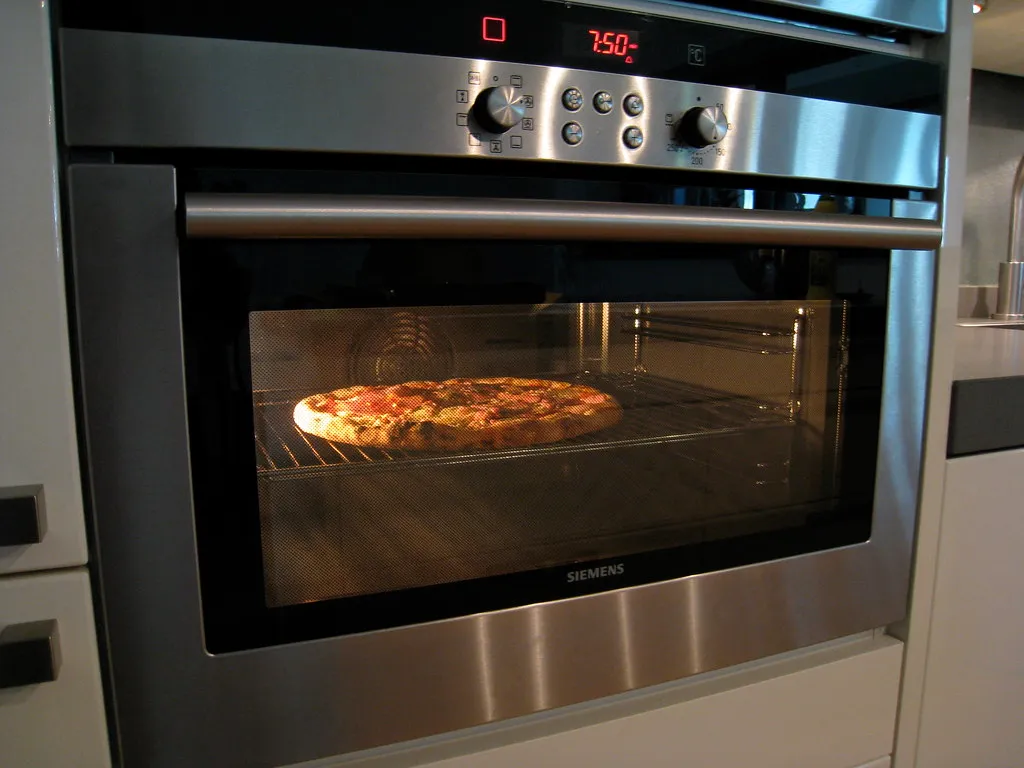
An oven thermometer is one of those tools that feels almost too simple to matter, right up until the moment it shows you that your oven has been off by 40 degrees for years. The test itself takes less than half an hour and costs almost nothing.
Rather than assuming your oven’s temperature display is accurate or inaccurate, directly testing it removes the guesswork and gives you information that immediately improves your cooking results. That’s a rare case where a small, cheap fix produces a large, lasting benefit.
Your recipes haven’t been failing you. Your oven might have been. Now you know how to check.
AI Disclaimer: This article was created with the assistance of AI tools and reviewed by a human editor.