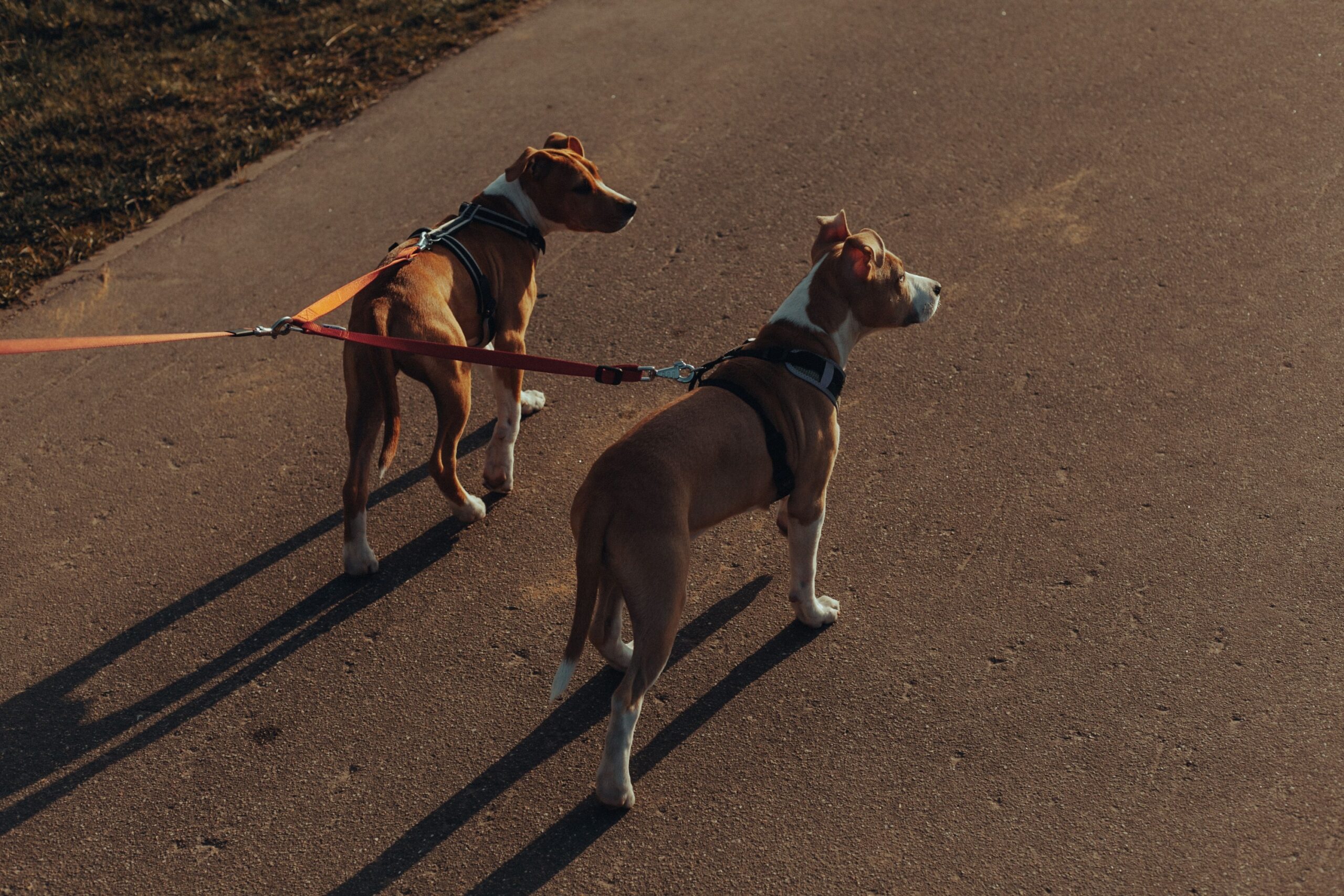

Most dog owners have been there: you step outside for a pleasant evening walk, and within thirty seconds you’re being dragged down the street like a water skier. It’s frustrating, it can be genuinely dangerous, and it almost always feels like the dog’s fault. Trainers, however, tend to see it differently.
Leash pulling is one of the most common problems for dog owners, and one study found it to be the most common cause of humans being injured by dogs. Research also shows that leash-related injuries have increased over time, particularly among women over 65. The harder truth, though, is that most pulling behavior is shaped by the people holding the leash. Here are the six owner habits that trainers say are driving the problem.
1. Letting the Dog Move Forward While the Leash Is Tight
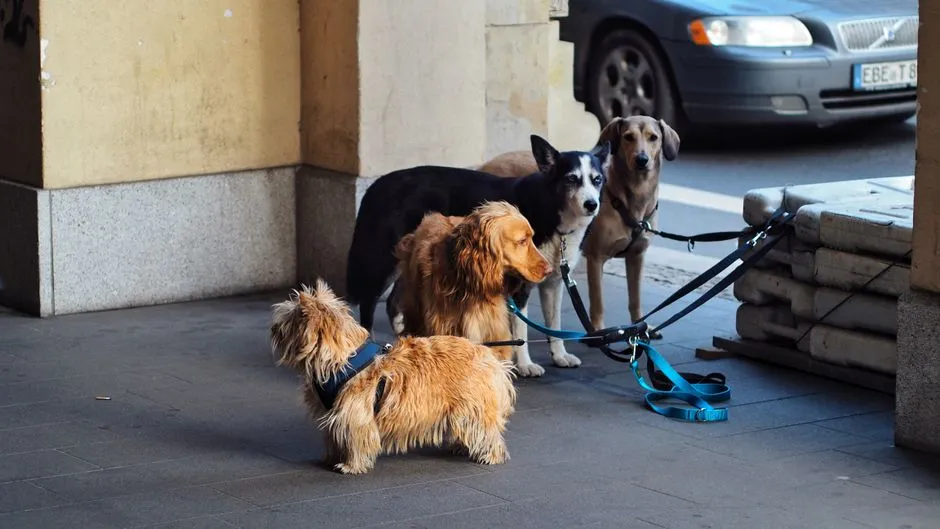
Dogs pull for one simple reason: it works. They want to get somewhere, and pulling gets them there faster. Whether it’s chasing a squirrel, meeting another dog, or exploring smells, the reward lies ahead, and dogs learn quickly that dragging you along pays off.
How owners respond to pulling can either reinforce or diminish the behavior. If an owner allows their dog to advance while pulling, even inadvertently, it teaches the dog that this behavior is acceptable. A survey found that roughly 60% of leash-pulling dog owners admit to accidentally rewarding their dog by letting it pull ahead to sniff or investigate.
Dogs repeat what works. If your dog pulls toward a tree and gets to sniff the tree, pulling worked. If your dog drags you toward another dog and gets closer, pulling worked. If your dog hits the end of the leash and still gets to move forward, pulling worked again. The fix is straightforward in principle, though harder in practice: a loose leash moves forward, a tight leash pauses or resets.
2. Using a Retractable Leash During Training
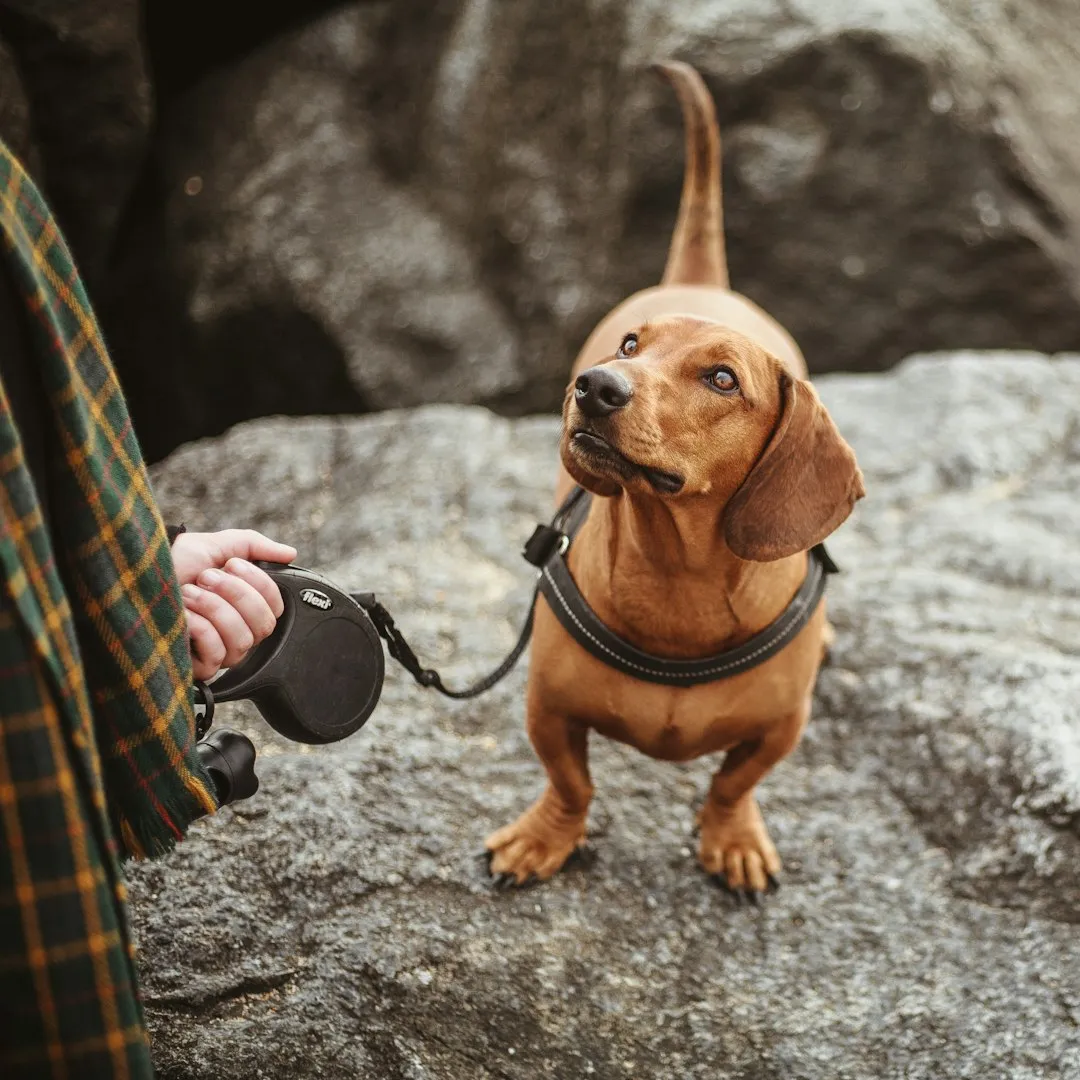
There’s a misconception that retractable leashes prevent pulling by giving dogs more freedom. The opposite is true. When dogs are walked on retractable leashes, the tendency is to release more of the line when the dog starts to pull forward. When the line is released at the first sign of tension, pulling is reinforced and the dog learns that pulling works to get more freedom.
A retractable leash rewards pulling. The more the dog pulls, the more leash and therefore the more freedom the dog receives. Until your dog understands how to walk politely using a standard six-foot leash, hold off on the retractable version.
Retractable leashes keep constant tension on the line, which teaches your dog that pulling is normal. A standard four to six foot leash is the better choice for training. The goal is a leash that can go genuinely slack, because that slack is the signal the dog needs to understand what good walking actually feels like.
3. Starting the Walk While the Dog Is Already Overexcited
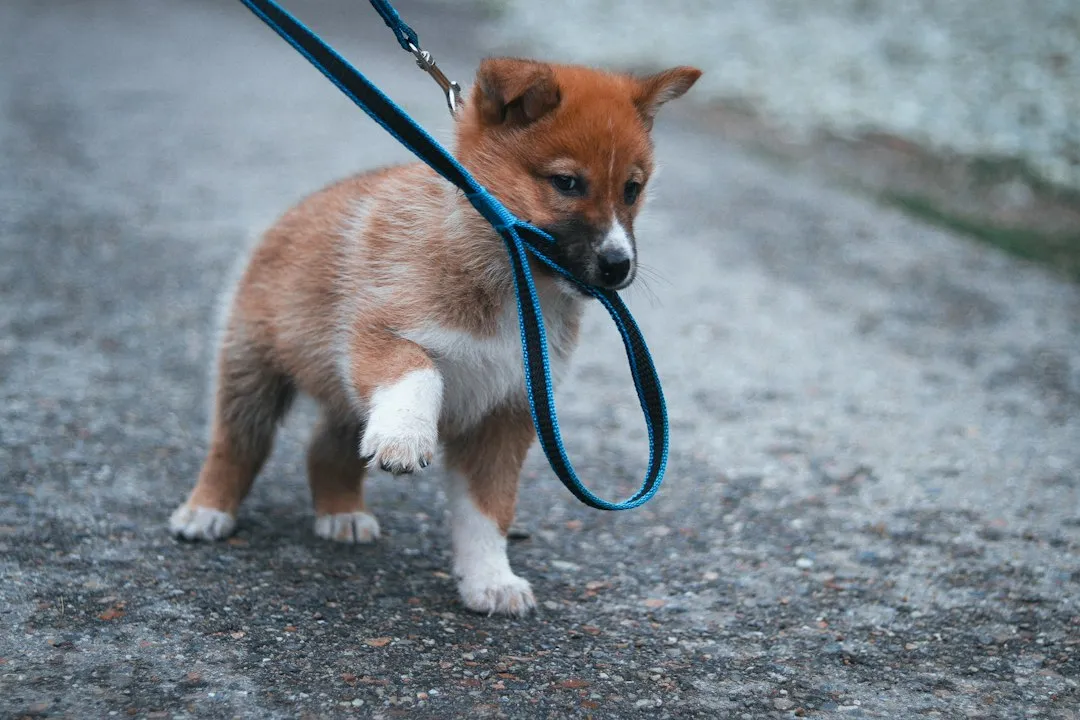
One of the top leash training mistakes is starting the walk while the dog is already overexcited. The most common mistake trainers see is trying to fix leash pulling during the walk itself, when the dog is already excited, distracted, overstimulated, and focused on everything except the owner.
If you’re letting your dog get excited before your walk and then starting your training once you’re out on the street, you might actually be starting your training too late. Asking for a simple behavior your dog already knows, such as standing calmly or sitting, then clipping the leash on when they are reasonably settled, makes a real difference. This doesn’t mean expecting perfect stillness from an energetic puppy. It means avoiding the pattern where excitement is consistently rewarded with forward motion.
4. Being Inconsistent Between Family Members
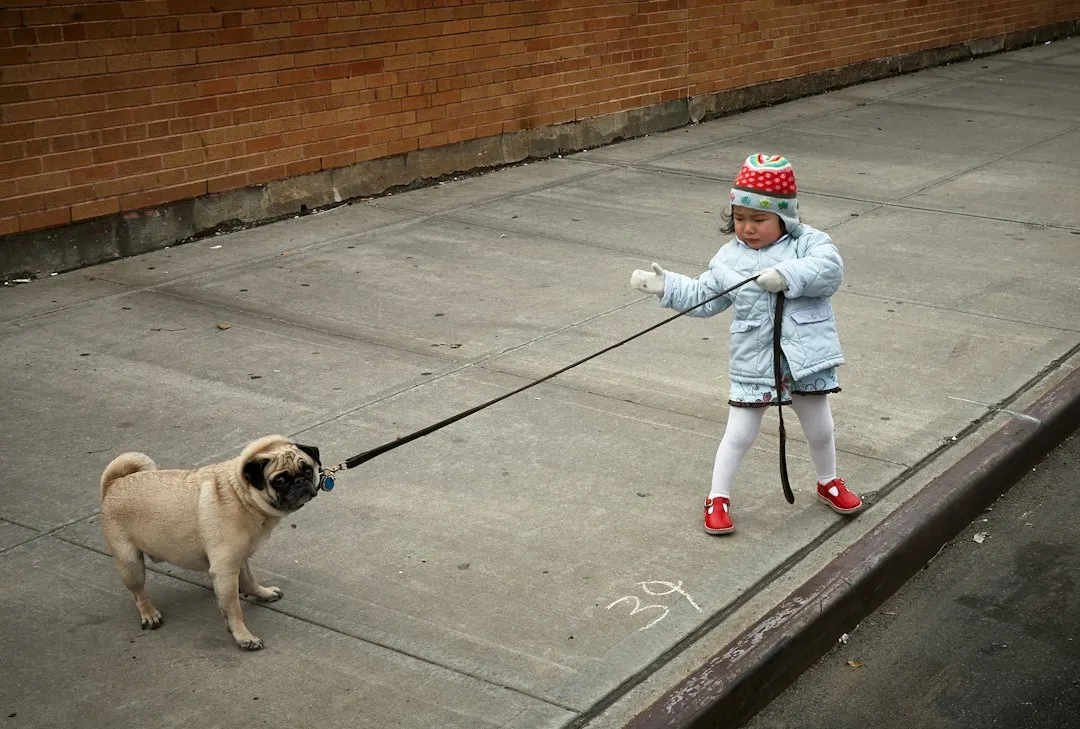
Inconsistency between handlers is a serious problem. If one person in the household allows pulling, the dog learns that pulling works with that person, and tries it with everyone. Dogs are remarkably good at reading individuals and adjusting their behavior accordingly.
One of the biggest reasons leash pulling becomes so strong is because owners unintentionally reward it every day. Many owners unknowingly increase pulling behavior through inconsistent walking habits. This is especially common in households where one person has done the training and another hasn’t been briefed on the rules. The dog simply learns that consistency is optional.
A dog strains toward a bush, the owner gives in just this once, and the previous week’s work is undone. Intermittent rewards are the strongest kind of reinforcement, which is exactly why occasionally caving teaches pulling more effectively than consistently caving would. That occasional “just this once” is, ironically, the most damaging pattern of all.
5. Relying Only on Verbal Commands
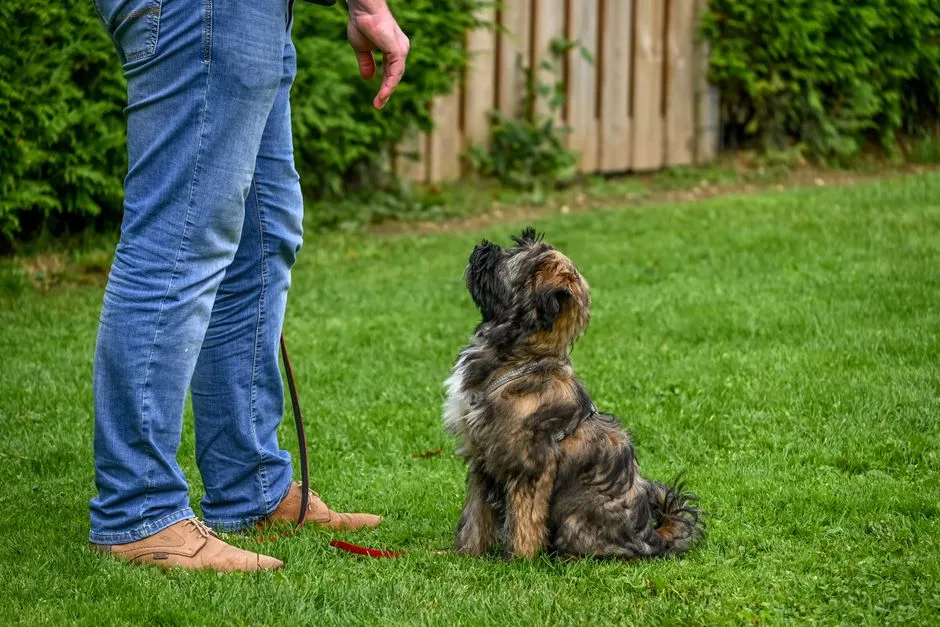
Repeatedly saying “heel” or “stop pulling” won’t do the trick unless the dog actually knows what these words mean. Even if they do, it might not get the results you’re looking for. Dogs thrive when they have clear, consistent guidance rather than just repeated words. If the leash, body language, timing, and follow-through don’t match what you’re saying, the dog will tune it out.
Just using stopping or turning as your primary correction never actually teaches your dog what you want them to do. Often this just leads to a lot of frustration, and it’s very rare to see progress when you are exclusively using this method in training. Words without meaningful consequences, in either direction, are simply background noise to a dog focused on the environment.
6. Keeping Constant Tension on the Leash

Most owners choke up on the leash when their dog isn’t pulling and ensure there is still tension. Both the owner and the dog come to believe that slack in the leash is bad, and tension in the leash is good. This is a fundamental reversal of what loose-leash walking actually requires.
The mistake is that the owner believes that tension in the leash gives them control. In reality, it teaches the dog that a tight leash is the normal state, which removes the contrast the dog needs to understand when they are doing something wrong. Those few moments that your dog isn’t pulling on the leash should be rewarded, not met with more tension.
A 2024 review in the Journal of the American Veterinary Medical Association confirmed that dog-pulling behavior is the leading cause of leash-related injuries. Keeping the leash constantly taut doesn’t prevent that risk; it actively sustains the behavior that creates it. A dog that never experiences a genuinely loose leash never gets the feedback it needs to change.
The Bigger Picture: What Trainers Actually Want You to Know
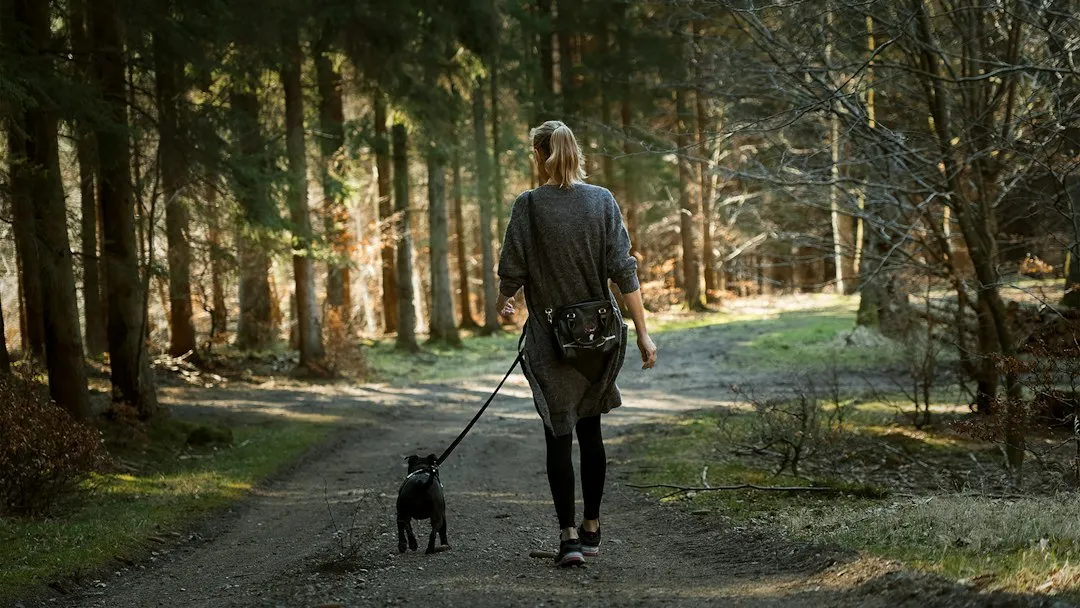
Most leash pulling behaviors are not caused by stubbornness or dominance. Leash pulling is not about your dog trying to be in charge. It’s about a self-reinforcing behavior: the dog pulls, gets closer to what they want, and the habit strengthens. Understanding the actual cause matters because it points you toward the right solution, which is building focus and engagement rather than trying to win a power struggle that isn’t actually happening.
A survey found that 82.7% of dog owners reported their dog pulled on leash. That’s a staggeringly common problem, and yet trainers consistently say the solutions are teachable. The most important thing to remember is that you’re changing a habit, not just correcting a behavior. Obedience training, including loose leash walking, held the largest revenue share of the dog training market in 2024, reflecting how many owners are actively seeking real, lasting solutions rather than quick fixes.
Practical Starting Points Worth Knowing
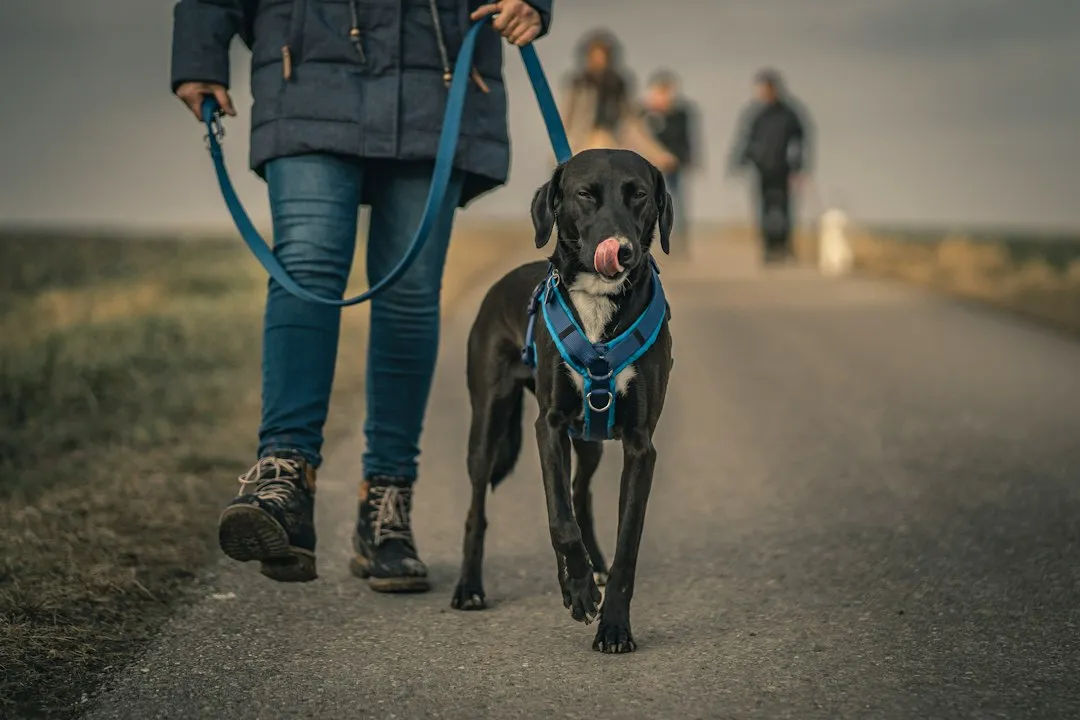
Consistency, rewards, and using a keyword can help train dogs to walk nicely on a leash and make walks more enjoyable for both the dog and owner. These aren’t exotic techniques. They’re just systematic applications of one core idea: pulling should not move a dog forward, and calm walking should. The balance is teaching your dog that sniffing happens on a loose leash, not as a reward for pulling.
An owner’s concern about managing their dog on leash can lead to dogs not receiving daily exercise, which can lead to weight gain and other behavioral concerns from limited socialization and enrichment. So the stakes aren’t just about comfortable walks. Getting leash manners right has a genuine impact on the dog’s overall wellbeing.
When to Bring in a Professional
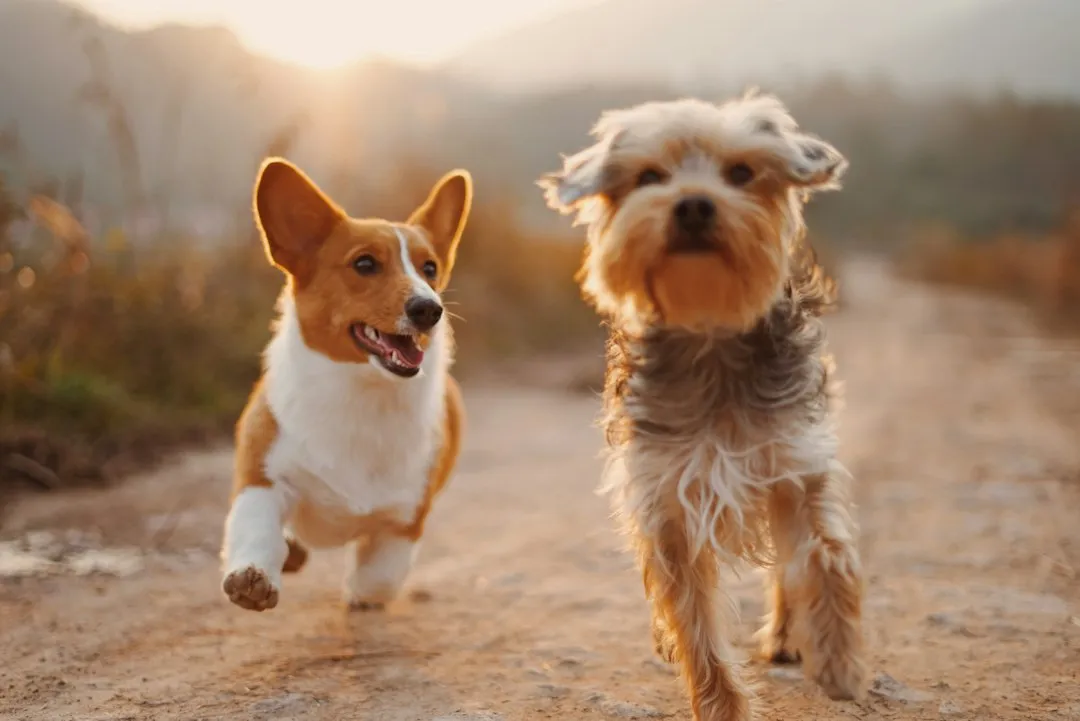
If your dog cannot focus even at a large distance, or if it growls or lunges aggressively, seek help from a certified trainer or veterinary behaviorist. Do not punish the pulling, as it can make fear worse. Some dogs have reactivity issues layered underneath the pulling behavior that require more targeted support.
If owners stop when another dog crosses their path, they fail to provide their dog with a sense of security. An insecure dog may then lunge forward to keep the other dog at a distance. Recognizing when pulling is anxiety-driven rather than excitement-driven can completely change the approach required, and that distinction is worth getting right with professional guidance.
Final Thoughts
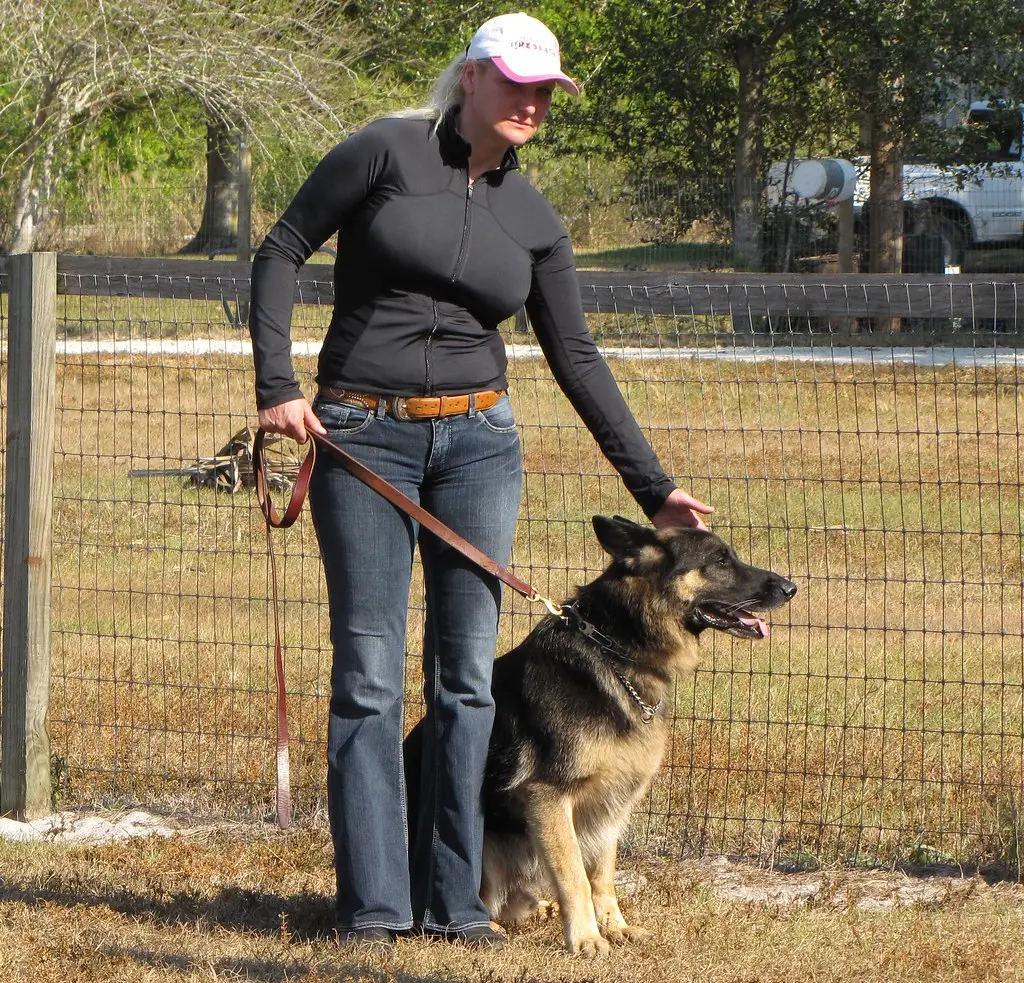
Leash pulling rarely comes from a bad dog. It comes, again and again, from patterns that owners unknowingly repeat every single day. The good news is that the same consistency that built the problem can dismantle it.
Small adjustments, applied steadily across every walk and every family member, tend to produce real results over time. The leash is a line of communication between you and your dog. What you do at your end of it matters more than most people realize.
AI Disclaimer: This article was created with the assistance of AI tools and reviewed by a human editor.