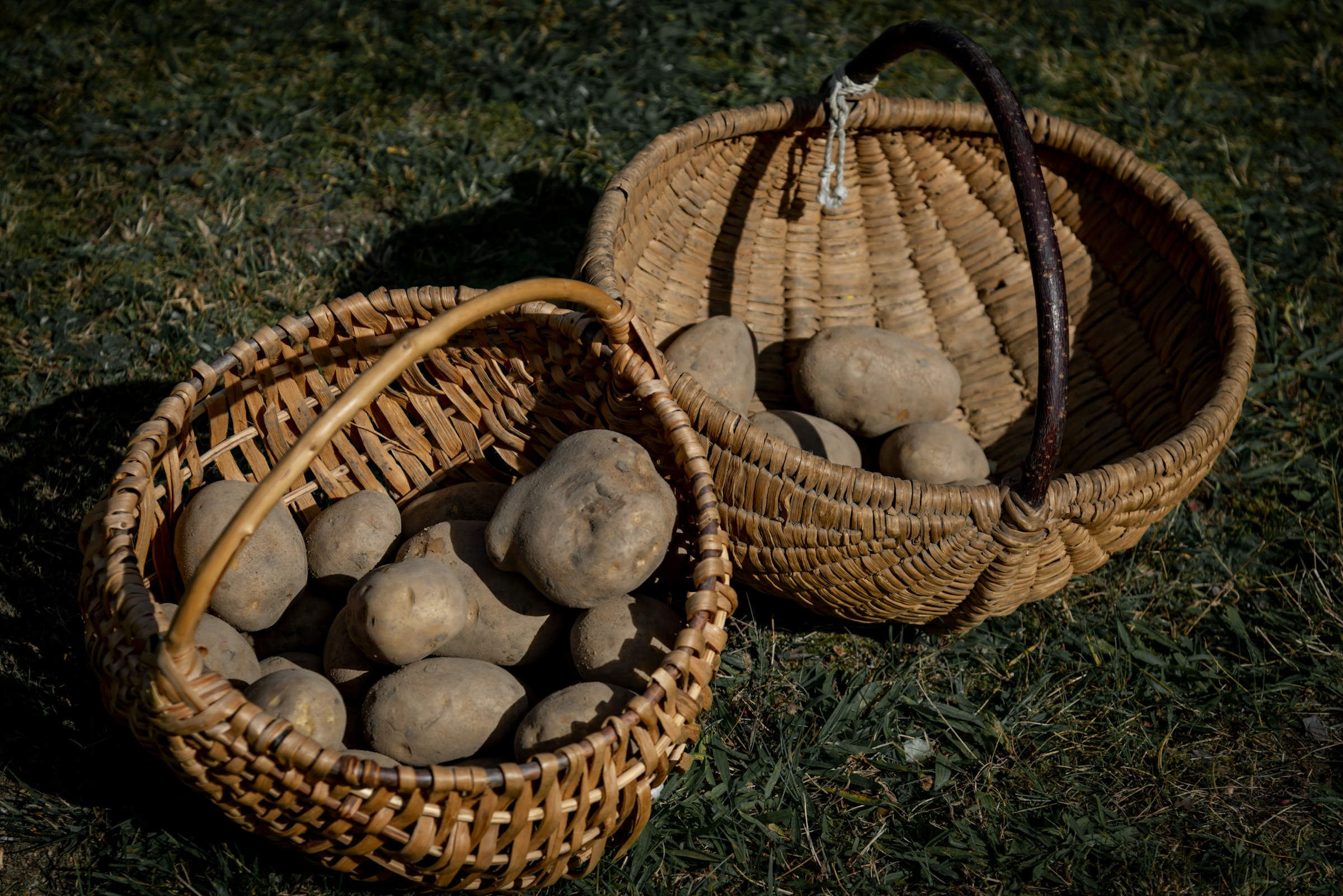

What the Method Actually Looks Like
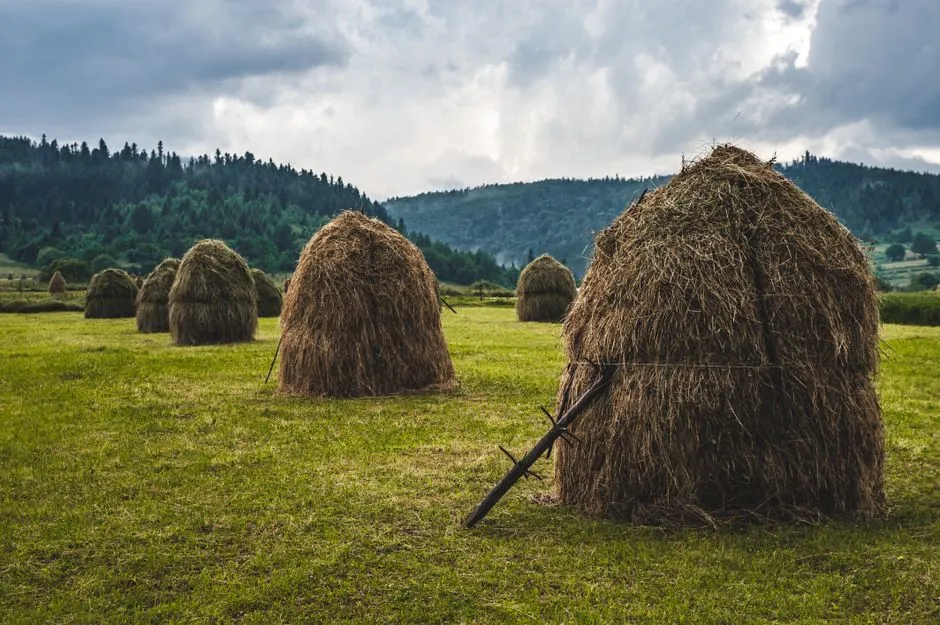
The method works because straw retains moisture, provides insulation, and allows the tubers to grow without soil. Seed potatoes are placed directly on a prepared bed or on the ground surface, then covered with a generous layer of straw. The initial mulch layer should be about 6 to 8 inches thick, enough to block sunlight from reaching the potatoes while still allowing the sprouts to push upward.
To encourage further tuber development, additional layers of straw are added around the base of the plants every few weeks, keeping the lower leaves covered. This process, known as “earthing up,” encourages the formation of more potatoes and protects them from sunlight exposure. It’s the same logic as traditional hilling, just far less labor-intensive.
Harvesting Becomes Surprisingly Easy
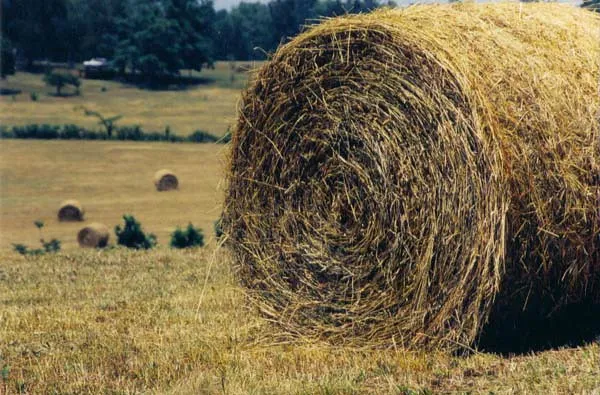
The harvest is remarkably clean because the potatoes are growing in straw instead of dirt. There’s no need to dig holes to plant seed potatoes or to harvest them, making this method ideal for growing potatoes when you have heavy clay or rocky soil.
It makes harvesting easier too, since you don’t need to dig. Just pull back the straw to collect your potatoes. For anyone who has ever accidentally speared a tuber with a garden fork, that detail alone makes the method worth considering. This approach is especially practical for harvesting a few potatoes at a time as new potatoes, leaving the rest to mature fully for a later harvest.
Moisture Retention Is a Core Advantage
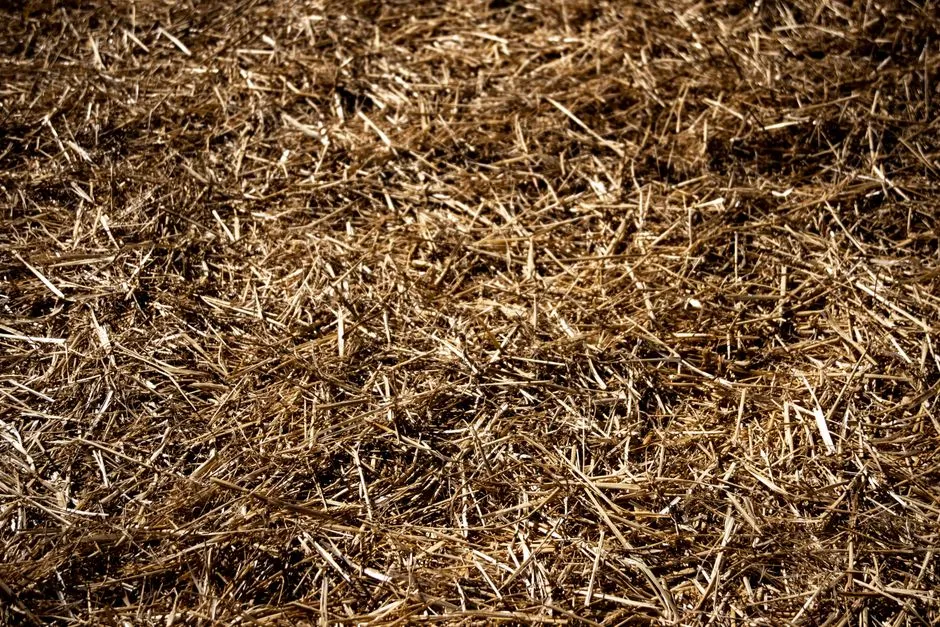
By covering the soil surface, straw mulch reduces direct evaporation, promotes greater rainfall infiltration, and enhances soil water storage, thereby ensuring more stable water availability during critical growth stages. This is particularly significant during dry spells when bare soil loses moisture quickly.
Potatoes need moisture, but too much water can lead to rot. Straw helps balance this perfectly. It holds enough moisture for the potatoes but allows for good airflow to prevent soggy conditions. Research published in Frontiers in Plant Science in 2025 confirms that straw strip mulching significantly increased soil water storage in the 0 to 200 cm layer by roughly 6.7 to 8.4 percent, yield by around 14.7 to 25.1 percent, and water-use efficiency by 9.2 to 14.3 percent compared to control plots.
Documented Yield Improvements
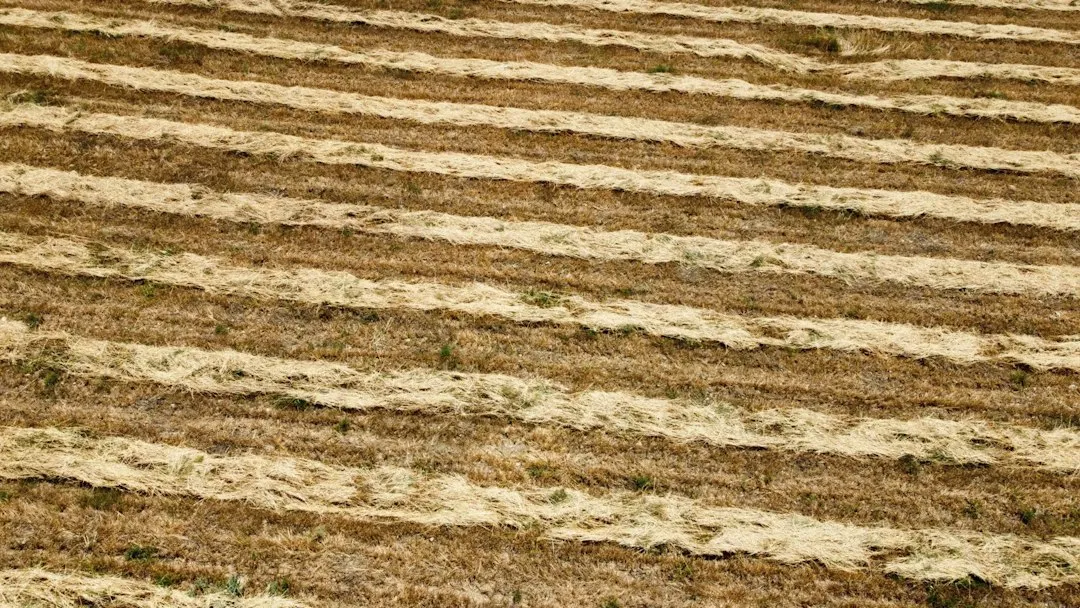
The yield benefits of straw mulching on potatoes are not just anecdotal. Over three years and 11 field experiments conducted at two German sites, straw mulching increased yields by 2.5 to 5 tonnes per hectare. That’s a meaningful margin by any measure of commercial or home production.
In separate research, straw mulch produced nearly 29 percent and over 21 percent higher marketable tuber yield than irrigated and rain-fed potato controls, respectively. A study published in Agronomy in August 2024 found that mechanized no-tillage with straw mulching significantly affected soil water content, yield, and water use efficiency, with no significant yield difference between straw mulching and plastic film mulching, but both significantly outperforming uncovered control plots. Yield under straw mulching was roughly 3 to 12 percent higher than the control.
Fewer Soil-Borne Diseases and Pests
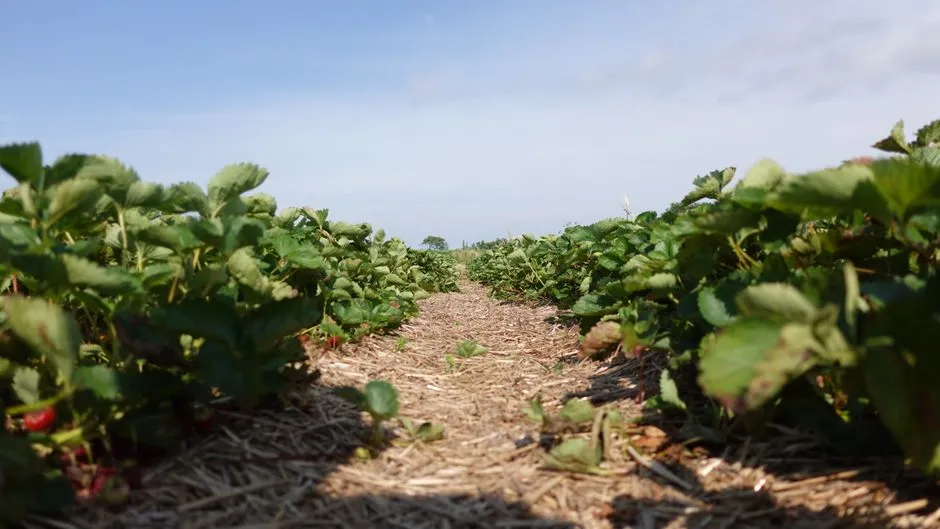
Many pathogens and pests need a dense medium like soil in order to survive, grow, and reproduce. In straw, it is harder for those organisms to do their destructive thing. Increased airflow also isn’t favorable for pathogen development, and it’s tougher for insects to tunnel through a loose, airy medium.
Potato virus Y and aphid infestation in potatoes were consistently reduced when straw was added in small to moderate amounts. There’s evidence suggesting that fewer insect pests, like aphids and thrips, visit potato plants when light-colored straw mulch is used. The reflective surface of pale straw is thought to confuse or deter flying insects.
Straw Builds Soil While the Potatoes Grow
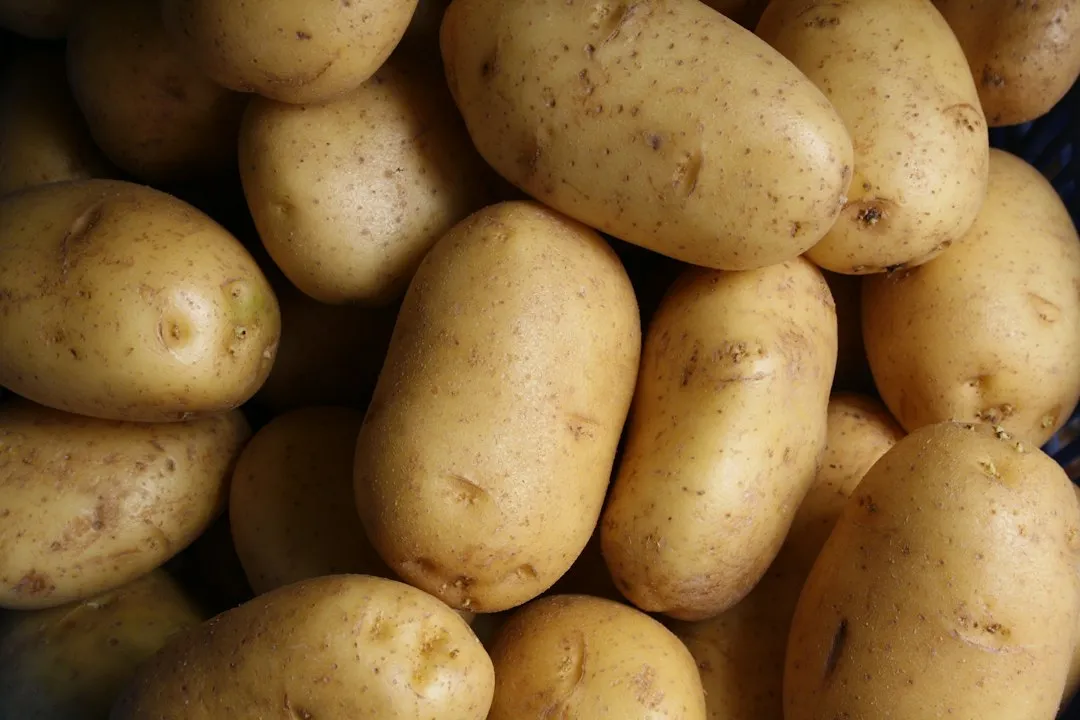
Straw mulch promotes nutrient return through decomposition, improves soil fertility, and enhances soil water storage. This means the medium doing the work in one growing season is simultaneously feeding the soil for future seasons. It’s a kind of built-in composting.
While straw degradation can initially increase nitrogen demand and lead to temporary competition with the crop, this effect is mitigated over time as decomposed straw contributes to soil organic matter and nutrient release, maintaining nutrient balance in the longer term. Straw helps keep the ground cooler in hot weather and will eventually break down to contribute to soil structure and fertility.
Weed Suppression Without Herbicides
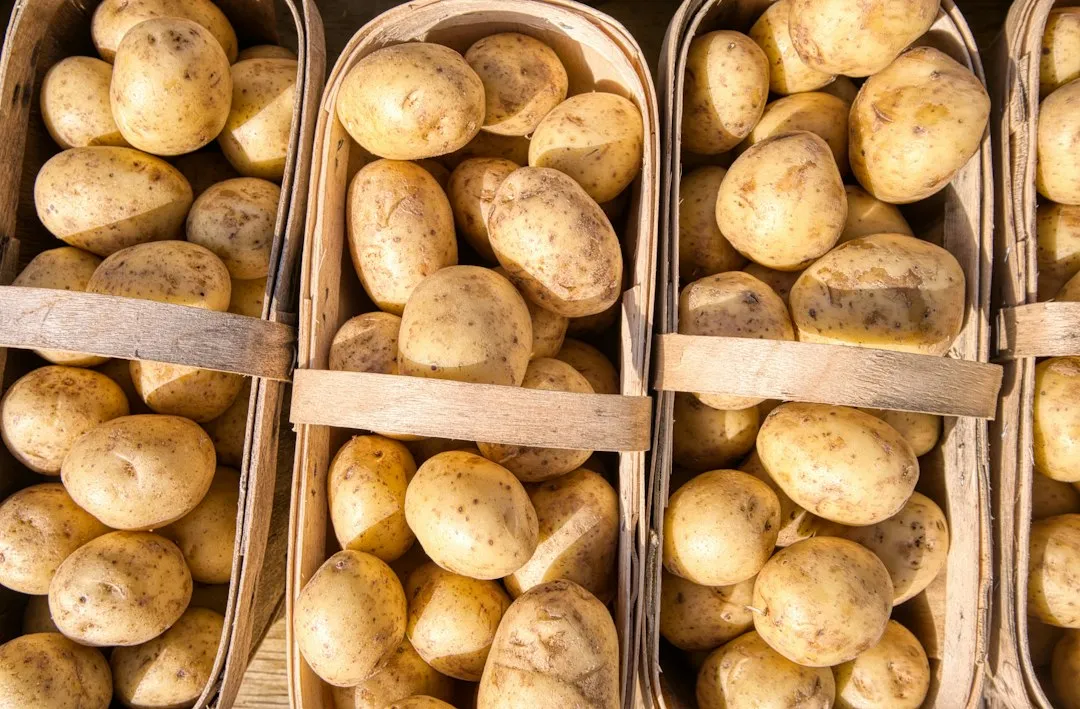
A thick layer of straw effectively suppresses most weed growth. This matters especially for organic growers who want to avoid chemical intervention. The no-dig approach also minimizes weed growth by not bringing weed seeds to the surface, since the soil itself is never turned over.
When late and early maturing potato cultivars were grown under two organic management systems using straw mulch or mechanical cultivation for weed management, application of straw mulch at emergence consistently increased total and marketable yields for the late-season cultivar, shifting the profile toward larger tuber sizes. The conclusion was that straw mulching is a viable management option for organic potato production, with potential benefits for broadleaf weed management and tuber yield.
Soil Health and Microbial Life Are Preserved
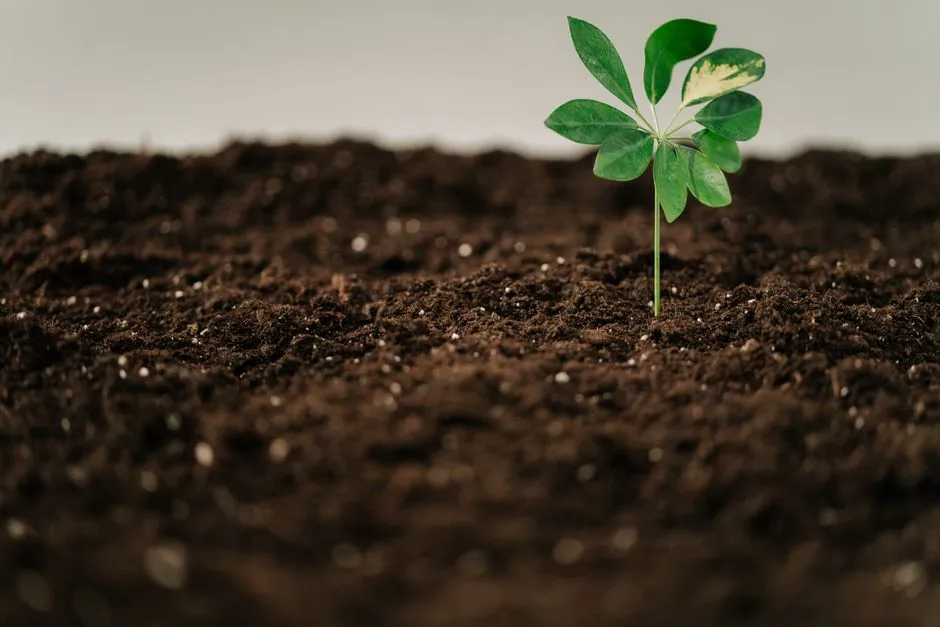
Healthy soil is packed with beneficial microbes, fungi, and organic matter that help plants thrive. Tilling can disrupt that delicate system, while no-till methods help retain moisture, reduce erosion, and improve overall soil fertility over time.
With the no-dig method, you’re not just growing potatoes. You’re also nurturing your soil. By refraining from disturbing the soil structure through digging, beneficial organisms like earthworms are preserved, contributing to improved soil health. Research has also confirmed that straw mulching enhances soil enzyme activity and improves soil structure in potato farmlands, creating favorable conditions for potato growth and development.
The Carbon Footprint Advantage
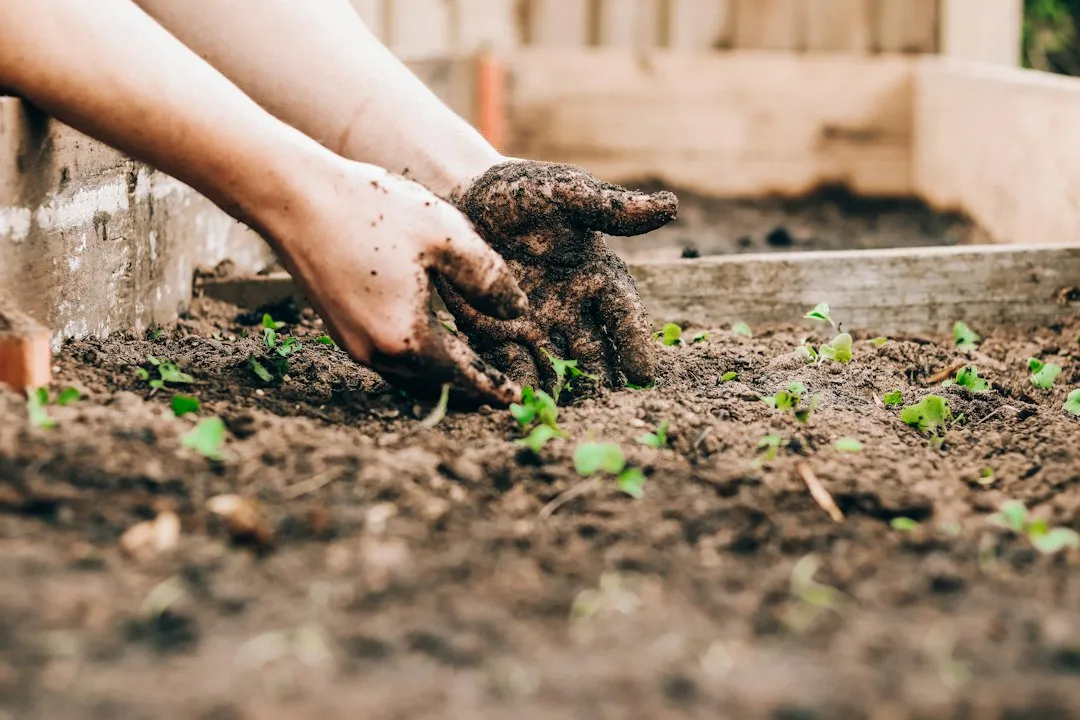
Environmental benefits are increasingly part of the straw mulching conversation. Zero tillage with rice straw mulching was tested for growing potatoes in Bangladesh, and the results showed that this method increased yield by roughly 369 percent and decreased the carbon footprint by roughly 82 percent compared to conventional cultivation. Those figures come from a multi-site, two-year trial published in 2024.
The no-dig method aligns with sustainable practices by minimizing soil erosion, reducing carbon emissions, and promoting biodiversity. These advantages make straw mulching a sustainable and effective practice for boosting potato productivity in water-scarce regions. The benefits extend well beyond any single garden bed.
It Works on Problem Soils Too
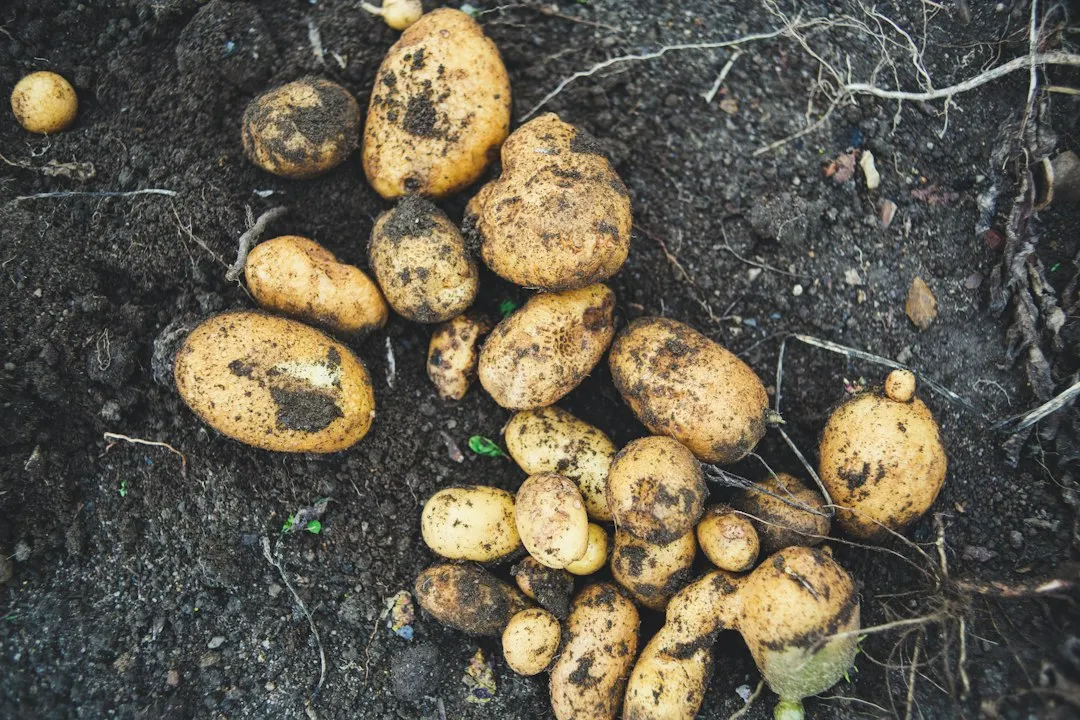
The straw method is ideal for growing potatoes when you have heavy clay or rocky soil, since there’s no need to dig holes for planting or harvest. Gardeners who have always struggled with compacted or stone-filled ground find this approach genuinely liberating. The straw provides a loose, accommodating medium regardless of what lies beneath.
When plastic film mulching is applied in heavy soil areas, soil compaction can easily occur, which affects seedling emergence and reduces yield. Straw mulching has stronger adaptability to soil types and better yield stability, making it a green and efficient cultivation technology suitable for dry farming areas. For home gardeners dealing with less-than-ideal ground conditions, that adaptability is genuinely useful.
The Takeaway
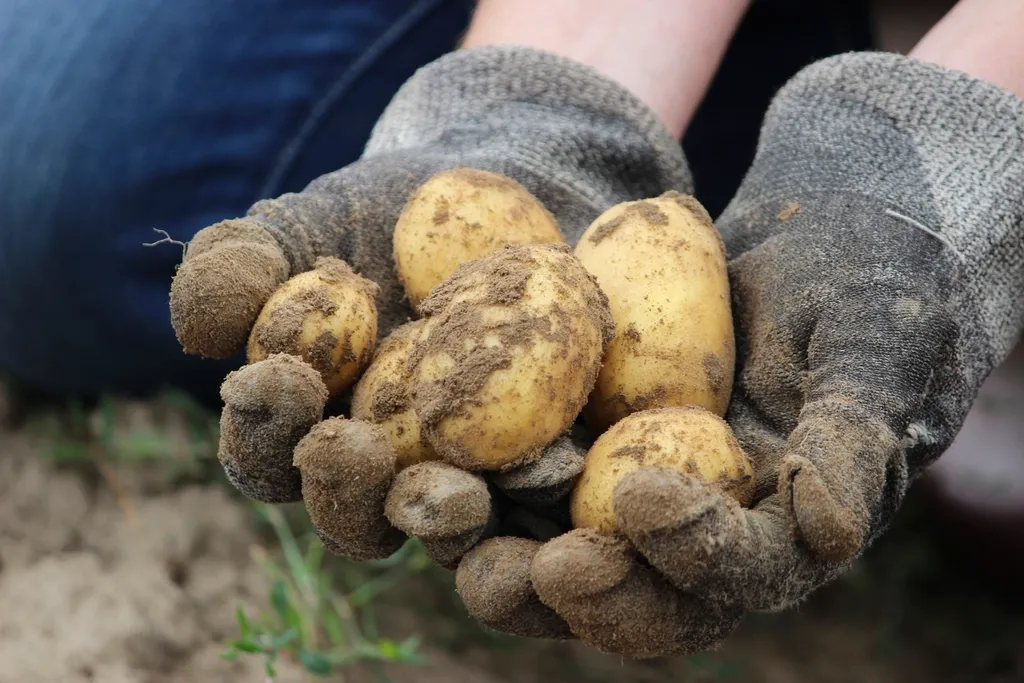
Growing potatoes in straw isn’t a trend for its own sake. The evidence supporting it, from peer-reviewed trials to consistent results across climates and soil types, makes a compelling case that this approach deserves serious consideration. It reduces labor, conserves water, suppresses weeds naturally, and returns nutrients to the soil all in a single growing cycle.
The shift away from deep digging reflects something broader happening in gardening and small-scale farming: a growing recognition that working with the soil’s natural structure, rather than against it, tends to produce better results with less effort. Whether you’re managing a backyard plot or a small organic operation, straw might be the most productive thing you lay down this season.
AI Disclaimer: This article was created with the assistance of AI tools and reviewed by a human editor.