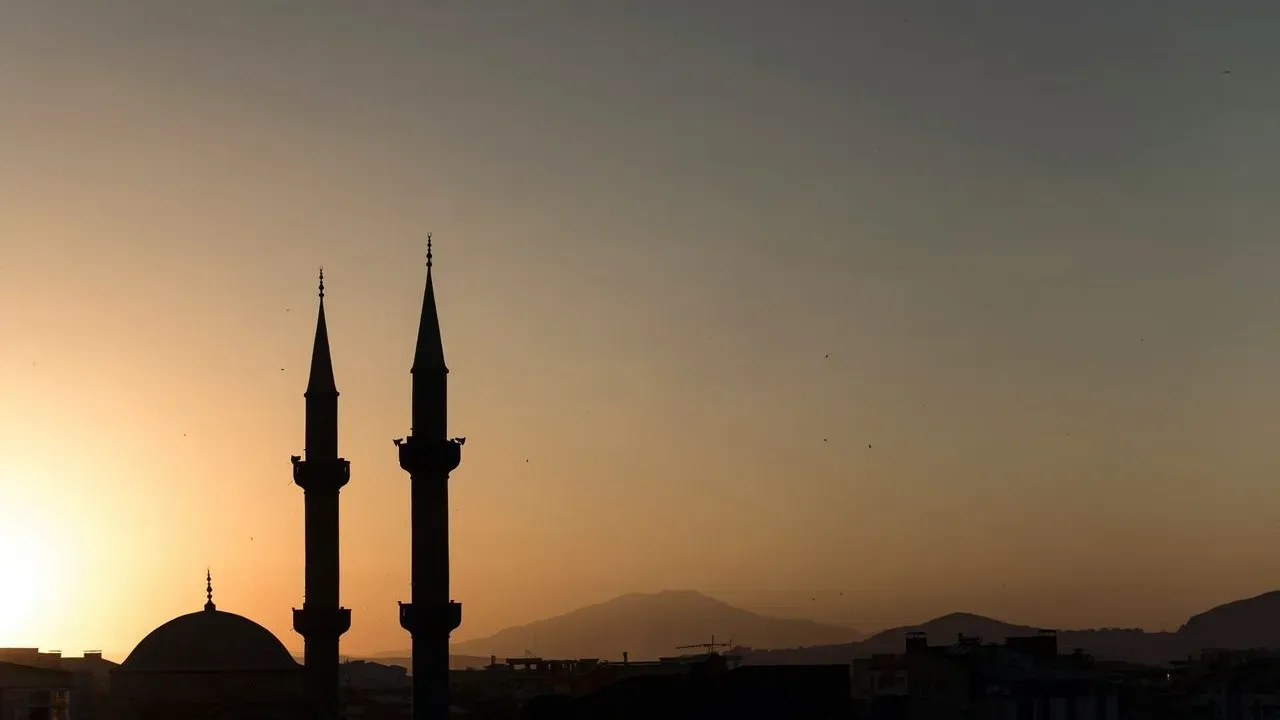

For centuries, the largest religion on Earth has been Christianity, and few population trends have drawn as much attention from demographers. New projections from the Pew Research Center suggest that position could change within the next decade. The findings are based on current demographic trends, so they describe what could happen rather than what is certain to happen ([1]). Today, Christians are the largest religious group in the world and Muslims are the second largest.
A shift driven by birth rates
The timeline is the striking part. That will change by 2035, when Muslims will surpass Christians in population, according to new Pew Research Center projections. Pew’s earlier work on the subject, published in 2015, placed near parity closer to 2050, so the expected crossover has moved forward by about 15 years ([4]).
Pew researchers point to fertility as the main engine. Both religions are growing, but Islam is growing considerably faster ([2]). Conrad Hackett, a Pew senior demographer, put it bluntly, calling it “It’s the babies,” and noting that conversion plays a much smaller role than birth rates. Pew’s estimates also show that Muslim women gave birth to more babies than women in any other religion during the 2020-2025 period.
What the numbers look like
The projected totals are easier to grasp when set side by side. Based on the figures reported by the Associated Press, the picture looks like this:
- In 2020, there were 2.27 billion Christians and 2.02 billion Muslims worldwide.
- By 2035, Muslims are expected to reach 2.57 billion, surpassing Christians at 2.52 billion. ([5])
- If current demographic trends continue, Muslims will total 3.6 billion people worldwide and make up 36% of the global population by 2070. ([3])
The shift is not only about who grows fastest. Pew also projects that although Hindus and Jews are growing in absolute numbers, they are projected to decline as a percentage of the global population. Religious identity is changing in other ways as well. The unaffiliated already make up a majority of residents in 10 countries, including the Czech Republic, Japan, the Netherlands, New Zealand, Uruguay and Vietnam, according to Pew.
Where growth is happening, and what could change it
Much of the projected growth is concentrated in places where these faiths already dominate. Alan Cooperman, Pew’s director of religion research, noted that most of the projected proliferation of Muslims and Christians was occurring in countries where they already are the majority, with conversion playing only a minor role. For families and communities in those countries, the change is less about a sudden arrival and more about gradual shifts in schools, neighborhoods and public life.
Pew’s model also has limits. It draws on the United Nations’ 2024 revision of its World Population Prospects, along with migration estimates and the Center’s earlier research on the religious makeup of migrants ([2]). Changes in migration patterns, conversion rates or fertility could alter the timeline. Still, the core message from Pew is that the world’s religious map is being redrawn by demographics that are already well underway.
For readers, the 2035 date is best seen as a marker to watch rather than a finish line. The projections will be updated as new census and survey data arrive, and the real test will be whether the trends hold for the next decade.
AI Disclaimer: This article was created with the assistance of AI tools and reviewed by a human editor.