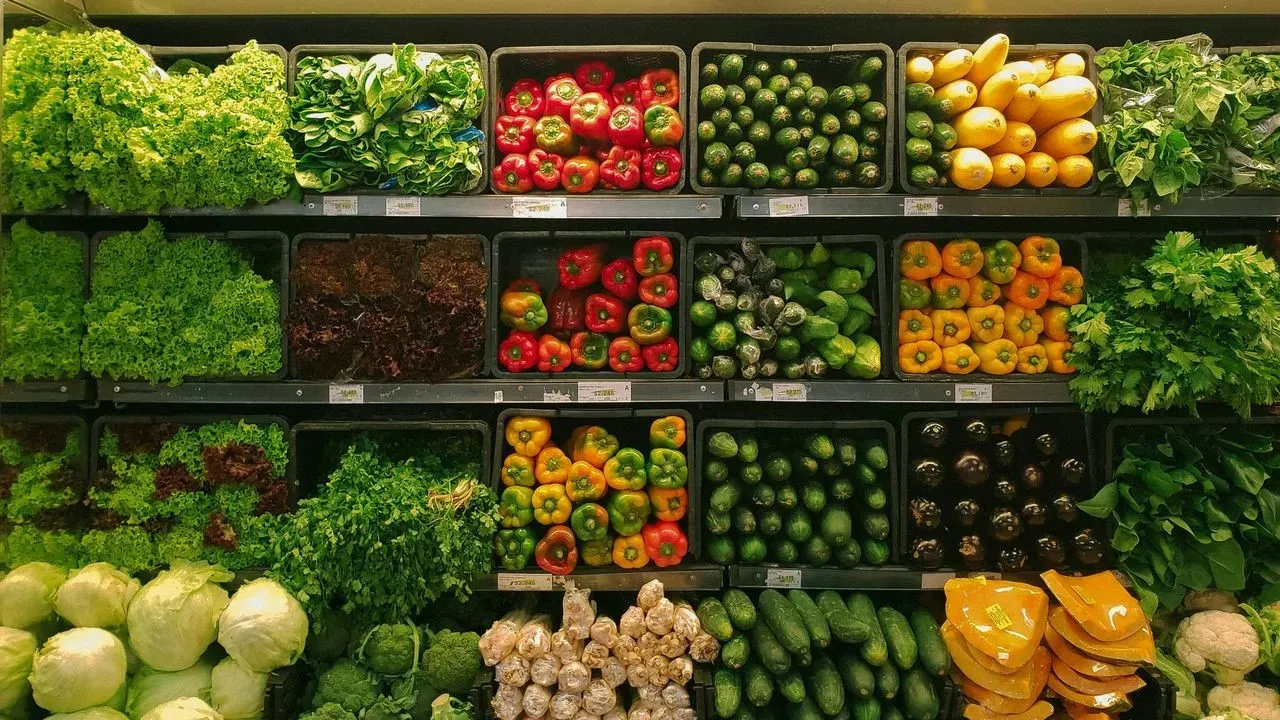

Grocery shoppers may feel the next few months at the checkout counter. A food economist warned that ([1])high energy costs and a powerful El Niño weather pattern will likely push grocery prices up faster than usual. The forecast comes at a time when wholesale costs for transportation, energy, and storage have already been climbing, and household budgets are already stretched.
Fuel costs are already moving through the system
The pressure did not begin with the weather. Energy prices spiked in early 2026 after the conflict in Iran and the closure of the Strait of Hormuz, and food-at-home prices climbed 0.7 percent by April, according to Ricky Volpe, an agribusiness professor at California Polytechnic State University, as ([2])reported. Retail prices then rose 0.4 percent in October, a move the Food Industry Association, known as FMI, tied to fuel and diesel costs working their way through the supply chain ([3]).
Energy touches far more of the food system than most shoppers see. It powers farm equipment, processing plants, packaging lines, and delivery trucks. FMI has said these costs can take months to reach store shelves, which means the October increase may be an early signal rather than the full effect. Diesel prices are also expected to remain elevated, with the Energy Information Administration estimating an average of $5.03 per gallon in 2027 ([4]).
Why the weather matters to the grocery aisle
El Niño is a recurring warming of Pacific Ocean waters that shifts rainfall and drought patterns around the globe. Forecasters expect this year’s event to be unusually strong, and its effects reach well beyond the United States. Volpe pointed to several commodities that could become more costly:
- Palm oil, a common ingredient in baked goods and cereals
- Rice
- Cocoa
- Coffee
Major palm oil producing regions are likely to receive unseasonably heavy rain, which could disrupt harvests. Closer to home, vegetable supplies have already faced weather trouble in the Southeast, western Mexico, and Southern California, according to Volpe, who spoke at a recent briefing hosted by FMI ([5]). Those regional problems add to the cost pressure from fuel.
Volpe’s outlook is blunt. Food-at-home prices are expected to rise faster than average at least into early 2027, and he said he would be surprised to see food prices flatten or fall over the next four or five months. He also noted that the Producer Price Index, which tracks wholesale costs, has been moving upward, a trend that typically foreshadows retail changes.
What shoppers and growers can expect
Consumers are not blind to the pressure. FMI survey data cited in recent reports shows that 65 percent of shoppers are extremely or very concerned about rising grocery prices, a level that has held steady for two years. Yet the same research suggests many households feel they can still manage their food spending, and grocers have said they are working to hold prices down and keep supplies steady.
For households that already grow some of their own produce, the forecast raises a practical question. A backyard plot or a few containers of herbs and greens can ease the pressure on a weekly budget, but the sources do not quantify how much a home garden would offset higher prices. Savings will depend on climate, the size of the garden, and what a household chooses to grow.
The main drivers to watch are diesel costs, the strength of El Niño, and wholesale price trends. Any of them could shift the timing or size of grocery price increases in the months ahead.
Whether the pressure eases in 2027 will depend on how quickly fuel markets settle and how severe the weather turns out to be. For now, the message from the food sector is consistent: the higher costs created earlier this year are still making their way to the grocery store, and the weather may add to them before relief arrives.
AI Disclaimer: This article was created with the assistance of AI tools and reviewed by a human editor.