
Red: Bold, Energetic, and Openly Welcoming
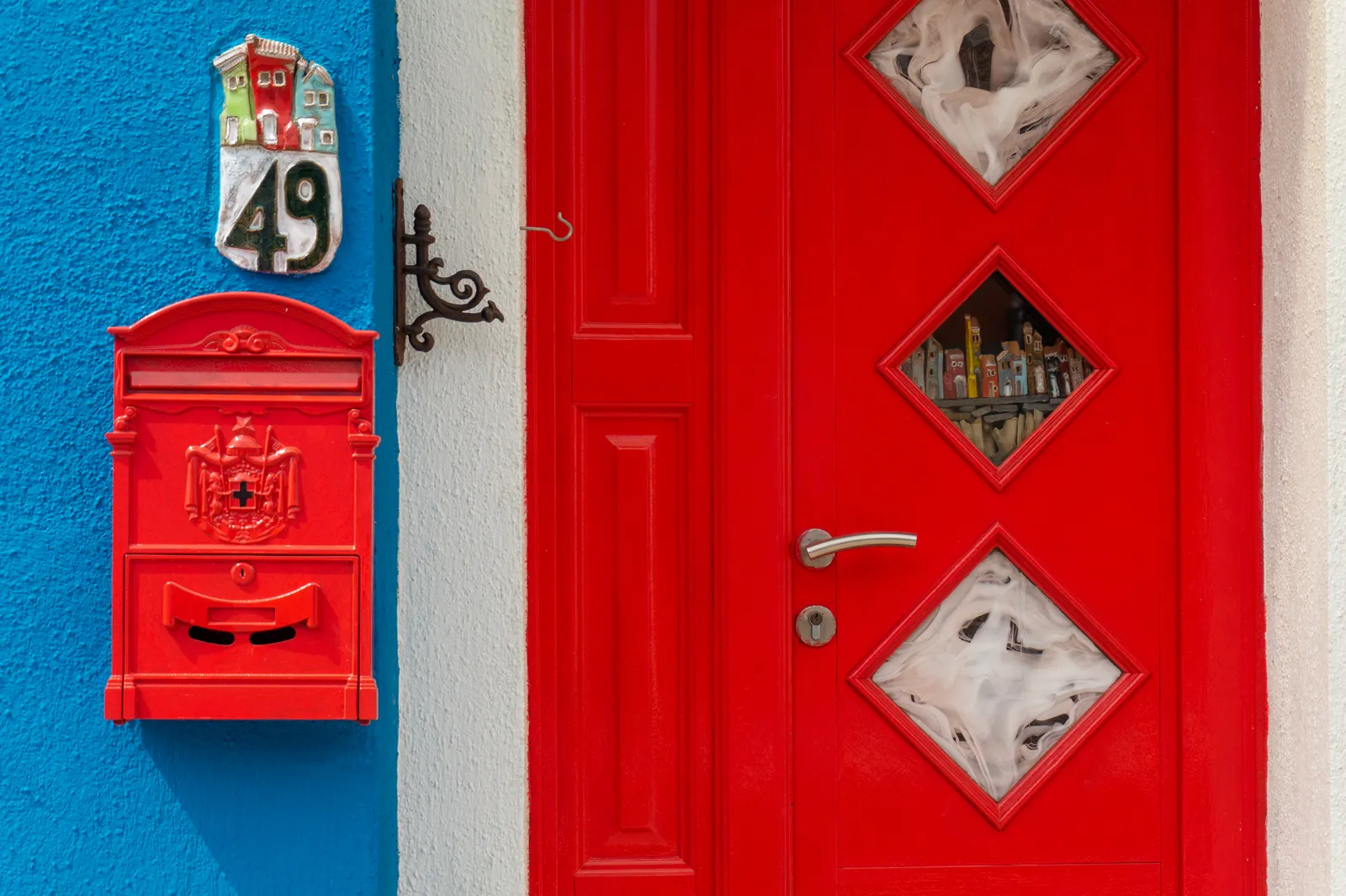
A red front door has long been associated with gracious hospitality, and in early American history, it signaled that travelers were genuinely welcome to spend the night. That tradition has carried forward in a meaningful way. A red front door shows enthusiasm and energy, and owners tend to be the kind of people who fill a room before they even say a word.
In feng shui and color symbolism, red is also considered the color of prosperity and positive energy, especially when used on south-facing doors. So whether you’re drawn to red instinctively or chose it after careful thought, you’re projecting both warmth and ambition to everyone who walks past.
Black: Sophisticated, Authoritative, and Quietly Powerful
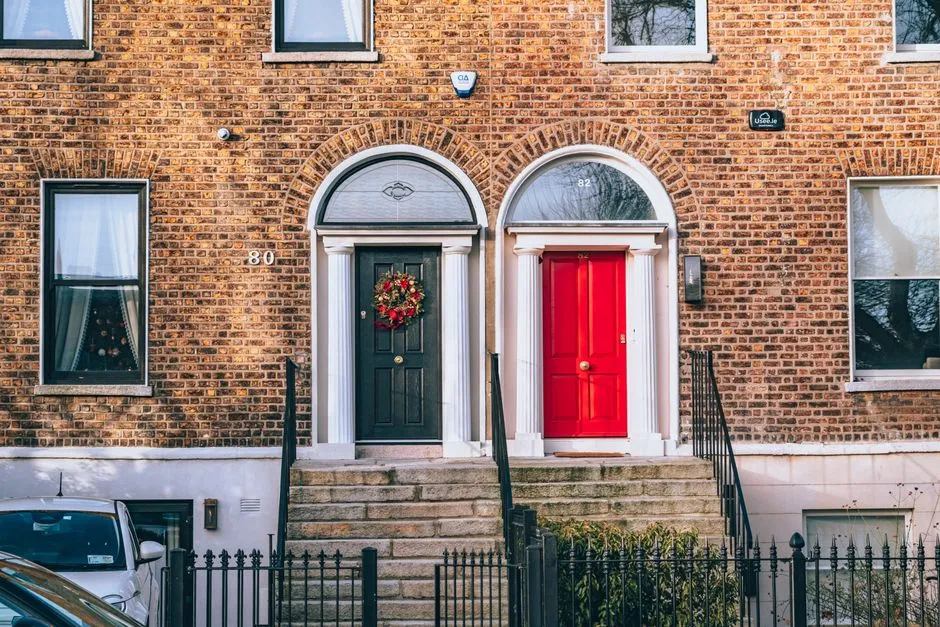
Those with black front doors are thought to hold positions of power and authority, and are also believed to be serious, sophisticated, and strong. There’s nothing accidental about this choice. A black front door is often associated with luxury and power, and can signal that the owner is independent and unafraid to express themselves.
Neutral and classic colors like black often increase home value by enhancing curb appeal and creating a sense of sophistication, and Zillow studies show black front doors may add thousands to resale value due to their modern, high-contrast look. It’s one of the rare cases where personality and practicality point in exactly the same direction.
Blue: Calm, Trustworthy, and Quietly Content
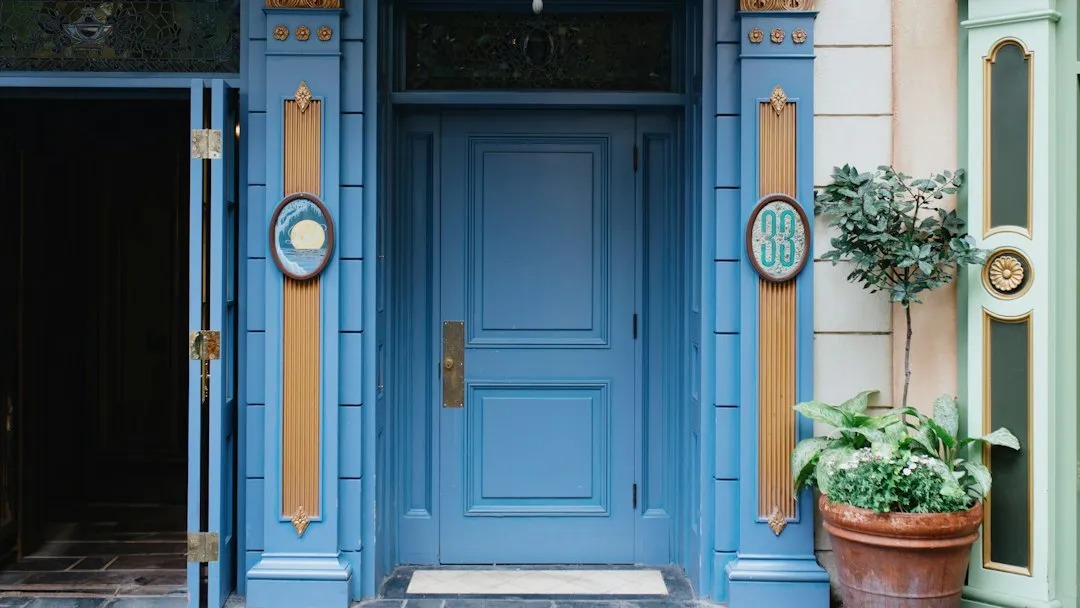
Choosing a blue door can instantly set a peaceful tone for your home’s exterior, as blue evokes calmness, trust, and stability. The shade of blue matters, too. Blue is a peaceful, calming color, and the darker you go, the more it represents intelligence, power, and stability – a darker blue like navy showcases a grounded, trustworthy, and values-driven personality.
Research in somatic therapy suggests that calming colors like blue can positively influence emotional well-being by promoting relaxation and reducing stress. It’s also a commercially savvy pick: blue is associated with stability and ease, and Zillow reports it is among the top three preferred front door colors for buyers.
Green: Nature-Loving, Balanced, and Growth-Oriented
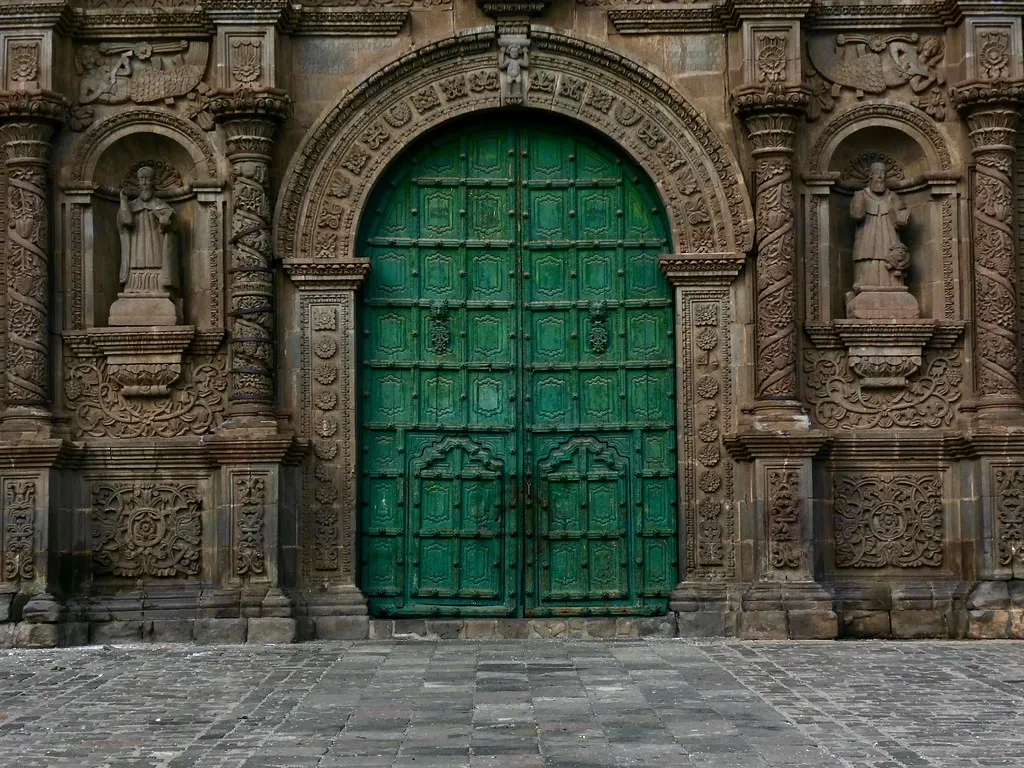
Green is the color of nature and symbolizes growth, harmony, and freshness, and a green entry door can make a home feel inviting and in tune with its surroundings. People who gravitate toward green tend to be steady, thoughtful, and rarely impulsive. Green signifies balance, harmony, and growth, making it a great color for projecting peace and well-being, and it’s often a good indicator that someone inside is open to new experiences and ideas.
According to color theory, green is considered a cool, earthy color that can represent professionalism, a love for harmony, or an appreciation for nature, and in terms of color symbolism, green is also associated with encouraging growth and earthy wealth. Sage green in particular has surged in popularity, with paint experts noting it suggests owners value a slower, more intentional pace of life.
Yellow: Optimistic, Outgoing, and Genuinely Joyful
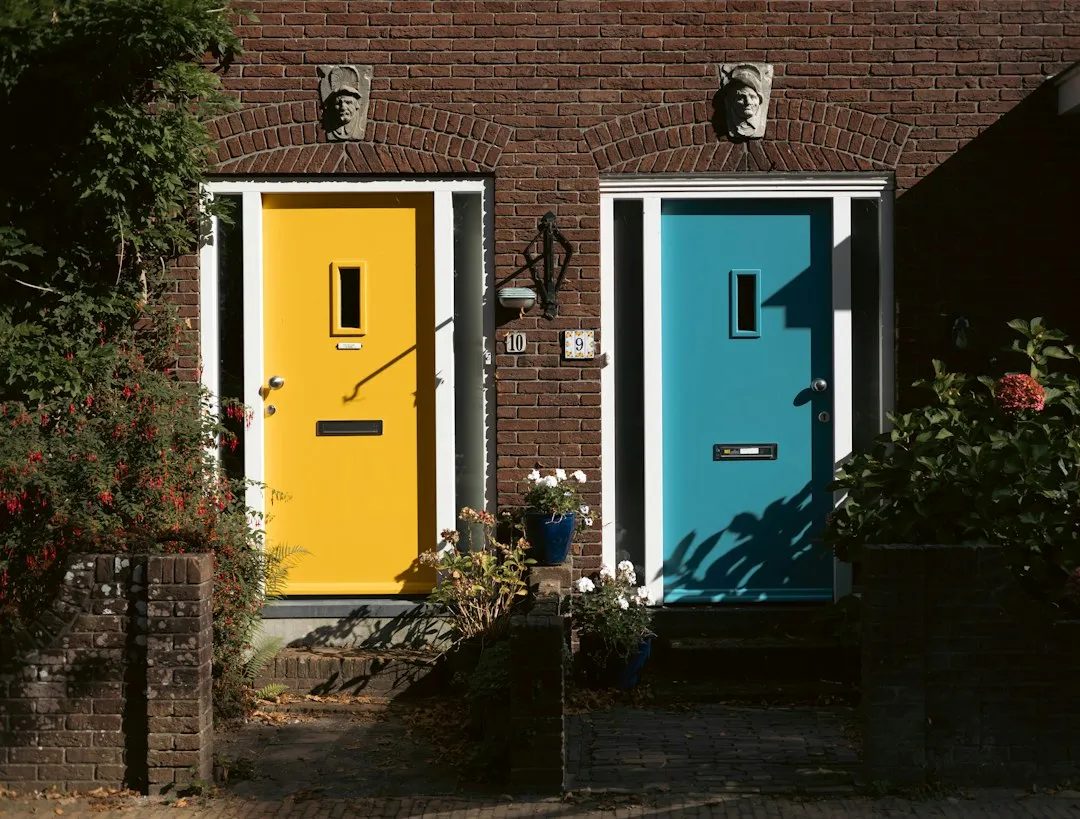
Yellow is a bright, cheerful color that evokes feelings of happiness and warmth, and is great for creating a positive first impression without being too overpowering. People who choose yellow for their front door rarely do so by accident. Choosing a yellow front door says you’re an optimist, and your bubbly personality is probably reflected in fun pops of color throughout the interior of your home.
According to color psychology specialist Karen Haller, yellow is known to be an incredibly soothing color that brings stability to the homeowner and creates a sense of restfulness and wellbeing, which is partly why it has surged in popularity. It’s a shade that communicates openness, without demanding attention the way red does.
White: Organized, Precise, and Classically Confident
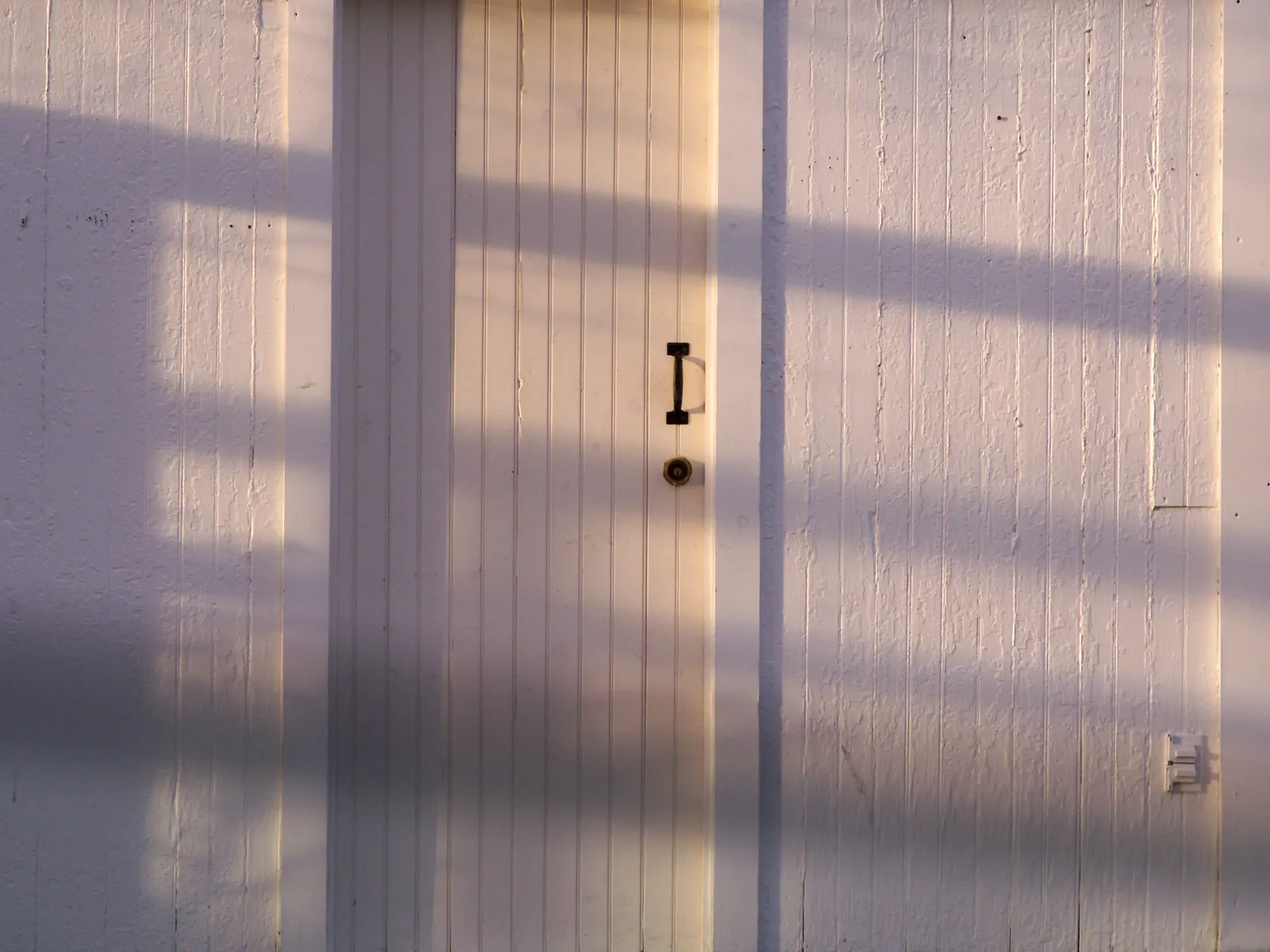
A white front door tells neighbors that you are a clean, tidy, and organized person, and a traditionalist at heart who exudes confidence and sophistication. There’s an understated assurance to white – it doesn’t need to shout. A white front door conveys freshness and simplicity, and signals that the owner loves to plan things carefully and keep things neat.
White front doors can also make a home appear more spacious and bright, adding to the overall appeal of the entryway. Owners of white doors tend to believe that simplicity, done right, is its own kind of elegance, and they’re usually not wrong.
Gray: Mature, Composed, and Deliberately Measured
The gray color often represents balance and neutrality, and painting your front door a calming shade of gray could mean that you are a person of maturity and stability who is less likely to take risks. That’s not a negative trait at all. A gray front door evokes feelings of sophistication and simplicity, which appeals to people who prefer substance over flash.
Gray owners are rarely trying to prove anything. They’ve generally figured out what they value and built their lives accordingly. Gray is a versatile color that can range from soft and soothing to dark and dramatic, which means the specific shade can refine the message considerably, from approachable calm to serious authority.
Orange: Fun-Loving, Social, and Refreshingly Fearless
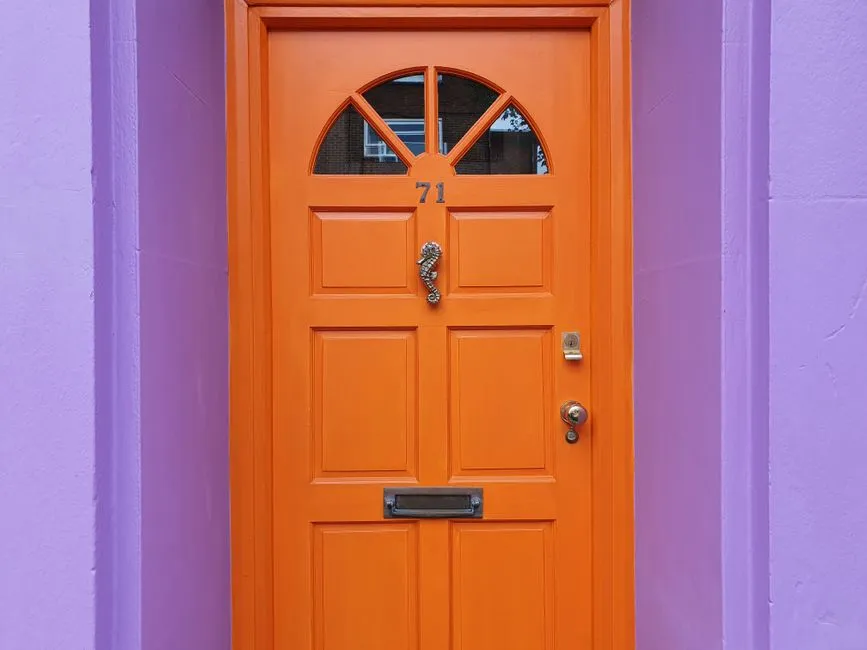
With elements of red, orange is a very eye-catching and robust color for a front door, and in terms of psychology, feelings of playfulness and energy are often associated with it. This is not a color chosen by someone who blends into the background. The orange front door is as warm as a friendly personality, and owners tend to be playful, energetic, open to taking risks, and unafraid to ask for what they want.
An orange front door says “refreshing fun,” and if you chose it, you may be the life-of-the-party, gregarious, anything-but-shy type. It’s an honest color in that sense: nobody picks orange by accident or to please a homeowners’ association.
Purple: Creative, Individualistic, and Quietly Unconventional
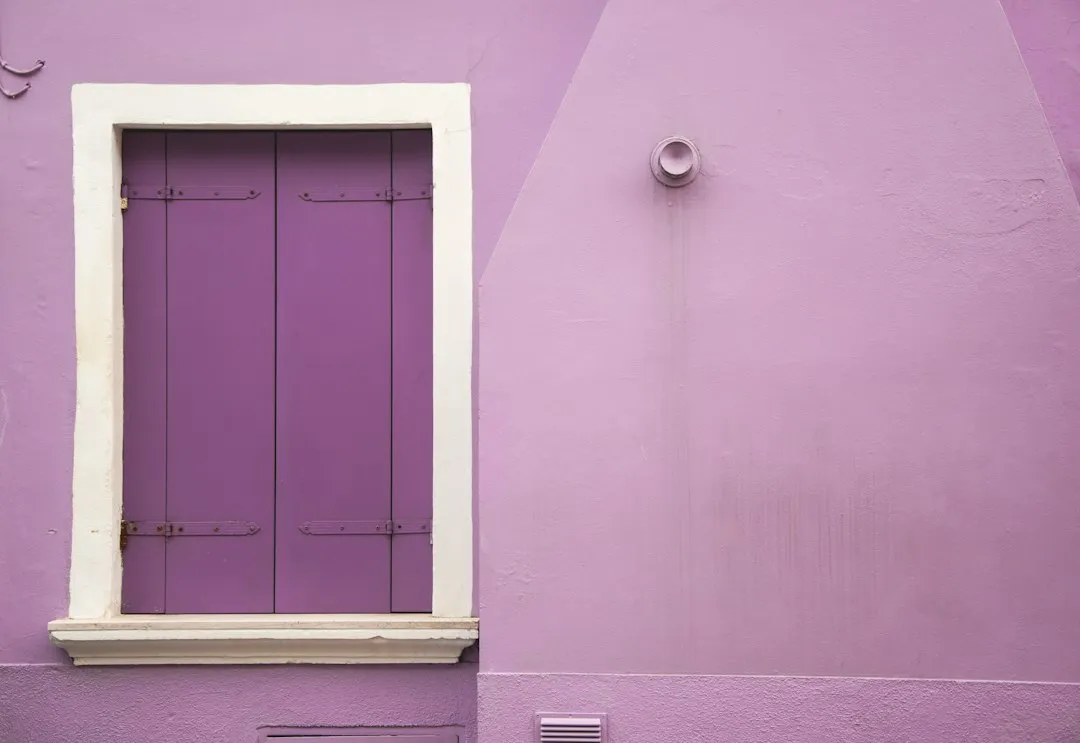
Whether you choose a soft lavender or a deep violet, having purple at the heart of your home gives it a stand-out personality, and suggests you may be a sophisticated, creative person who is not afraid to go against the grain. Purple sits at an interesting intersection of ambition and imagination. Choosing a lavender color for your entry door says you’re sophisticated, while deeper purples lean toward something more dramatic and self-assured.
Unique or unconventional door shades reveal creativity, individuality, and a willingness to break from tradition. Purple fits that description perfectly. People drawn to it tend to think in ways that don’t always fit neatly into categories, and that’s precisely the point.
Brown or Natural Wood: Grounded, Genuine, and Quietly Warm
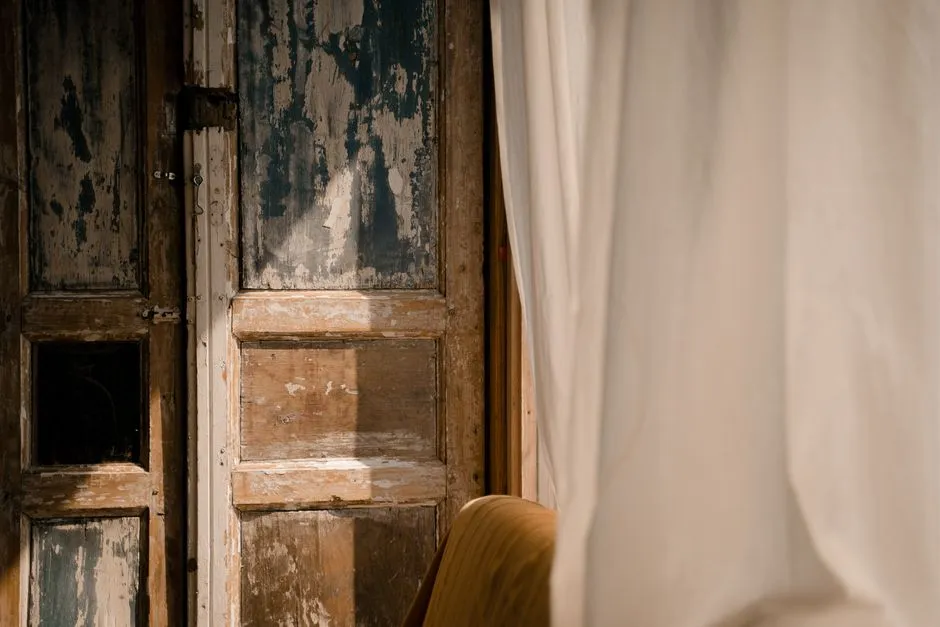
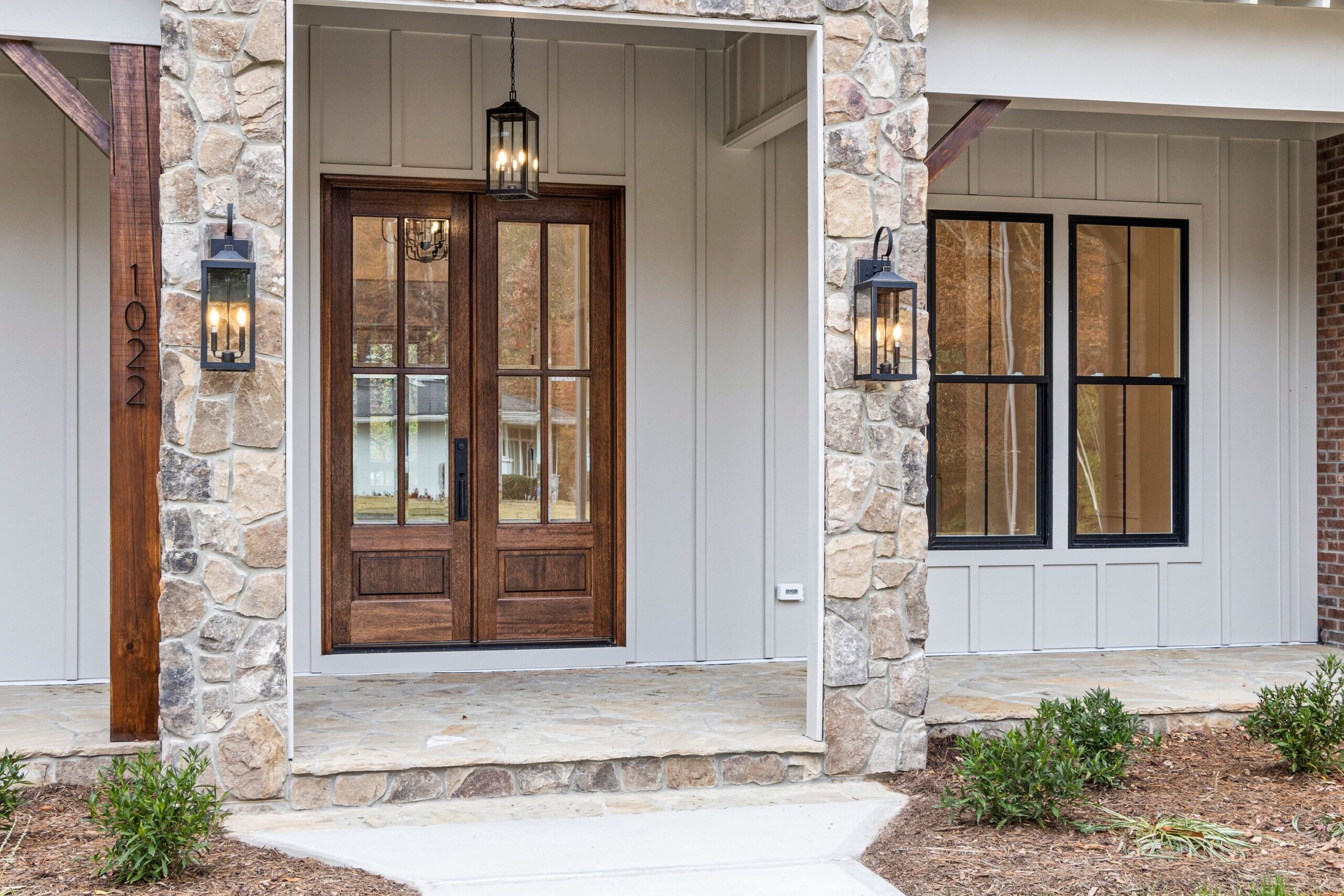
Brown is a natural, earthy color that evokes feelings of warmth, reliability, and stability. Owners of brown or natural wood doors tend to have a strong sense of who they are, with little need for external validation. Choosing a brown front door color means you’re very down-to-earth and practical, and a reliable friend.
Wood is practical yet beautiful, reflecting a grounded nature and level-headed personality, and the door tells a story of authenticity and natural charm. In a neighborhood full of painted surfaces, a natural wood door stands out precisely because it doesn’t try to. That restraint is its own kind of statement.
The Takeaway
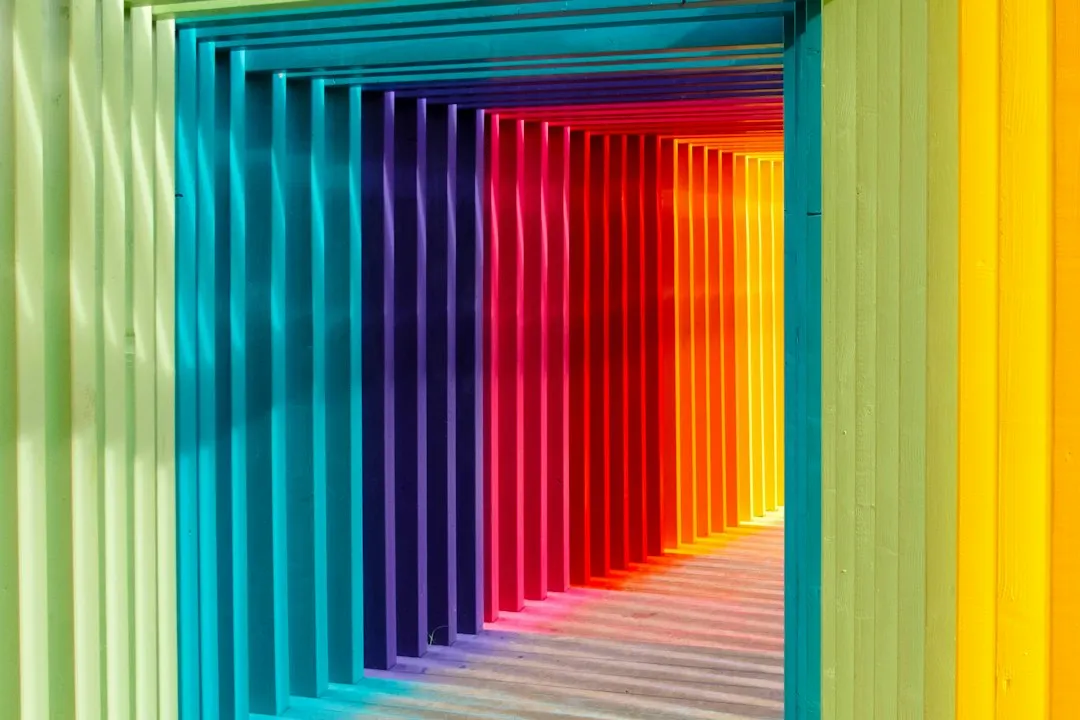
Color psychology isn’t a perfect science, and no front door shade locks you into a fixed personality type. What it does reflect, often more accurately than people expect, is an instinctive sense of how you want to be perceived and how you want to feel when you come home. As color psychology expert Michelle Lewis has noted, a front door carries much more meaning than the official entrance of a home, and color psychology is about how colors make us feel and the desired emotion we attach to a color.
The color you choose is, in its quiet way, a small self-portrait on display for the whole street. It’s worth picking one you actually mean.
AI Disclaimer: This article was created with the assistance of AI tools and reviewed by a human editor.