

Most people have been there. You’re in the middle of a laughing fit so intense that your stomach hurts, your face is scrunched up, and suddenly, tears are streaming down your cheeks. It doesn’t feel sad. It doesn’t feel wrong. It just happens, almost against your will.
What’s going on inside your body during that moment is actually a fascinating story about how the brain manages too much of a good thing. Scientists have been piecing together the answer for years, and the picture they’re building is both surprising and deeply human.
It Happens to More People Than You Think
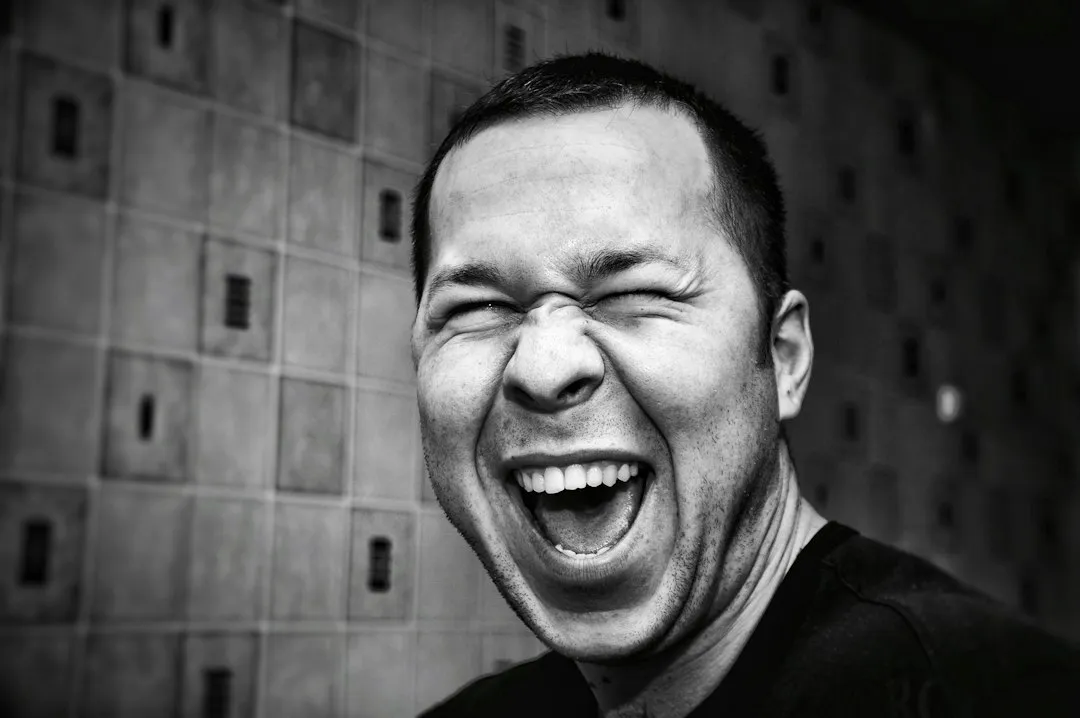
Around 30 to 40 percent of adults report crying during intense laughter at least occasionally. So if you’ve ever wiped tears from your eyes mid-laugh and wondered whether something was wrong with you, the answer is a firm no. It’s one of the more universal quirks of being human.
Robert Provine’s research at the University of Maryland documented this phenomenon extensively, helping establish it as a recognizable and widespread physiological event rather than a rare anomaly. The experience is so common, in fact, that most people never think to question it.
The Hypothalamus Gets Overwhelmed
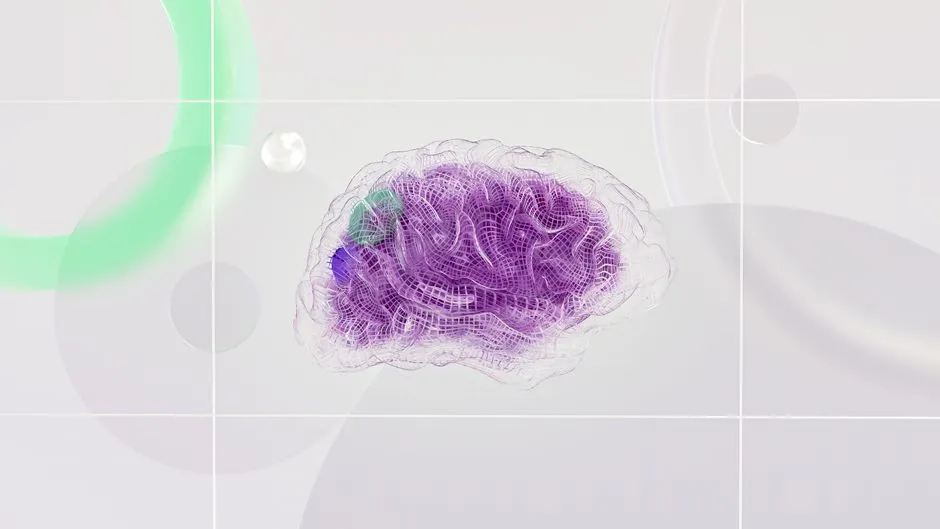
The brain’s hypothalamus acts as the control center for emotional responses. During a cry laugh, the hypothalamus gets overwhelmed with signals, leading to a crossover of emotional outputs. This explains why people often cry when laughing too hard – both emotions share a similar neural pathway.
The hypothalamus acts as the command center for these emotional signals. When the brain is flooded with “happy” chemicals like dopamine or endorphins, the hypothalamus may trigger a parasympathetic response to prevent a system overload. Think of it less as a glitch and more as the brain pulling the emergency brake before things get too intense.
Dimorphous Expressions: The Science Has a Name for This

Yale University psychologist Dr. Oriana R. Aragón led a research study that evaluated why we experience certain physical reactions to emotional situations. Her team defined these seemingly inappropriate responses, like crying while laughing or nervous laughter, as “dimorphous expressions.”
A study published in Psychological Science reports that opposing emotional reactions to a single event, like crying at a wedding or wanting to pinch the cheeks of an adorable baby, help keep the body in balance. These dimorphous expressions may be counterintuitive, but they’re an essential part of processing certain events.
Aragón and her fellow researchers from Yale University used online survey responses to track participants’ reactions to stimuli, discovering that behavior like crying at a wedding isn’t specific to the event. Instead, it’s an expression of the body’s general desire to remain emotionally balanced.
Your Face Muscles Are Physically Squeezing Out Tears

Strong laughter can trigger physical reactions that contribute to tear production. When a person laughs vigorously, the muscles around the face and eyes, particularly the orbicularis oculi, contract intensely. These contractions can put pressure on the lacrimal glands, which produce tears, causing fluid release.
Forceful facial muscle contractions during a belly laugh can physically squeeze the lacrimal glands, forcing tears to escape. Because the lacrimal glands are located just above the outer corner of each eye, the squinting and rhythmic shaking associated with laughter can literally squeeze the tears out before the brain even processes an emotional need for them.
Reflex Tears vs. Emotional Tears: They’re Not the Same Thing

Laughter can produce tears due to the pressure put on our tear ducts from the shaking that occurs during fits of laughter. These are referred to as reflex tears, which are triggered by environmental or physical factors and are different from emotional tears. Emotional tears actually have a completely different makeup, researchers say, and often contain more hormones.
William Frey’s research showed that emotional sadness tears contain higher concentrations of stress-related proteins, prolactin, ACTH, and endogenous opioids like leucine-enkephalin. So when tears arrive during a laughing fit, the type of tear you produce may actually tell scientists something about what your nervous system is doing at that moment.
The Nervous System Is Hitting the Reset Button

Tears serve as a physiological brake that helps the body recover from the high-arousal state of intense laughter, bringing heart rates and cortisol levels back to baseline. The chemical surge produced during deep laughter can stimulate the lacrimal glands to produce tears that actually contain stress-reducing neurotransmitters.
The parasympathetic nervous system, which controls involuntary bodily functions such as tear production, is also activated during intense laughter. This activation can stimulate the lacrimal glands to produce tears. It’s the body doing what it was designed to do: regulate, balance, and recover.
Research using facial electromyography and autonomic nervous system recordings, measuring heart rate and skin conductance, confirms this: dimorphous expressions are followed by measurable drops in physiological arousal, supporting the regulation hypothesis.
Your Brain’s Limbic System Is at the Center of It All

Research using neuroimaging has shown it recruits a distributed network: the supplementary motor cortex coordinates the physical act of laughing, the limbic system, particularly the amygdala and hippocampus, generates the emotional charge behind it, and the brainstem handles the involuntary vocalization.
The brain plays a significant role in linking laughter, emotion, and tear production through neurological connections. The limbic system, a network of brain structures involved in emotion, motivation, and memory, is highly active during strong emotional experiences, including intense laughter.
The brain does not always differentiate between intense positive and negative emotional arousal in its physiological output, leading to similar physical responses, like tears, regardless of the emotion’s valence. Joy and distress, at their extremes, can look remarkably similar to your nervous system.
Laughter and Crying Share the Same Machinery

Laughing and crying involve the same facial, vocal, and respiratory musculature; are controlled by the same faciorespiratory nuclei in the medulla; and have similar visceral components, such as dilation of facial vessels and secretion of tears. From an engineering perspective, they’re essentially running on the same hardware.
The limbic system controls many functions relating to emotions, including the responses of both laughing and crying. Because the neural pathways that trigger laughing and crying are so closely related, it’s possible that a really strong laugh confuses your brain about what emotion you are feeling and triggers crying.
It Can Also Be a Sign of a Deeper Condition
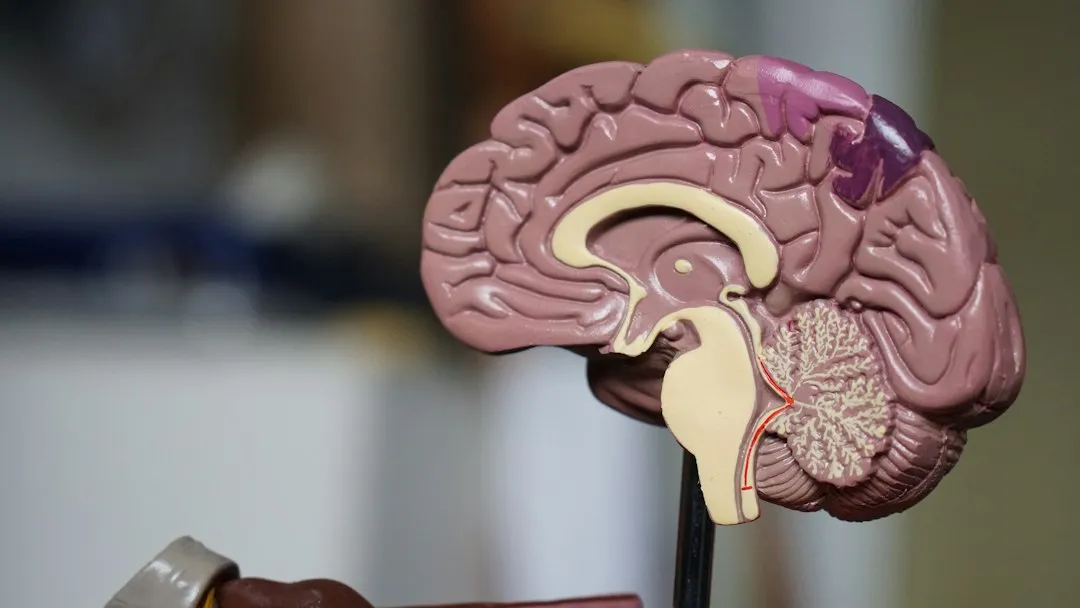
When crying and laughing blur together involuntarily and without emotional cause, it can sometimes indicate a neurological condition. Pseudobulbar affect, or PBA, is characterized by recurrent episodes of involuntary changes in emotional expression incongruent with the social context. The episodes occur suddenly and with varying degrees of severity, typically presenting as pathological laughter and/or crying.
According to the PBA Registry Series, the prevalence of PBA symptoms in patients with specific neurological conditions is notable: in Alzheimer’s disease it’s roughly 29 percent, in ALS around 45 percent, in multiple sclerosis roughly 46 percent, in Parkinson’s disease around 26 percent, in stroke about 38 percent, and in traumatic brain injury approximately 52 percent.
Pseudobulbar affect is due to damage of pathways that arise in the motor areas of the cerebral cortex and descend to the brainstem to inhibit the center for laughter and crying. This is a clinically distinct condition, very different from the ordinary, healthy experience of laughing until you cry.
Crying During Laughter Is Actually a Sign of Good Emotional Health

Crying when laughing is a perfectly healthy indicator of a highly functional emotional regulation system. This physiological phenomenon, known as a dimorphous expression, suggests that your brain is effectively working to restore emotional equilibrium during peaks of intensity.
Research links the tendency to cry while laughing to higher empathy and emotional expressiveness, not poor emotional control. So in a quiet but meaningful sense, it reflects sensitivity, not weakness.
Tears act as an emotional release valve, helping the body manage powerful feelings. This regulatory function suggests crying during laughter is not a sign of sadness, but a way for the body to process and return to a balanced emotional state after an extreme high.
The Takeaway

The next time you find yourself crying mid-laugh, the least poetic explanation is probably the most accurate: your brain is doing its job. It’s managing an overflow of sensation, balancing competing signals, and trying to bring you back to baseline with whatever tools it has available. Tears are one of them.
What’s remarkable is how much complexity sits beneath something that feels so simple and spontaneous. A shared laugh that ends in tears isn’t a contradiction. According to the science, it might just be the most honest thing your nervous system knows how to do.
AI Disclaimer: This article was created with the assistance of AI tools and reviewed by a human editor.