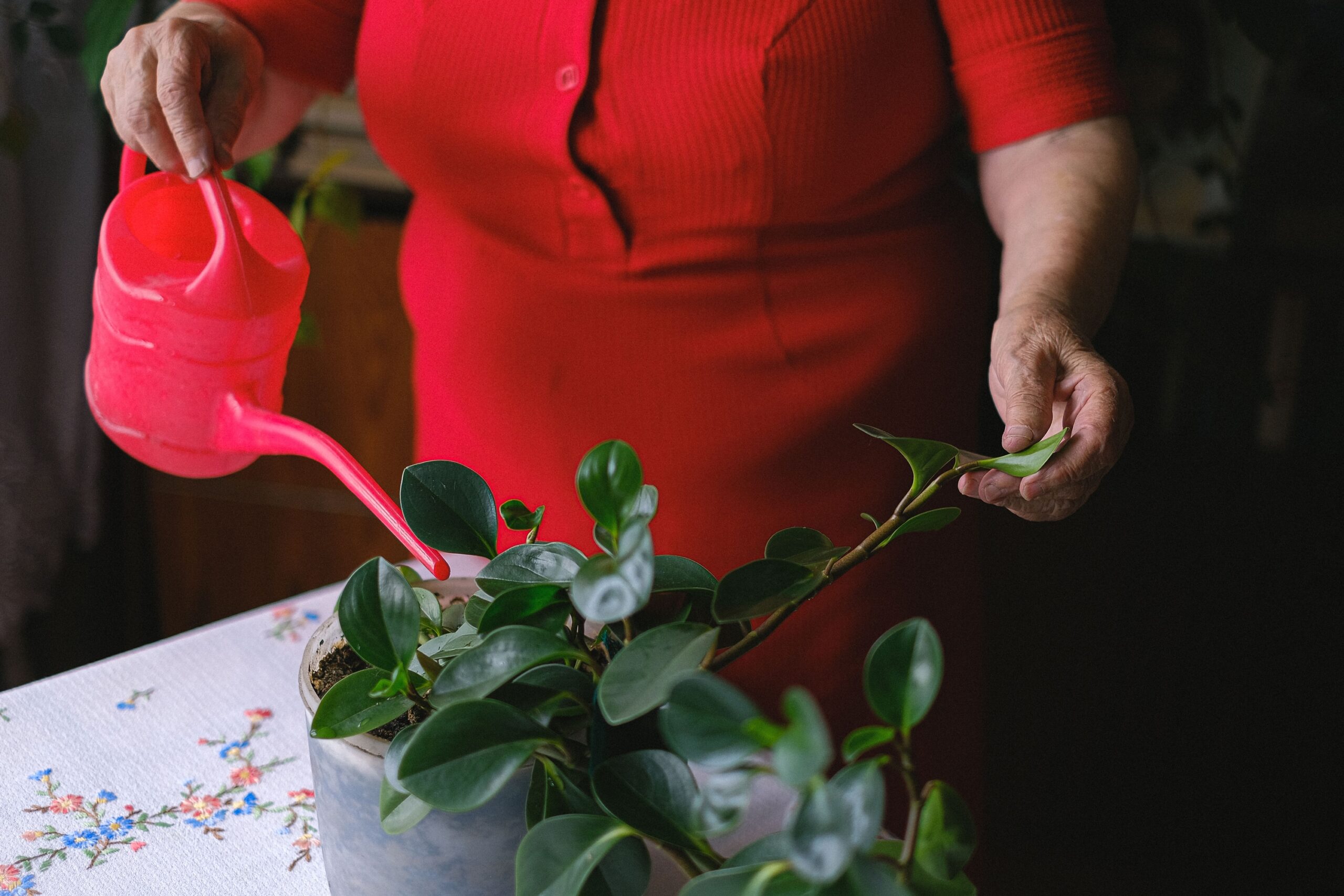

Most people don’t think twice about how they water their houseplants. You fill up a cup, pour it somewhere in the general direction of the soil, and move on. Simple enough. Except the specific habits you’ve developed around that small act, whether you water daily or once a fortnight, whether you use a schedule or go by feel, whether you drown your plants in love or forget them entirely, turn out to reveal a surprising amount about how you think, cope, and move through the world.
Plant care has quietly become a lens for understanding human behavior, and researchers are paying closer attention to it than you might expect. The science is real, the patterns are consistent, and what your watering can tells you about yourself is worth a closer look.
1. The Overwaterer: You’re a Caregiver Who Struggles to Step Back
Overwatering is the single biggest unintentional killer among plant owners, with more than half of plant owners admitting to it in surveys. Excess water depletes oxygen from the soil and encourages the growth of harmful bacteria and fungi. If you consistently overwater, there’s a good chance your impulse to care tips into anxious overattention.
Watering can feel like a form of control. The problem is that overwatering triggers root rot, fungal outbreaks, and plant decline, creating a cycle where stress leads to overcare, which leads to plant distress, which then increases caregiver anxiety. It’s the same dynamic that shows up when people smother relationships or micromanage colleagues.
2. The Underwatered: You’re Stretched Thin and Running on Empty
Roughly half of houseplant owners admit they’ve forgotten to water their plants, failing the bare minimum of care. Forgetting isn’t laziness for most people. It’s usually a sign of a cognitive load problem. When the brain is overloaded, it defaults to omission: watering gets postponed, then forgotten entirely.
The most common reason for houseplant death overall is neglect or improper watering. If your plants regularly go bone-dry before you notice, you’re probably someone operating in reactive mode, attending to whatever is loudest rather than what matters quietly. Plants don’t make noise, so they lose.
3. The Schedule Keeper: You Crave Predictability and Structure
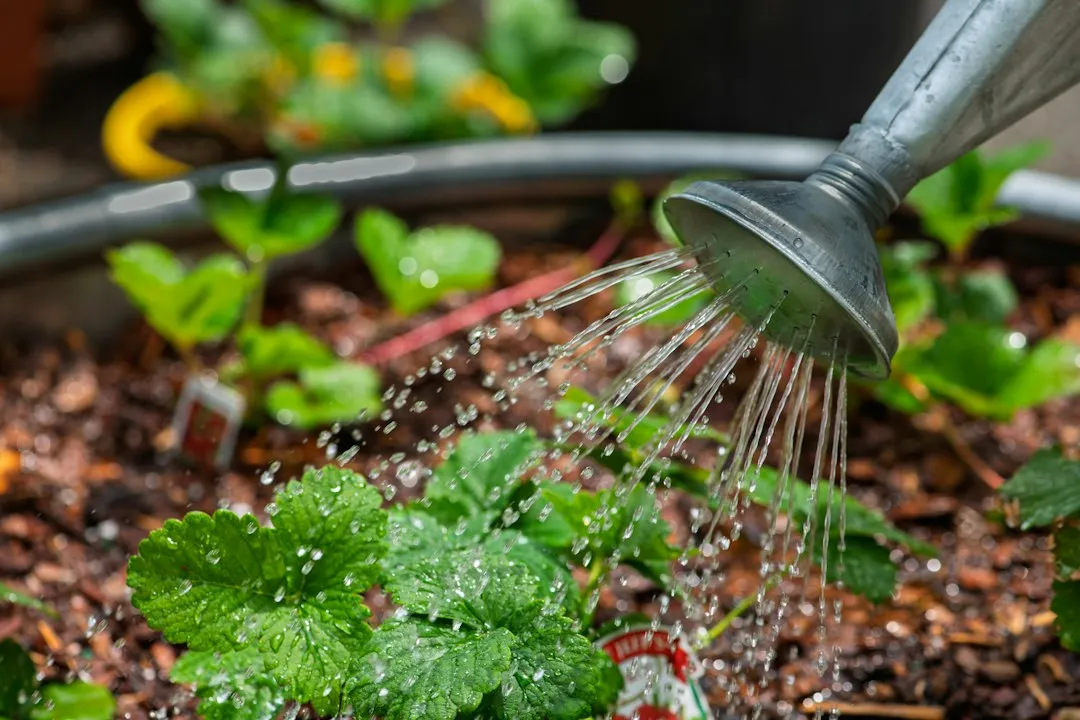
Overwatering is the single leading cause of indoor plant death, largely because people water on a fixed schedule instead of checking the soil, a habit that causes root rot. Watering every Monday morning no matter what sounds organized. In practice, it ignores the fact that plants have needs that shift with the season, temperature, and light.
The single most common houseplant mistake is watering on a rigid, too-frequent schedule when most plants would rather dry out first. Nearly two thirds of catalogued plant species need watering once a week or less, and the median houseplant wants water every seven days. Schedule keepers mean well. They just sometimes confuse consistency with attentiveness.
4. The Soil-Checker: You’re Practical, Curious, and Actually Good at This
The person who sticks a finger into the soil before reaching for the watering can is someone who checks before acting. It’s a small but meaningful habit. It suggests a preference for evidence over assumption, and a genuine interest in understanding what something actually needs rather than projecting what you think it needs.
A 2026 data study that parsed watering guidance for more than 8,000 plant species found that the data explains why overwatering, not neglect, is the mistake that kills most houseplants. Soil-checkers sidestep this entirely. That instinct to verify before acting tends to show up in other areas of their lives too: they read the instructions, they ask the follow-up question, they pause before replying.
5. The Stress-Waterer: You Use Rituals to Self-Regulate
A PlantIn survey of more than 1,100 users found that plant care is a powerful form of therapy, with roughly four in five participants reporting less stress and greater mindfulness, especially while watering and watching plants grow. Some people reach for their plants specifically when they feel anxious or overwhelmed. That’s not an accident.
Research published in BMC Psychology found that participants’ blood pressure decreased while watering indoor plants, and that watering indoor plants made individuals feel more at ease, less stressed, and happier. Routine watering can trigger relaxation responses including slower breathing, reduced muscle tension, and a quieting of the mind. If watering is your go-to when things feel chaotic, you’ve stumbled onto something genuinely effective.
6. The Forgetter Who Feels Guilty: You Care Deeply but Struggle With Routine
Nearly half of houseplant owners feel disappointed when they accidentally kill a plant, while roughly a quarter feel nothing at all. The guilty forgetter falls firmly into the first group. They care about their plants, they just can’t seem to build the habit of regular attention.
This gap between intention and behavior is familiar in psychology. It shows up in people who genuinely value health but skip the gym, or who want to call their parents more but let weeks slide by. The plants aren’t the problem. Over half of houseplant owners do not know how to properly care for their plants, which suggests the barrier is often knowledge and structure, not indifference.
7. The Ritual Waterer: You Turn Small Tasks Into Something Meaningful

Many gardeners describe their morning watering routine or evening garden walks as cherished rituals that offer emotional grounding. These are people who have made plant care into something more than maintenance. The act of watering is slow, deliberate, and present-focused. It’s a ten-minute anchor in a day that might otherwise blur past.
The gentle, repetitive actions involved in plant care, such as watering, pruning, or checking on new growth, can act as a meditative practice, shifting focus from anxieties to the present moment. The predictability of watering plants each morning creates a comforting routine. People who protect these small rituals tend to be intentional about how they spend their time and energy more broadly.
8. The Gadget User: You Trust Systems More Than Instincts
Moisture meters, self-watering pots, app-based reminders, smart home integrations with drip systems. If your plant care relies on technology, you’re someone who prefers to remove uncertainty by measuring it. There’s nothing wrong with that. More than seven in ten plant owners prefer low-maintenance plants suitable for busy lifestyles, and gadgets are one honest way to close the gap between good intentions and scarce time.
The interesting thing about gadget-users is that they often invest more in their plants than casual owners do, just not in time. They want the plants to thrive without the relationship being too demanding. It’s a reasonable trade-off, though it does mean they may miss the stress-relief benefits that come specifically from paying attention by hand.
9. The Overanalyzer: You Research Everything and Still Feel Uncertain
Nearly half of houseplant owners cite not knowing how much water is needed as one of their top five care challenges. The overanalyzer has read every care guide, watched the YouTube videos, and still stands over the plant second-guessing themselves. They’ve internalized the information but can’t quite trust their own judgment.
Psychologically, gardening fosters mindfulness, emotional stability, and cognitive function, reducing stress, anxiety, and depression. The irony for the overanalyzer is that the very act of watering, done regularly and without overthinking it, is the thing that builds the confidence they’re looking for. By nurturing plant life, individuals partake in a tangible connection with the environment, fostering a sense of responsibility and appreciation for the natural world. The competence comes from doing, not from planning to do it perfectly.
10. The Naturalistic Waterer: You Pay Attention and Let the Plant Lead
Research highlights the substantial relaxation benefits, both mental and physical, associated with watering indoor plants, drawing on environmental psychology, horticultural therapy, and biophilia to explain the underlying psychological mechanisms. The naturalistic waterer doesn’t need a schedule or a gadget. They look at the plant, feel the soil, notice the leaves, and water when it makes sense.
Even in an urban environment, plant care brings a vital piece of the natural world directly into your life, aligning with the concept of biophilia, our innate human tendency to connect with nature and other living systems. Research shows that this kind of active engagement has measurable neurochemical benefits, increasing levels of serotonin and dopamine, neurotransmitters linked to mood improvement, reward, and stress relief. People who water this way tend to be comfortable sitting with uncertainty, reading situations rather than forcing them into a predetermined framework.
The Takeaway
None of these watering types are fixed identities, and no single habit makes you a good or bad plant parent. What’s worth noticing is that the small decisions you make around something as ordinary as keeping a plant alive tend to mirror the larger patterns in how you manage attention, cope with uncertainty, and practice consistency.
Nearly eight in ten women and over seven in ten men report a measurable drop in stress after routine plant care. The plants don’t particularly care about your personality type. They just want the right amount of water at the right time. Getting there, however, turns out to require more self-awareness than most of us expect.
AI Disclaimer: This article was created with the assistance of AI tools and reviewed by a human editor.