
The True Cost of Ownership in 2026

Car ownership has never been cheap, and 2026 brought that message home in a sharp way. According to AAA’s Your Driving Costs analysis, released in September 2026, the average annual cost to own and operate a new vehicle is $12,863, or roughly $1,072 per month. That is a meaningful jump from the year before.
In 2025, the total annual cost was estimated at $11,577, or $964.78 per month. The trend has been consistently upward over recent years. Five years ago, annual ownership costs averaged just $9,282, or less than $775 a month.
Fixed Costs Don’t Care How Much You Drive

The most useful way to understand second-car costs is to split them into two buckets: costs that scale with miles driven, and costs that do not. AAA’s 2025 Your Driving Costs study breaks down a new vehicle’s annual total into components, and once you sort them, the picture gets much clearer.
Fixed costs alone, including depreciation, finance, insurance, and registration, run $7,972 per year for an average new vehicle, according to AAA 2025 data. These bills arrive whether the car moves or not. The fewer miles a second vehicle serves, the more its fixed expenses dominate the ownership decision.
Depreciation: The Silent Drain
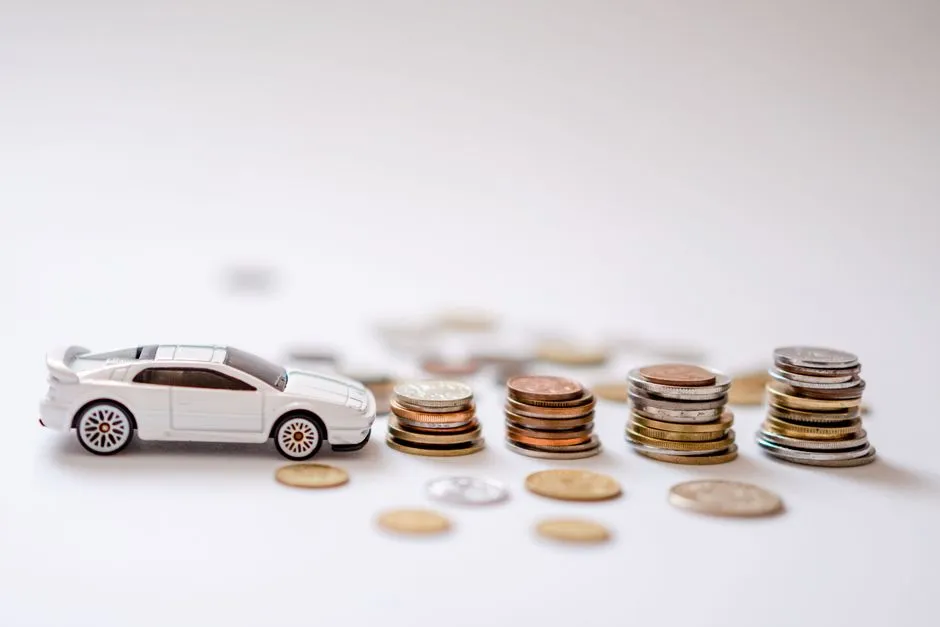
The biggest ownership cost is not gasoline or even the monthly loan payment, but vehicle depreciation. This is the cost that rarely shows up in anyone’s mental budget, yet it’s relentless.
Vehicles lose a weighted average of $4,422 per year in value, according to AAA’s 2026 analysis. For a car collecting dust in the garage, that number doesn’t shrink. Every month, an unused car gets older and its resale value drops, and potential buyers see both age and inactivity as red flags.
Insurance Premiums Keep Coming

Unless a car is officially marked as non-operational with your state DMV, most insurance companies still require that you carry at least liability coverage on it, even if the car never leaves your property. That is a cost many people overlook entirely.
The average annual premium for full-coverage insurance runs car owners $1,694, according to the 2025 AAA Your Driving Costs study. When added up, those premiums can run hundreds to over a thousand dollars every year that a car is sitting, depending on location and provider. Dropping full coverage to a minimum on a rarely used car saves something, but not everything.
Registration, Taxes, and Fees Add Up Quietly
According to AAA, the average car owner pays $813 annually for licensing, registration, and taxes to legally drive their vehicle. This is money that leaves your pocket every single year, regardless of how many trips that vehicle actually makes.
The average cost of owning a car is up roughly three percent year over year, outpacing overall inflation. State registration fees vary quite a bit by location, with some states charging significantly more than the national average. It is a line item that catches people off guard when renewal time arrives.
Maintenance Still Happens on a Parked Car
If the second car is genuinely idle, its annual mileage-based maintenance may be near zero, but its age-based maintenance is not, and the gap between those two is where most people’s estimates go wrong. Rubber seals dry out. Batteries discharge. Brake rotors develop surface rust.
Maintenance and repair costs run about 11 cents per mile in 2025, and this was actually the only cost category that climbed compared to 2024. Even at low mileage, a second car will periodically need a battery, fresh tires, or a brake service. Those bills don’t follow a schedule that matches how often you drive.
The Low-Mileage Trap
AAA’s per-mile figure can be misleading for a low-mileage second car. Drive less, and the cost per mile goes up, because the fixed layer of expenses is spread across fewer miles. That is the core paradox of keeping a car you rarely use.
A paid-off older second car typically carries roughly $1,500 to $2,500 a year in fixed costs. Low-mileage cars are, in fact, the most expensive per mile. So the less you drive it, the worse the math gets.
Transportation Is Already a Huge Household Expense
In 2024, transportation costs accounted for seventeen percent of all monthly household expenses, according to the Bureau of Labor Statistics. That makes it the second largest spending category after housing. Adding a second vehicle amplifies that share considerably.
The Bureau of Labor Statistics reports households spent an average of $13,318 on transportation in 2024, or 17.0% of total spending, second only to housing. When a barely-used second car is factored in, some households are spending far more than they realize on vehicles that sit still most of the week.
How Many Households Actually Have Two Cars?
Nearly 37% of households in the U.S. have two cars, according to data from the Census Bureau. That is a substantial portion of the country carrying a cost that many haven’t fully examined. The assumption that two cars equals two useful cars doesn’t always hold up under scrutiny.
Trouble often starts when a vehicle’s original purpose disappears. A commuter starts working from home, a teenager leaves for college, or the truck spends six days each week parked. The car remains, but the reason for it has quietly evaporated.
Alternatives That Can Reduce the Burden

Not every household needs to sell their second car outright. There are smarter middle-ground options. A 2025 analysis by The Zebra shows that insurers offer usage-based or pay-per-mile policies that can reduce insurance costs by 20% to 50%, and for a second car driven around 3,000 miles a year, switching could save $150 to $300 annually.
AAA’s cost calculation considers depreciation, finance charges, insurance, registration, maintenance, repairs, and tires alongside fuel, and that broader view matters, because eliminating a second vehicle can affect several spending categories at once while also shifting some costs toward alternative transportation. Rideshare, car rentals, and public transit can cover occasional gaps for far less than a full year of ownership costs.
The Takeaway
A second car that rarely moves is not a free asset. It is a recurring expense dressed up in sheet metal, sitting quietly in your driveway. Gas, insurance, maintenance, and registration all add up, and the cost can sting even more when a car is mostly just sitting there.
The question worth asking isn’t simply whether you can afford to keep it. It’s whether the cost is proportionate to the actual use you’re getting. The distinction matters most for households that describe a second vehicle as “basically free” because the loan disappeared years ago. A paid-off car can still consume insurance premiums, registration fees, tires, batteries, and repair money. The car being paid off just means you’ve stopped noticing the ongoing bill, not that it has stopped arriving.
AI Disclaimer: This article was created with the assistance of AI tools and reviewed by a human editor.