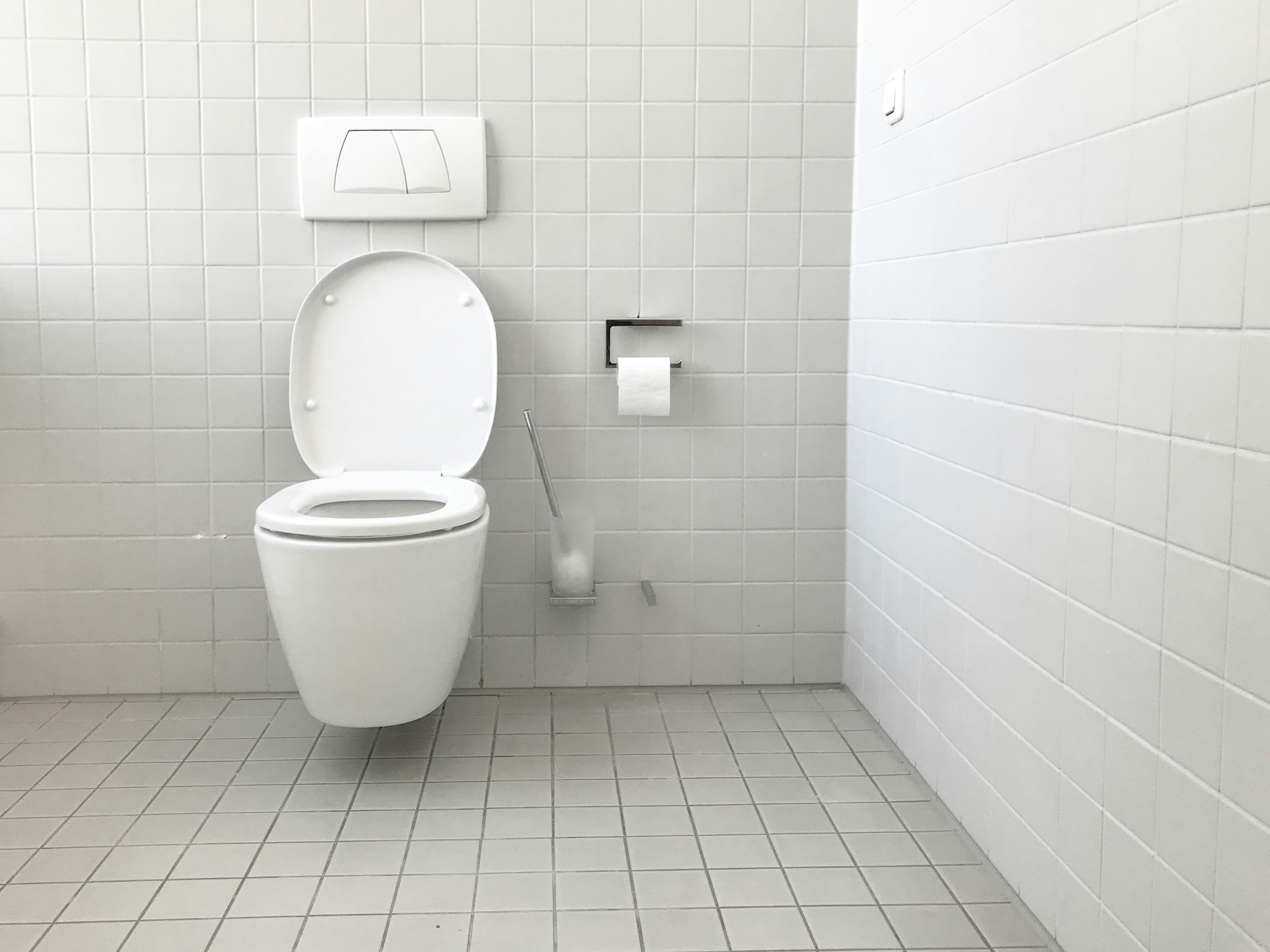

They Have an Official Nickname: The Pittsburgh Potty
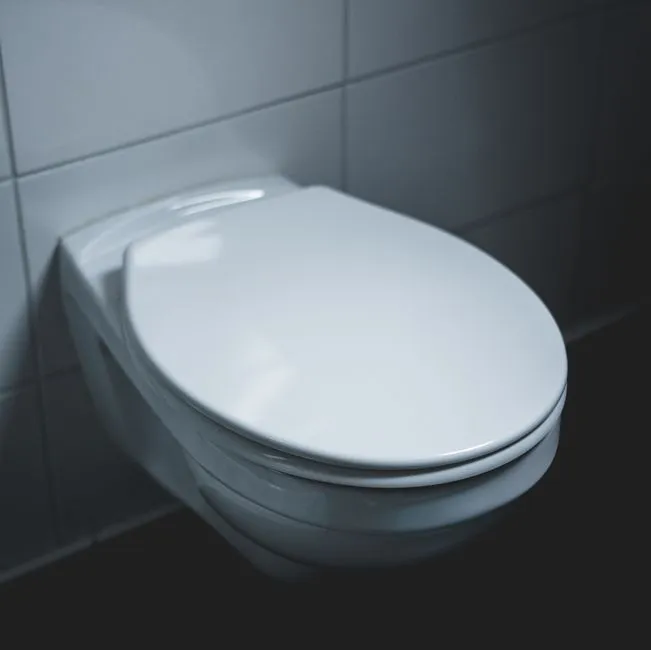
These lone toilets have a nickname: Pittsburgh potties. They are particularly common in pre-war homes from the Pittsburgh, Pennsylvania area, which is how they came to be called “Pittsburgh potties.”
Local folklore frequently links the potties to the city’s history as a steel town and ascribes them a mudroom-like role. However, the name stuck far beyond western Pennsylvania, and the fixtures themselves showed up in cities across the broader industrial Midwest and Northeast.
They Show Up in Homes Built Roughly Between 1880 and the 1940s
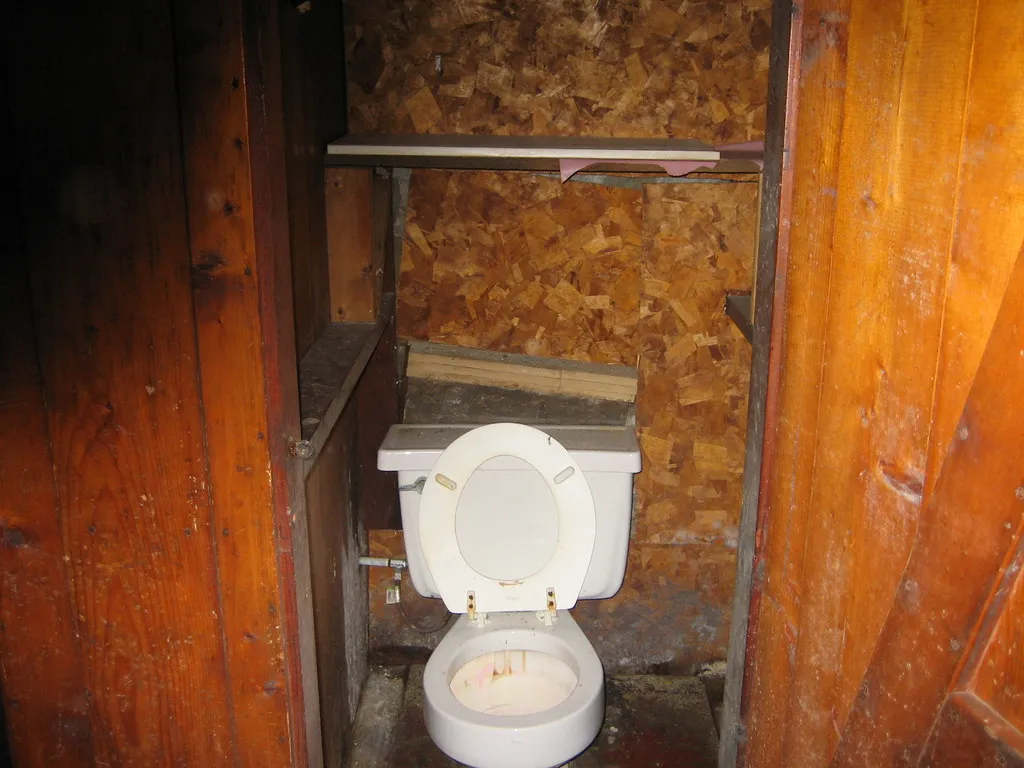
These potties tend to be in old houses built between 1880 and the 1940s, mostly between 1880 and 1920. If you live in a home built between 1880 and 1910, you might have a lone toilet in the basement, especially if your house is located in the Northern New Jersey, Pennsylvania, or New York area.
These basement toilets are not exclusive to Western Pennsylvania. They have also been discovered in older houses in Eastern Pennsylvania, New Jersey, New York, and New England. Other stories place them in homes in the neighboring states of Illinois and Minnesota, and older homes with basement toilets have been found in Wisconsin cities including La Crosse and Mount Horeb.
The Real Culprit: Early Sewer Systems Were a Mess
When these homes were built, city sewer systems were crude, unreliable, and prone to backups. City-wide, there wasn’t an effort to put in sewers until the 1870s in many cities, and even then the infrastructure was inconsistent and undersized for rapid urban growth.
City populations were growing rapidly, and the old plumbing couldn’t deal with the rapidly increasing volume of liquid. The early sewers were unpredictable and prone to problems. Sewage didn’t stay where it was supposed to, and homeowners paid the price.
The Basement Toilet Was a Safety Valve, Not a Regular Fixture
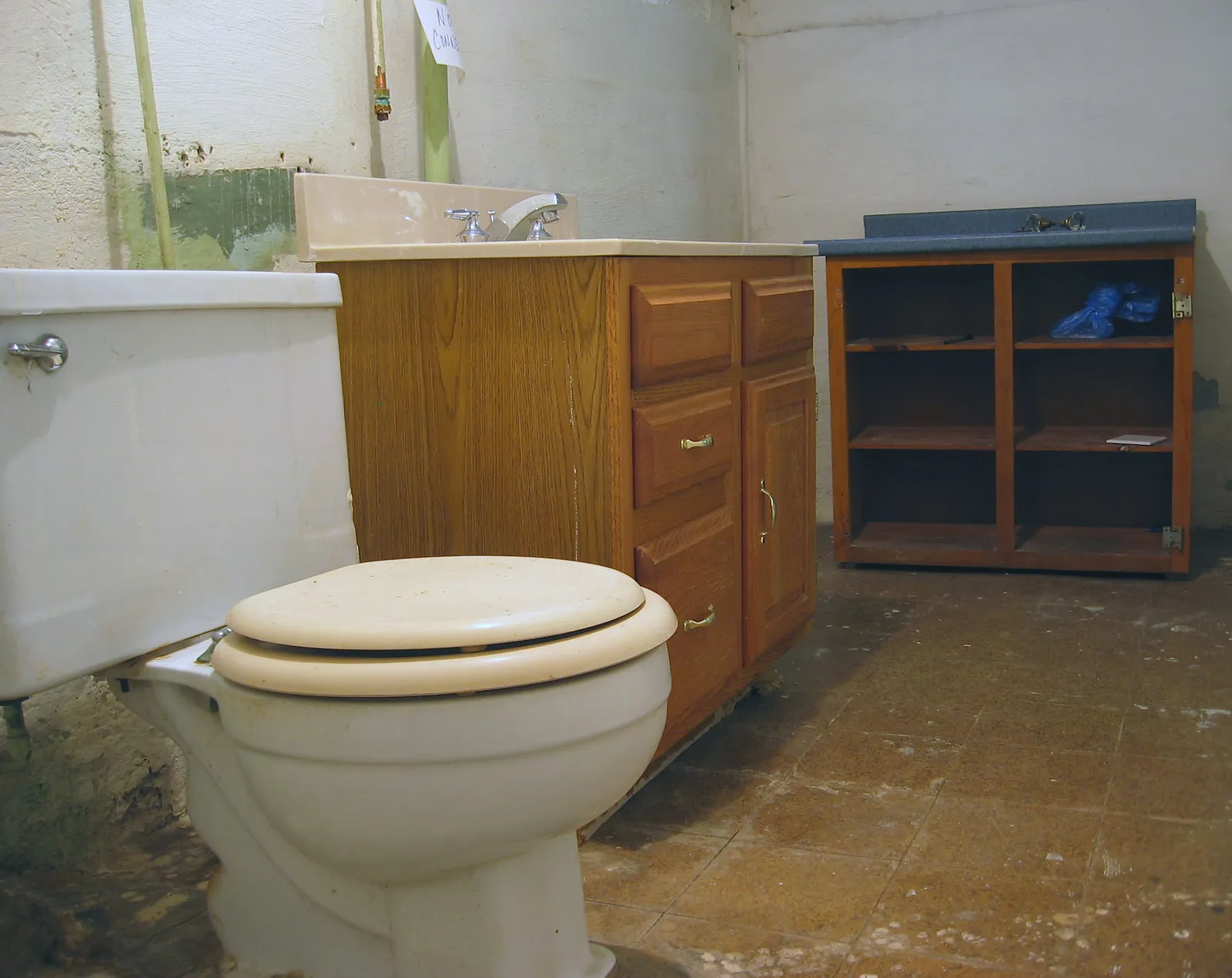
The more convincing explanation comes from architect William Martin, who has studied the plumbing systems of older homes extensively. According to Martin, the basement toilet was not primarily meant to be used at all. Instead, it served as a critical safety valve for the home’s entire plumbing system.
When backups occurred, sewage would enter homes and overflow from the fixtures lowest to the ground, so the basement toilet acted as a safety valve, placed right above the sewer line where it came in from the street. When the sewer line backed up, the overflow would come out through the basement toilet rather than the bathrooms on the first or second floor.
No Walls, No Sink – Privacy Wasn’t the Point
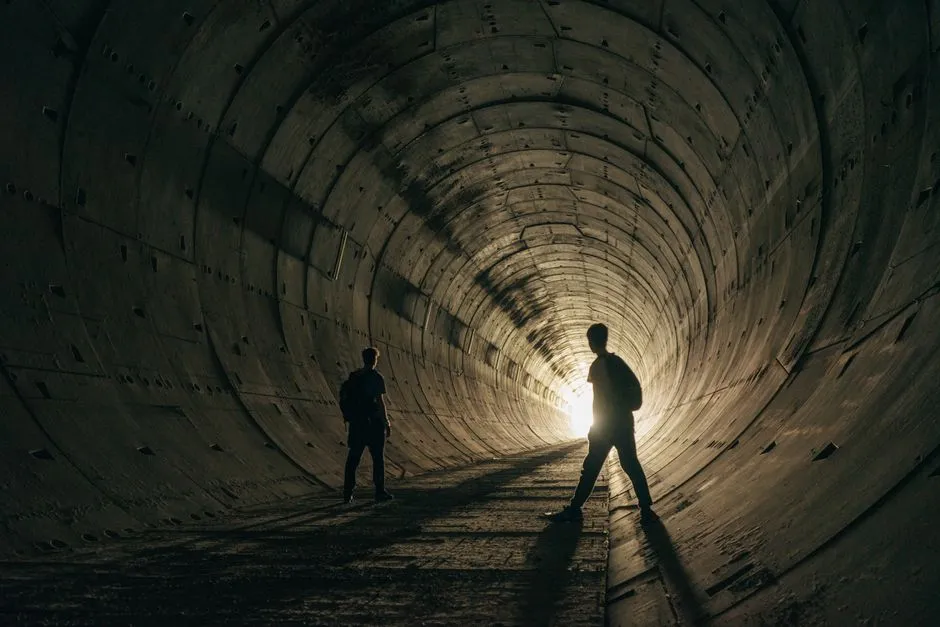
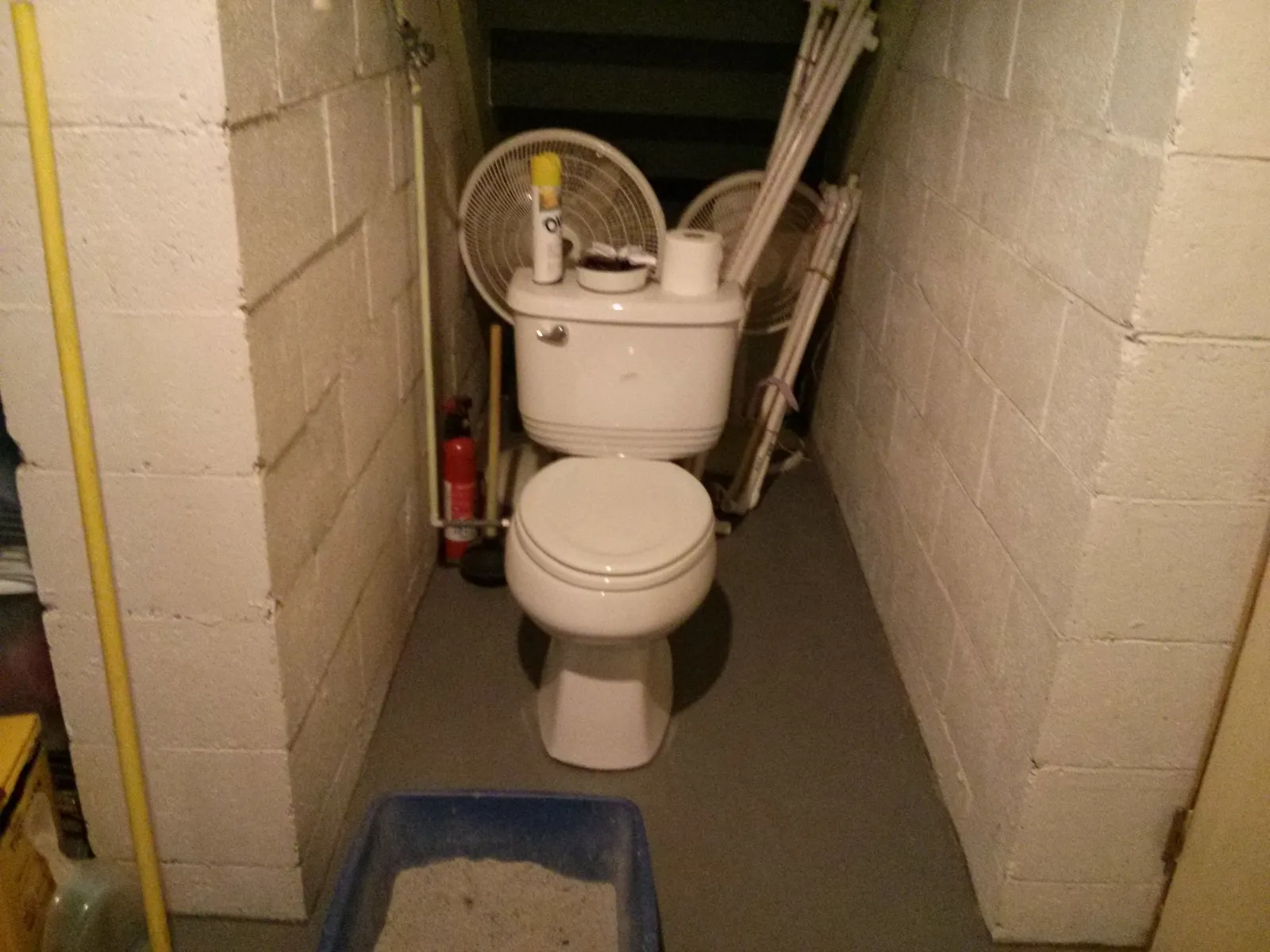
Many old houses have a lone, open toilet in the basement. It’s described as an “open” toilet because it has no walls or dividers for privacy. Some open basement toilets are in the corner, while others are right in the middle of the room.
The absence of walls explains why so many of these basement toilets are often sitting out in the open. Privacy wasn’t really a necessity. Often there wasn’t necessarily a sink with them. Sometimes it was just the toilet. If there wasn’t a sink and there was just a toilet, it was most likely there for the backup.
Steel Workers, Coal Miners, and the Decontamination Theory
Known as Pittsburgh potties, these toilets were common in older homes, especially in cities where many people worked in physically demanding jobs such as steelworking. The basement toilet provided a convenient way for them to relieve themselves and sometimes change clothes without tracking dirt and grime through the house. It was a way to keep the main floors clean and hygienic.
These houses often had separate entrances into the basement from the outside, and the idea was that workers returning home dirty from the mill could use that basement entrance to clean up before heading upstairs to the living areas. One account recalls a grandfather laying out a clean set of clothes in the basement in the morning before heading to work, and when the work day was done, he would remove his dirty clothes in the basement and change into the new ones.
The Basement Was Often the Most Affordable Place for Plumbing
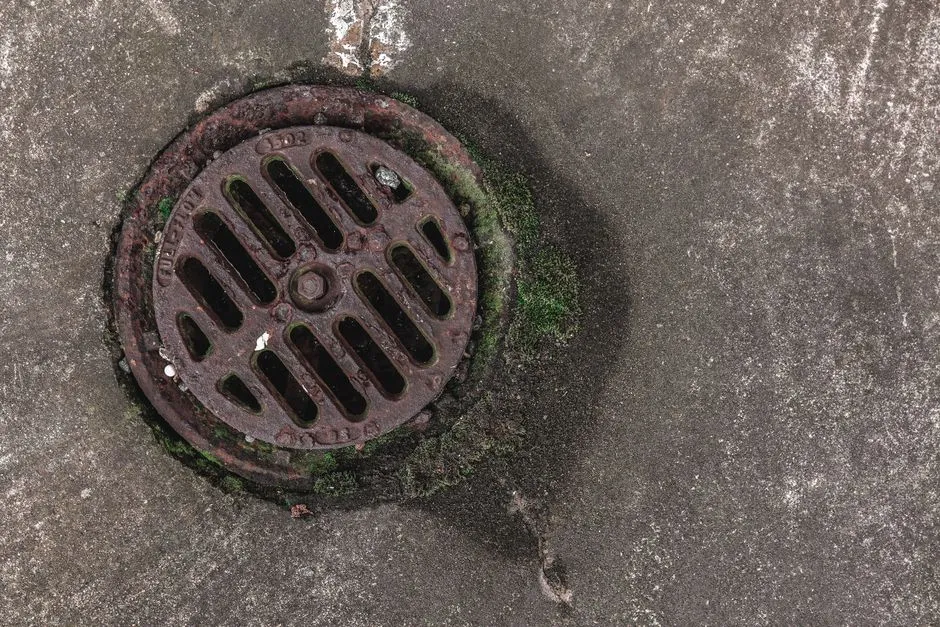
From historical sources, an isolated basement toilet was often the first toilet in the home, and based on early sewer drainage conditions, a basement was the least expensive installation and piping solution, and often a good, makeshift sanitation solution.
The toilet had only been a common fixture in American homes since the early 20th century. That’s when it went from being a feature in wealthy people’s homes to a public health necessity for everyone. For working-class families, putting a toilet in the basement was often simply the cheapest and fastest way to gain access to indoor plumbing at all.
Easier Cleanup Was a Practical Bonus
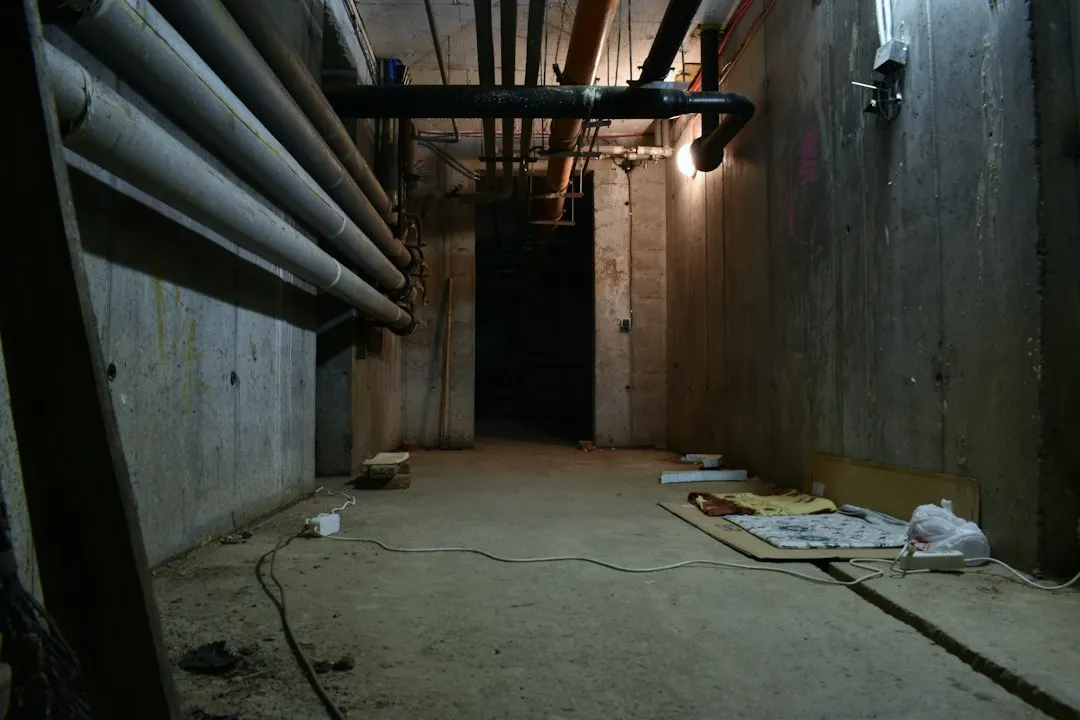
While a basement flood is never pleasant, it’s a lot easier to clean up sewage on a concrete floor in an unfinished space than it is to deal with damage in a finished bathroom with tile, drywall, and furniture. This practical logic was not lost on the builders and plumbers of the era.
Cleaning up a concrete floor in an empty basement is easier than cleaning up a nice bathroom. That’s also why refinishing one’s basement wasn’t a thing back then. Keeping the basement raw and functional was part of the same logic that put the toilet there in the first place.
The Phenomenon Extends Well Beyond Pittsburgh
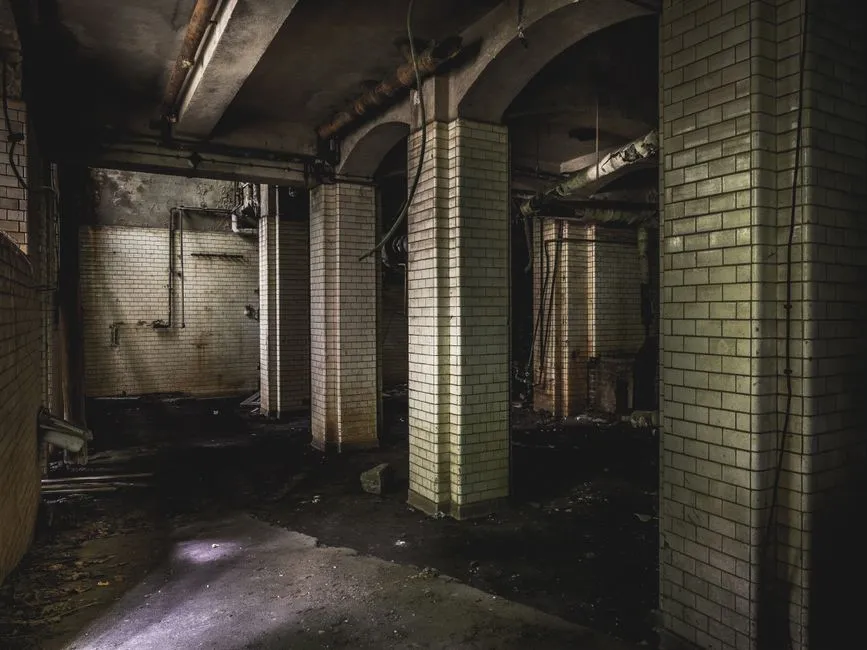
This design quirk extends to homes in cities far from Pittsburgh. You tend to find them in a lot of working-class towns, but there are older towns in Oregon where they have them as well. The common thread isn’t geography so much as the era of construction and the type of sewer infrastructure in place at the time.
In some pre-World War II working class homes, there are basement toilets that stick out like a sore thumb. Wherever rapid industrial urbanization happened before reliable municipal sewer systems were in place, the conditions that created these fixtures were essentially the same.
What Happens to These Toilets Today
Modern plumbing codes and technology have made the basement toilet unnecessary as a sewage backup solution. Plumbing has come a long way since then. As a result, many old basements that once housed a Pittsburgh potty have been remodeled and refinished, with the seemingly useless toilet removed or replaced with a more practical fixture.
The random toilet in the basement of an older home is not a mistake or a mystery. It is a piece of living history that reflects the challenges of early 20th century urban life. Some homeowners keep them out of curiosity or nostalgia, while others convert the space into a proper bathroom during renovations.
The Takeaway
AI Disclaimer: This article was created with the assistance of AI tools and reviewed by a human editor.