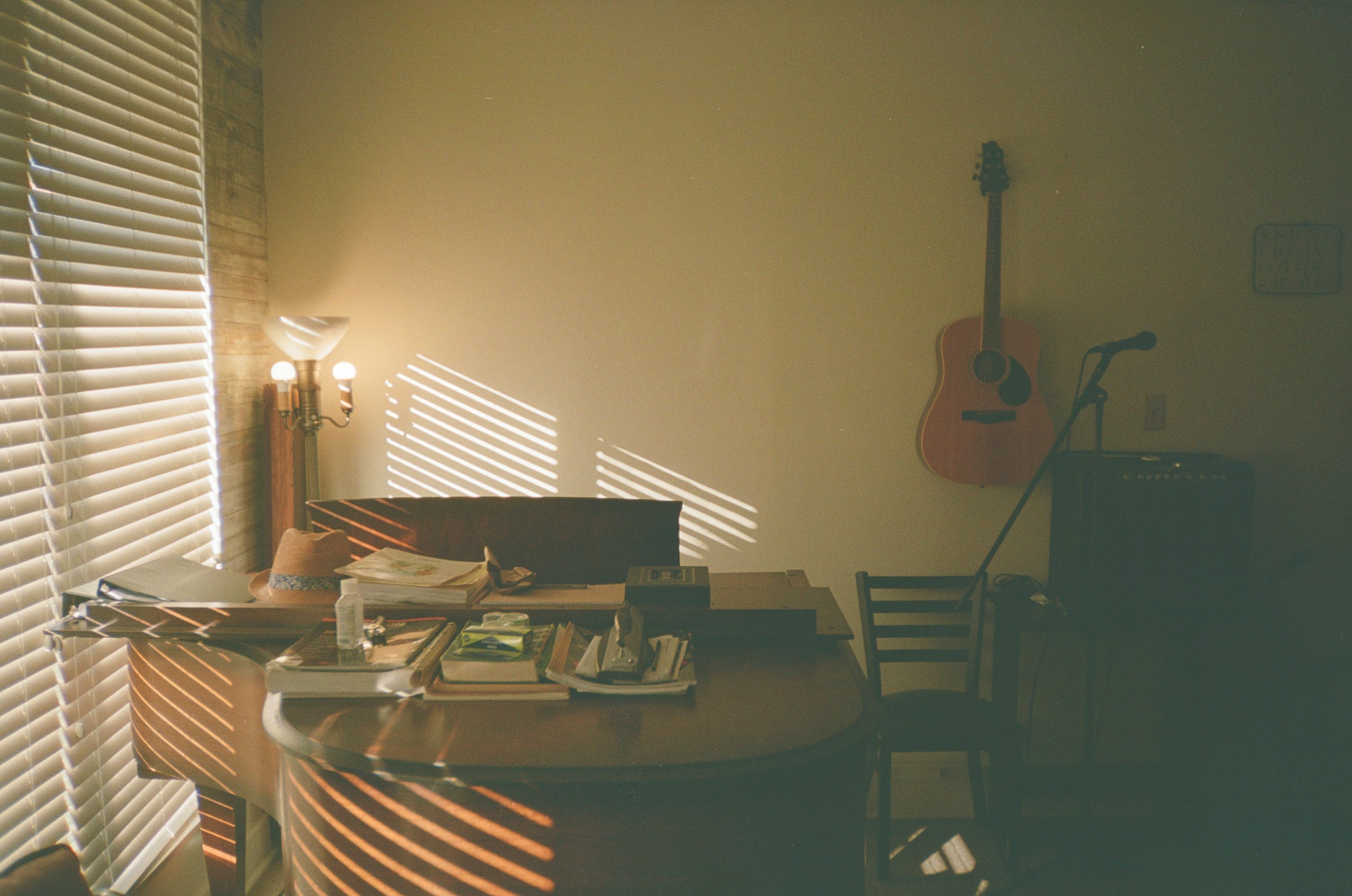

Walk into an empty apartment before the furniture arrives and the sound hits you immediately. Your voice bounces around the walls, every footstep rings out, and conversation feels oddly tiring. It’s not your imagination. The room has genuinely changed how sound behaves, and there’s a clear physical reason for it.
What most people don’t realize is that the echo problem in everyday homes, offices, and open-plan spaces is both well understood and surprisingly fixable. Designers have been quietly solving it for years using methods that are as much about aesthetics as they are about acoustics.
Sound Needs Something to Hit

To create an echo, sound waves need to travel from their source, hit a hard, flat, and smooth surface like a concrete wall, and bounce back to your ears. That’s the basic physics at work. Sound waves travel through space and, in the case of indoor spaces, eventually encounter surfaces. When they strike hard, reflective surfaces, they bounce back into the room, contributing to audio issues like echo and reverberation.
These reflections can arrive at your ears at slightly different times. The first sound you hear may be the direct sound from the source, and then a tiny moment later you hear reflected sound from walls and ceilings. If those reflections are strong and delayed enough, you hear an echo, a repeat of the sound. In a large, bare room, that delay is exactly what makes the space feel so acoustically harsh.
Hard Surfaces Are the Main Culprit
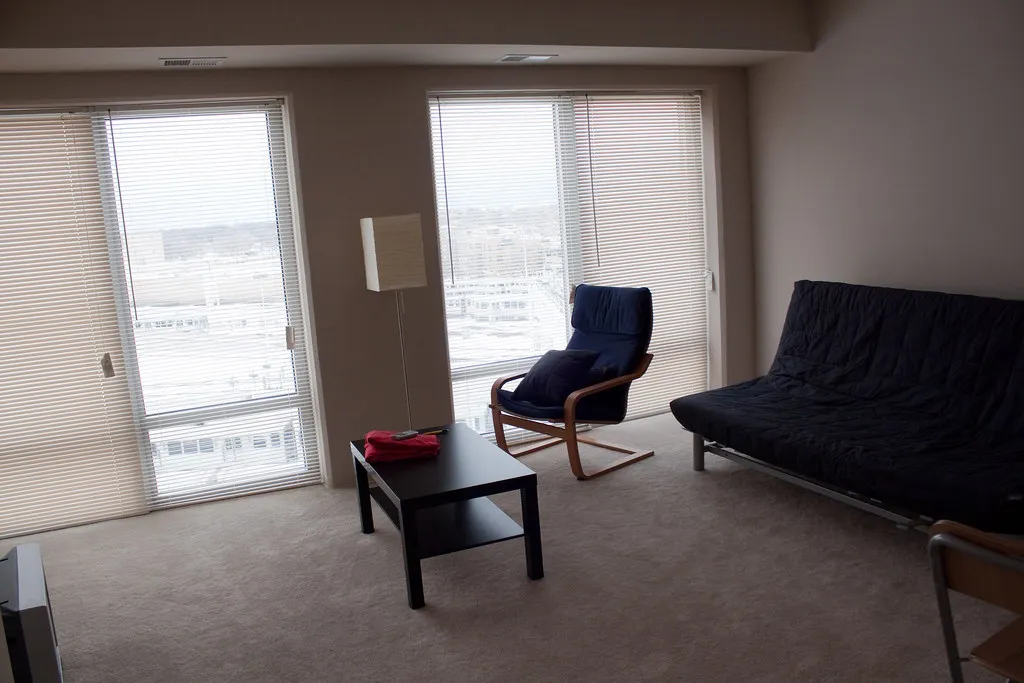
Plaster, concrete, glass, and tile are the enemies of good acoustics. These materials share one important characteristic: they reflect sound energy back into the room rather than absorbing it. Hard surfaces like tile, glass, and bare walls reflect sound strongly, which can create echoes and a bright, lively sound.
Modern interior design trends have made this worse in some ways. Open floor plans, polished concrete floors, floor-to-ceiling glass, and minimal furniture all look clean and contemporary. They also create ideal conditions for echo. Rooms with hard, empty surfaces reflect more sound, making them feel louder and more echoey.
Room Shape Matters More Than You’d Think
Rectangular rooms are more prone to focusing sound waves, leading to stronger echoes and resonances. The shape and size of a room can have a profound influence on its acoustics. Two parallel walls, like those in a typical bedroom or corridor, essentially bounce sound back and forth between them in rapid succession.
Flutter echo, a rapid, metallic repetition, may be audible between parallel hard walls. This is the specific phenomenon that makes clapping in an empty tiled bathroom sound like a quick ripple rather than a single clean sound. Larger rooms tend to have longer reverberation times, while smaller rooms have shorter ones. Rectangular rooms are more prone to standing waves and echoes, while irregularly shaped rooms can help disperse sound waves more evenly.
The Science Has a Number: RT60

Reverberation time, also known as RT60, is the measure of how long it takes sound to decay in a room after the source stops. In simple terms, it’s how long an echo “hangs around.” When reverberation time is too high, sound bounces around a space, creating echo, muddled speech, and an uncomfortable environment.
Room echo is caused by insufficient acoustic absorption, specifically when RT60 exceeds 0.8 seconds in a space designed for speech. Acoustic designers and architects use this measurement as their primary diagnostic tool. A long reverb time results in excessive echo and poor speech intelligibility, while a short RT60 creates clearer, more intelligible sound. Architects and acoustic consultants rely on this value to tune environments ranging from classrooms and offices to recording studios and gymnasiums.
Different Rooms Need Different Targets

Speech spaces such as classrooms, offices, and courtrooms belong in the 0.4 to 1.0 second range, while music spaces climb from 1.0 seconds for amplified music to over 2 seconds for unamplified orchestra. There’s no universal “right” number. The purpose of the room determines the target. A room with an RT60 of 0.5 seconds sounds natural and clear, which is ideal for meeting rooms and living rooms.
Open offices with exposed ceilings and hard finishes routinely measure between 0.9 and 1.2 seconds RT60 when untreated, well above the 0.4 to 0.6 second target. That gap is exactly why so many open-plan offices feel noisy and tiring even when noise levels are technically modest. The WELL Building Standard v2 sets a target of RT60 no greater than 0.5 seconds in open offices, 0.6 seconds in classrooms, and 0.7 seconds in conference rooms.
Soft Furnishings Do Real Acoustic Work

In rooms with carpeted floors or area rugs, you hear a lot less echo. The same goes for walk-in closets full of clothes. This is because fabric is excellent at absorbing sound. This is something most people sense intuitively, even without knowing the physics behind it.
To reduce echo in a room, add soft, porous surfaces where sound bounces the most. A rug on hard floors, heavy curtains over windows, upholstered furniture, and acoustic panels on the walls and ceiling all take reflected energy out of the room. These are the kinds of choices that good interior designers make almost automatically, often without framing them as acoustic decisions at all.
The Designer’s Go-To Fix: Acoustic Panels

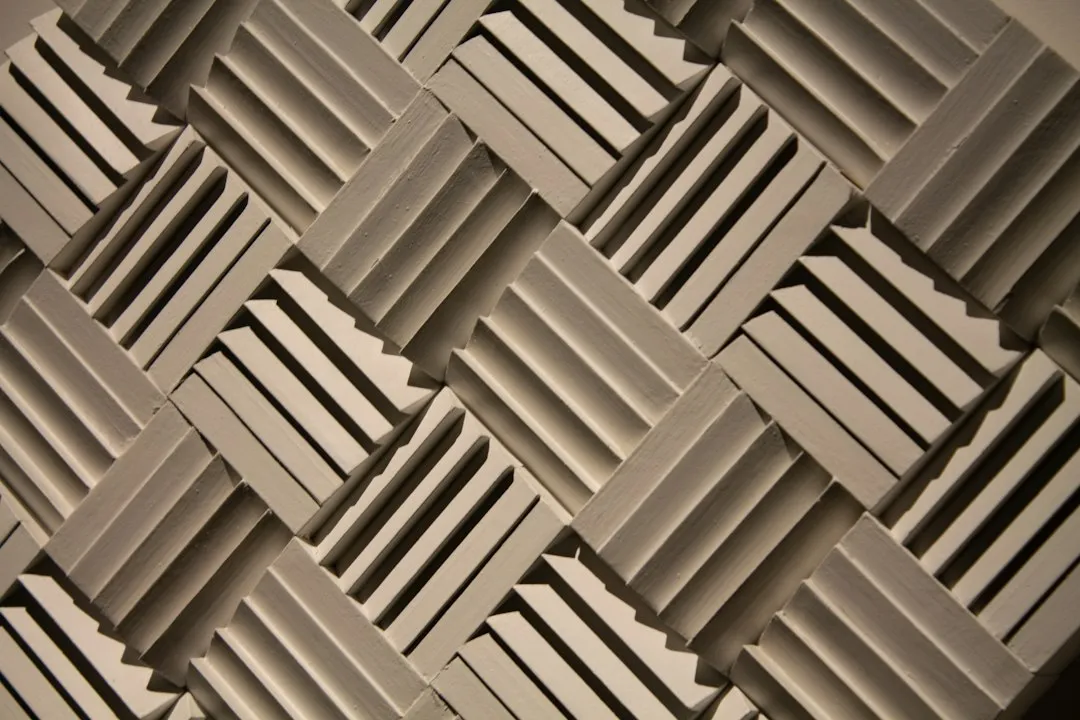
Acoustic wall panels are interior sound-absorbing treatments that reduce echo, shorten reverberation time, and improve speech clarity within a room. They’ve been around for decades in studios and auditoriums, but they’ve evolved considerably. Today’s versions are designed to pass as décor rather than technical equipment. Wood slat acoustic panels with high-density felt backing are among the best choices for domestic echo reduction. They provide effective broadband sound absorption in the speech frequency range while looking like an intentional interior design feature.
Most panels are constructed with a wooden frame, filled with sound-absorption material such as mineral wool, fiberglass, cellulose, or open-cell foam, and wrapped with fabric. The material combination determines how effectively a panel handles different frequencies. Typical fabric-wrapped fiberglass panels with a 50mm core achieve Noise Reduction Coefficient values between 0.80 and 1.00, depending on the core density, thickness, and mounting method.
Coverage: How Much Is Enough?
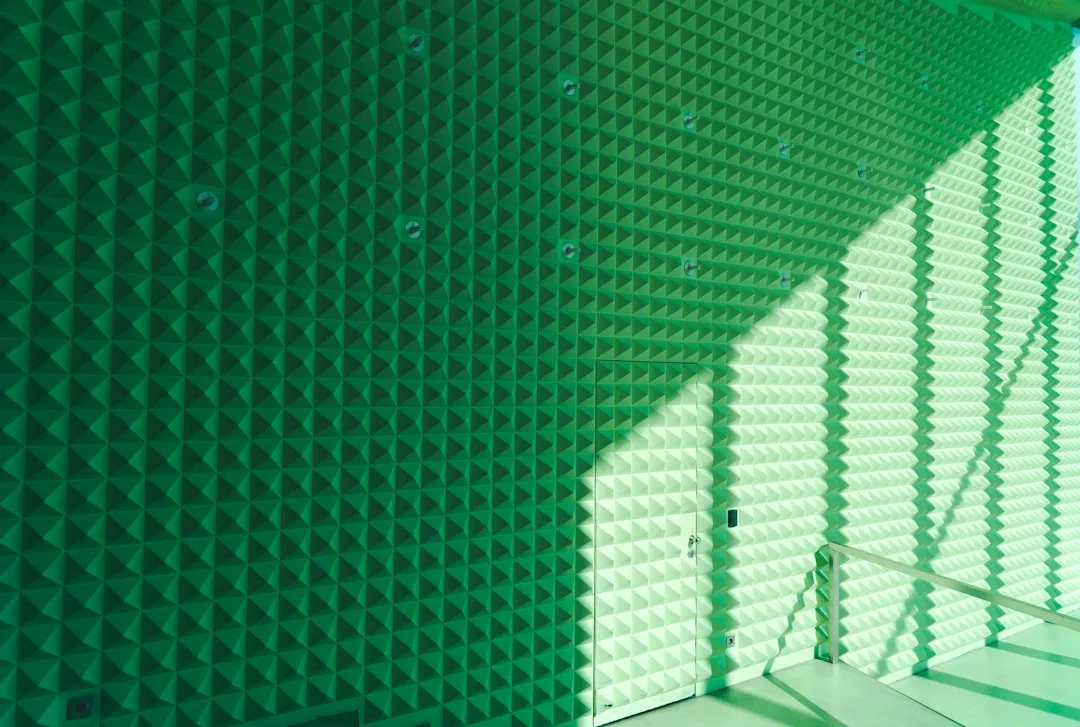
Placement matters as much as quantity. To reduce echo effectively, the approach is to identify primary reflection points, fix panels at ear height on at least two opposing walls, and aim for 20 to 30 percent wall coverage. Random placement of a few panels rarely solves the problem fully. Below 15 percent wall coverage you will notice improvement, but flutter echo persists.
In a 20 square meter room, 2 to 4 square meters of acoustic panels would be sufficient to noticeably reduce echo and reverberation. That’s not a huge commitment. Most homeowners find that a single wall of acoustic slat panels resolves the most noticeable echo problems in a domestic room. Starting with the wall that faces the main listening position is usually the most efficient first step.
Diffusion: The Underrated Companion to Absorption

Diffusion is like a bunch of smaller reflections. Scattering sound around a room with diffusers makes the sound fill a room more effectively, so you hear every sound of the spectrum clearly and fully without echo. Where absorption removes energy, diffusion redirects it. Used together, they give a room a natural, balanced feel rather than the deadened quality of a space that’s been over-treated.
The irregular shapes of objects also act as diffusers, scattering remaining sound in many different directions so it never gathers enough strength to return as a clear echo. This is why a bookshelf filled with unevenly sized books genuinely helps room acoustics. It’s not a design myth. The irregular surface breaks up parallel reflections in exactly the way a purpose-built diffuser panel would.
The Empty House Effect, Explained
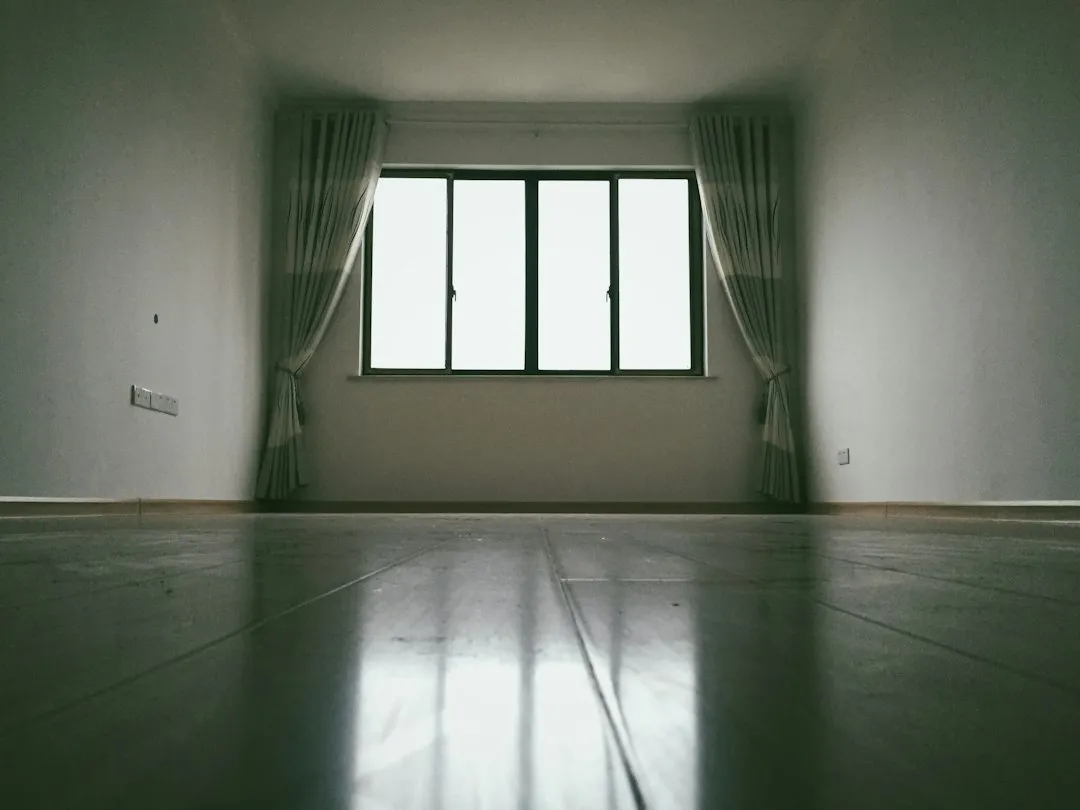
The reason you can’t hear much echo in a room full of people is actually pure physics. It’s the same reason a recording studio has foam on the walls, or why an empty house feels much louder than a furnished one. Every piece of furniture, every curtain, every rug adds absorption to the equation. When you move out, you’re stripping all that treatment away at once.
The main reasons some rooms echo more than others are the reflectivity of the surfaces, the geometry of the room, and the amount of sound-absorbing furnishings. Rooms with hard, reflective surfaces, rectangular shapes, and minimal soft furnishings tend to have more pronounced echoes. Understanding that combination makes it possible to address echo strategically rather than just piling in more stuff and hoping for the best.
The Takeaway

Echo isn’t a flaw in a room’s construction. It’s a predictable consequence of physics, one that follows clear rules and responds to clear solutions. The surfaces you choose, the furniture you add, and the panels you place all shift the acoustic balance in measurable ways.
What makes the designer’s approach effective is that it treats acoustics as part of the design process rather than an afterthought. Acoustic panels improve both sound and thermal comfort, aligning with interior design trends that balance aesthetics and functionality. Textured materials, slatted surfaces, and modular designs not only reduce reverberation and echo but also enhance the overall ambiance. The fix and the aesthetic end up working in the same direction, which is exactly the kind of problem-solving that good design tends to deliver.
AI Disclaimer: This article was created with the assistance of AI tools and reviewed by a human editor.