

The Basic Numbers: How Fast Do Nails Actually Grow?
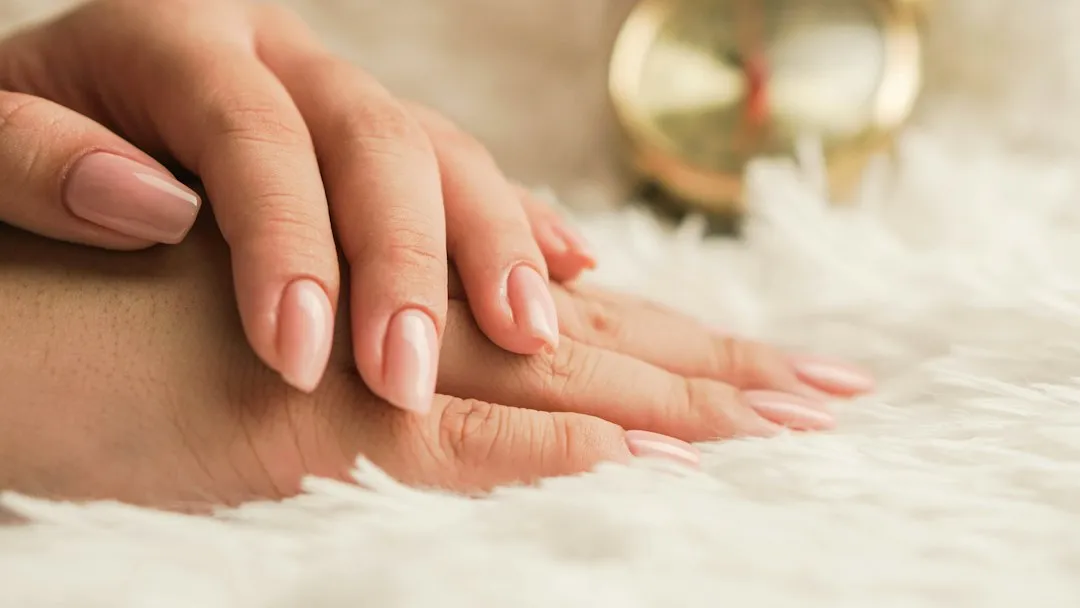
According to research published by the National Institutes of Health, the average fingernail grows about 3.47 millimeters per month. That’s roughly the thickness of two stacked coins – slow enough that most people barely notice day to day.
Toenails grow more slowly, at approximately 1.62 mm per month. So there’s already a meaningful difference between fingers and toes before seasonal factors even enter the picture.
Fingernails grow approximately 0.7 to 1.0 mm per week, and the rate varies by finger, age, health status, and season. Summer shifts that baseline, sometimes noticeably.
Yes, Summer Really Does Speed Things Up
If your nails seem to grow faster in summer, you are not imagining it. Research consistently shows that fingernail growth peaks in warmer months.
Research shows nail growth speeds up by roughly ten to twenty percent during warmer months compared to winter. That’s a real and measurable difference, not just an impression shaped by beach season awareness.
Multiple studies confirm summer nail growth is measurably faster than winter growth in the same individuals, with estimates ranging from ten to twenty-five percent faster. The range is wide partly because individual biology varies quite a bit.
The Main Driver: Blood Circulation
Heat can cause blood vessels to dilate, increasing circulation to the extremities, including the fingertips. More blood flow means more nutrients and faster keratin production.
The nail matrix receives nutrients and oxygen via tiny blood vessels, and increased circulation enhances cell production. Think of it as the difference between a trickle and a steady stream delivering the raw materials your nails need to grow.
Warmer ambient temperatures cause peripheral vasodilation: small blood vessels in the fingers and toes widen, increasing blood flow to the nail matrix, the living tissue beneath the cuticle where keratinocytes are born. That’s the core mechanism, and it’s fairly well accepted in dermatological research.
The Role of Vitamin D and Sunlight

During summer, people spend more time outdoors, absorbing UVB rays that trigger vitamin D synthesis in the skin. This has a downstream effect on cellular processes throughout the body, including those involved in nail growth.
Increased sun exposure during summer boosts the body’s production of vitamin D, which is essential for overall health, including nail health. Sufficient vitamin D levels can support the process of keratin production, the protein that makes up nails.
There is also speculation that higher vitamin D levels in summer play a role in nail growth, though this connection has not been fully confirmed by controlled studies. It’s a plausible link, but worth treating with appropriate caution.
The Keratin Connection: What Nails Are Actually Made Of
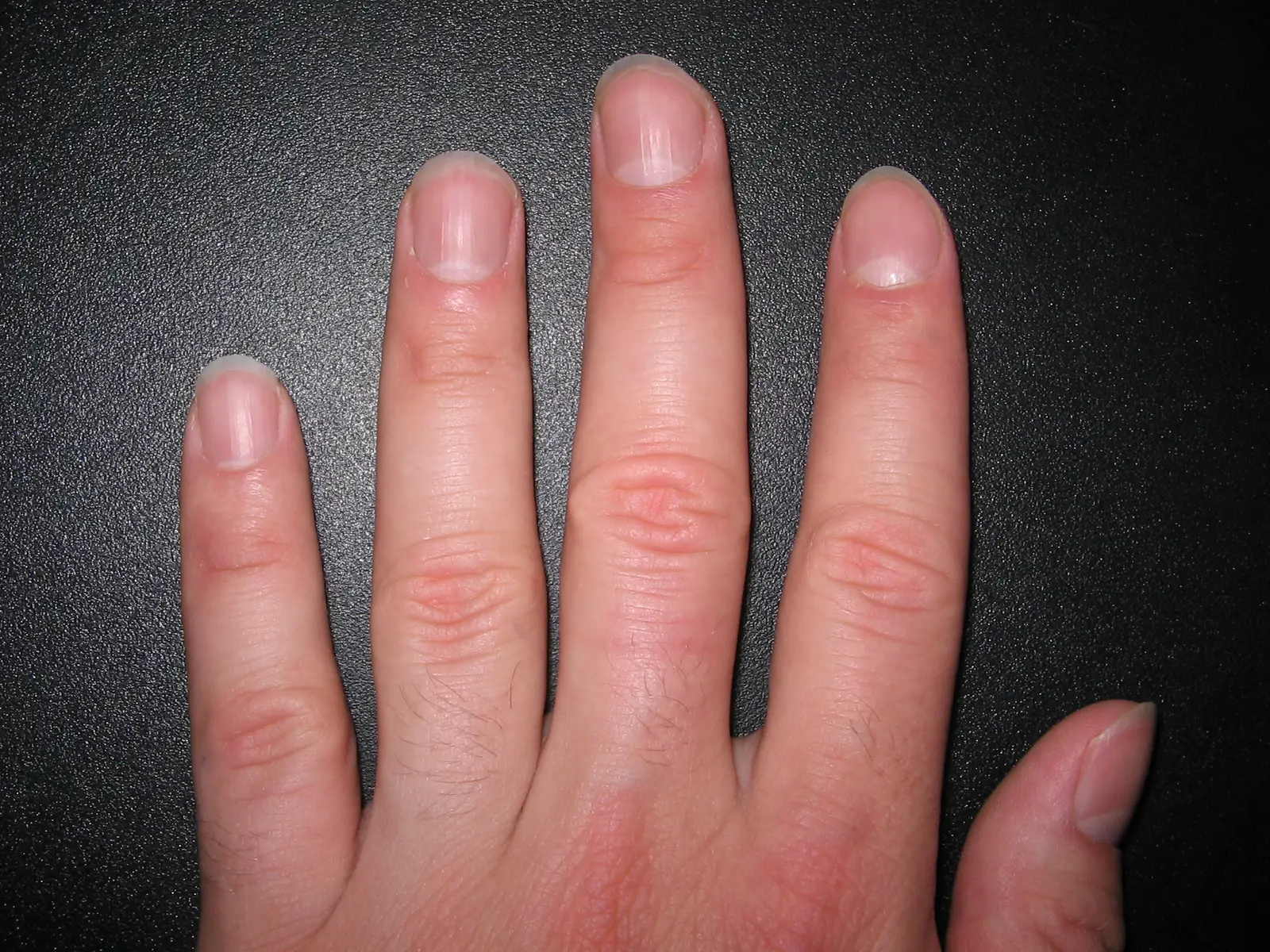
Nails are made of keratin, a tough protein also found in hair and skin. Every millimeter of nail you grow represents a cycle of rapid cell division at the nail matrix, with dead cells being pushed outward and hardened into the plate you can see.
Both hair and nails are made of keratin, a tough, fibrous structural protein produced by rapidly dividing cells in the nail matrix, located under the cuticle. Summer conditions appear to support those dividing cells more actively.
Warmer weather improves peripheral circulation, with skin surface temperature rises increasing capillary perfusion. Better blood flow means more oxygen, amino acids, and biotin delivered to growth zones.
Physical Activity Plays a Part Too

Some of the apparent seasonal difference may also reflect behavior: people are more active in summer, and activity itself is associated with slightly faster nail growth. It’s hard to fully separate “it’s warm” from “I’m moving more.”
Being more active outdoors can increase blood circulation, which helps deliver nutrients to the nail matrix and can contribute to faster growth. Even something as simple as walking more in warmer weather makes a difference to peripheral blood flow.
Enhanced perfusion means more active cell division and accelerated nail production. So summer activity and summer warmth tend to reinforce each other, at least from a circulatory standpoint.
Fingernails vs. Toenails in Summer
Nail growth gains were most visible in fingernails of people aged 25 to 44; toenails showed negligible seasonal variation, due to reduced vascular response and lower UV exposure.
Toenails spend most of summer inside shoes, shielded from sunlight and subject to different circulation patterns than the hands. That physical separation from the environment likely explains why their seasonal response is so much smaller.
Fingernail growth rate runs at about 3.47 mm per month in winter versus approximately 3.77 mm per month in summer, while toenail growth shows very little seasonal shift. For most practical purposes, the summer effect is a fingernail story.
What the Skeptics Say: The Research Isn’t Unanimous
The number of well-designed studies specifically isolating seasonal effects on nail growth is small. Nail growth research in general is a niche field, partly because measuring it is tedious and the clinical stakes are low.
A study published in the British Journal of Dermatology that tracked both hair and nail growth across seasons detected no seasonal fluctuations in finger- or toenail growth. That is a flat contradiction of the summertime theory, and it comes from a peer-reviewed paper.
The effect size is small: we’re talking fractions of a millimeter per month, not a visible summer surge, and the supporting studies are old, small, and observational rather than modern controlled trials. That context matters. The phenomenon is real enough to be plausible, but it shouldn’t be overstated.
Age, Metabolism, and Why Young Adults See It Most

Nail growth peaks in your teens and twenties, then gradually slows with age. Research shows that after age 25, nail growth decreases by roughly half a percent per year.
Growth runs faster in youth, on the dominant hand, and in warm weather, and gradually slows with age, illness, and reduced circulation. Summer’s acceleration sits within a broader set of factors that all point toward the same underlying driver: circulation and cellular metabolic rate.
This also means that people who notice summer nail growth most strongly are likely younger adults with good baseline circulation. Older individuals or those with circulatory conditions may see little to no seasonal difference.
Warm Climates Year-Round: What That Tells Us

People in tropical or warm climates often report faster nail growth year-round compared to those in colder regions. If the effect were purely psychological or behavioral, you wouldn’t consistently see that geographic pattern.
People in tropical climates often report faster nail growth than those in colder regions. This adds some weight to the circulation theory: it’s not just about one season, but about ambient temperature as a sustained variable.
At the same time, if warmth were a major driver of nail growth, you would expect nails to grow much more slowly in one of the coldest places on Earth. A study published in the British Journal of Dermatology that measured nail growth in Antarctic conditions found growth rates comparable to those observed in temperate climates. So the relationship isn’t as simple or universal as it first seems.
The Takeaway
The honest summary is this: summer probably does accelerate nail growth for most people, most of the time, through a combination of improved circulation, greater physical activity, and higher vitamin D levels from sun exposure. The effect is real but modest, measured in fractions of a millimeter rather than dramatic leaps.
The science behind it is genuinely interesting even if it isn’t fully settled. Heat can cause blood vessels to dilate, increasing circulation to the extremities, including the fingertips. More blood flow means more nutrients and faster keratin production. That mechanism is consistent with what we know about peripheral circulation and cellular biology more broadly.
What the summer nail effect quietly reveals is how responsive the body is to its environment. Your nails are, in a small but measurable way, keeping pace with the season.
AI Disclaimer: This article was created with the assistance of AI tools and reviewed by a human editor.