

The Brain Changes How It Processes Memory With Age
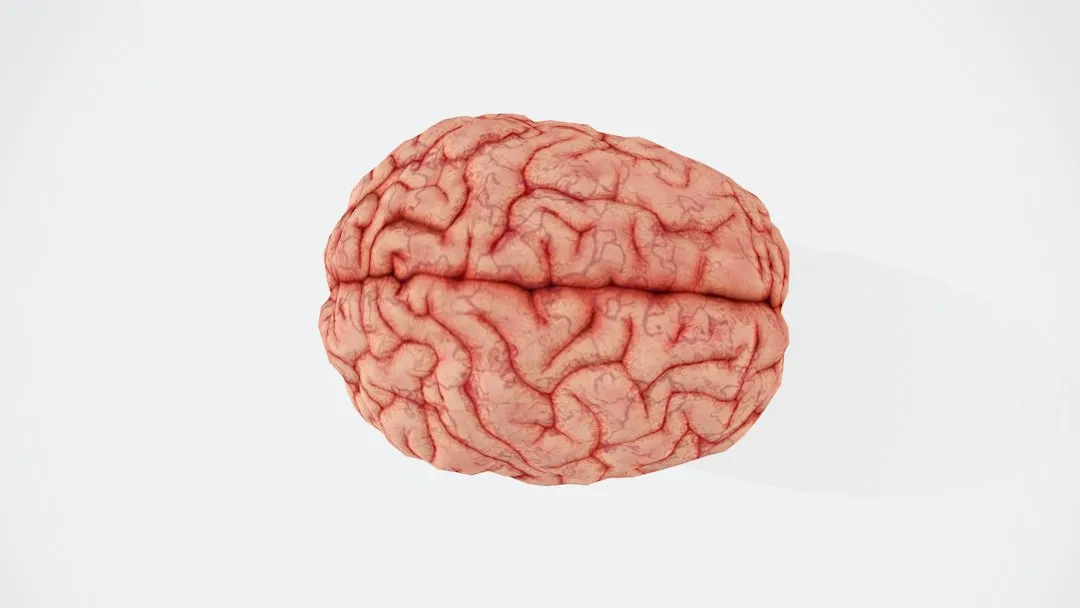
One of the more surprising explanations sits squarely in neuroscience. According to Associate Professor of Psychology Ian McDonough from Binghamton University, a study published in the journal Cerebral Cortex shows how the brain blends related experiences as a person ages, rather than replaying the exact memory needed. Older people demonstrated more memory mix-ups than younger adults.
Older adults were also less likely to repeat the same brain activity patterns seen when they first experienced and stored a specific memory. Even when they did repeat the original brain patterns, they were more likely to confuse their memories. The research provides new evidence that the hippocampus is inappropriately changing memories between different memory phases as people age.
In practical terms, this means a show watched years ago may feel partially fresh again to an older viewer. What sounds like a quirk is actually the brain doing something genuinely complex with time and experience.
Familiar Shows Reduce Cognitive Load

The psychology of rewatching becomes genuinely interesting when you examine cognitive effort. Research suggests that returning to familiar series reduces cognitive load in measurable ways. Because the outcome is already known, the brain is freed from the constant low-level work of tracking plot, predicting outcomes, and managing suspense.
In a study by Dr. Jaye Derrick, a professor of psychology at the University of Houston, participants were surveyed on their rewatching habits and emotional experiences. His team found that rewatching favorite shows requires less cognitive effort, provides emotional relief, and offers a sense of predictability, making it a common coping mechanism for managing stress and negative emotions.
For older adults whose daily lives may already carry a higher cognitive load from managing health, finances, or reduced social contact, the appeal of a low-demand viewing experience is entirely rational.
Comfort Television as Emotional Regulation

Watching the same episodes to unwind is widely called “comfort television.” Psychologist Dr. Danielle Roeske describes it as a form of emotional self-regulation: you recognize that you’re stressed and choose something you know will help you relax.
What replaces the effort of following a new narrative is something closer to emotional inhabitation. The viewer settles into a known world with known people, and the predictability itself becomes a source of comfort. Rewatching familiar television has been linked to stress reduction, emotional stability, and a sense of control that is particularly valuable during periods of anxiety or overwhelm.
Experts note that exposure to familiar stimuli can have a restorative effect on the brain, especially in times of high stress. As psychologist Pamela Rutledge has noted, watching the same piece multiple times reaffirms that there’s order in the world and can create a sense of safety and comfort on a primal level.
The Role of Nostalgia in Later Life
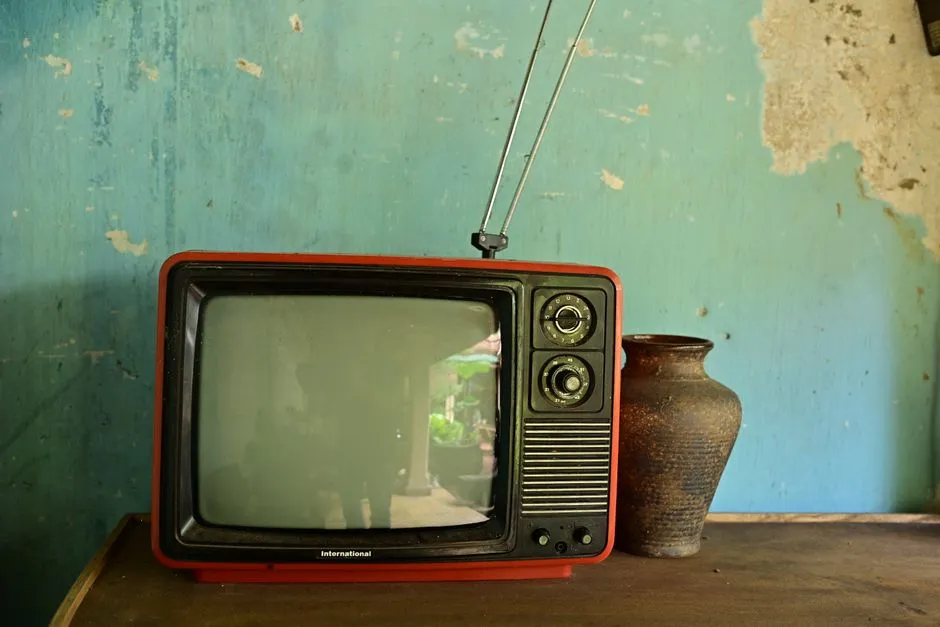
Psychological research conceptualizes nostalgia as past-present self-continuity, the sense that one’s past and present selves belong to the same ongoing identity. For older adults, television is often woven tightly into the fabric of personal history. A show watched during middle age carries emotional associations that go far beyond the plot.
Research suggests nostalgia appears to heighten positive mood, increase positive self-regard, and even boost a sense of social connectedness. A 2023 survey found that looking back on nostalgic memories gave people comfort and reminded them of what was important in their lives, according to the American Psychological Association.
Research also shows that for older adults specifically, a change in negative affect is more strongly associated with a nostalgia experience than it is in younger or middle-aged adults. In other words, when things feel difficult, the nostalgic pull toward a familiar show tends to be stronger among the older population.
Parasocial Relationships With TV Characters

Older adults can form parasocial relationships with favorite television characters, and these relationships often serve as genuine sources of companionship. Research confirms that parasocial relationships can mitigate isolation and loneliness in older age.
When people rewatch a series, they return to these parasocial relationships, placing themselves in the presence of especially reliable friends who do what they expect them to do. For older adults who may have lost close friends or family members, the reliability of a familiar character can carry real emotional weight.
Shira Gabriel, a University at Buffalo psychology professor who studies how television helps people feel connected, suggests that the company of familiar characters can offer a real sense of belonging. That sense matters more, not less, as social circles naturally shrink with age.
Older Adults Watch More Television Than Any Other Age Group
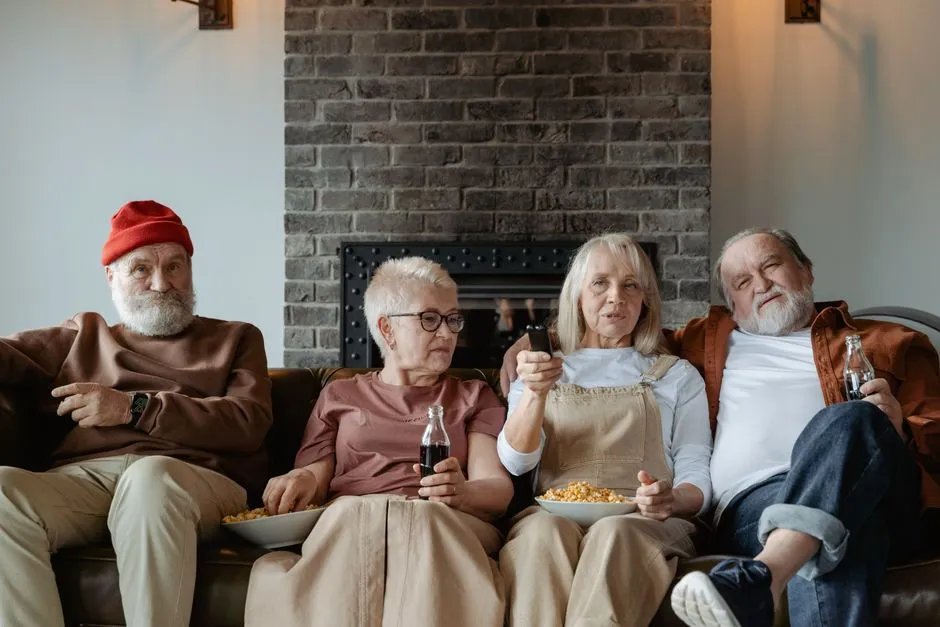
According to national data, older adults view more television than any other age group. This baseline fact puts the rewatching habit in sharper perspective. The more time someone spends watching TV overall, the more opportunity there is to cycle back through familiar content.
TV viewing is particularly common in older adults as one of the most prevalent leisure-time sedentary activities. UK adults aged 65 or above spend an average of four hours a day watching television. With that volume of screen time, returning to familiar shows is a natural and recurring part of the daily rhythm.
The Brain Anticipates What It Already Knows
As familiarity with a piece of content increases, brain activity begins to rise earlier than it did during the first viewing, sometimes up to 15 seconds before the same moments appear on screen. The brain is essentially running ahead of the story, which creates a pleasurable sense of anticipation rather than pure surprise.
Repeating a show you love activates the brain’s reward centers without requiring cognitive effort. Watching a favorite TV show can trigger dopamine release, the brain’s reward chemical. That neurological reward loop is genuine, and it doesn’t diminish with repetition in the way people might expect.
Rewatching Provides a Sense of Control

Knowing exactly what will happen gives viewers a sense of personally controlling the outcomes. The same applies to rewatching movies and series. In choosing to rewatch, people take control over the stories they experience, the people they see, the feelings they want, and the endings they desire.
Rewatching old TV shows offers a small but significant sense of control, and repetition can be inherently soothing because it reinforces safety and comfort. For older adults navigating the genuine uncertainties of aging, health, and loss, that feeling of control over at least one small corner of daily life is not trivial.
Restorative Effects and Mental Health Benefits
Research found that rewatching has restorative powers, with the ability to restore the drive and motivation people need to complete difficult tasks after losing self-control and willpower. These benefits are particularly meaningful for older adults who may face greater daily demands on their psychological resources.
Drawing on uses-and-gratifications and other psychological perspectives, research shows that people return to familiar stories primarily for comfort and emotion regulation, social connection including parasocial relationships, and identity continuity and nostalgia.
Research also indicates that the nostalgia experienced while rewatching a show can fight boredom, loneliness, and even homesickness. For someone living alone or experiencing reduced mobility, those are meaningful psychological outcomes, not just passive entertainment.
When Rewatching Becomes a Meaningful Ritual

Comfort television, as it is now widely called, is the act of rewatching the same program, often repeatedly, for feelings of comfort and stress relief. Programs ranging from sitcoms and dramas to reality shows and animated series can all function as comfort television, provided they are repeatedly viewed for familiarity, emotional ease, or attachment to characters. Individuals identify their own comfort shows based on personal experience and emotional connection.
Research suggests that parasocial relationships formed through familiar television can genuinely reduce loneliness and provide a sense of social belonging, particularly for people who struggle with in-person connection. For many older adults, revisiting a beloved show isn’t passive at all. It’s a small, reliable act of self-care.
Across the psychological literature, three broad motivations for voluntary rewatching emerge most clearly: comfort, social connection, and identity and nostalgia. These motivations only deepen with the passage of time, which helps explain why the habit becomes more pronounced with age rather than fading.
The Takeaway

The image of an older person watching a favorite show for the fourth or fifth time isn’t a sign of disengagement from the world. The research is fairly clear that it reflects a sophisticated set of psychological needs being met in a low-effort, low-risk way.
Memory shifts, dopamine rewards, emotional regulation, identity continuity, and the comfort of familiar faces all converge in the act of pressing play on something already loved. If anything, the science suggests we should take comfort television more seriously as a genuine tool for wellbeing, especially in later life.
Some rituals don’t need to be explained or justified. They just work.
AI Disclaimer: This article was created with the assistance of AI tools and reviewed by a human editor.