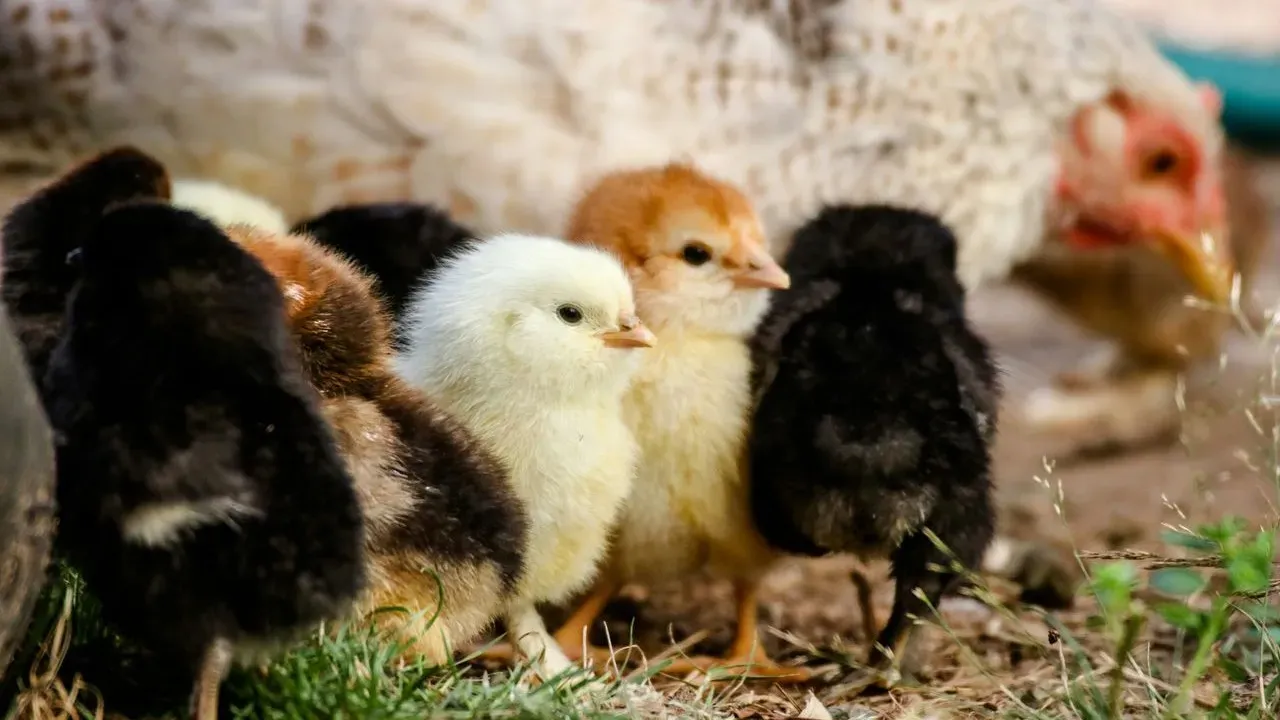

Every spring, backyard flock keepers bring home a box of fluffy chicks and start guessing which ones will crow. The question matters more than many newcomers expect, since a single rooster can change what a small property or town ordinance allows. The Homestead Gardener has laid out simple signs like feather growth, comb size, behavior, and body shape ([1]). Those signs are useful, but they work best when read together and over time.
Why a newly hatched chick reveals so little
Most chicks look nearly identical in their first days. For most chicks, you cannot reliably tell hen or rooster at hatch by appearance alone. That is why hatcheries rely on trained staff to check chicks soon after they hatch. The accuracy rate of a really good vent sexer is 95 to 98 percent, although that skill takes years to build and is not something most home keepers should attempt.
Color and wing methods offer a shortcut, but only for certain birds. Feather sexing only works on chicks that are bred specifically to express the sex-linked feathering trait. In mixed backyard flocks, that leaves most owners waiting for the birds to grow.
Early clues that show up in the first weeks
Once the chicks are a few weeks old, a few physical traits begin to separate the groups. The most noticeable tend to appear first on the head and legs, and they can be easiest to spot when chicks of the same breed and age are compared side by side.
- Roosters usually start developing larger combs and wattles much earlier than hens.
- Young roosters often have thicker, sturdier legs compared to hens.
- Males often have a broader back and a more upright posture, while hens have a rounder, more compact body.
- Behavior can add context, since they may stand taller, challenge other chicks, or even practice tiny chest bumps long before crowing begins.
Behavior deserves caution, though. A bold pullet can look like a cockerel, and a calm young rooster can look like a hen. Treat these traits as clues rather than verdicts.
Feathers tell the longer story
Feathers usually give the clearest answer, but they take patience. Young hens often develop faster in plumage, and the differences tend to show up later than the comb changes. When rooster chicks are about 9 to 12 weeks old, they begin growing longer, pointy saddle feathers. By contrast, hen feathers usually remain uniform, short, and blunt. Those pointed feathers along the back and tail are among the most dependable adult markers.
Feather shape also matters on the neck. Mature hens tend to keep rounded feathers, while mature roosters develop pointed hackle and saddle feathers and curved sickle feathers. Owners who watch these feathers develop week by week will usually see a clearer pattern than they would from a single glance.
Tail growth deserves a mention too, though it is less reliable on its own. Early tail length varies with genetics and feathering rate. A long tail on a young bird is not proof of anything.
What matters most: No single trait settles the question. Look for several signs that point the same way, such as an early red comb, pointed saddle feathers, and crowing. Breed also changes the timeline, and early-maturing lines may show their sex sooner than slower ones.
Why the answer matters to flock keepers
Knowing the sex of a chick is more than a curiosity. Many towns and neighborhoods restrict roosters, so a keeper who guesses wrong may face a complaint or a forced rehoming. Crowing at dawn can strain relations with neighbors, and an unexpected cockerel can quickly turn a small flock into a long-term problem.
For that reason, many experienced keepers wait. They keep a close eye on combs, feathers, and behavior over several weeks, and they plan for a surprise rather than assuming every chick will be a hen. Buying sexed pullets from a reputable hatchery remains another option for those who want fewer unknowns, although even hatcheries acknowledge that no method achieves complete accuracy.
The most useful approach is patience. Chicks reveal their sex gradually, and the clearest answer usually arrives when the birds are old enough for their feathers and voices to settle into a pattern. Until then, a careful watch and a flexible plan will serve most backyard flocks well.
AI Disclaimer: This article was created with the assistance of AI tools and reviewed by a human editor.