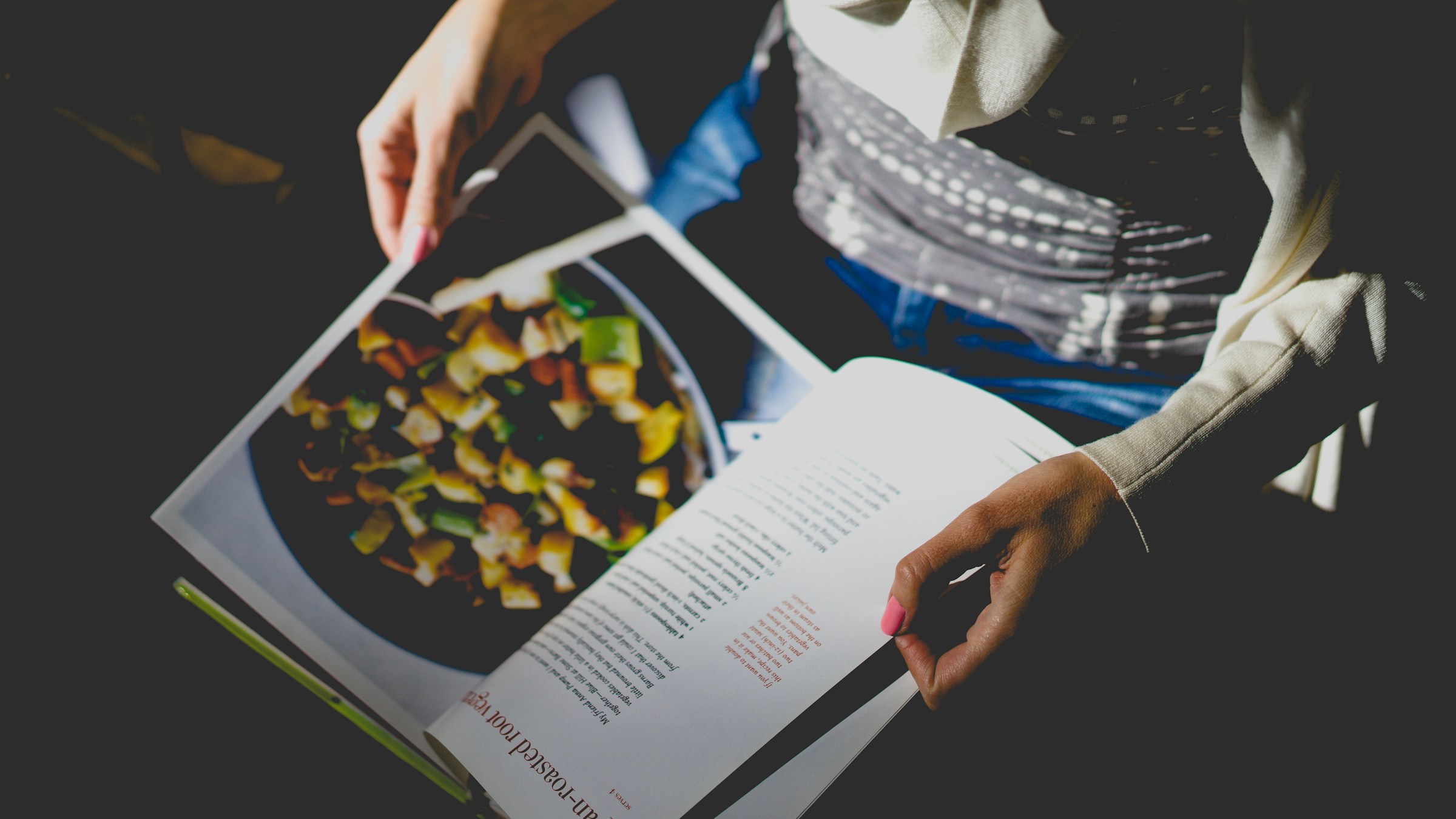

Most people don’t think of their recipe collection as a self-portrait. It’s just the folder stuffed with magazine clippings, the bookmarked tabs that never get closed, the handwritten card propped against the backsplash. Yet the whole accumulation quietly tells a story about how you live, what you value, and who you are when no one is watching.
Food and personality turn out to be more connected than most of us assume. Research published in the Journal of Personality and Social Psychology in late 2024 confirmed real, measurable links between personality traits and dietary choices. Your recipes aren’t random. They reflect something.
The Overflowing Folder: You’re an Optimist

If your recipe collection keeps growing faster than you can cook from it, that’s not a flaw. It’s a form of optimism. Every saved recipe is a quiet promise to yourself: I’ll have the time, the ingredients, and the energy for this eventually.
Most adults, about 86%, are “meal repeaters,” eating the same meals over and over at least some of the time. People who collect far beyond what they cook are essentially pushing back against that pattern, imagining a more adventurous version of their daily life. The gap between collection and execution isn’t failure. It’s aspiration on paper.
Mostly Comfort Food: You Crave Stability
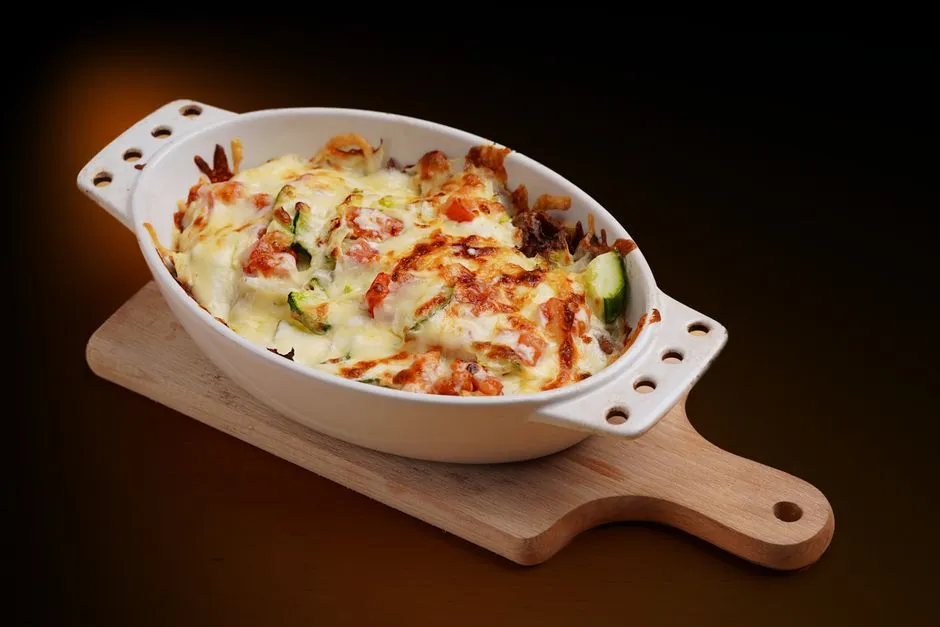
A recipe box full of casseroles, soups, and baked goods tells a recognizable story. Comfort food recipes are rarely about novelty. They’re about reliability, warmth, and the feeling of being settled in one place.
Research linking the Big Five personality traits to diet found that higher levels of agreeableness connect to healthier and more traditional eating patterns, and this association grows stronger among older adults. People who gravitate toward hearty, familiar recipes often score higher on agreeableness, valuing harmony and connection over culinary adventure.
International Recipes Everywhere: You Seek Experience
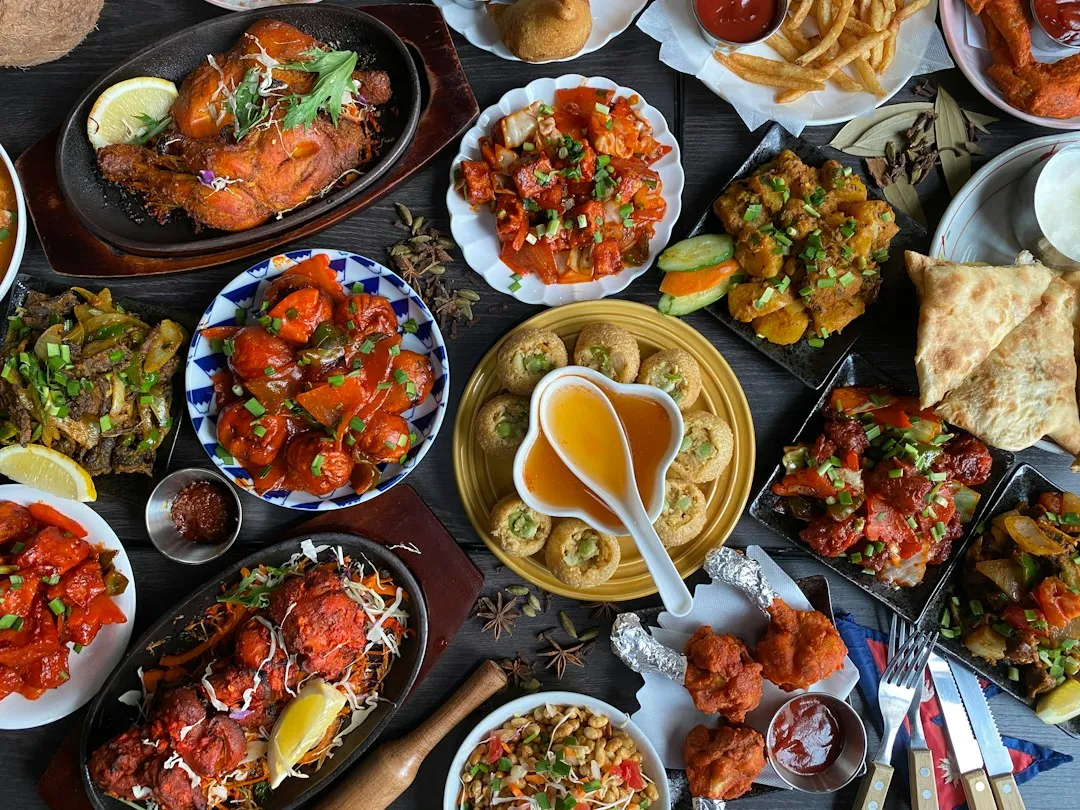
A collection packed with Moroccan tagines, Vietnamese pho variations, and Georgian khachapuri says something specific about curiosity and openness. A comprehensive meta-analytic review drawing on 49 studies and over 150,000 participants found meaningful links between personality traits and dietary patterns. Openness to experience, in particular, consistently predicted a wider, more adventurous food range.
About 31% of people tried new recipes during the pandemic, and 23% experimented with different cuisines, ingredients, or flavors for the first time. Those who kept going long after restrictions lifted, building entire international archives, tend to be driven by genuine curiosity rather than circumstance.
The Pristine Collection You Never Use: You Love the Idea
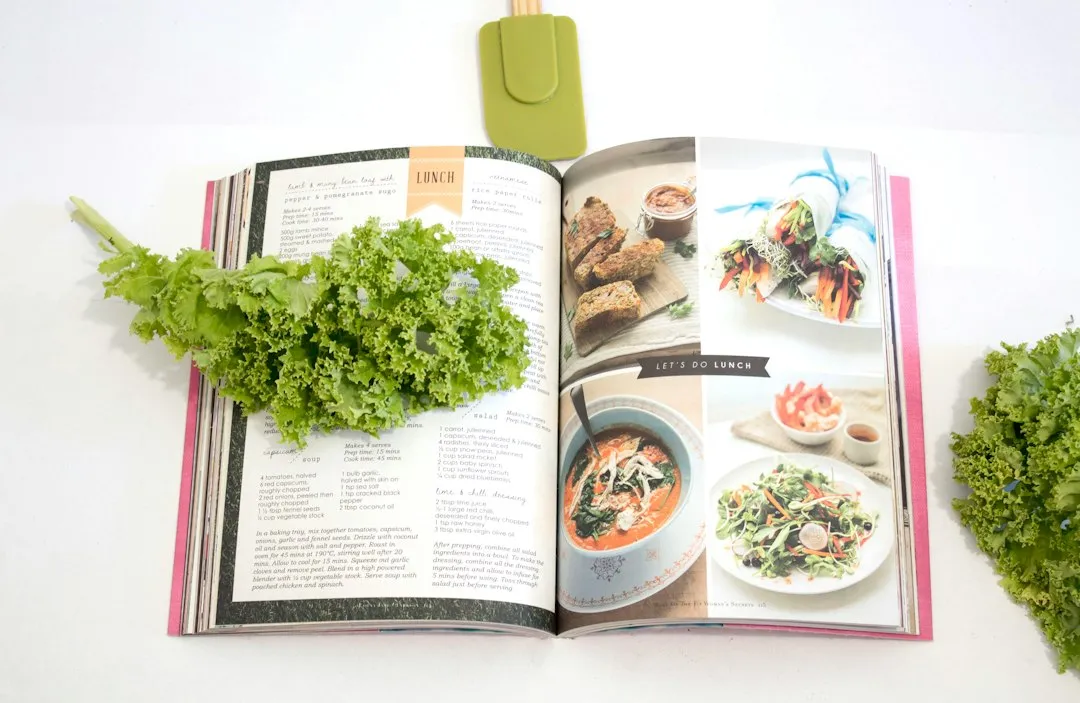
Some recipe collections are more aspirational than functional. The cookbooks with clean spines. The saved screenshots never opened twice. The printed PDF still crisp in a folder. This pattern is more common than people admit.
More Americans say they sometimes follow a recipe (around 43%), while 13% always use one and 21% rarely or never do, reflecting a flexible, low-effort approach to home cooking. For the collector who never quite cooks from their collection, the recipes serve a different purpose entirely. They represent an identity, a lifestyle imagined but not yet fully lived.
Handwritten Family Recipes: You’re Rooted in Memory
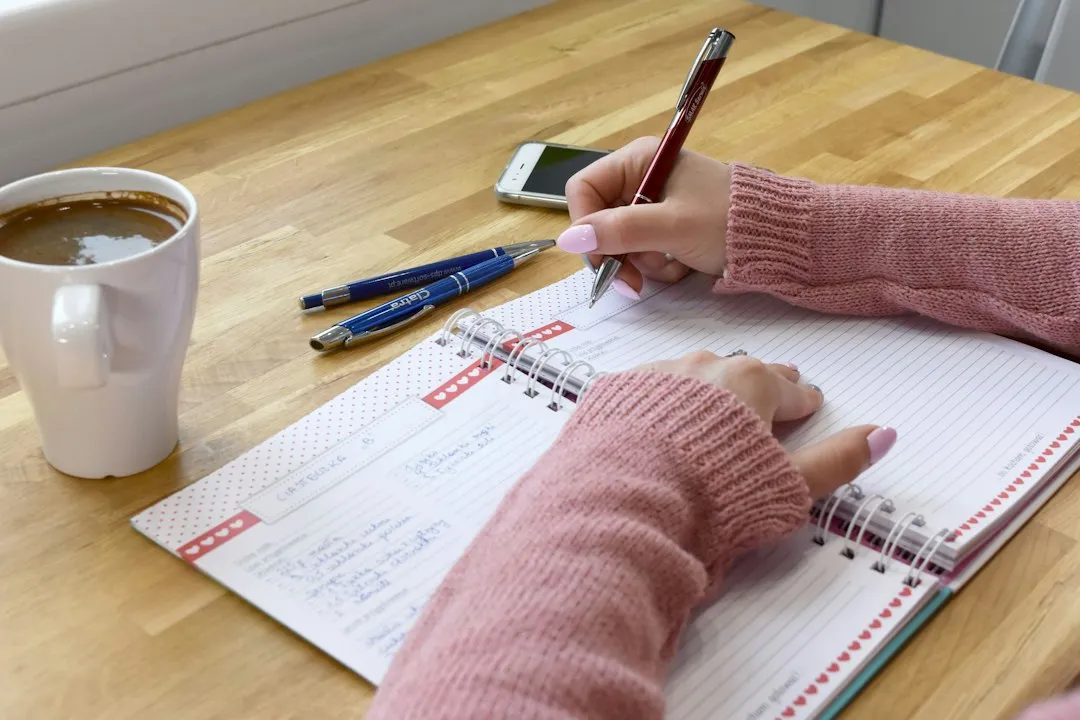
Few things in a kitchen carry more weight than a recipe written in someone else’s handwriting. What cookbooks are really about, according to culinary professionals, isn’t just the recipes themselves, but the memories they evoke. The handwritten card from a grandmother or the index card in a parent’s cursive isn’t really about the dish at all.
Vintage cookbooks and old recipe collections are enjoying a revival, with collectors, food lovers, and nostalgia seekers turning once-humble recipe guides into coveted cultural artifacts. People who keep family recipes at the center of their collection tend to identify strongly with where they came from, treating food as a form of continuity across generations.
Mostly Quick and Easy: You’re Practical, Not Lazy
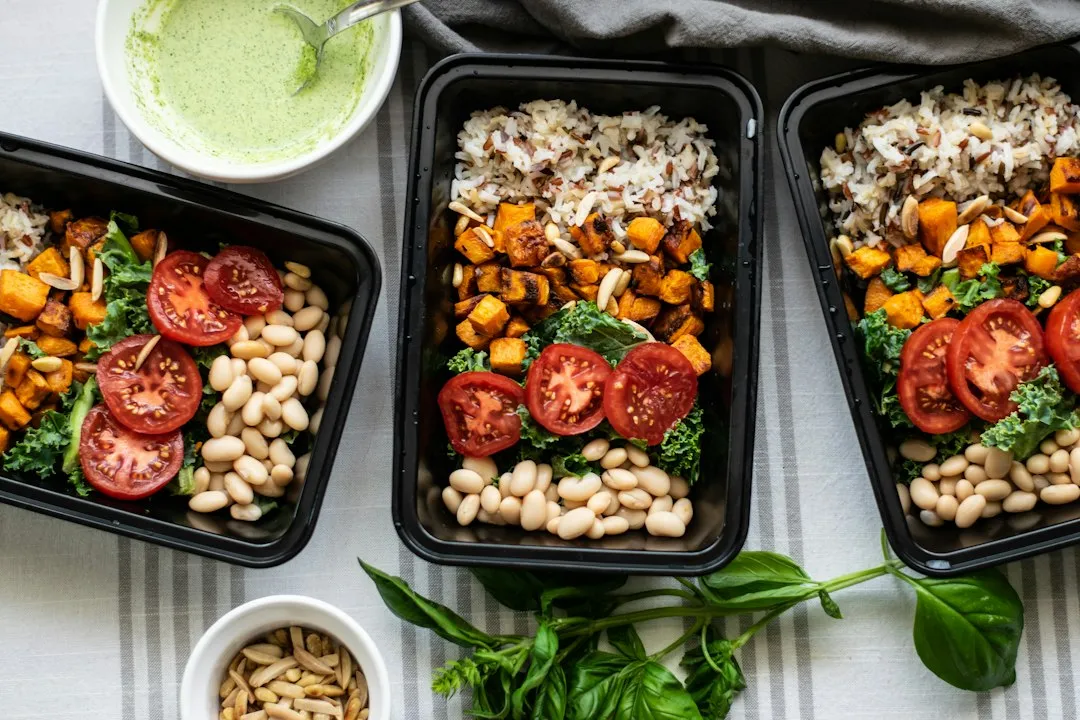
A collection dominated by 30-minute meals and sheet-pan dinners reflects pragmatism, not a lack of ambition. The biggest obstacles to home cooking are time (cited by roughly one in five Americans) and exhaustion, while only a small fraction cite lack of skill as a barrier. Collecting recipes that respect your actual schedule is a form of self-awareness.
Quick and easy meals dominate everyday cooking, selected by nearly two thirds of respondents in a 2025 survey. The person who builds a collection around realistic cooking times isn’t cutting corners. They’re building a system that actually works for their life, which takes a certain kind of discipline.
Everything Organized and Indexed: You Like Control
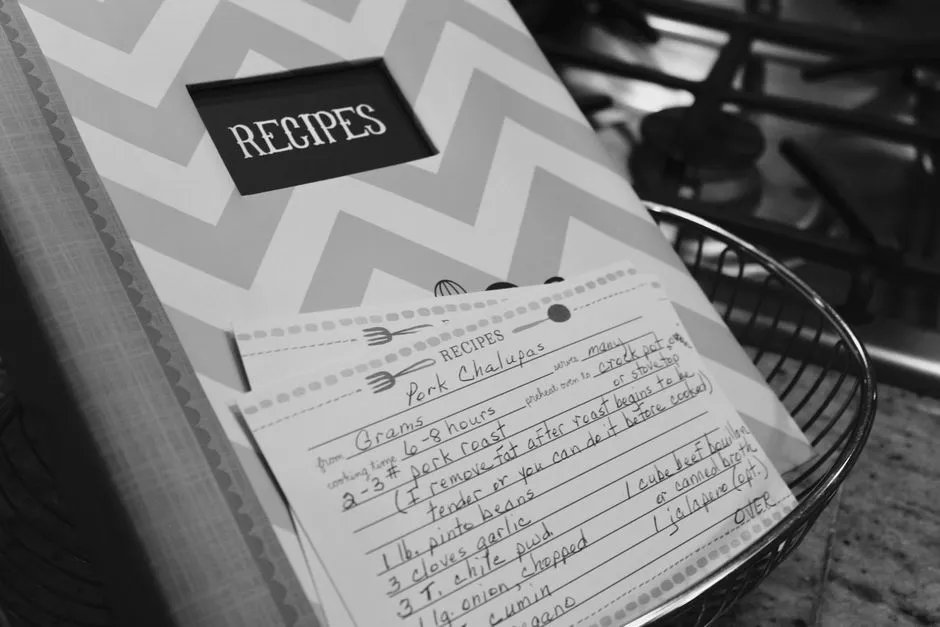
Some collections are genuinely impressive in their structure. Laminated sections. Color-coded tabs. Meals planned by season, dietary need, and prep time. Personality influences the type of food choices people make, and research consistently suggests that different traits help explain why individuals either adhere to or deviate from structured eating patterns.
Conscientiousness, one of the five core personality traits studied in decades of psychological research, tends to predict more organized, deliberate behavior across most life domains, including the kitchen. Bureau of Labor Statistics time-use data shows Americans averaged about 40 minutes per day on food preparation and cleanup in 2024. Those who plan carefully tend to use that time more intentionally, which the structure of their recipe collection usually reflects.
Recipes Torn from Social Media: You’re Plugged In
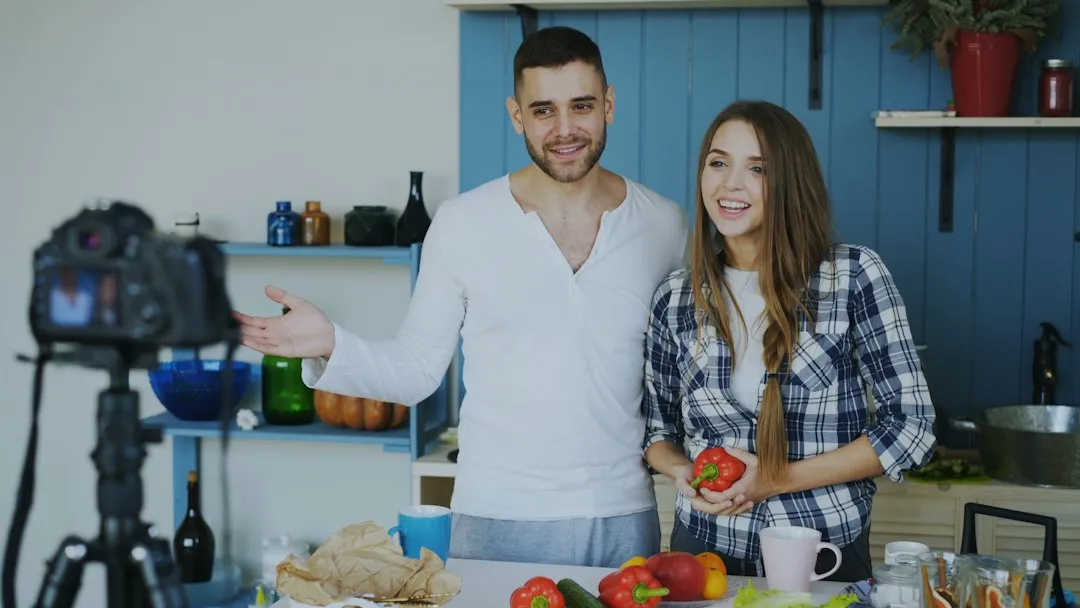
The screenshot-heavy collection, full of TikTok saves and Instagram bookmarks, says something about how you absorb the world. About 36% of Americans say social media has changed their home cooking approach. For those whose collections are mostly digital and trend-driven, food is partly about participation in a larger cultural conversation.
Retro recipe accounts on TikTok and Instagram have revived gelatin desserts, classic holiday casseroles, and mid-century spreads, and that exposure feeds demand for the original recipe sources. Even within trend-chasing collections, nostalgia keeps surfacing. The algorithm and the memory card turn out not to be so different after all.
Plant-Based and Health-Focused: You Think Long Term
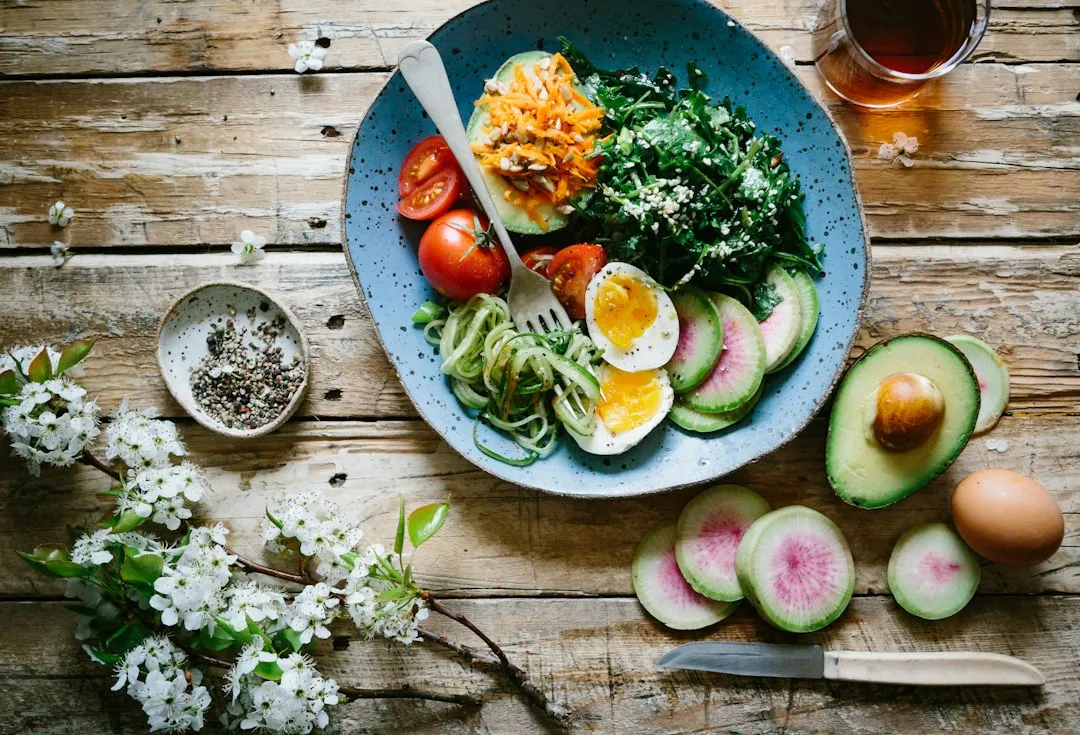
A collection built around vegetables, legumes, and whole grains reflects a particular relationship with the future. It suggests someone who thinks about consequences, not just cravings. Plant-based protein usage in home cooking has increased by roughly 22% year-over-year, reflecting sustained interest in alternative diets.
The research on personality and diet is clear on this point. Openness to experience connects positively to fruit and vegetable consumption, while lower neuroticism links to healthier dietary patterns overall. People building plant-forward collections tend to combine genuine curiosity about food with a longer view of wellbeing, a mix that shows up repeatedly in the data.
A Mix of Everything, Somewhat Chaotic: You’re Adaptable
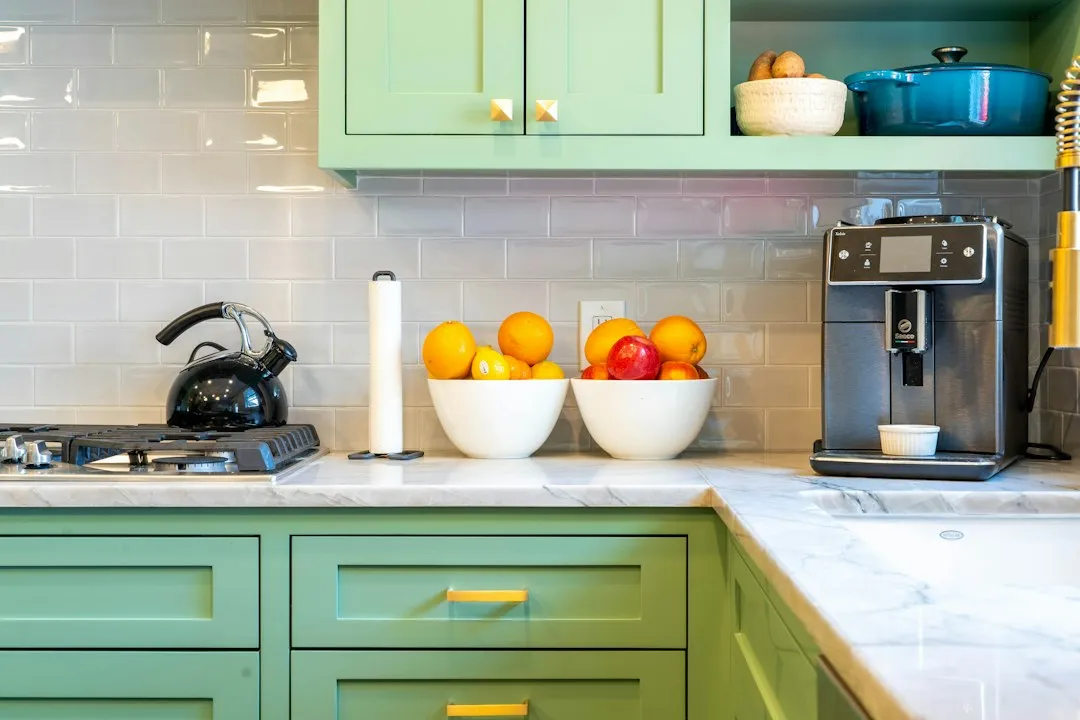
Not every collection fits a clean category. Some people have weeknight pasta next to elaborate French pastry, next to a hand-torn page from a magazine about fermentation. This kind of sprawl isn’t disorganization. It’s flexibility.
In 2025, 93% of Americans expected to cook as much as or more than the previous year in the coming 12 months. People who maintain eclectic collections tend to keep cooking through different seasons of life, adapting rather than sticking to one approach. About 71% of people say cooking is more stress-relieving than stressful, and for the adaptable cook with the chaotic collection, the kitchen genuinely seems to work that way.
The Takeaway
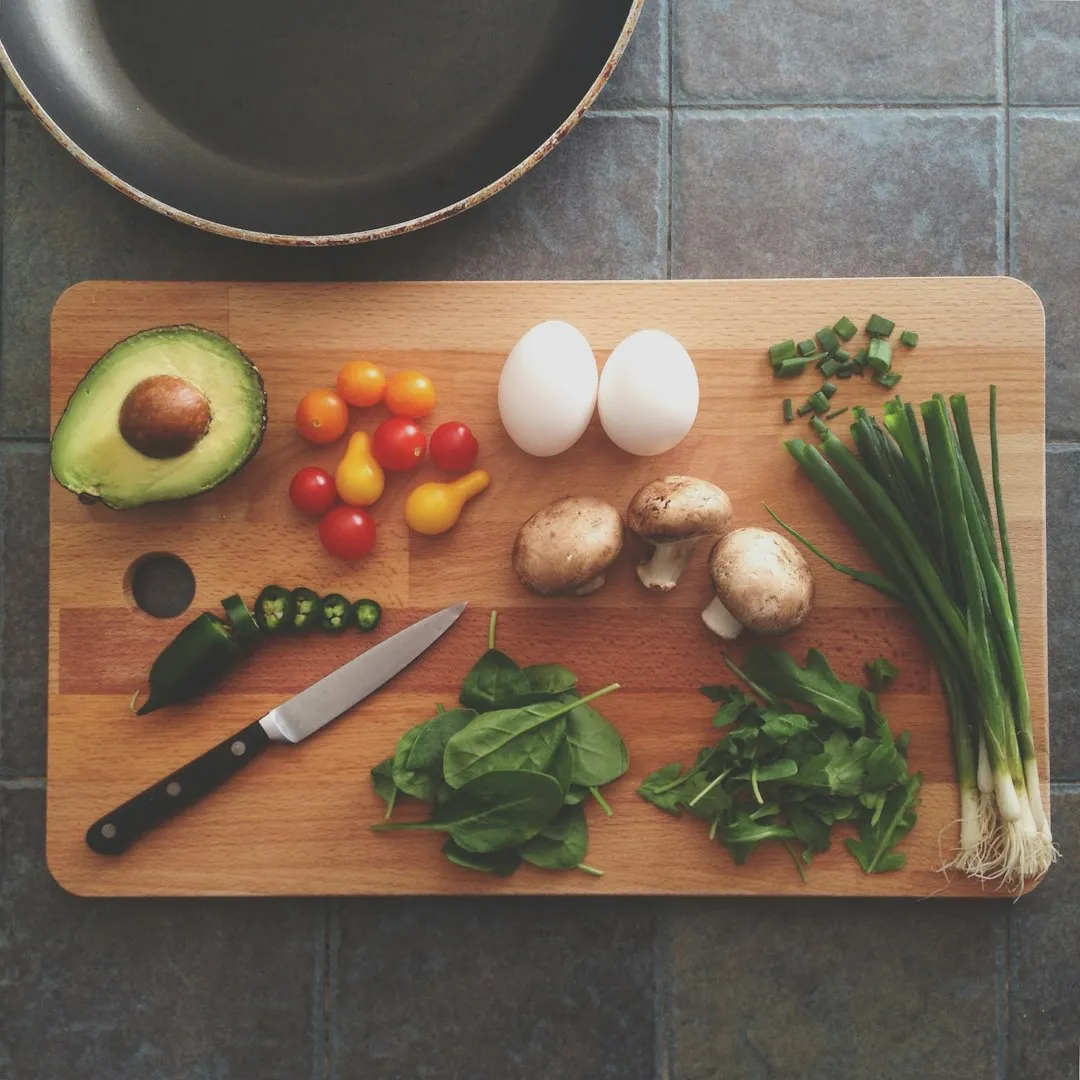
A recipe collection is never just a practical tool. It’s a record of who you were when you saved it, who you hoped to become, and what you were trying to hold onto. The science now backs what many cooks have always sensed: personality shapes the kitchen, and the kitchen, in turn, shapes the person.
Whatever your collection looks like, worn and splattered or neat and barely touched, it reflects something true. The recipes you save are, in a quiet way, the meals you imagine your life to be.
AI Disclaimer: This article was created with the assistance of AI tools and reviewed by a human editor.