
Glass Boards: The Single Worst Offender
Research results have indicated that glass cutting boards are the most damaging to knife edges, followed by stainless steel. That’s not a minor gap in performance. The extreme hardness of glass quickly destroys knife edges, far faster than any other cutting surface.
While glass looks like an easy surface to keep clean, glass cutting boards can damage knives because of the high hardness of the material. Cutting on glass tends to dent, roll, or even chip knife edges in a rapid manner.
A dull knife is more likely to slip while cutting, especially if you press down hard to force the blade through tougher foods. Adding to this, glass is a very smooth surface, so any food you’re trying to cut will likely slip around and raise the risk of injury. So beyond damaging your knives, the glass board creates a secondary safety problem.
Why Hardness Is Everything
A good cutting board material must be soft, easy to clean, and non-abrasive, but not fragile to the point of being destroyed. This is the basic principle behind knife-friendly board selection, and it’s one that gets ignored constantly.
Tempered glass is significantly harder than steel, meaning every knife stroke causes micro-damage to the blade edge. Think of it less as cutting and more as grinding. Knife manufacturers recommend using cutting surfaces that are softer than the knife’s blade to preserve its edge.
Glass cutting boards dull knives faster due to their hard, unyielding surface that causes microscopic chips and edge damage. Those chips aren’t visible to the naked eye at first, but they accumulate with every single use.
Metal and Titanium Boards Are Equally Brutal
In testing, titanium and stainless steel dulled knives faster than any other material. Titanium was by far the worst, dulling knives an average of 444 points across three tests. Those are significant numbers from comparative sharpness measurements.
Metal cutting boards, typically made from stainless steel, offer unmatched durability and sanitation. They are resistant to stains, odors, and bacterial growth. However, their hard surface can be harsh on knife edges, leading to quicker dulling over time.
The takeaway is clear: both titanium and stainless steel are brutal on knives, and titanium is the single worst performer out of every cutting board material tested. Durability for the board comes directly at the expense of your knife.
Plastic Boards: Better Than Glass, Still Not Great
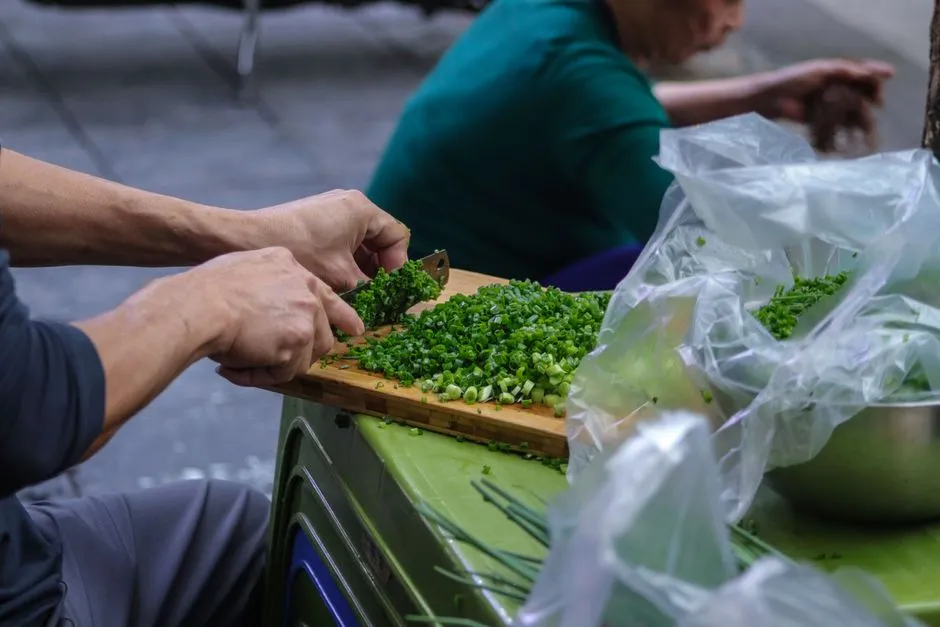
The plastic board dulled the knife the most among common wood and plastic options, with a 65-point drop in sharpness. That’s compared to wood, not to glass. So plastic sits in a middle zone. It won’t chip your edge the way glass will, but it still takes a toll.
Knives used on plastic boards lost their edge much faster than knives used on wood boards. While chopping during knife dulling tests on a plastic board, small amounts of plastic dust were observed collecting on the blade. That’s worth considering both from a blade-care and a food-safety perspective.
In practice, using a plastic board as your main cutting surface will wear your knives down faster, leading to more frequent sharpening. For occasional use or tasks like raw meat prep where hygiene takes priority, plastic is a reasonable trade-off. For everyday chopping, it’s not ideal.
The Bamboo Question Is More Complicated Than You Think
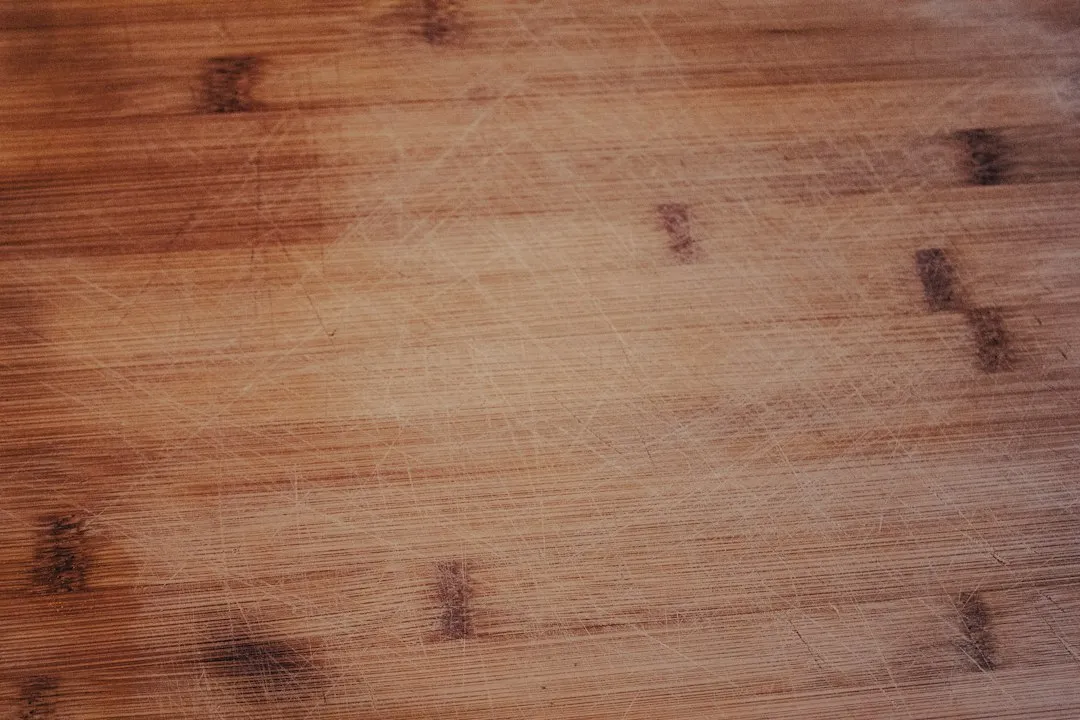
Bamboo is harder than many hardwoods and contains natural silica, which acts almost like fine sandpaper on knife edges. This is the detail that bamboo marketing tends to skip. The eco-friendly look doesn’t tell the whole story.
Wood cutting boards are gentler on knives than bamboo – despite bamboo’s tough reputation, its natural silica content dulls blade edges roughly twenty to thirty percent faster than dense hardwoods like maple or walnut.
A controlled study by an Australian knife sharpener provided quantitative evidence for the knife-dulling properties of bamboo. Using calibrated sharpness testing equipment, researchers measured blade degradation after 2,000 cuts on various cutting board materials. Bamboo end-grain boards showed measurable blade degradation, described as “clearly detrimental” to knife sharpness.
End-Grain Wood: The Most Protective Surface
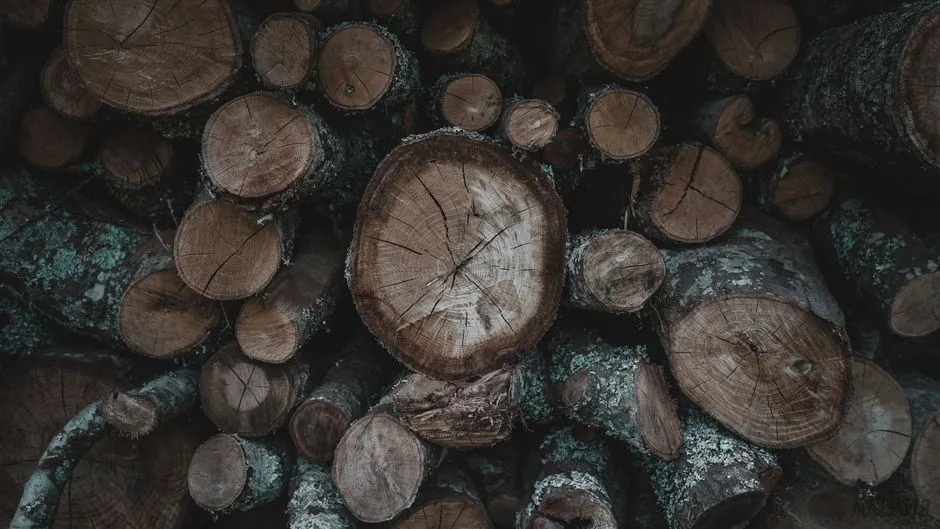
When a knife enters an end-grain surface, the wood fibers part around the blade and close back up as the knife lifts. The board absorbs the cut rather than resisting it. This is gentler on your edge, quieter to cut on, and produces a surface that self-heals minor knife marks over time.
The walnut end-grain board was by far the easiest on the blade, with only a 15-point drop in sharpness. Compare that to the 65-point drop from plastic and the 444-point average from titanium, and the difference becomes very concrete.
End-grain maple boards are the most protective for knives. The end-grain structure minimizes edge wear and self-heals after cuts. They cost more upfront, but that investment pays off in knives that hold their edge far longer.
Dragging the Blade Across the Board Is a Hidden Problem
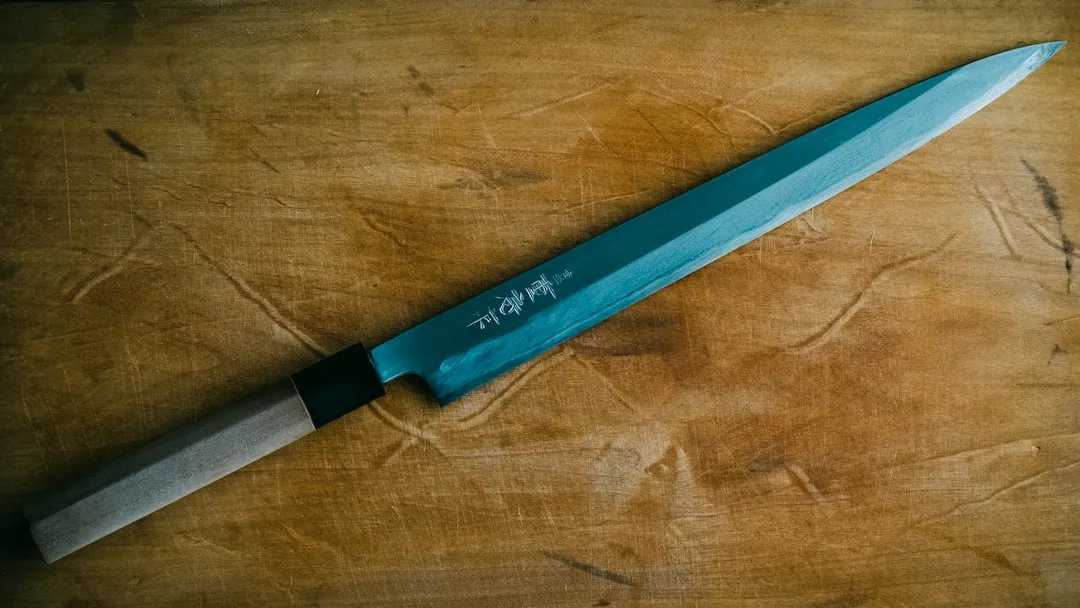
Dragging the blade across the board after each cut, the habit most home cooks have, is what accelerates edge wear, regardless of whether the board is end grain or edge grain. This one point doesn’t get enough attention. The board material matters, but technique matters too.
Many cooks finish a cut by sliding the flat of the blade along the board to sweep food aside. That horizontal drag puts the sharp edge into direct contact with the surface repeatedly, compounding the damage from whatever material the board is made from. On a glass board, the effect is severe.
Any wooden board is much easier on your knife than glass, stone, or ceramic. Even a less-than-perfect technique on a wood board will cause less cumulative damage than careful cutting on a glass or metal one.
Teak Has a Specific Catch
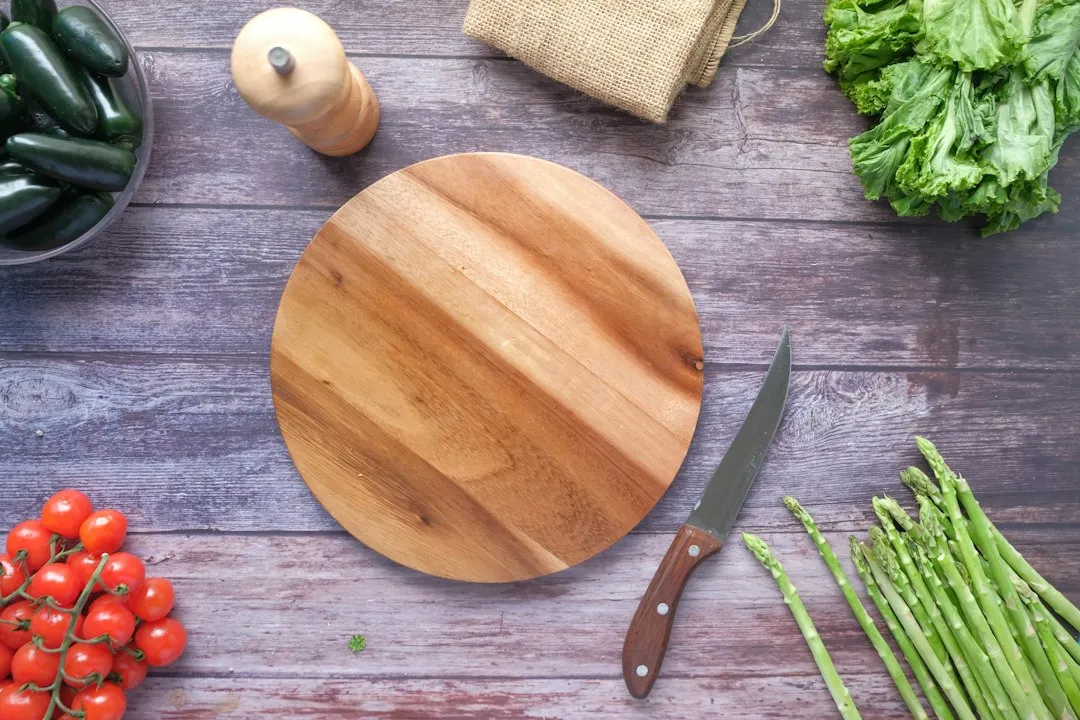
Teak does come with a small caveat: embedded in its grain are microscopic bits of silica, a mineral component of sand, that can potentially wear down your blade if you’re repeatedly sinking your knife deep into the wood. So teak is not automatically a safe choice just because it’s wood.
Teak’s tight grains and natural coloration make it a highly attractive cutting board material, both for aesthetic and durability purposes. It’s a good surface for many uses, but for people who use the same knife heavily every day, the silica content is a real consideration.
Some ideal woods for cutting boards are birch, maple, cherry, and walnut. These are the safer options when knife longevity is the priority. They share a relatively open grain without the silica problem found in teak and bamboo.
Dull Knives Are Actually More Dangerous
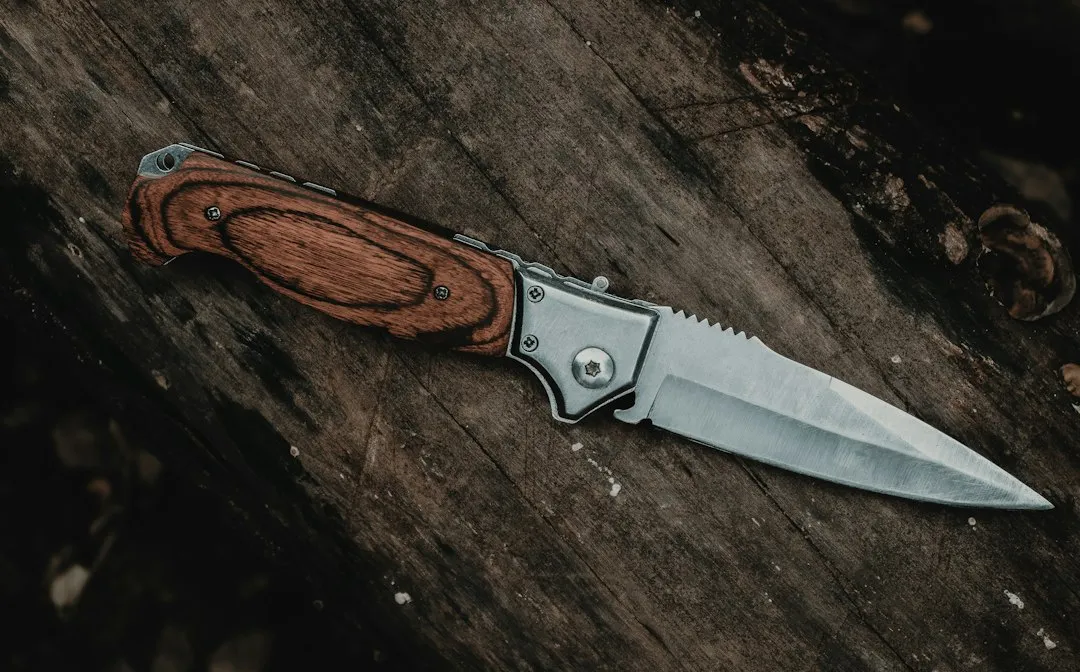
Each time you draw a knife across a hard surface like glass, you dull its blade, making it less efficient. A dull knife is more likely to slip while cutting, especially if you press down on it hard to force the blade through tougher foods.
If your knife struggles to slice through tomatoes or feels rough against your skin, it might be dull from using a glass cutting board. These are practical, noticeable signs. When a knife requires force to do what a sharp one does effortlessly, control over the blade goes down. That’s when accidents happen.
If you value the longevity of your knives, a glass cutting board might not be the best option, as frequent use can result in more sharpening and maintenance for your blades. More sharpening also means removing more metal, which shortens the knife’s overall lifespan.
What the Best Boards Actually Have in Common
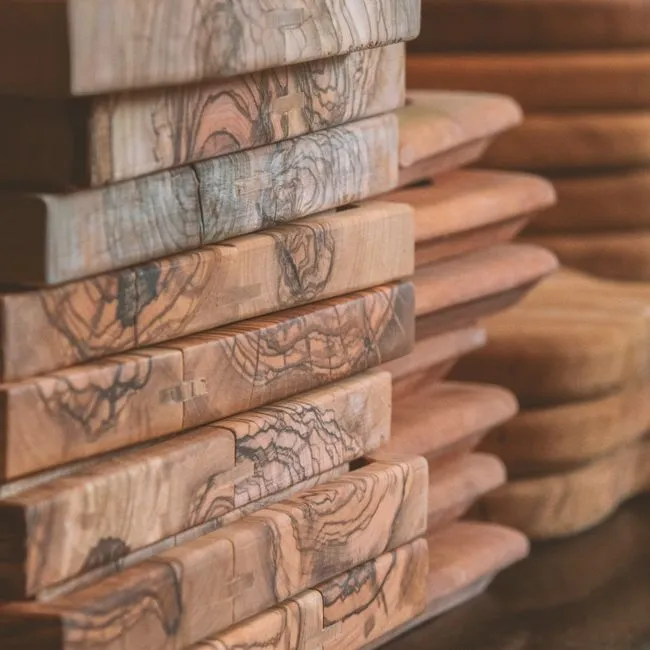
A good wood board, especially an end-grain style, helps knives stay sharper for longer. The underlying reason is straightforward: wood fibers yield slightly under the blade, reducing the abrasive resistance that causes edge degradation on glass, metal, and stone surfaces.
End grain is the right choice for cooks who use good knives and want to protect their edges over the long term. Wood strikes the best balance for everyday chopping, offering excellent knife preservation and a lifespan that can exceed ten years.
The sharper the knife, the longer the cutting board will last – and the reverse is equally true. Keeping your blade sharp by using a forgiving board surface creates a cycle of better performance all around. A well-maintained wood board and a properly cared-for knife complement each other in ways that no glass board ever will.
The Takeaway
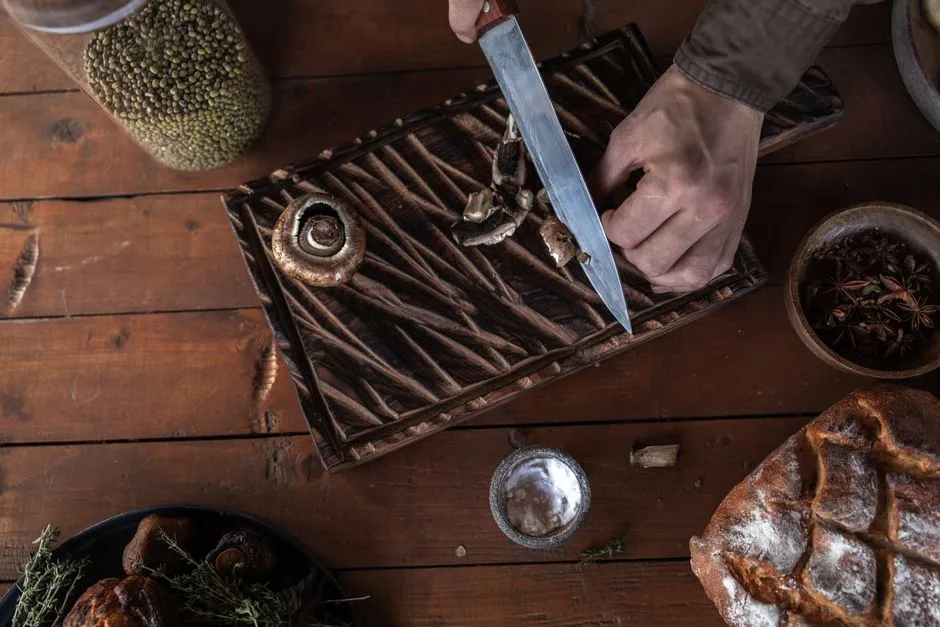
The mistake isn’t exotic or hard to understand. Using a glass, ceramic, or metal cutting board on a daily basis slowly grinds away the very thing that makes a knife useful: a clean, sharp edge. The board that looks the most modern and sanitary is often the one doing the most damage.
Switching to an end-grain hardwood board, ideally maple or walnut, is one of the simplest upgrades a home cook can make. It doesn’t require any new technique. You just stop working against your own tools.
Good knives deserve a surface that works with them, not against them. That’s really the whole story.
AI Disclaimer: This article was created with the assistance of AI tools and reviewed by a human editor.