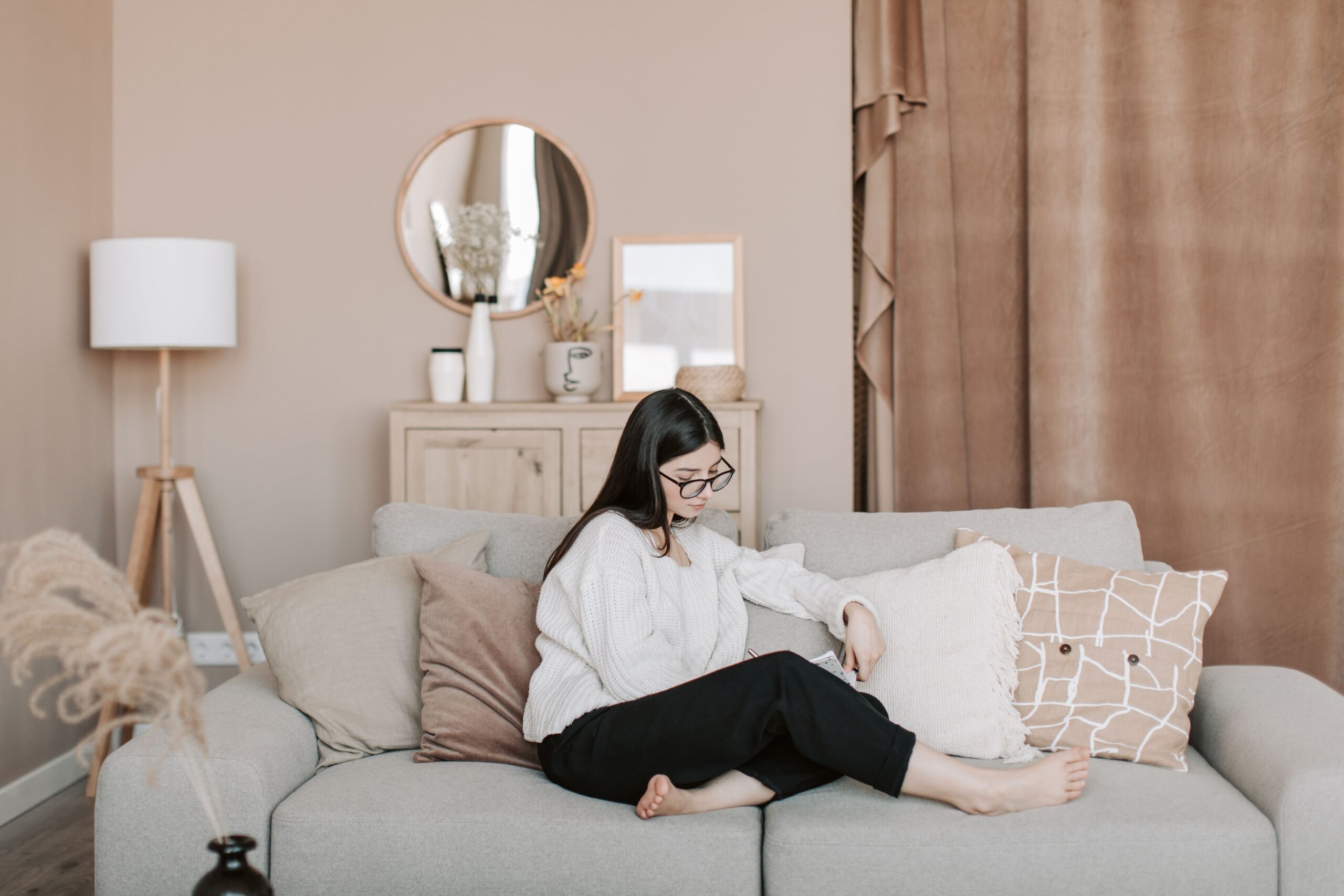

Why Cushions Fail Before the Sofa Does
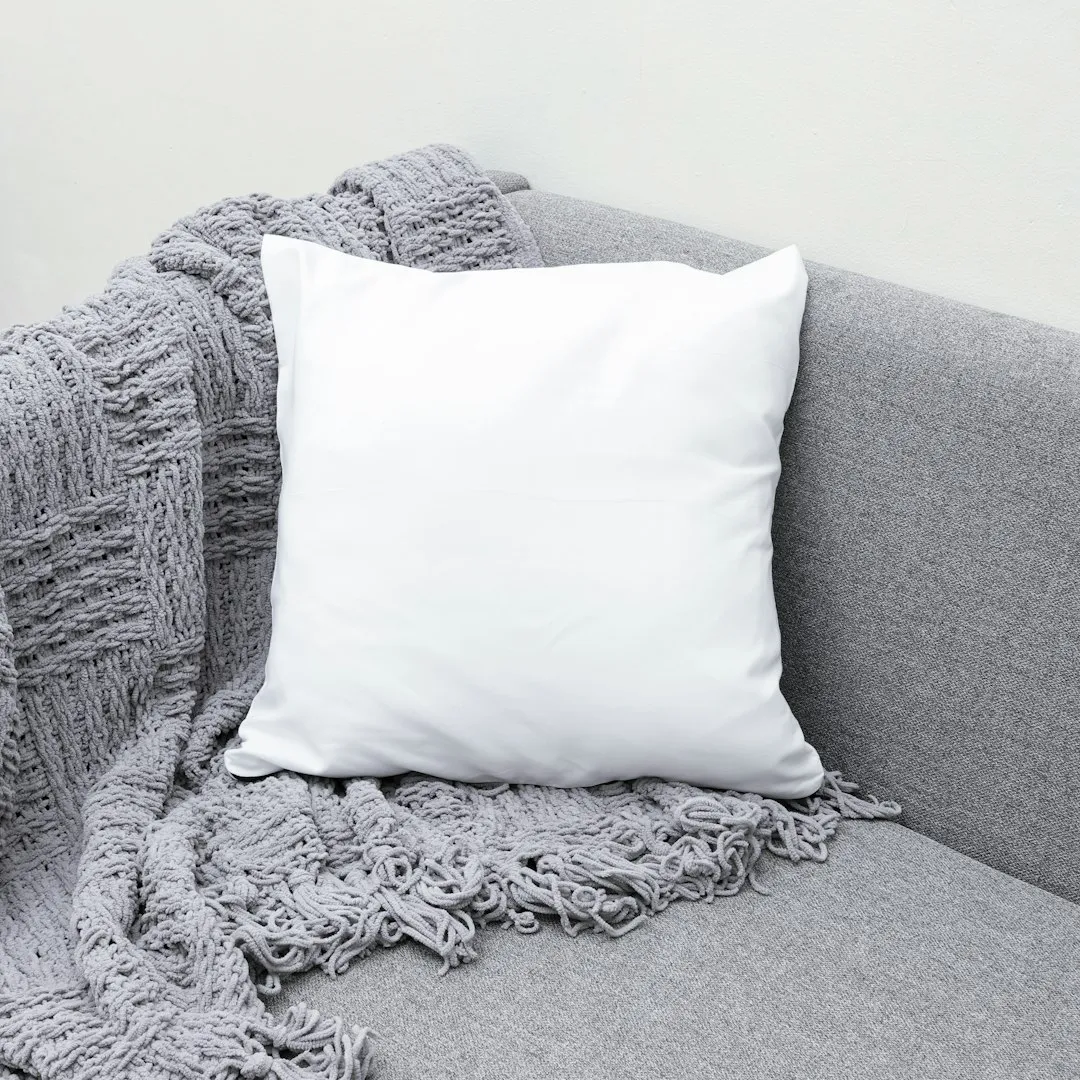
Cushions often fail before frames do. This catches a lot of people off guard. The frame underneath might be perfectly sturdy, but the moment cushions flatten and lose shape, the whole sofa feels finished.
A seat cushion is a foam core wrapped in fiber and fabric, and each layer loses performance on its own clock. The foam core is the structural element: every sit compresses the cell structure, and over thousands of cycles, the cells lose their ability to spring back, a process foam manufacturers describe as compression set.
The most frequently used cushion can experience foam compression, fiber flattening, fabric stretching, increased soiling, and loss of shape. This often creates the appearance that a sofa is “wearing out” when only one section is affected. That distinction matters enormously for anyone wondering whether to repair or replace.
The Science of Uneven Compression

Most people sit in the same spot, which creates uneven compression. Rotating distributes the wear. It sounds simple because it is, but the physics behind it are real and measurable.
Flipping and rotating cushions every two weeks redistributes the weight load, preventing the foam cells in one specific area from collapsing prematurely under constant stress. Think of it like wearing only one shoe. That shoe wears out in months, while the other one stays nearly new.
When the same area supports the same person every evening, the filling compresses more quickly there than in the less-used areas. Even high-density foam and resilient down-feather blends benefit from being used evenly.
How Much Life Can You Actually Add?
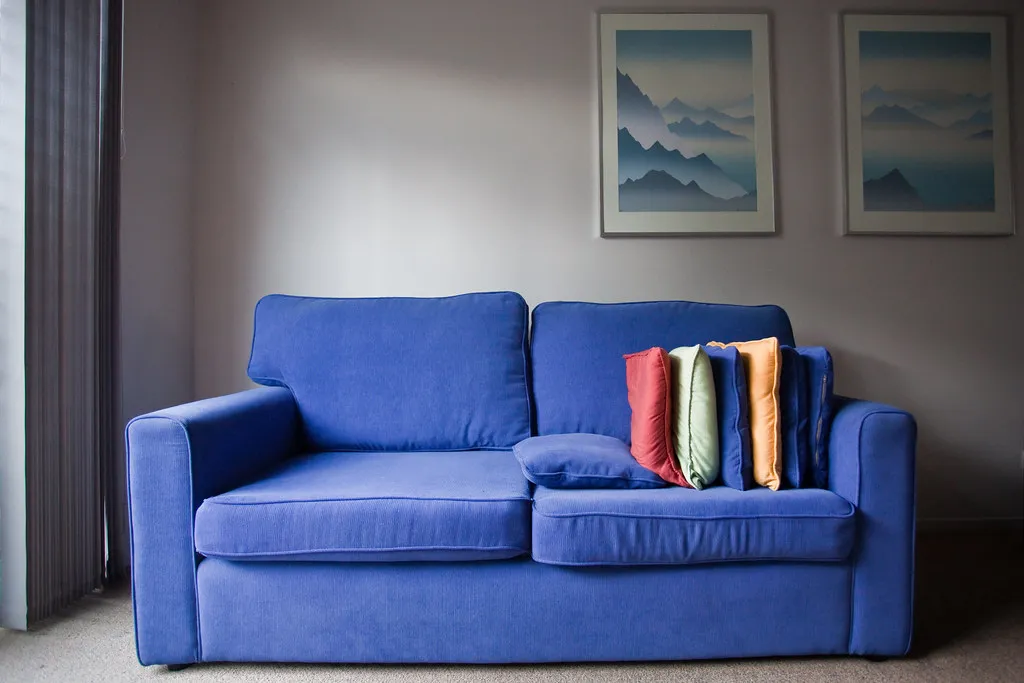
A sofa with consistently rotated cushions shows significantly less compression after five years than one without. This habit costs nothing and can realistically add 2 to 3 years to your sofa’s comfortable life.
Rotating and flipping cushions can effectively double the life of a cushion by ensuring it wears down evenly. That is a meaningful claim, and it holds up when you consider that a cushion absorbing all its wear on one side will compress roughly twice as fast as one being used on both sides equally.
Consistent maintenance can extend a sofa’s life by three to five years. A weekly vacuum, monthly cushion flipping, and prompt spill cleanup are all smart moves.
How Often Should You Actually Flip Them?
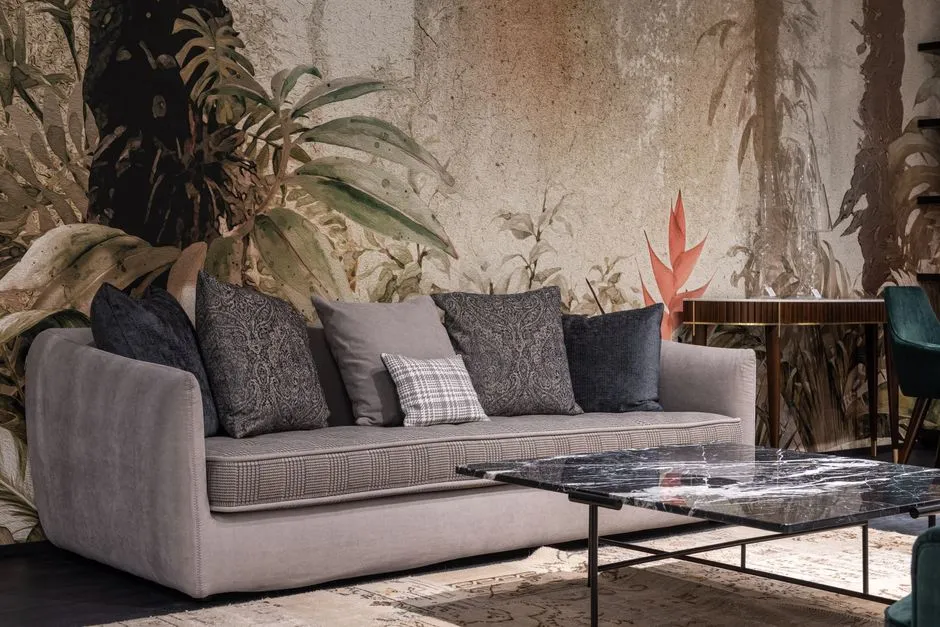
The simple act of doing it regularly can dramatically extend the life of your sofa. For a couch that sees daily action from the family, flipping and rotating the cushions once a week is strongly recommended. For a sofa in a formal living room or another less-used space, doing this once a month is perfectly fine.
Doing this every 2 to 4 weeks can greatly improve cushion lifespan. It is best to rotate and flip your couch cushions every 2 to 4 weeks. The range gives you flexibility based on how much your household actually uses the sofa.
Serena and Lily’s Instagram page recommends “Flipping Friday” to help your sofa wear evenly and last longer, flipping the sofa cushions once a week. Giving the habit a fixed day makes it far easier to remember and stick to.
The Right Way to Flip and Rotate
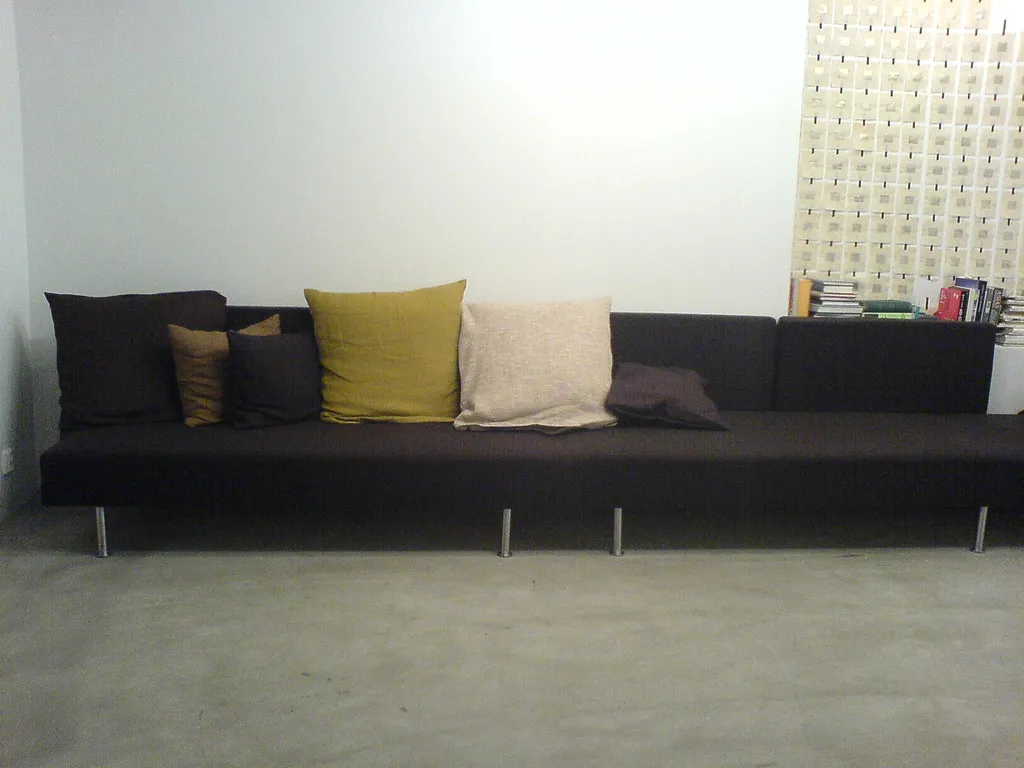
Flipping and rotating helps distribute wear evenly and prevents one side from becoming too flat. The method involves removing all seat cushions, flipping them upside down, swapping left and right sides, and rotating back cushions as well.
Every two weeks, flip your cushions over and rotate their positions, swapping the left-end cushion with the middle one. Swapping positions across the sofa is just as important as flipping top to bottom. A center seat typically absorbs more weight than a corner seat, so moving cushions between those positions balances the load.
Even high-density foam benefits from regular rotation. Flip cushions front-to-back and rotate positions monthly to ensure even wear.
Foam Density and Why It Changes the Equation
1.8 density foam cushions have an average lifespan of 3 to 5 years before losing their firmness, resilience, and comfort. Meanwhile, 2.5 density cushions should last 10 to 15 or more years. That is a dramatic difference in return on investment, and it is entirely tied to what is inside the cushion.
Increasing foam core thickness by half an inch can add about 20 percent to a cushion’s lifespan, while reducing thickness by the same amount can decrease it by 20 percent. These are the kinds of specifications worth asking about before buying a sofa, not after it starts sagging.
The jump from 1.8 lb per cubic foot to 2.5 lb per cubic foot foam roughly doubles or triples expected cushion lifespan, according to density and lifespan data. Pairing a good-quality foam with a consistent flipping routine is the most reliable combination for long-term performance.
Sunlight and the Hidden Wear Factor

Direct sunlight can fade a sofa 2 to 3 shades in six months and weakens fabric fibers at the same time. Most people know sunlight fades fabric, but the speed at which it happens is often underestimated.
Replacing a faded sofa is often unnecessary. Uneven sunlight can age one arm, cushion, or side faster than the rest, so it helps to control the exposure before the fabric reaches that point. Rotating spreads exposure across removable parts instead of leaving one cushion or arm to absorb it continuously.
If your couch is near a window, flipping cushions can help offset fading from the sun. This is a genuinely overlooked benefit of the habit. It is not just about foam compression; fabric color and integrity are protected too.
When Flipping Alone Is Not Enough
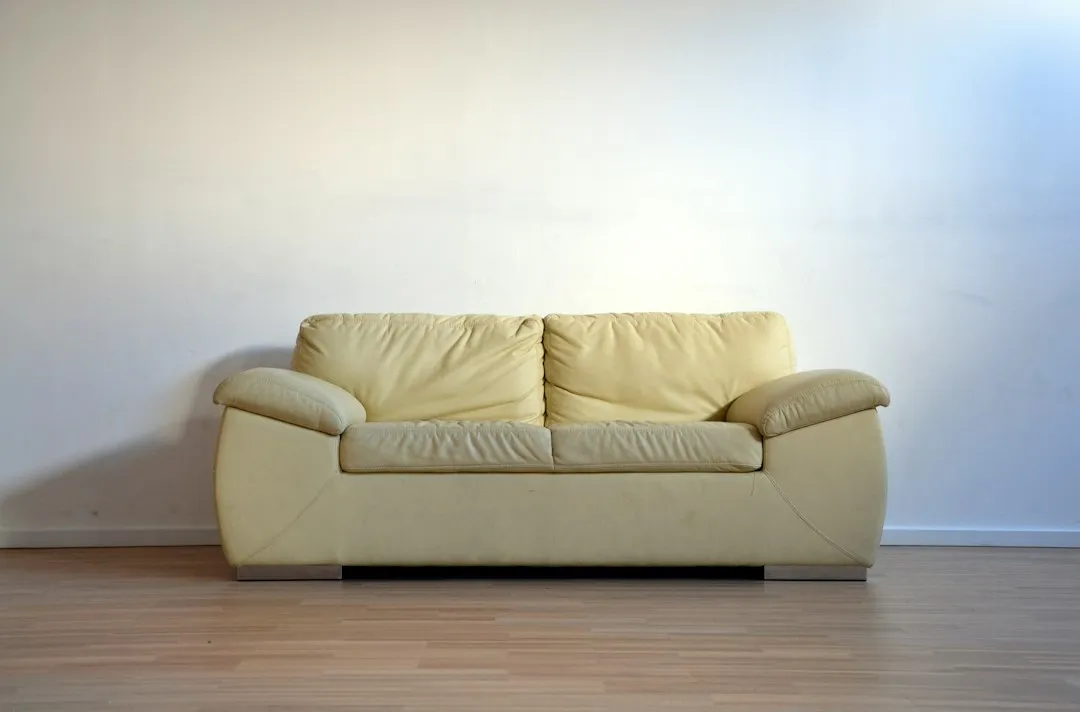
When cushions stay flat even after a night off the sofa, the foam cell structure has broken down permanently and fluffing won’t fix it. There is a point of no return, and knowing where it is helps you decide between a targeted repair and a full replacement.
A thin foam or fiber layer placed over an existing cushion adds immediate firmness and extends usable life without full replacement. Replacement foam typically costs $50 to $150 per cushion, far less than a new sofa. That cost gap makes repairs a logical first step before giving up on an otherwise solid piece of furniture.
If the frame remains structurally sound, repairs such as new cushion fillings or reupholstery can significantly extend the life of a quality sofa. The frame is the foundation. When it holds, you have options.
Pairing the Flip Habit with Basic Cleaning
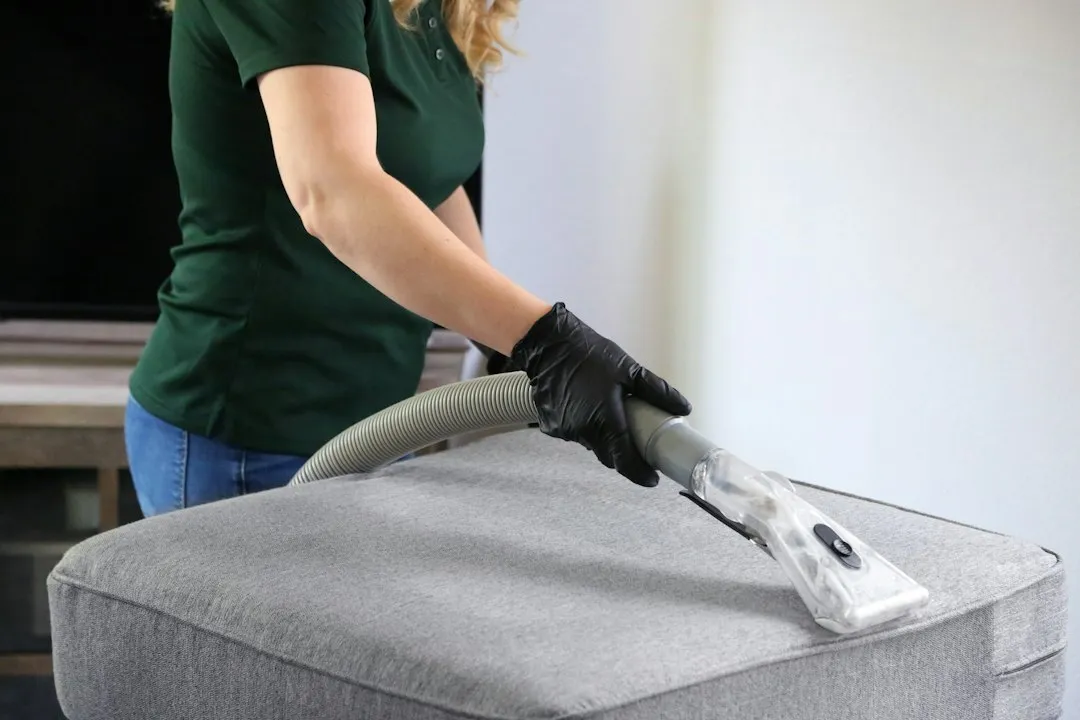
Vacuuming your sofa monthly using the upholstery attachment pulls out dust, crumbs, and allergens before they grind into the fabric. Those particles act like fine sandpaper on fabric fibers every time someone sits down. It is slow damage, but it is cumulative.
Blotting spills immediately and drying thoroughly is the difference between a clean cushion and permanent mildew damage. Moisture trapped inside foam is a serious problem. Mildew breaks down the foam structure from within and creates odors that are nearly impossible to fully remove.
Regular fluffing, rotating, and spot cleaning prevent undue strain on specific areas of your cushions and helps keep your sofa cushion better for longer. These habits reinforce one another. Flipping exposes the underside for a natural airing out, which also helps with moisture management.
What to Look for When Buying a New Sofa
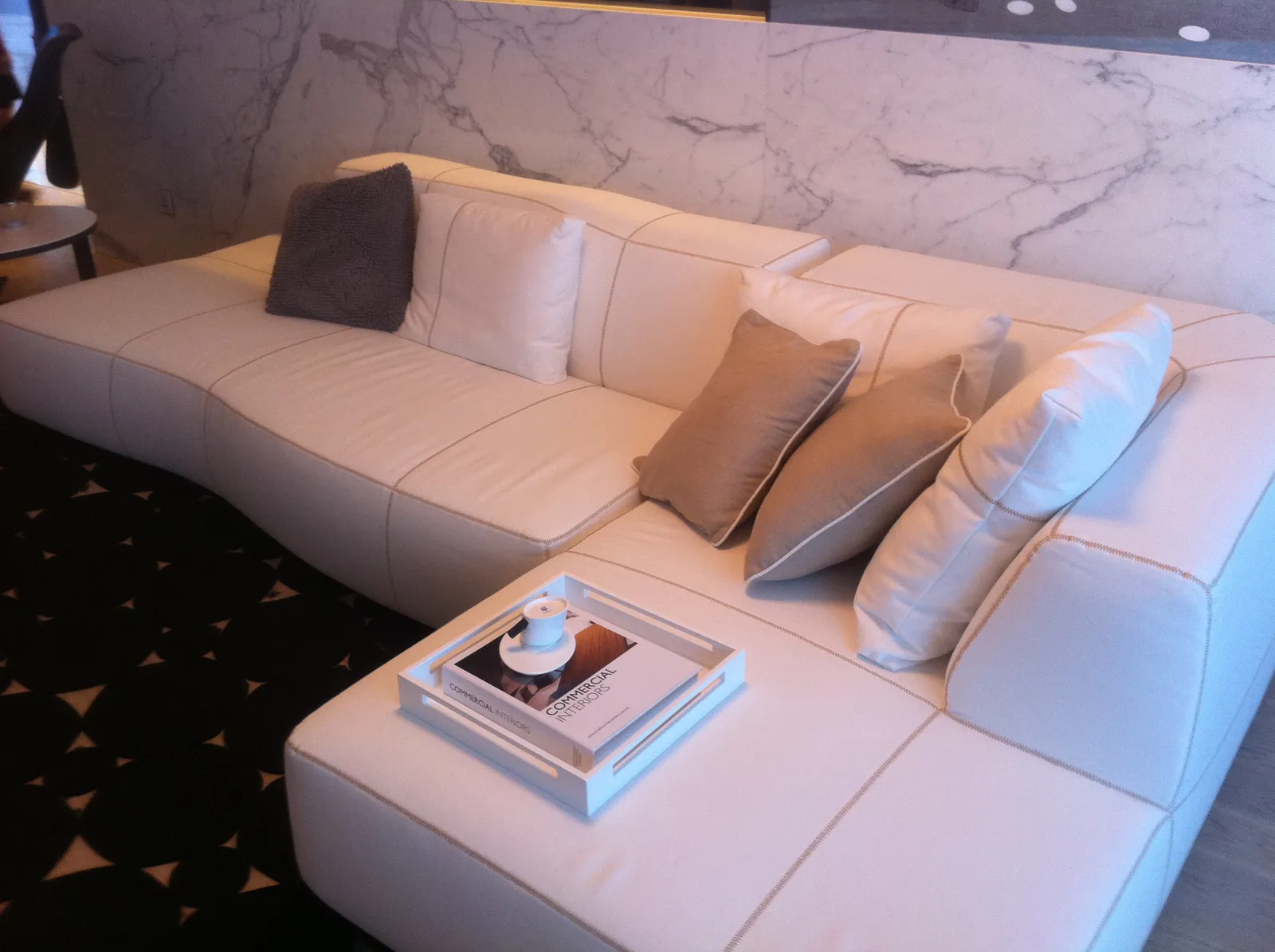
Not every sofa even allows you to flip its cushions. Many budget sofas are built with cushions that are attached or one-sided, which removes this maintenance option entirely. When buying new, it makes sense to prioritize a symmetrical couch where all cushions are flippable.
While sofas usually last between 7 and 15 years, wear and tear is bound to happen before then. The range is wide, and where your sofa lands within that range depends heavily on how it was built and how it is maintained. The two factors are not equally weighted, but they both count.
A lower-cost sofa constructed with particleboard frames and low-density foam may only remain comfortable for around 3 to 5 years before the frame loosens, cushions lose their shape, and fabrics begin to wear. Knowing that going in helps set realistic expectations and informs what level of ongoing care actually makes sense for the piece you own.
A Small Habit With a Genuine Return

It’s worth stepping back and appreciating how unusual this is in home maintenance. Most things that extend the life of an expensive item require money, tools, or expertise. Flipping your sofa cushions requires none of those things. It just requires remembering to do it.
Learning how to rotate sofa cushions is the simplest way to slow uneven wear down. It takes minutes, costs nothing, and helps a well-built sofa keep its comfort and clean-lined shape for far longer. Few home care habits deliver that kind of return on that little effort.
The cushions are where a sofa’s life is actually measured. Take care of them consistently, and the rest of the sofa has a real chance to last well beyond what most people expect.
AI Disclaimer: This article was created with the assistance of AI tools and reviewed by a human editor.