

The Alphabetizer: Control Is Comfort
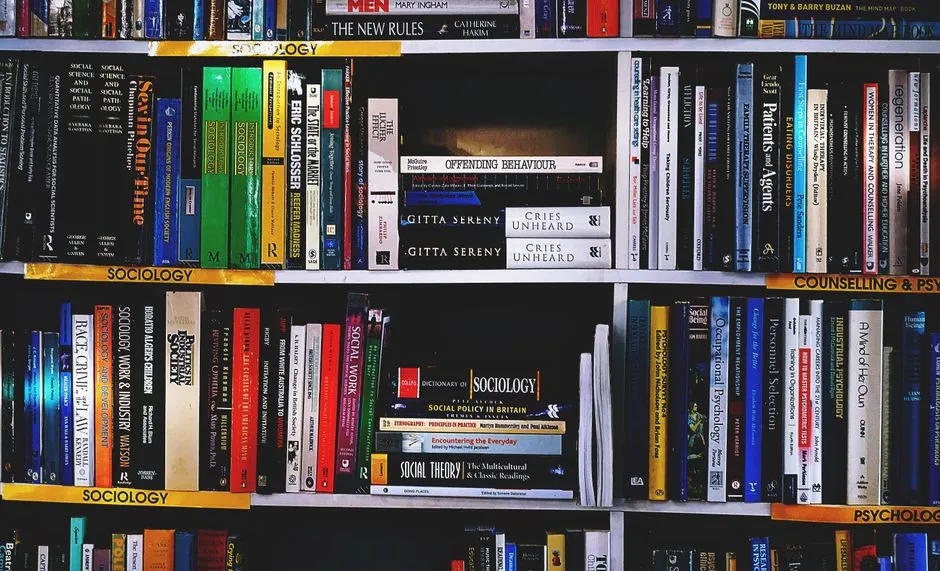
If your shelves run A to Z by author’s last name, you belong to a very particular camp. Alphabetical organization is described as showing someone who cares deeply about their books and wants to find any title in their collection quickly. There’s something almost librarian-like about it, a satisfaction in knowing exactly where everything lives.
This kind of system speaks to a broader preference for predictability and structure. People who score high in conscientiousness tend to benefit from highly detailed, tried-and-true organizational methods. The alphabetized shelf is their natural habitat. It’s not unimaginative so much as deeply practical, the mark of someone who actually uses their library rather than just displays it.
The Color-Coder: Aesthetics Over Access
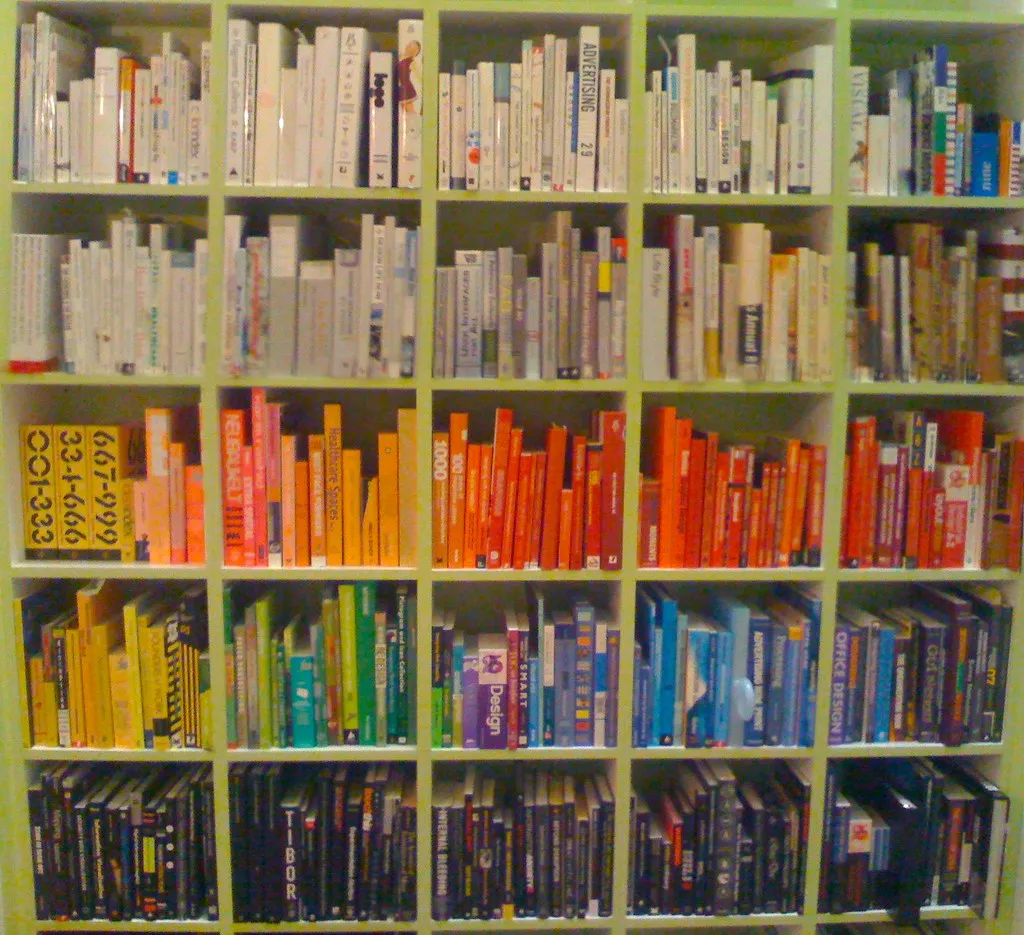
Arranging books by the color of their spines is visually striking and, let’s be honest, mildly impractical. Color coding is a popular way to organize bookshelves, though it does require a bit of self-sacrifice, as it makes finding specific titles harder and demands a lot of time scanning the shelves. People who choose this method tend to know that and make peace with the trade-off.
The person who owns a color-coded shelf is likely to express both artistic sensitivity and a knack for organization. They are the color coordinators of closets and the careful planners of carefully curated spaces, with homes that tend to be odes to intentional design where form and function coexist. It’s a system that prioritizes how a space feels over how efficiently it functions.
The Genre Sorter: Mood Governs Everything

Some people divide their shelves into distinct territories: fiction here, history there, cookbooks in their own corner. This approach reveals someone who reads in moods rather than on impulse. Grouping books by genre keeps mysteries in one section and DIY guides in another, allowing browsing based on current mood, whether you want an intellectual challenge or a light escape.
A mixed range of genres kept deliberately together can signal psychological flexibility. People who read broadly are often comfortable shifting perspectives and may like facts and imagination, structure and feeling, expertise and play. Genre sorters tend to be organized thinkers who still want room to wander.
The Chronological Stacker: Memory as Method
Some readers arrange their books not by author or color, but by the order in which they were read or acquired. The result looks almost like a timeline. These shelves are like rings in a tree, with each layer marking a different period of their owner’s life. It’s a quietly sentimental system, one that turns a bookcase into something closer to a diary.
People who organize this way often have strong autobiographical memory and place high value on experience over efficiency. The shelf isn’t a reference tool. It’s a record. Finding a book involves remembering when you bought it, where you were in life at the time, and what it meant to you, which says something warm and reflective about how they think.
The Organic Chaos Keeper: Intuition Over System

Not everyone has a system, and that itself is revealing. People with more organic arrangements are often spontaneous, intuitive, or less interested in controlling every detail. Their shelves can feel conversational, almost as if one interest kept leading them to the next. There’s a kind of intellectual restlessness behind it.
These “random” arrangements often show surprising patterns on close inspection, with the frequent reaching for certain books creating natural clusters of favorites. The chaos, in other words, isn’t random at all. It’s just organized by use rather than logic, which turns out to be its own kind of system.
The Spine-In Shelver: Privacy Is Personal
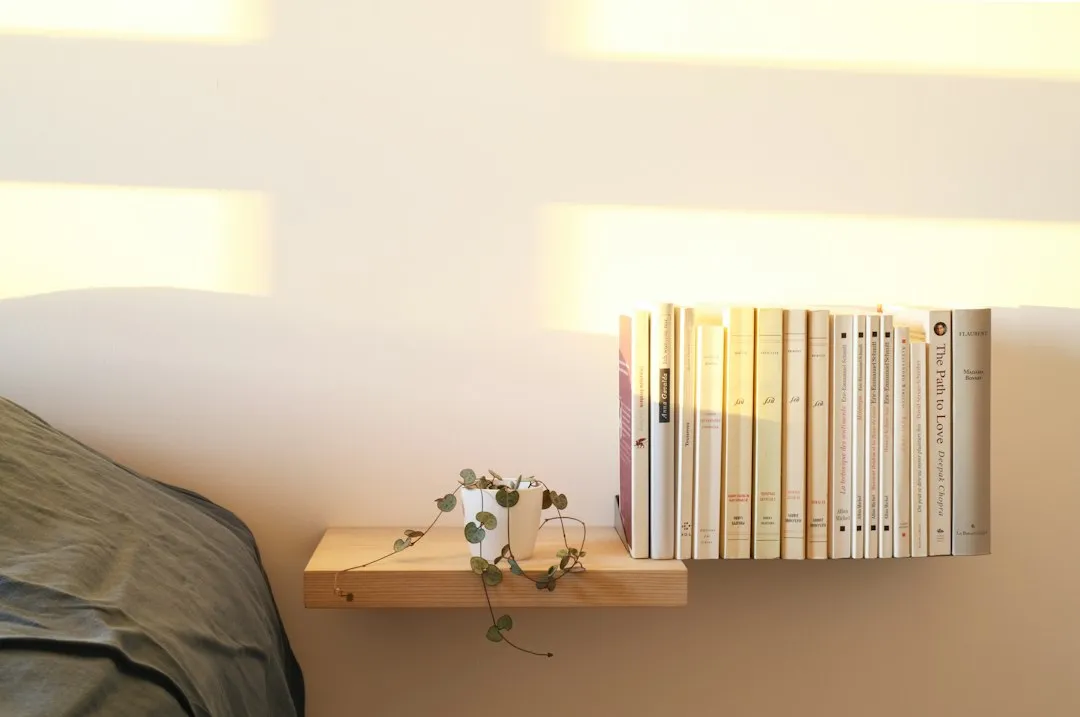
Turning books spine-inward so only the page edges face out is one of the more quietly loaded arrangements. It became a briefly debated aesthetic trend online, but psychologically it’s interesting. The person who does this is effectively hiding their reading life from visitors, choosing to curate what others can and can’t read about them.
If the arrangement feels intentional, even when it looks unusual to someone else, it usually reflects a person who understands their own habits quite well. That can point to a thoughtful personality, the kind that pauses before forming opinions and likes to absorb meaning instead of skimming past it. Spine-in shelving, then, can be less about style and more about a certain guarded self-awareness.
The Worn-Book Keeper: Ideas Are for Living

Some shelves hold pristine books, spines uncracked, covers unblemished. Others show books that have clearly been through it: folded corners, coffee-stained pages, broken spines. A cracked spine or a soft cover that has clearly traveled from room to room tells a different story than a pristine stack arranged for show. It suggests a person who returns to ideas because they matter in daily life.
The keeper of worn books tends to be a reader who takes ideas seriously and treats books as tools rather than objects. They’re not building a collection to impress. They’re building a conversation with the texts they’ve chosen, returning to passages, questioning the margins, using the shelf the way a workshop uses its tools.
The Philosophy and Nonfiction Dominant: Openness Signals Itself
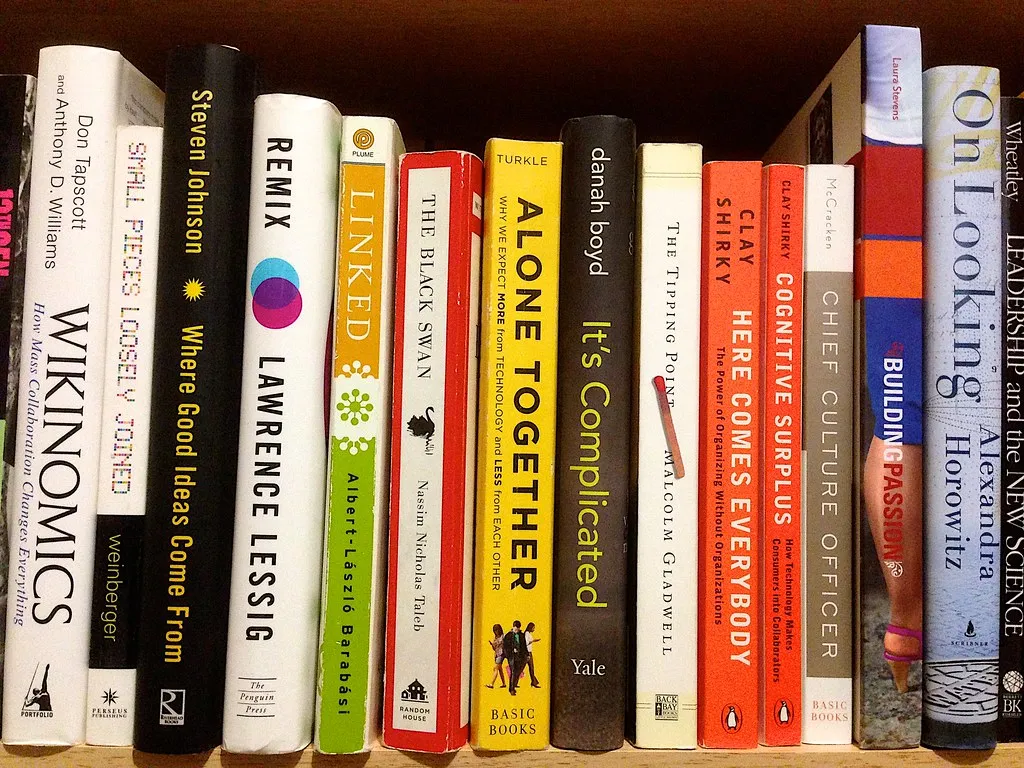
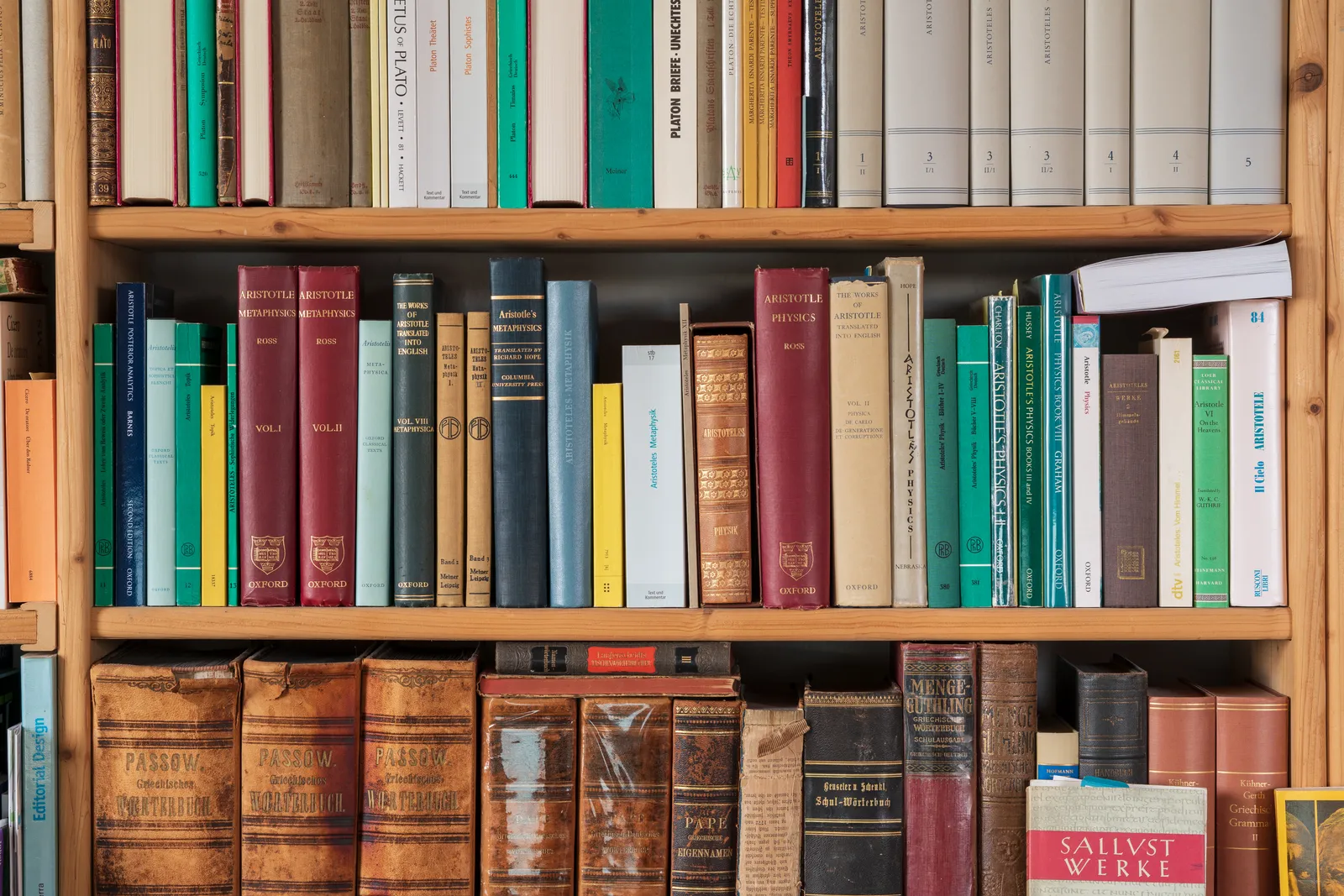
When a shelf leans heavily toward nonfiction, philosophy, science, or history, it carries its own personality signal. Research found that books tagged “philosophy” were associated with a greater degree of openness and a lesser degree of neuroticism, covering a broad range including philosophical novels, spirituality, science, politics, and psychology.
Research has found that reading fiction leads to changes in personality and increased empathy, and while book reading may influence personality, personality in turn may affect book choice, supported by correlations found between personality and book preferences. People whose shelves skew toward dense nonfiction tend to be curious, self-driven, and comfortable sitting with complexity for long stretches.
The Bookshelf as Background: First Impressions in the Digital Age

In the era of video calls, the bookshelf has taken on a new social role. Many people now choose what appears behind them in a meeting as carefully as they choose what they wear. According to a study from Durham University, individuals who use a bookshelf as their video conference background are consistently rated as more trustworthy and professionally competent than those using a plain wall or a living room background.
This tells us something about how deeply the bookshelf functions as a social object. It’s not just storage. It’s a statement about who you are, or at least who you want others to believe you are. The books you show on camera are a curated selection, and that curation, however subtle, is its own form of personal branding.
The Family Bookshelf: What Grows Up With You
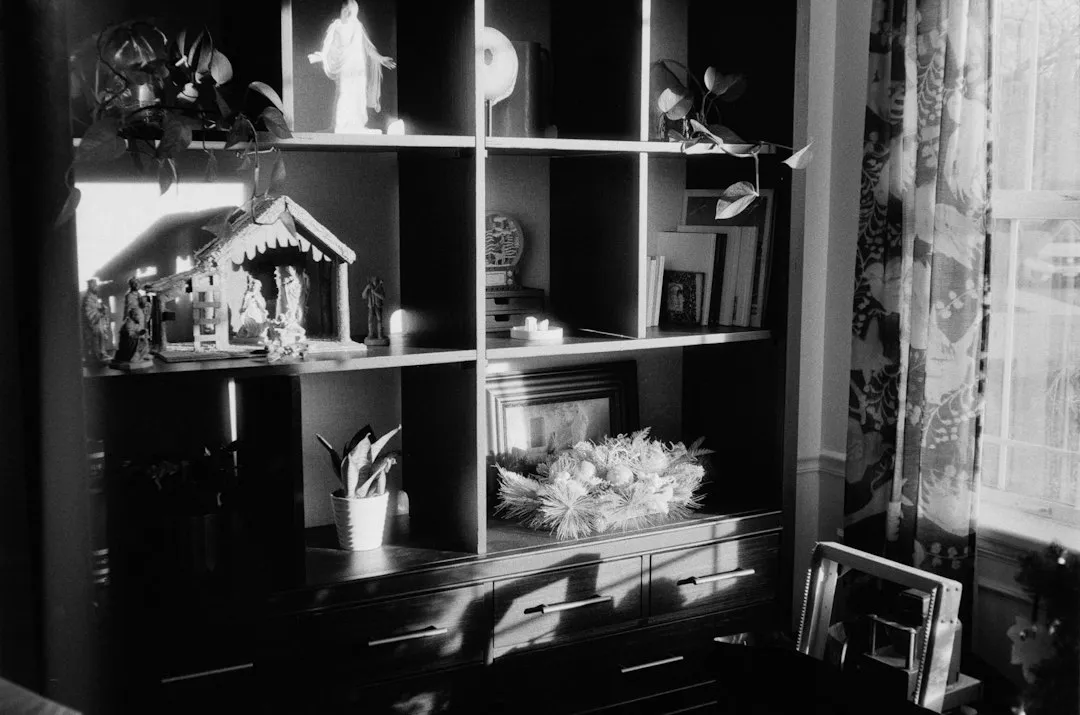
Perhaps the most consequential bookshelf arrangement isn’t one you choose as an adult at all. It’s the one you grew up around. A study published in Social Science Research assessed data from 160,000 adults across 31 countries, and the findings on home libraries were striking.
According to researchers led by Australian National University senior sociology lecturer Joanna Sikora, participants who had around 80 books at home tended to have average scores for literacy, while those who grew up in homes with fewer than 80 books tended to have below-average literacy. Literacy improved until the number of books reached 350, after which it didn’t seem to matter. The family shelf isn’t just a reflection of who you are. It’s part of what shaped you.
Beyond literacy, the study’s authors found a correlation between homes full of books and both the ability to use mathematical concepts in everyday life and the ability to use digital technology to communicate with others. So the person who grew up surrounded by overflowing shelves isn’t just more likely to love books. They’re often more capable across a surprising range of skills.
The Takeaway
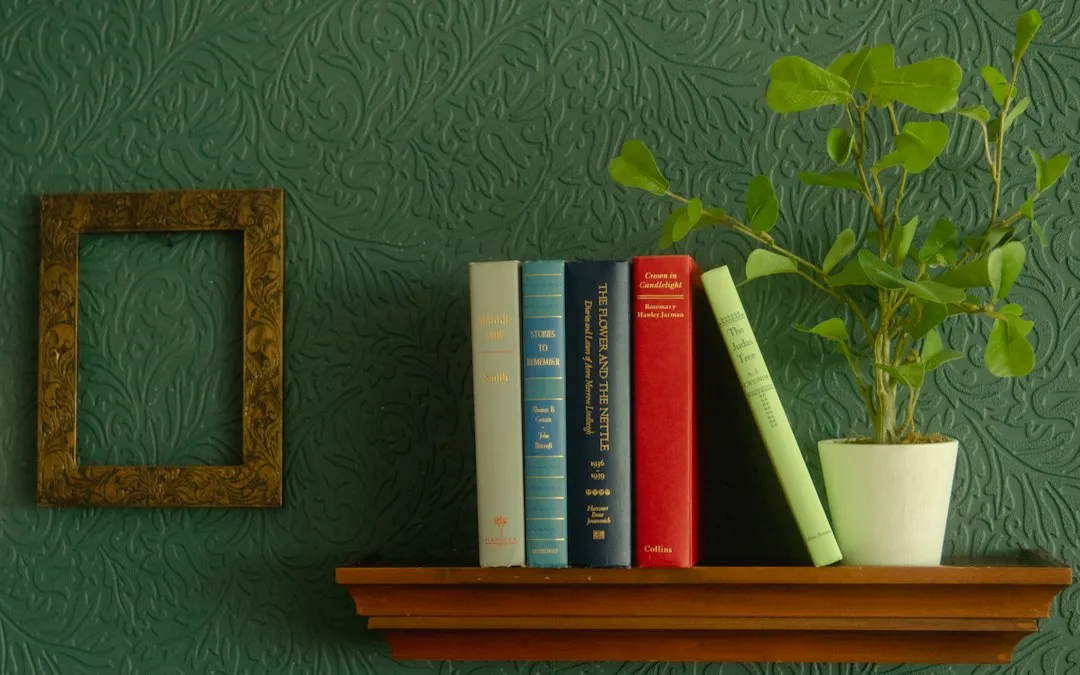
Your bookshelf arrangement isn’t a personality test with a fixed key. It’s messier and more interesting than that. The same shelf that marks you as organized to one visitor might read as cold to another. The chaotic pile of paperbacks that looks like clutter from the outside might be a deeply personal map of your intellectual life.
What the research consistently suggests is that how you live with books, not just which books you own, reflects something real about how you think, how you feel about order, and how much you care about being understood versus being private. The shelf doesn’t lie. It just lets you decide how much of the truth to leave visible.
AI Disclaimer: This article was created with the assistance of AI tools and reviewed by a human editor.