
Most people don’t give their sock drawer a second thought. It’s a drawer. You open it, grab something, close it, and move on. But the more you look at how people actually manage this small, overlooked space, the more it starts to feel like a surprisingly honest window into how someone operates in everyday life.
Psychologists, anthropologists, and consumer researchers have all taken a closer look at our sock habits over the years, and what they’ve found is genuinely interesting. From personality types linked to drawer chaos to the rise of intentional mismatch as a form of self-expression, there’s more going on in that drawer than a tangle of cotton and elastic.
The Perfectly Matched Perfectionist
If your socks are folded, sorted, and stacked with quiet precision, you’re probably someone who values order across the board. If every pair is neatly folded and organized, it typically reflects someone who values order and attention to detail. That impulse usually extends beyond the drawer, showing up in how you plan your week, manage your desk, or approach a project deadline.
What’s worth noting, though, is that this doesn’t always mean everything in your life is tidy. The most meticulous and structured people can actually have the messiest sock drawers, at least according to a study done on Chemistry.com. The neatness in one place can mask deliberate chaos elsewhere, which makes the sock drawer a less reliable personality test than it might initially seem.
The Chaos Collector Who Has Their Life Together
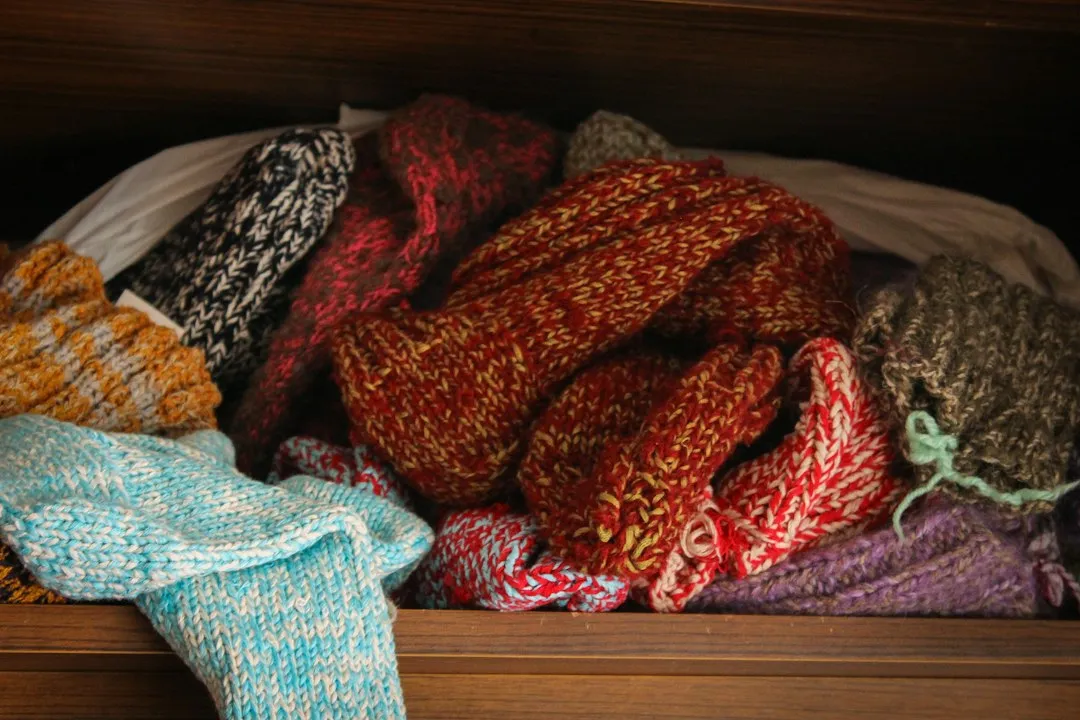
A 2011 study found that strict routine-havers can have surprisingly messy sock drawers. This seems contradictory at first, but the logic holds up. People who have the genuinely important things managed well often stop caring about trivial, hidden spaces. The sock drawer is the perfect place to let things go.
Dr. Helen Fisher, creator of the chemically based personality test for Chemistry.com, found that those with messy sock drawers were likely to be the Builder type. Builders are the most organized of the four personality types and tend to be moralistic, calm, and home-oriented. It can be suggested that Builders have the important things straightened out and organized, leaving the trivial, hidden things messy. In other words, a chaotic sock drawer can be a sign of solid priorities rather than general disorganization.
The Comfort-First Minimalist
Some sock drawers aren’t chaotic at all. They’re just plain. The same five or six styles, probably all in neutral tones, worn until the elastic gives out. This kind of drawer tells its own story, one about practicality, efficiency, and a low tolerance for decision fatigue in the mornings.
Roughly fifty-five percent of consumers prioritize comfort as the primary reason for a sock brand choice. That’s a majority, which means the comfort-first minimalist isn’t some niche outlier. They’re the average consumer, and they’ve simply decided that socks are not the battlefield for self-expression. That’s a valid position.
The Bold Pattern Enthusiast
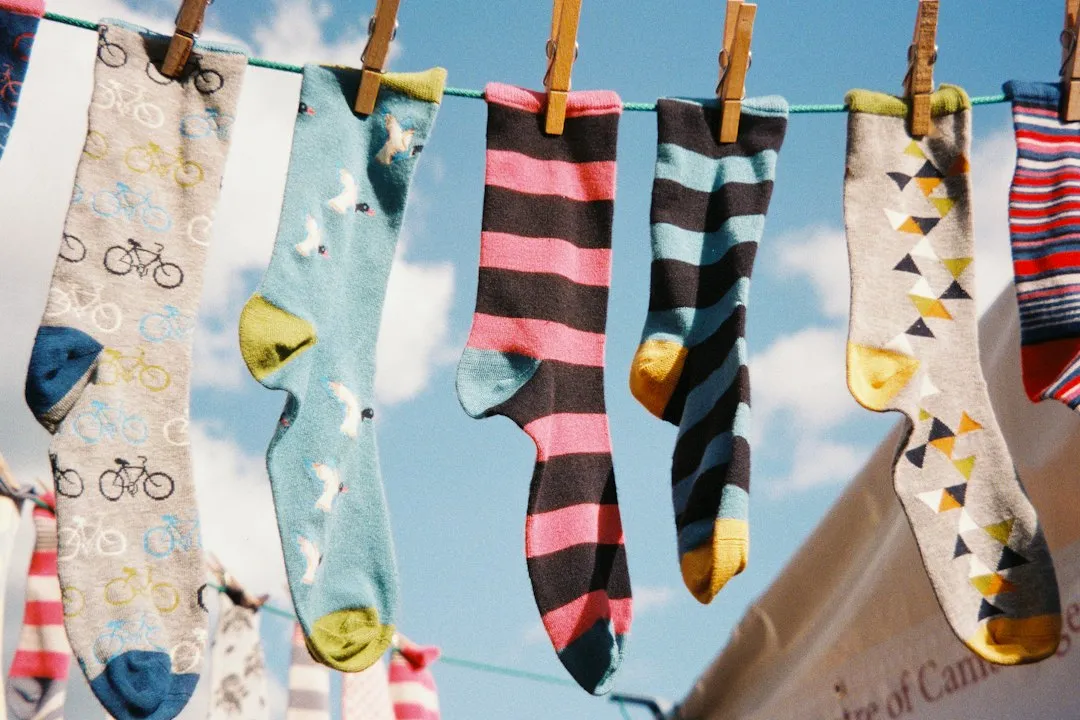
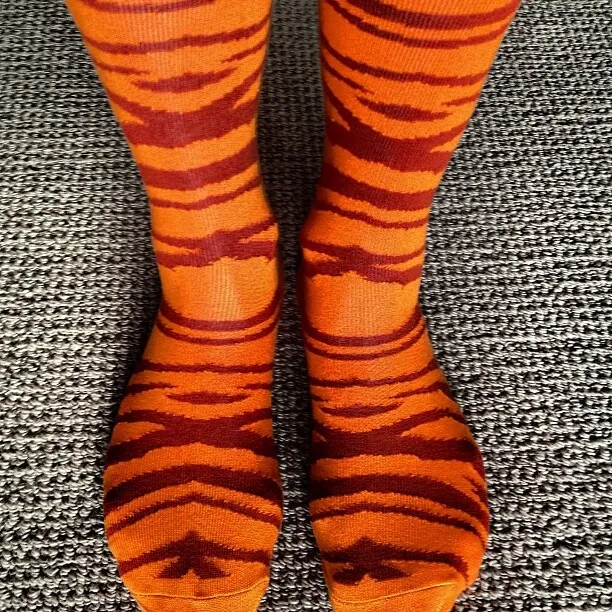
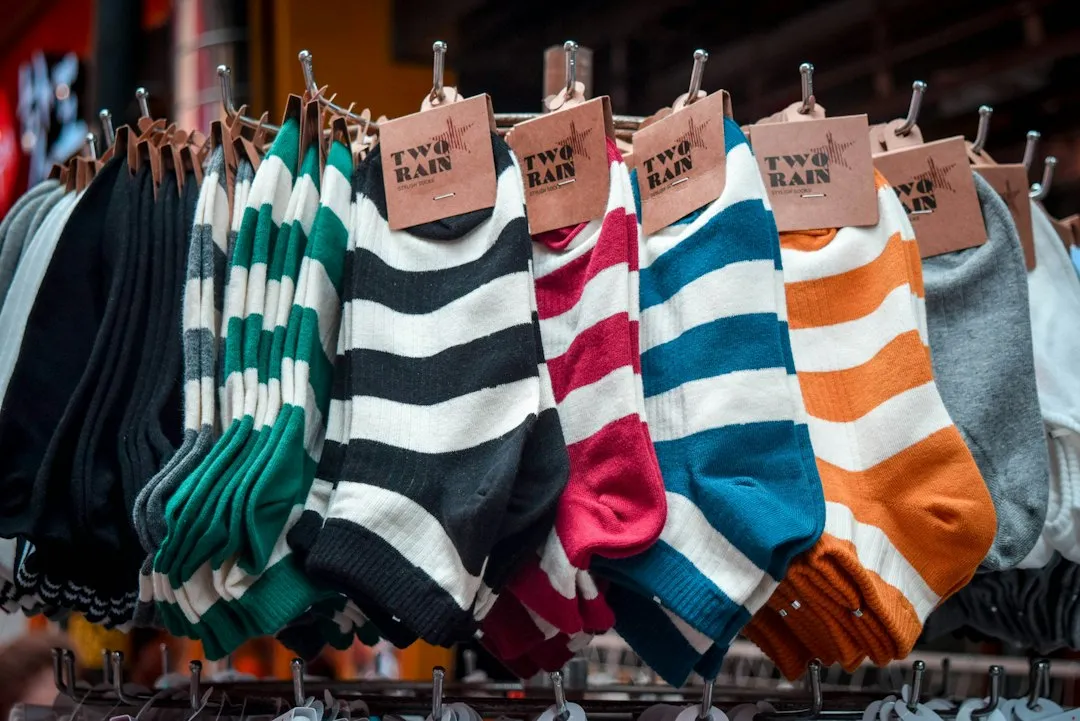
Bright stripes, tiny foxes, illustrated tacos, neon argyle. If your drawer looks more like a textile gallery than a clothing compartment, it’s usually a signal of an outgoing personality that’s willing to inject levity into the ordinary. Those wearing patterned socks are usually seen as bold and outgoing, with a flair for creativity expressing their vibrant and unique style in small, unexpected ways.
The socks people select each morning tend to correlate with their mood, comfort levels, and even their daily agendas. Bright patterns were a favourite for breaking up the monotony of the daily dress. Animal prints can suggest an open mind, bold words a powerful personality. So that drawer full of novelty socks isn’t just clutter. It’s a rotating mood board.
The Intentional Mismatcher
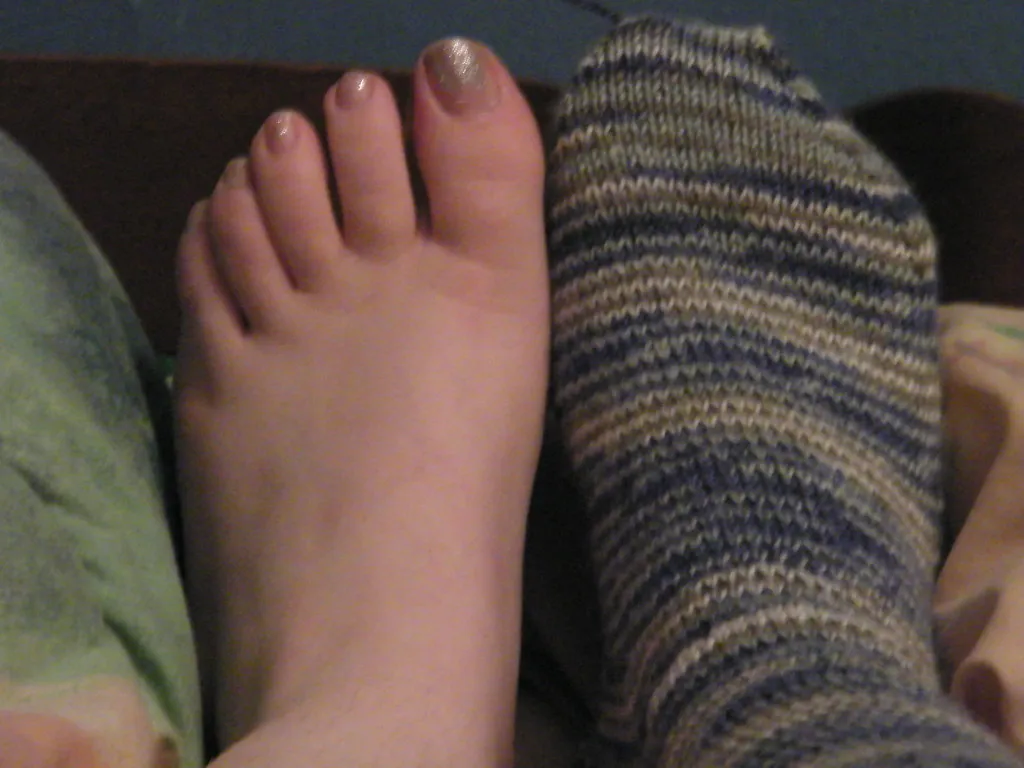
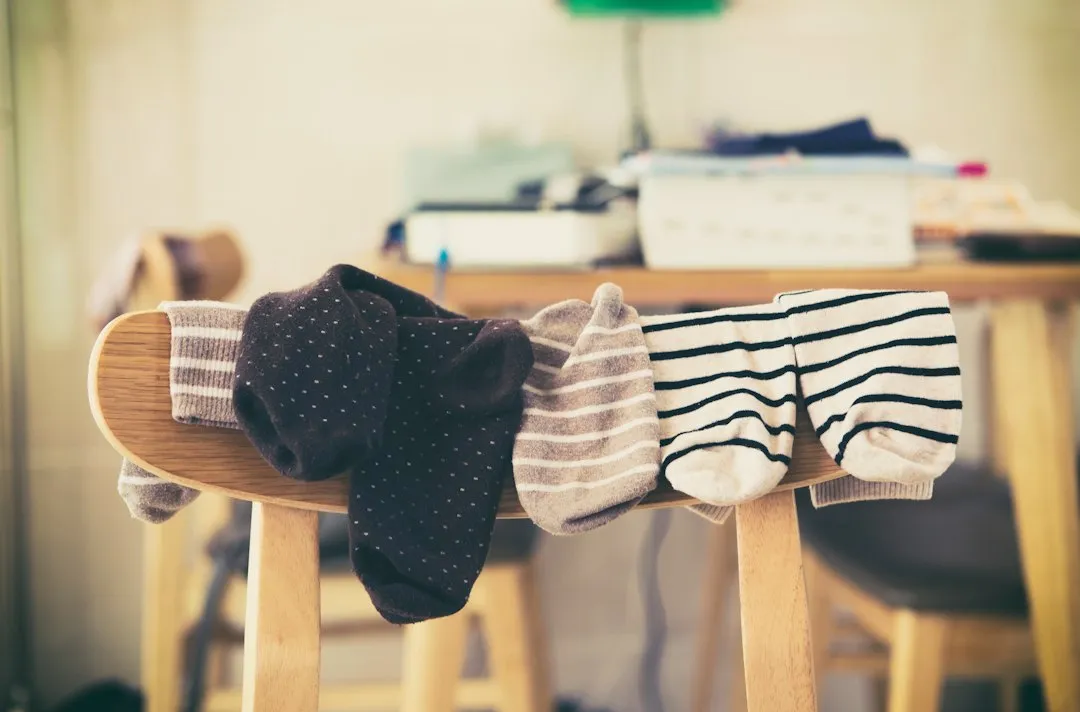
There’s a meaningful difference between accidentally grabbing two different socks in the dark and deliberately choosing a navy polka dot for one foot and a green stripe for the other. The latter is now its own recognized identity. Research in perceptual psychology suggests that people who enjoy visual incongruities tend to score higher on measures of divergent thinking, the ability to generate multiple solutions to open-ended problems.
A 2021 study found that participants who regularly made unconventional clothing choices, including mismatched accessories, showed greater activity in brain regions associated with creativity when engaged in imaginative tasks. Psychological perks of mismatched socks include boosting creativity, promoting a positive mindset, and accepting imperfection, which can lead to greater well-being and self-acceptance. There’s real cognitive substance to what might look like morning laziness.
The Strategic One-Drawer Organizer

Some people keep a sock drawer that is immaculate while every other drawer, shelf, and surface in their home is in various states of disorder. This isn’t a contradiction, and it isn’t denial. Psychology says people who keep one drawer perfectly organized while the rest of their home stays chaotic are maintaining a single place where they get to feel in control of something.
Research found that when people face unpredictable situations, they lean on predictable, organized actions to regain a sense of control. The sock drawer becomes something like an anchor point. It costs little effort, it’s always there, and it provides a small but reliable hit of order first thing in the morning. That’s a smarter coping mechanism than it sounds.
The Athletic Sock Specialist
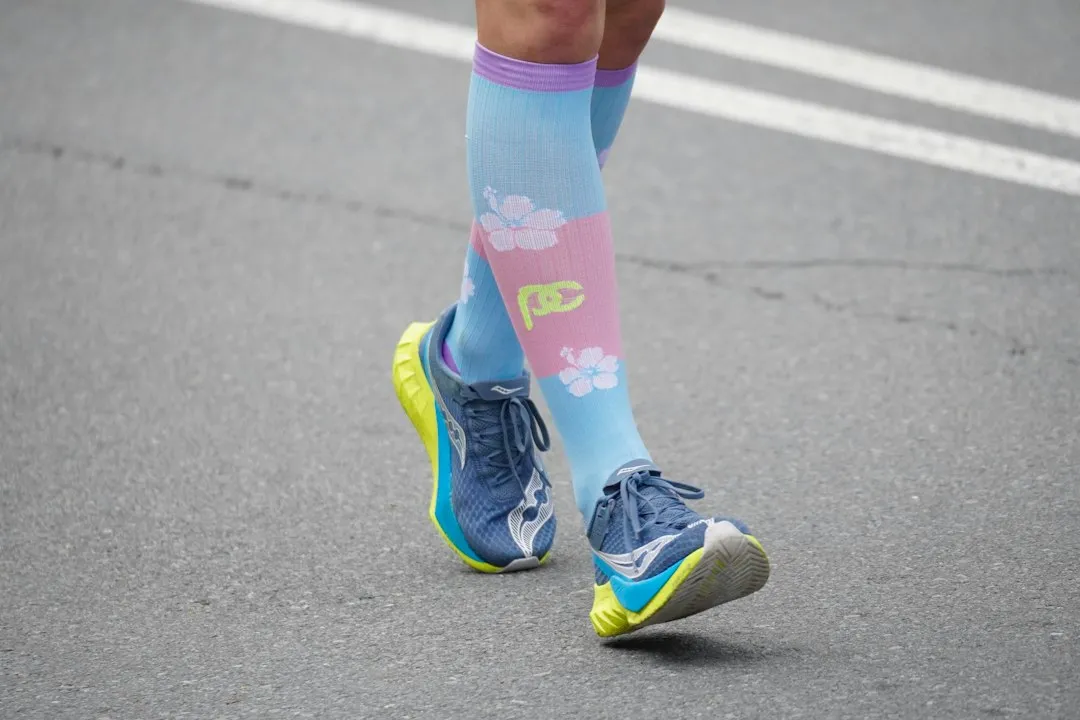
If your drawer is a wall-to-wall lineup of compression socks, moisture-wicking tubes, ankle cuts, and running-specific cushioning, you’re part of a large and growing tribe. Athletic socks now account for roughly thirty percent of total industry volume. This drawer type says something specific: performance, routine discipline, and a tendency to invest where it matters.
Compression socks, crucial for circulation and health, were expected to reach three hundred and fifty million pairs by 2025. People who maintain a carefully curated athletic sock collection tend to be detail-oriented about their physical routines in general. What’s in that drawer reflects what’s on their training schedule.
The Hoarder Who Keeps Everything

You know those socks. The ones with the barely-there elastic, the small hole near the toe, the pair that somehow never makes it into the trash. A counselor at Village Family Center explains this habit through the tension between our disposable society and an aversion to wastefulness. The result is the “in case I need it someday” symptom: not willing to fix imperfect items, but also not wanting to let go of them.
This kind of drawer, stuffed with socks that really should have been retired seasons ago, often reflects a broader attachment to objects and a reluctance to close doors. It’s not laziness so much as a reluctance to make final calls. The overstuffed drawer bothers people even when they aren’t thinking about it. The person who enjoys sorting it is unusually willing to make those calls. Most people, though, prefer to just close the drawer.
The Sustainable Shopper
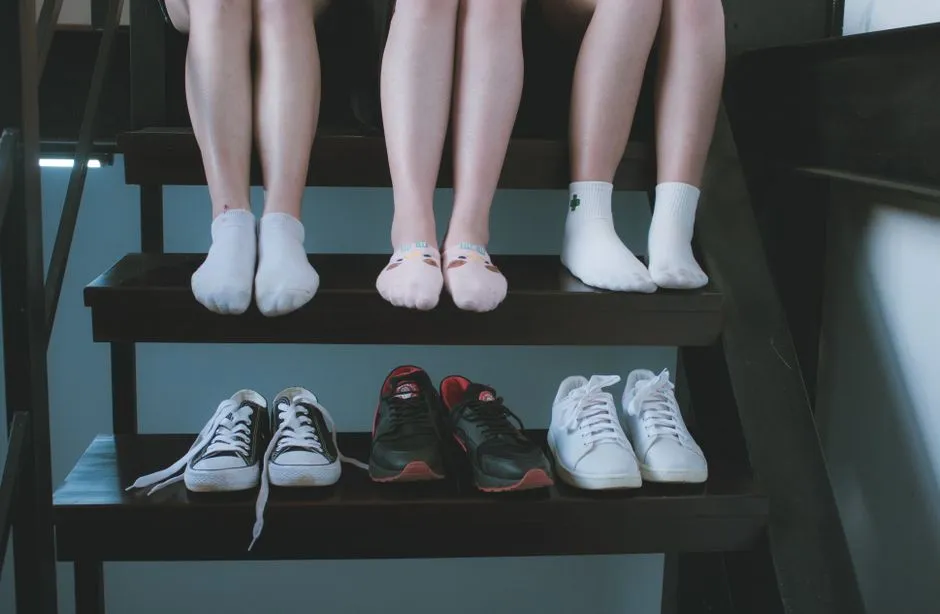
A growing number of sock drawers now contain bamboo fiber pairs, recycled cotton blends, and other consciously sourced materials. This isn’t a niche movement anymore. Bamboo fiber socks have seen a twelve percent increase in utilization since 2020. Eco-friendly socks made from recycled materials have increased by two million pairs per year over the last two years.
Approximately three quarters of global sock consumers say they’re willing to change their consumption habits to reduce their environmental impact. A drawer stocked with sustainable options usually belongs to someone who thinks downstream, who considers what happens after the product’s useful life ends. It’s a small but deliberate statement.
The Person Who Hasn’t Thought About This at All
There’s a genuinely common sock drawer type that often gets overlooked: the one that just exists. No system, no philosophy, no color-coded rows. Just socks, in a drawer, because that’s where socks go. Individuals typically refresh their sock drawers every eleven to twelve months, indicating a near-cyclical pattern of purchase. Most of that purchasing isn’t strategic. It happens when the old ones wear out or when socks appear on a sale table near the checkout.
Consumers on average possess around seventeen pairs in their drawer, while the average consumer in the United States purchases around ten pairs per year. About sixty-eight percent of US respondents wear socks daily, with average spending sitting at around twenty-five dollars per person per year on hosiery. This group isn’t indifferent to the world. They’re just busy. The sock drawer is simply not where their attention lives, and there’s nothing wrong with that.
The Takeaway
What makes the sock drawer such an oddly revealing space is that most people never think about it consciously. It’s private, it’s routine, and nobody organizes it for an audience. That’s exactly why it tends to reflect genuine habits rather than curated ones.
The sock drawer is one of the most unloved places in our lives, but it’s more than just fabric. Research and evidence show that your sock drawer says a lot about you. It can even reflect your own personality. Whether yours is a color-sorted gallery of merino wool or a pile of mismatched survivors, it’s doing a quiet, honest job of showing how you operate when no one is watching.
AI Disclaimer: This article was created with the assistance of AI tools and reviewed by a human editor.