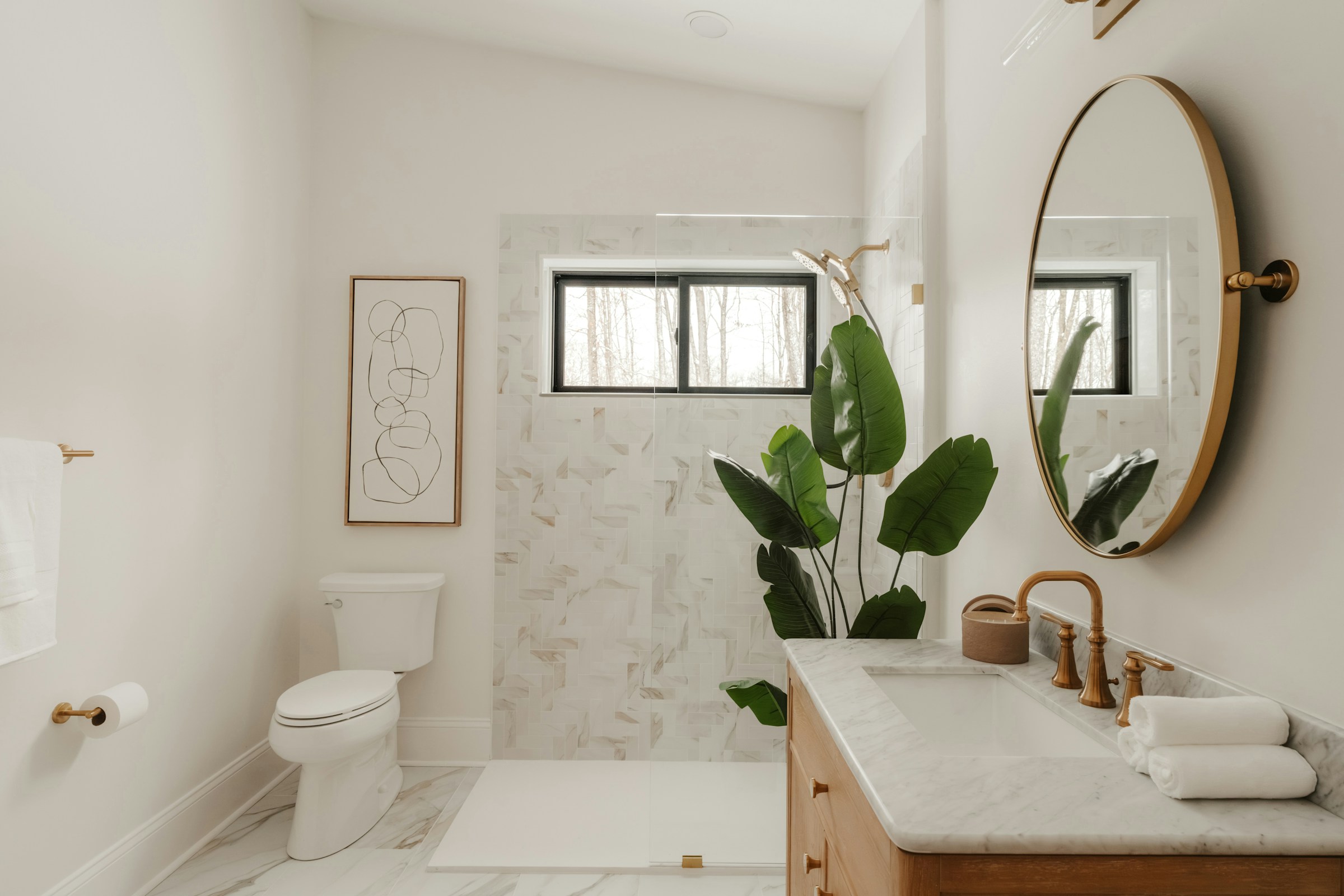

Bathroom Humidity Hits the Sweet Spot for Tropical Plants

Bathrooms sit at a baseline humidity of roughly 30 to 50 percent, with short spikes to 70 to 80 percent during showers being entirely normal. That daily spike is exactly what a large group of houseplants needs. Tropical plants like orchids, monsteras, and philodendrons typically require humidity between roughly 60 and 80 percent, as they originate from rainforests where humidity is consistently high. Your post-shower steam, in other words, is essentially a brief rainforest simulation.
Bathroom humidity spikes to between 70 and 90 percent during showers, which is exactly the environment Boston ferns, calathea, peace lilies, and bird’s nest ferns come from, and the steam that might feel oppressive to humans actively helps these plants grow faster and produce healthier foliage.
Tropical Origins Mean Tropical Conditions Are Familiar
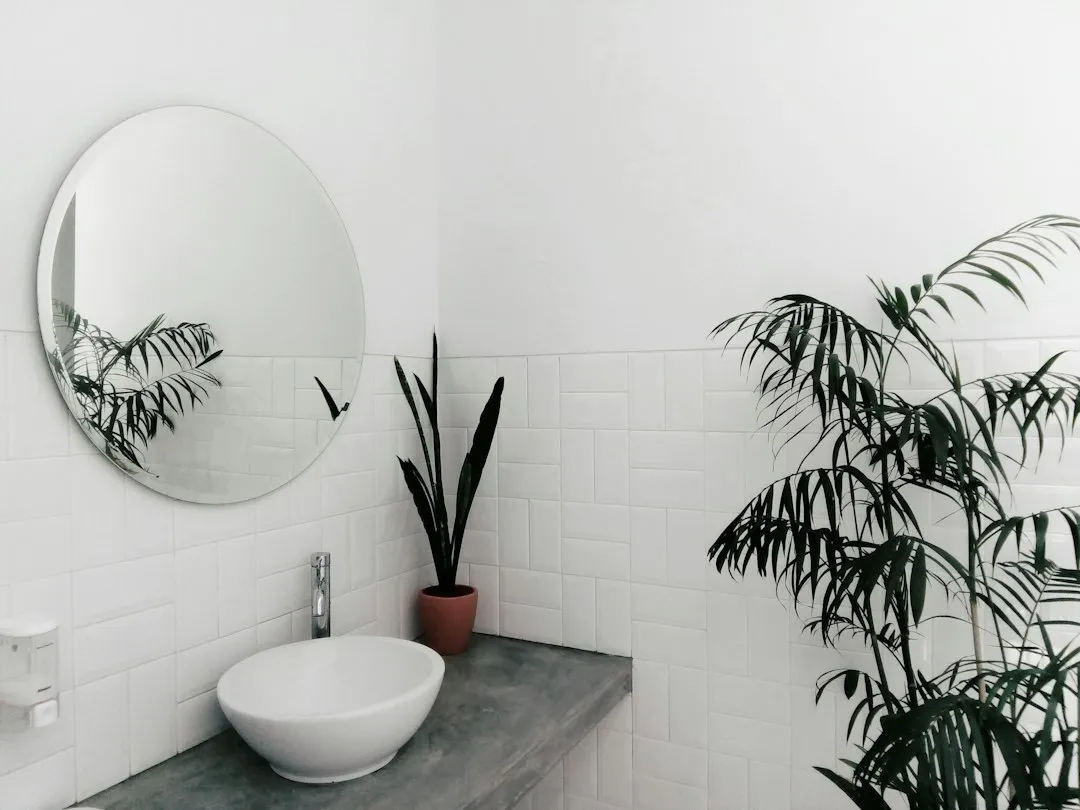
Tropical plants are generally best suited for the bathroom, as the humidity from the shower and the often low or indirect light closely mimic the plant’s native climate. This isn’t a coincidence or a workaround – it’s simply giving a plant what it already evolved to expect. The best plants for a bathroom are those native to tropical rainforest floors, as they already evolved to handle high humidity, warm temperatures, and filtered light.
Any plants with origins in the tropics, such as pothos or Anthurium, will thrive in steamy, humid conditions, meaning long hot showers are not a threat to these plants at all. Their biology is simply already calibrated for it.
High Humidity Reduces Stress on Plant Leaves
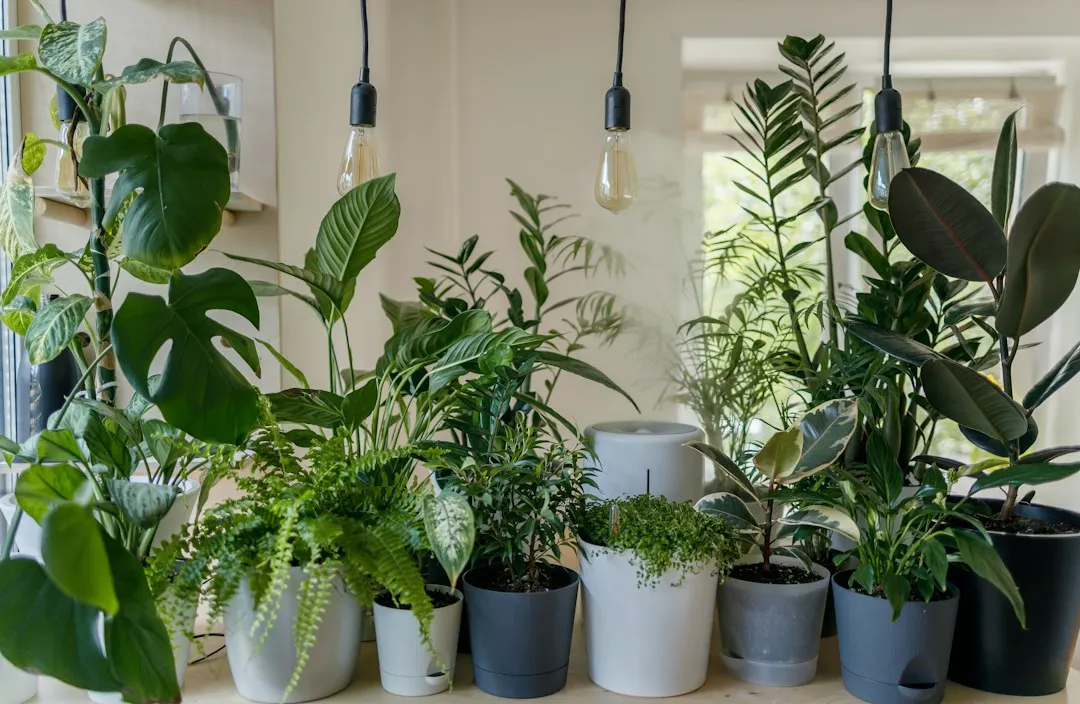
High humidity reduces the rate of transpiration because the air is already saturated with water vapor, while low humidity forces a plant to absorb more water from the soil at a faster pace. In a bathroom setting, that tension on the plant’s water balance is naturally relieved. The opening mechanism of a plant’s stomata is closely tied to the amount of humidity in the air, and if the air is too dry, the plant loses excessive water during transpiration and needs to be watered far more frequently.
What this means in practical terms is that bathroom plants often need less hands-on care than plants kept in drier rooms. The environment does a portion of the work automatically, reducing the margin for error when it comes to watering schedules.
Many Bathroom Plants Absorb Moisture Through Their Leaves
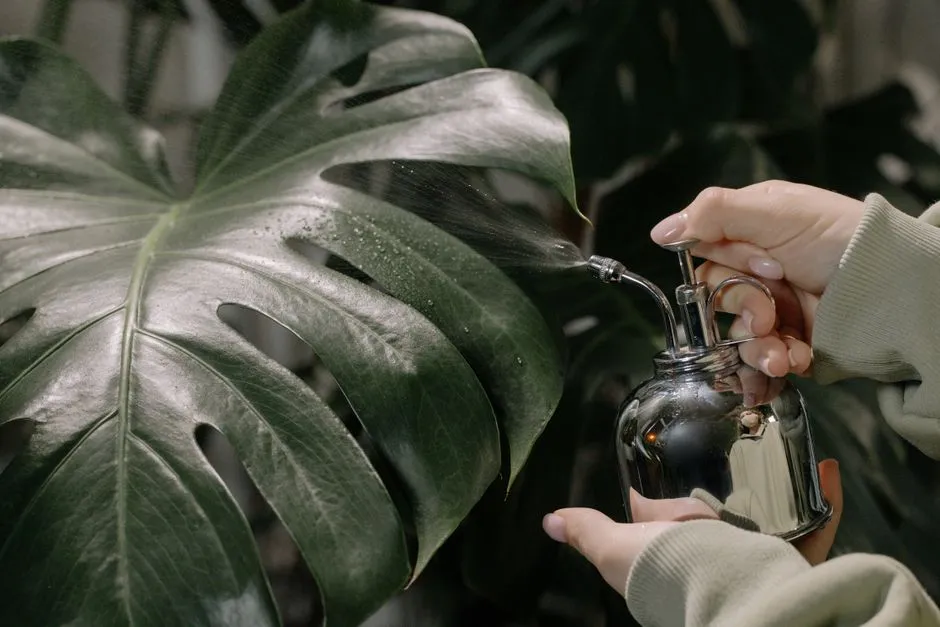
Plants are natural dehumidifiers, as they absorb water from their surroundings through their leaves and release it back into the air through transpiration, and plants that originate from tropical or rainforest environments are particularly well adapted to absorb moisture from the air as well as through their roots. This means the humidity in a bathroom after a shower isn’t wasted – it’s actively used. Air plants work especially well in bathrooms since they absorb water through their leaves, making the moisture left after a shower enough to keep them healthy.
Epiphytes, which are plants that grow on other plants rather than in soil, get their moisture directly from the air. Species like tillandsia, staghorn ferns, and many orchids fall into this category, which makes a humid bathroom not just adequate but genuinely ideal for them.
Indirect Light in Most Bathrooms Suits Low-Light Varieties
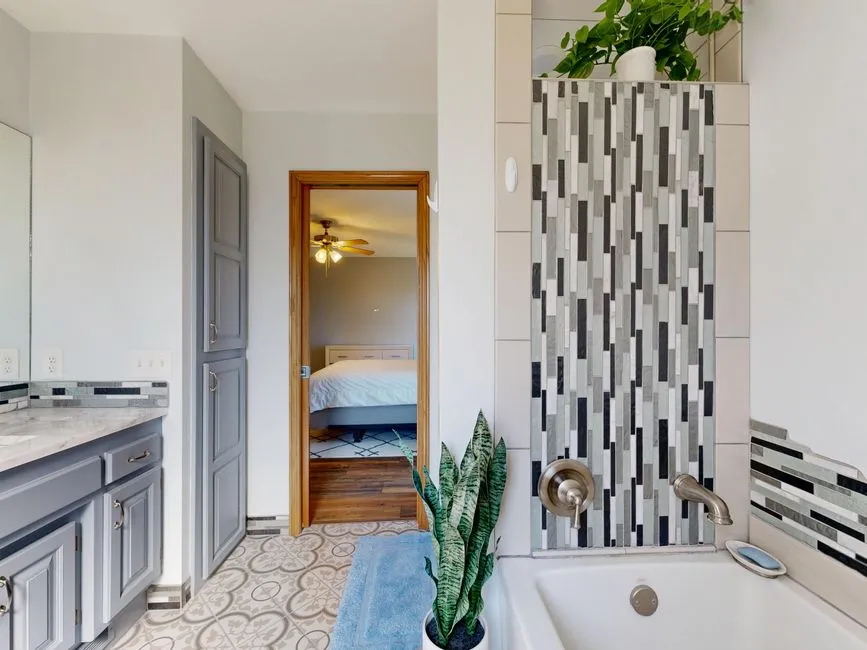
Not every bathroom has a large sun-facing window, and that turns out to be fine for a wide selection of houseplants. Not all bathrooms receive natural light, but this does not prevent plant use, as many varieties can adapt to low-light environments and do not require frequent watering. Snake plants, for example, tolerate very low light levels comfortably, making them perfect for bathrooms without any windows.
Pothos is very adaptable to low light, so even if a bathroom has only a small window with limited light, these plants will still grow and flourish, making them a super hardy plant for even the darkest and dimmest of bathrooms. The lesson here is that a small frosted glass window is not a dealbreaker – it just determines which species you choose.
Stable Warmth Creates a Consistent Growing Environment
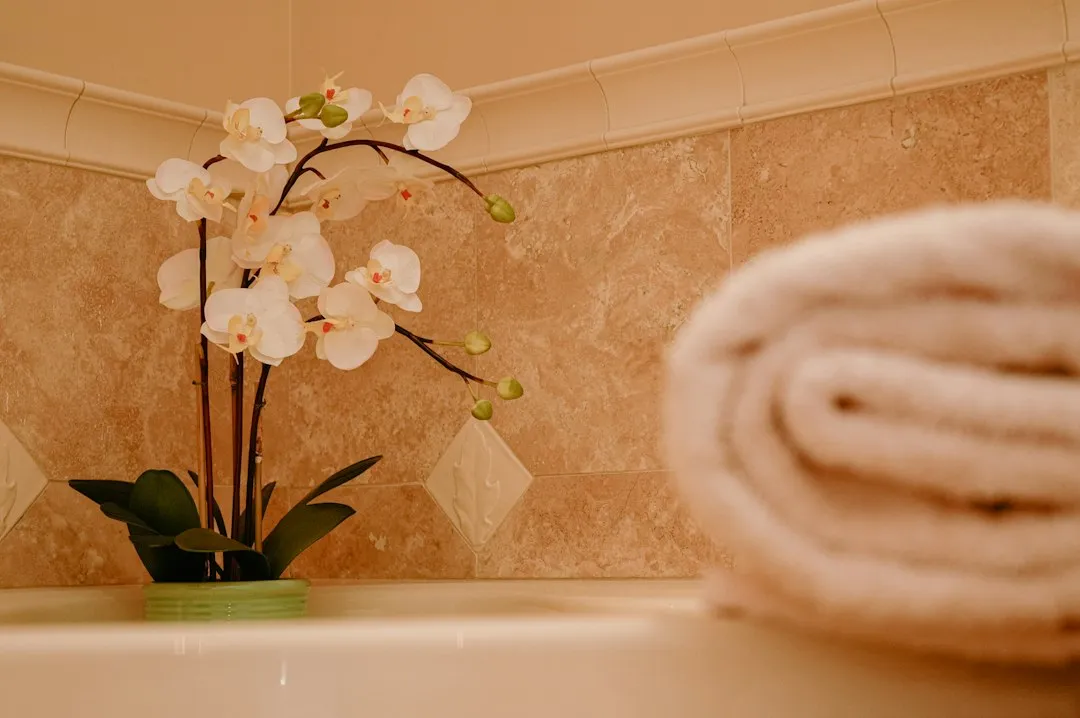
Most bathrooms maintain a relatively consistent temperature because they are interior rooms with little direct exposure to cold exterior walls. Many houseplants do well in bathrooms precisely because of the high humidity and stable temperatures. Tropical plants in particular are sensitive to sudden cold drafts, which are far less common in a bathroom than in a living room near a door or window. Orchids’ tropical origins mean they respond well to the warmth and humidity of a well-used bathroom, while the heavy air moisture helps prevent root dryness, which is so often the main frustration for orchid growers.
Warmth and humidity together create a micro-climate that remains reasonably stable throughout the day. For plants that originate in environments where temperature swings are modest, that consistency supports steady, healthy growth.
Plants Can Help Improve Air Quality in Enclosed Bathroom Spaces
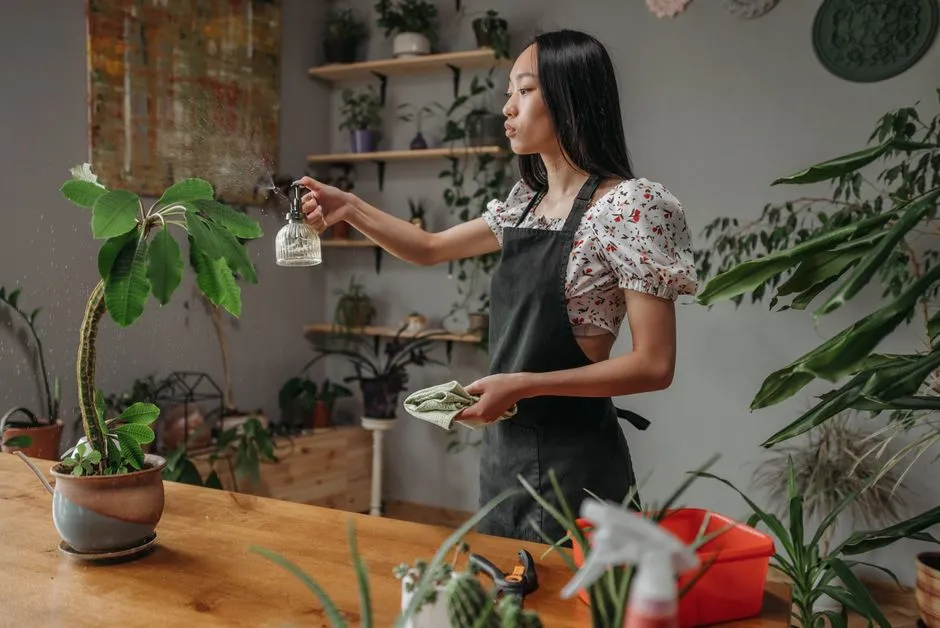
A scientific study reported at the annual meeting of the American College of Asthma and Immunology showed that plants such as English ivy effectively removed more than 75 percent of airborne mold spores. Given that bathrooms are prone to moisture buildup and airborne mold, this is a particularly relevant finding. Another scientific study from Washington State University showed that plants may also pull dust and other particulate matter from the air, another way plants can potentially make a bathroom a tidier place.
Spider plants help purify indoor air by removing toxins like formaldehyde and xylene. Boston ferns and snake plants are also noted for removing formaldehyde, benzene, and other common household pollutants found in cleaning products and building materials. Since cleaning sprays and personal care products are routinely used in bathrooms, having a plant nearby is not purely decorative.
Ferns Are Particularly Well-Suited to Bathroom Conditions
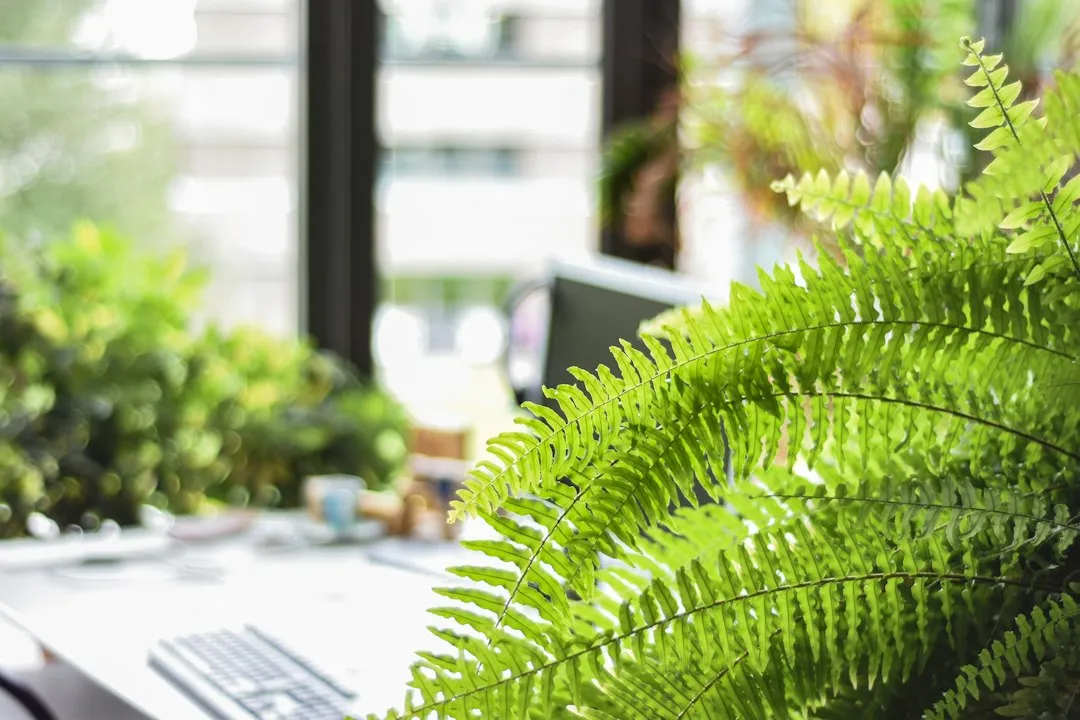
Ferns are a strong option because they thrive in moisture and do not require direct sunlight, and varieties such as Boston ferns maintain their structure well in humid air and respond positively to consistent conditions. They’re one of the most reliably successful bathroom plants because their needs align so neatly with what a bathroom naturally provides. Coming from a rainforest habitat, Boston ferns in particular prefer indirect light and humid conditions, and placing them in the bathroom is a great way for them to get the frequent moisture they crave.
Beyond the Boston fern, other fern varieties like maidenhair and staghorn also love bathroom humidity. Ferns can handle temperature fluctuations and humidity well, though light needs vary by species, so it’s worth researching the specific fern variety before choosing its spot. Generally though, most ferns will settle into a bathroom with little fuss.
Low-Maintenance Varieties Make Bathrooms Forgiving for Beginners
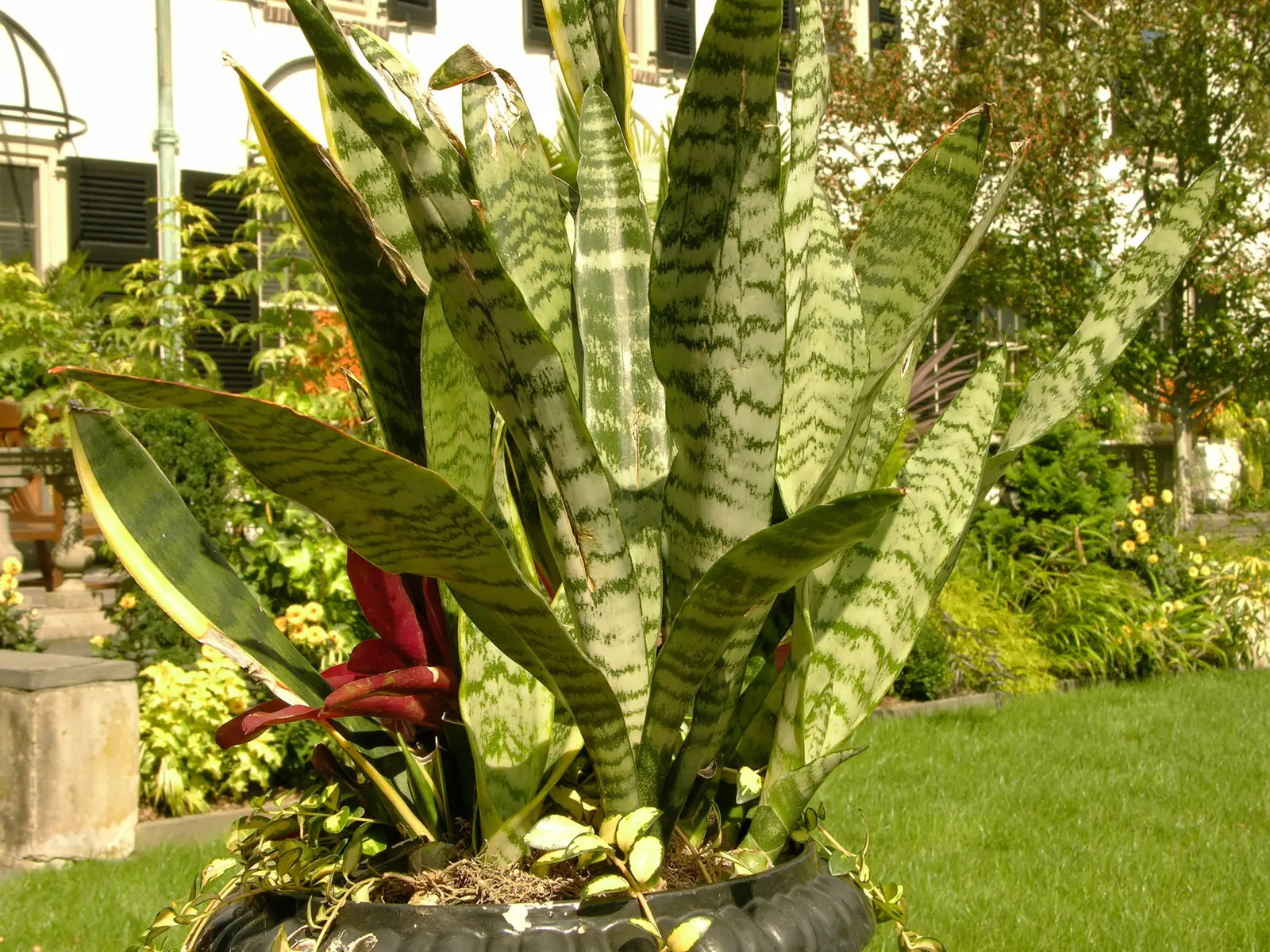
Not everyone has the time or memory to keep up with complex watering routines. The bathroom, fortunately, pairs well with the houseplants that are most tolerant of neglect. Snake plants are considered among the best choices for bathroom beginners who want guaranteed success, as these hardy specimens tolerate irregular watering schedules and flourish in the dim lighting that characterizes most bathrooms, making them virtually indestructible and perfect for first-time plant parents.
Pothos, known for its trailing vines and heart-shaped leaves, is nearly impossible to kill and adapts well to humidity, so bathrooms are essentially perfect for it. ZZ plants tolerate low light levels and infrequent watering, making them a strong pick for less sunny bathrooms. These are plants that accommodate real life rather than demanding perfect conditions.
Orchids Find in Bathrooms What They Struggle to Get Elsewhere
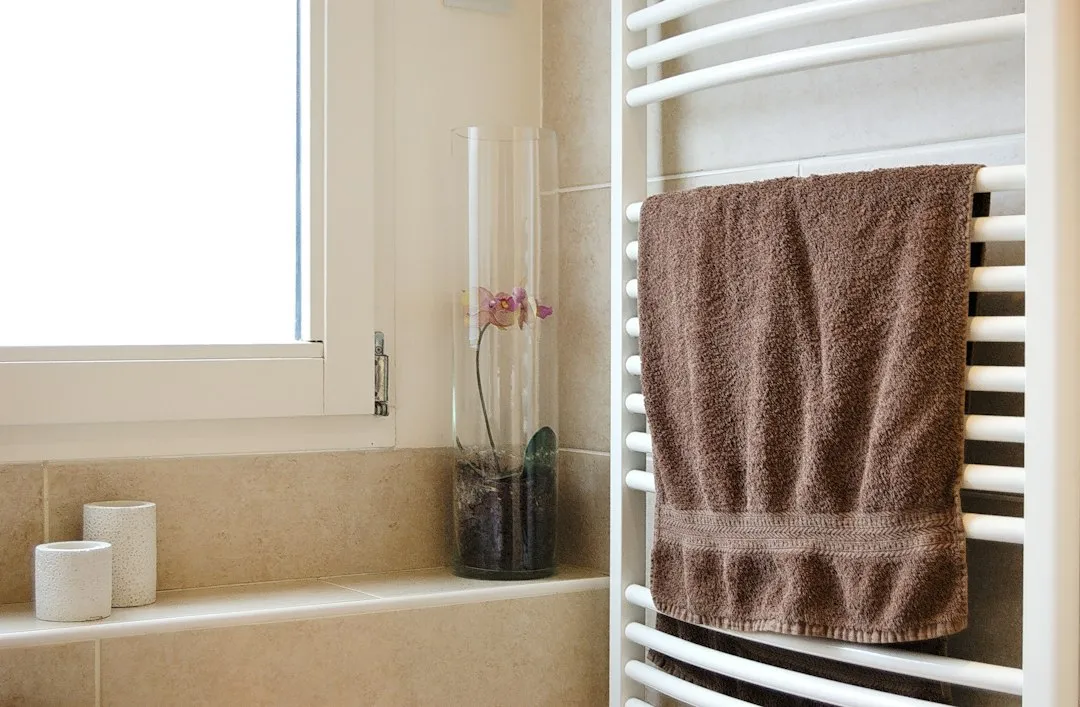
Orchids naturally grow as epiphytes in humid tropical environments that closely resemble bathroom conditions, and they require bright indirect light and consistent humidity to bloom beautifully. In most other rooms of a home, orchid growers go to considerable effort to recreate those conditions through misting and pebble trays. In a bathroom, it largely happens on its own. These tropical epiphytes naturally make their homes in rainforests, where they grow on trees and take in a great deal of moisture from the surrounding air, with most orchids preferring a humidity level between 40 and 80 percent.
Placing an ice cube in the orchid pot once a week and allowing the natural bathroom humidity to do the rest is a widely recommended and effective care routine for bathroom orchids. It’s a good example of how the bathroom environment simplifies what can otherwise be a demanding plant to maintain.
The Takeaway
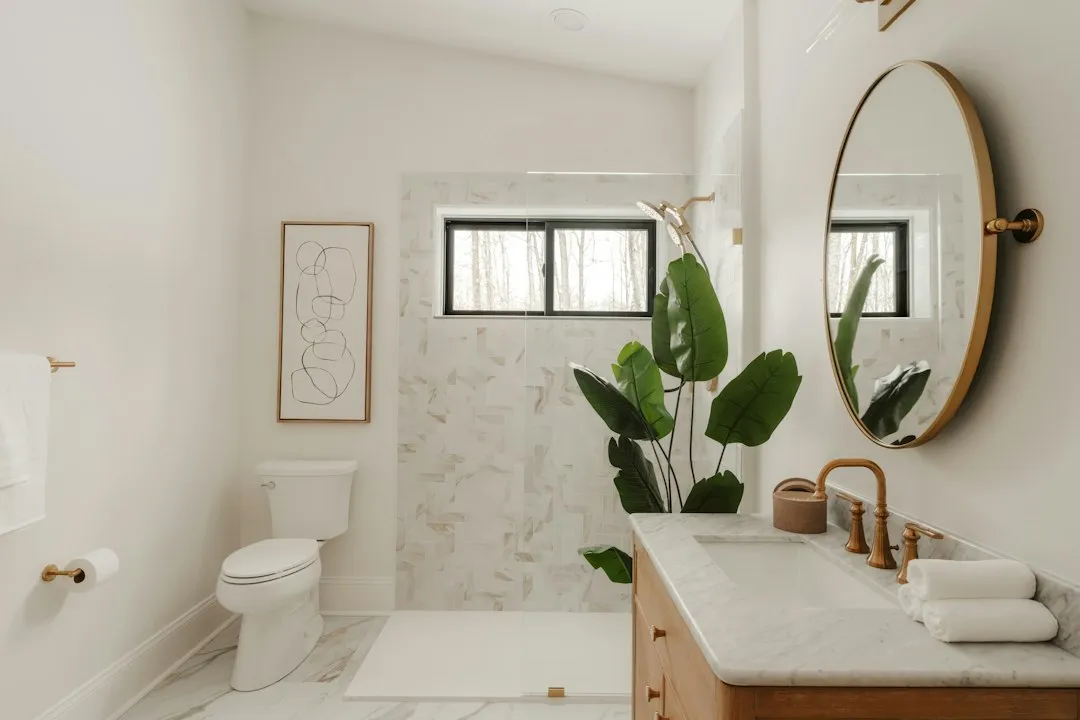
The bathroom’s reputation as a tricky room for plants is largely a myth built around the wrong plant choices. Put a cactus in there and yes, it will struggle. Put in a philodendron, a Boston fern, or a peace lily, and you’ve essentially given it a home that resembles where it came from.
The real insight is about matching plant to place rather than forcing plants to adapt to environments that work against them. Plants have the ability to regulate indoor humidity and air temperature through the process of transpiration and evaporation of soil moisture, and in a bathroom that cycle becomes genuinely mutual – the room benefits the plant, and the plant improves the room.
It’s one of those rare situations in home design where biology and interior space quietly align without anyone having to force it.
AI Disclaimer: This article was created with the assistance of AI tools and reviewed by a human editor.