
The Number One Mistake: Reaching for Water
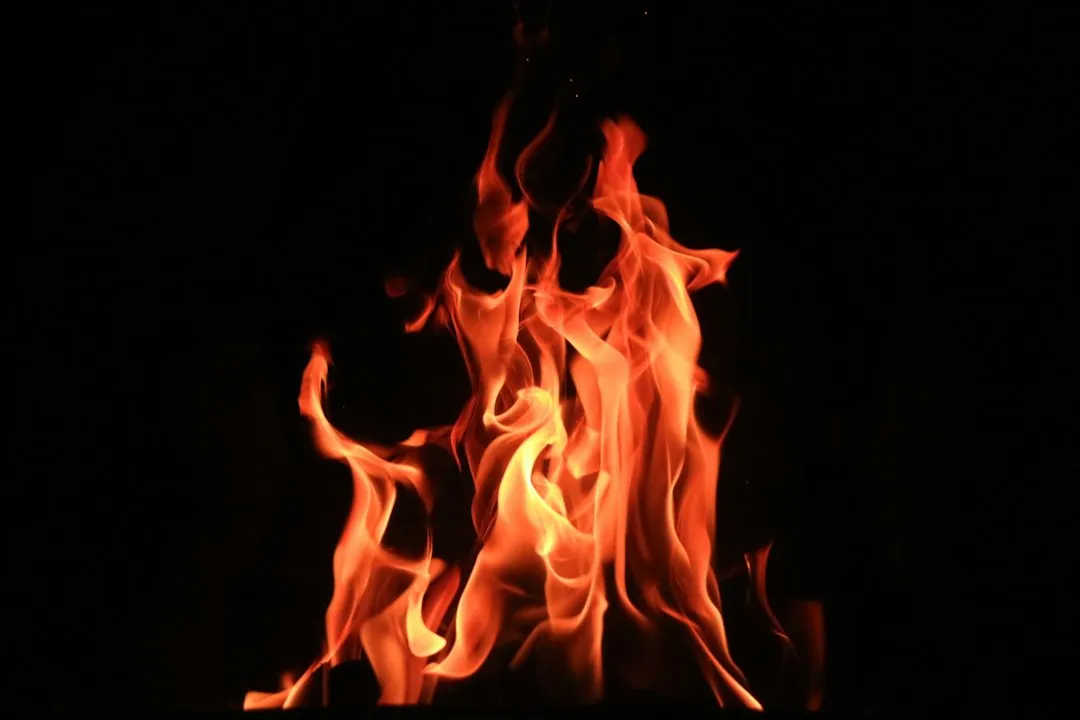
The fundamental mistake most people make when confronted with a grease fire is attempting to douse the flames with water. This approach is highly dangerous and makes the fire significantly worse.
Fire safety experts warn that throwing water on a grease fire can cause it to spread rapidly. When water contacts hot grease, it instantly turns to steam, causing the oil to splatter and potentially ignite larger flames.
Pouring water on a grease fire may seem like the right thing to do, or could even be a natural reaction to seeing flames, but it actually makes the situation much more dangerous. It’s the kind of reflex that feels logical in the moment and goes completely wrong.
Why Water and Burning Grease Don’t Mix
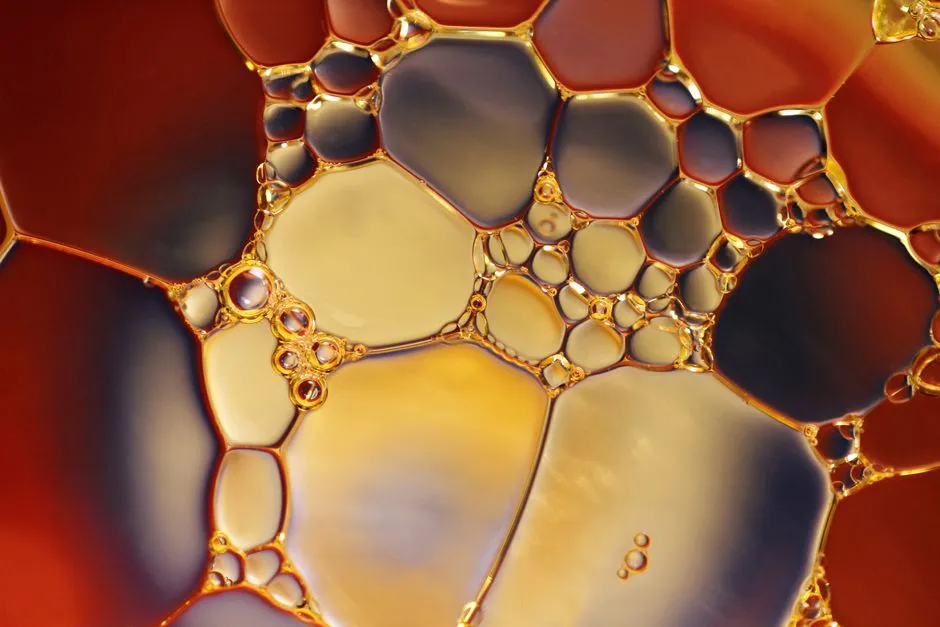
Oil is less dense than water, so when water is thrown into a burning pan full of grease, it immediately goes under the grease to the extremely hot surface of the pan. This turns the water to steam instantly, rapidly expanding to 1,700 times its original size.
Cooking oil can easily exceed 700°F, while water instantly turns to steam at 212°F. That temperature gap is the core of the problem. The water never gets a chance to cool anything down.
It isn’t the water itself that burns. It’s the thousands of tiny droplets of burning grease that are suddenly scattered across your kitchen. The explosion effect is a consequence of physics, not bad luck.
How Fast It Actually Escalates
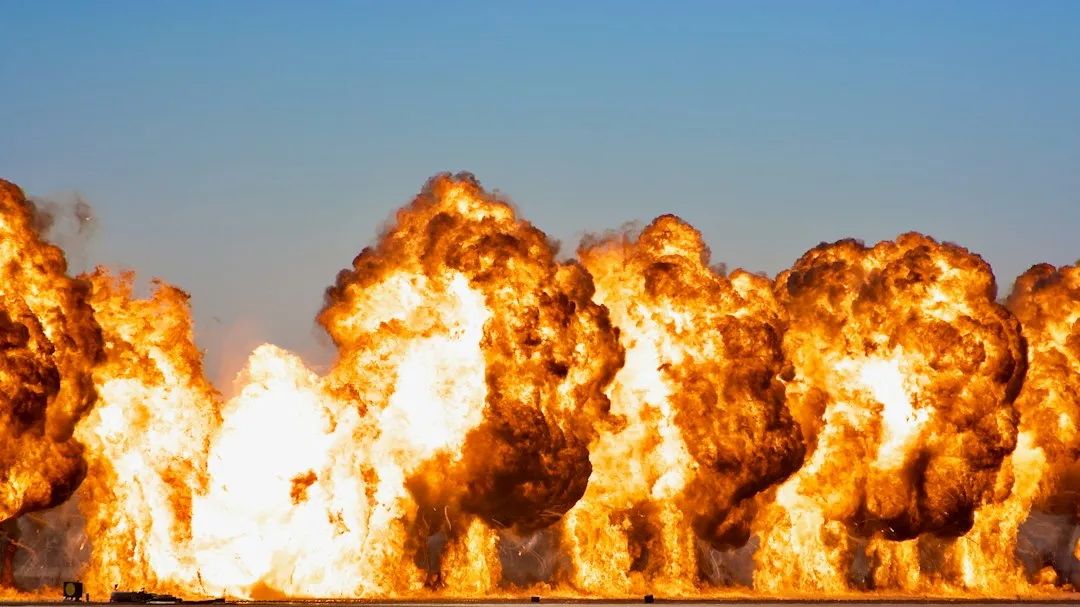
The rapid expansion of water into steam can spray flaming oil droplets into the air, significantly increasing the fire’s spread and intensity. The transition from water to steam at such a quick rate creates a violent eruption effect, which can propel burning grease out of the pan.
This makes controlling or extinguishing the fire much more challenging, as the fire can rapidly spread beyond the initial confines of the cooking vessel. What started in a single pan can reach surrounding cabinets, curtains, or other combustibles within moments.
As the water vaporizes, it can carry small particles of grease with it, helping spread the fire. It can also burn the person carrying the pan, causing them to drop it and create an even bigger fire.
The Scale of the Problem by the Numbers
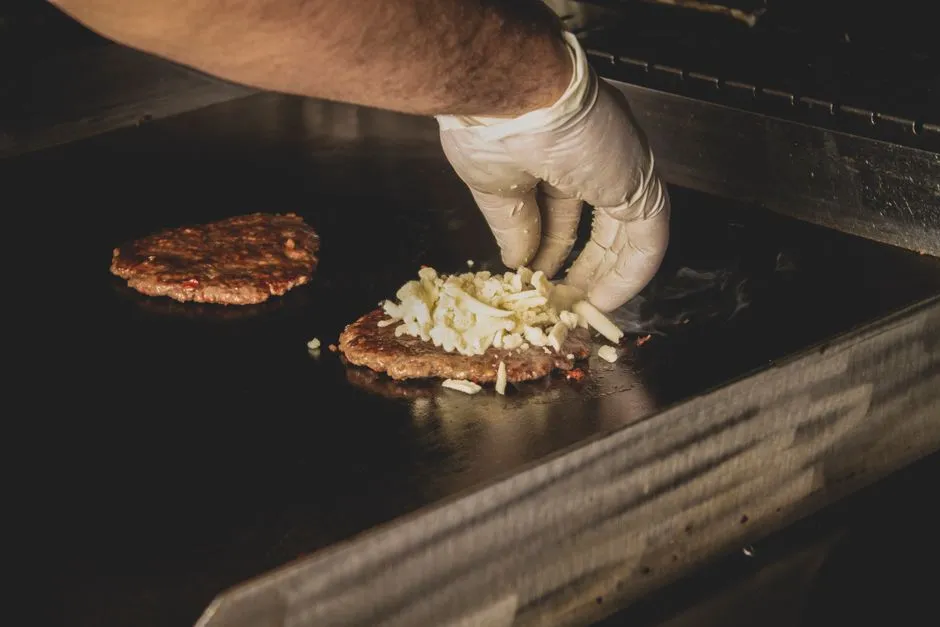
Cooking oil, fat, or grease is the initial fuel source in roughly half of all kitchen fires. When overheated, these substances can quickly ignite and create grease fires, which are particularly hazardous and challenging to extinguish.
From January 2024 through November 2025, State Farm paid nearly $234 million for indoor and outdoor cooking fire losses. The average cooking fire loss nationally came in at over $73,000.
Unattended cooking is the leading factor in these fires, responsible for over two in five cooking fire emergencies. Frying equipment is involved in nearly three out of five cooking fires. Those are significant concentrations of risk around a single type of cooking method.
Why Wet Towels Are Just as Dangerous
A wet towel will not put out a grease fire. You should never use anything containing water, including a wet towel, to extinguish a grease fire.
Never put water on a grease fire. Never put a wet towel on a grease fire. The dampness in the towel carries the same explosive risk as pouring from a glass.
In other words, anything with water can make grease fires worse. This includes steam from damp cloths or misting sprays, which many people assume would be safe alternatives.
Moving the Pan Is Another Common Error
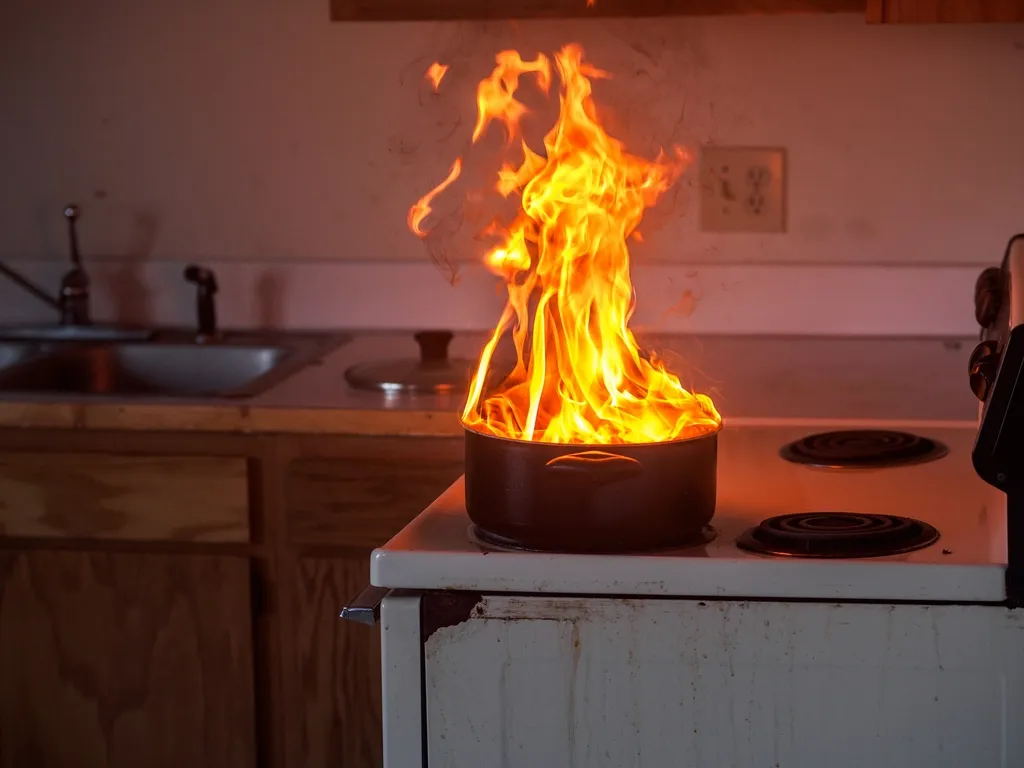
Moving a burning pan of grease is one of the most common ways people get seriously burned and spread the fire. The impulse to carry it to the sink or outside is understandable, but it almost always backfires.
Don’t inadvertently introduce water by moving the pan to the sink. In general, don’t move the pan at all, even after the fire has been extinguished, as splattering oil often causes injuries and can further spread the fire.
Firefighters see these exact scenarios repeatedly: someone tried carrying the pan outside, poured water onto burning oil, or removed the lid too soon to see if the fire was really out. All three actions tend to make things worse.
Flour and Baking Powder Are Not Safe Substitutes
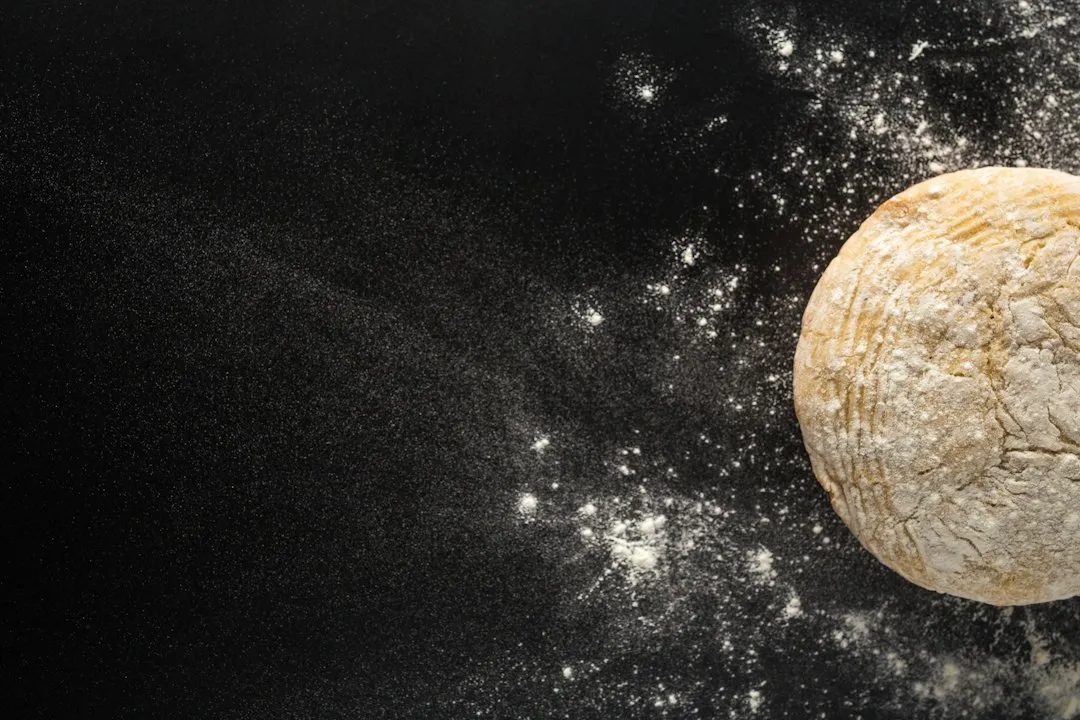
Do not use flour, as it is flammable and explodes similarly to water. Baking powder and any other powder you are not certain is baking soda should also be avoided.
Adding flour or baking powder to flames can combust into explosive dust clouds. People often confuse baking soda and baking powder, but baking powder contains additional acidic agents that adversely react with hot greases.
Do not use flour, baking powder, or other cooking powders that resemble baking soda or salt. They have a different chemical makeup and will not react similarly, and they will make the fire worse. The packaging looks nearly identical, which is part of what makes this mistake so common.
What Firefighters Actually Recommend
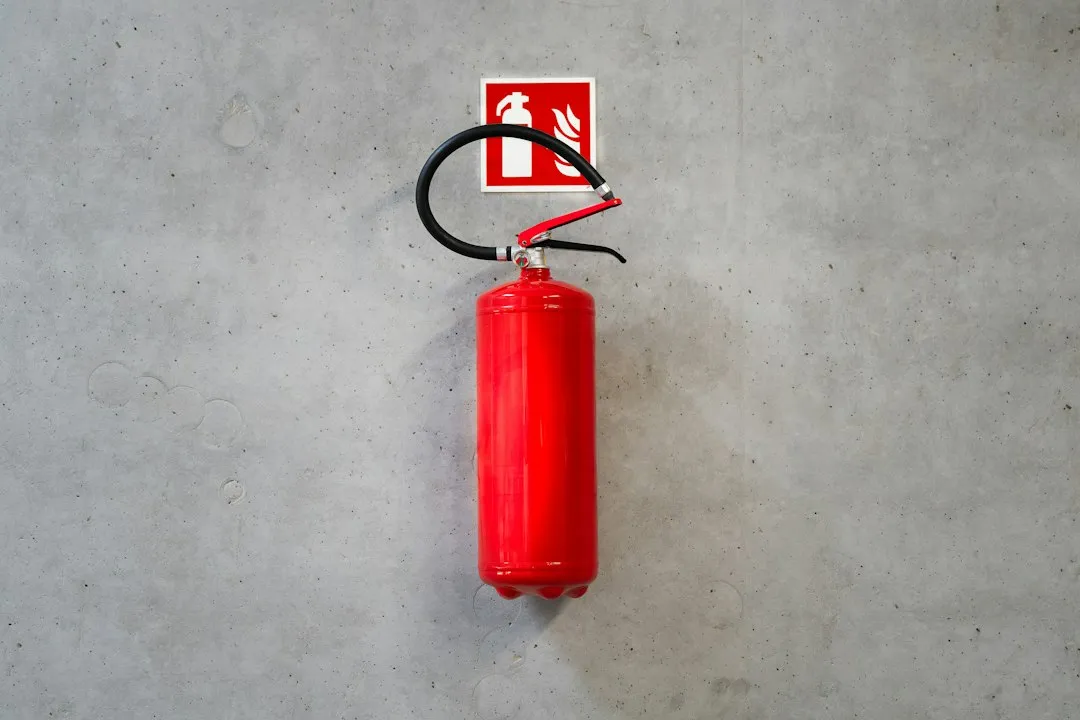
Fire safety guidance from the NFPA is straightforward: keep a lid next to the pan. If a small grease fire starts, slide the lid over the pan to smother the flames and turn off the burner. Do not remove the lid, because the fire could restart. Let the pan cool completely.
Pouring baking soda or salt onto the fire in a pan can also smother the flames. Baking soda releases carbon dioxide gas when heated, which helps smother the flames by displacing oxygen.
Carefully slide a metal lid or a flat baking sheet to completely cover the burning pan. This sliding motion is critical, as dropping a cover can splash burning grease and spread the fire. Sliding, not dropping, is the key detail most people miss.
Choosing the Right Fire Extinguisher
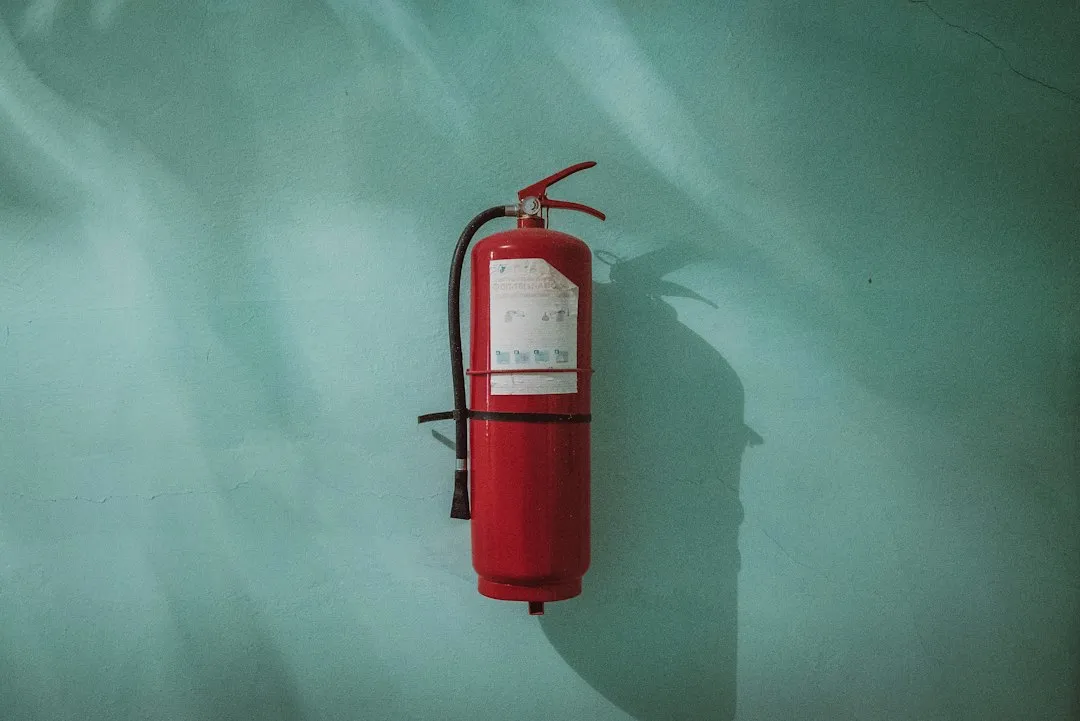
Grease cooking fires are categorized as a Class K fire and should never be handled the same way as a Class A fire. This classification exists specifically because the chemistry of grease fires demands a different suppression approach.
For a grease fire, a Class K fire extinguisher, specifically designed for kitchen fires, is the right choice. Using the wrong type of extinguisher can allow the fire to spread rapidly or even explode in certain situations.
Even using a fire extinguisher that is water-based can have disastrous results. What you need is a dry chemical fire extinguisher specifically designed to deal with grease. Keeping one mounted in an accessible spot in the kitchen, rather than stored in a cabinet, is a practical step that most households overlook.
Lifting the Lid Too Early Can Restart the Fire
Don’t take the lid off, as the fire may restart and flare if you reintroduce oxygen to a barely smothered fire. This is a mistake people make after they think the danger has passed.
Even after extinguishment, grease remains extremely hot. Firefighters occasionally respond to second fires because someone assumed the danger had passed after the visible flames disappeared.
When properly smothered with a lid or fire blanket, a grease fire should extinguish within 30 to 60 seconds. The patience required to leave the lid in place and wait feels difficult in the moment, but it is the step that actually secures the outcome.
Final Thoughts
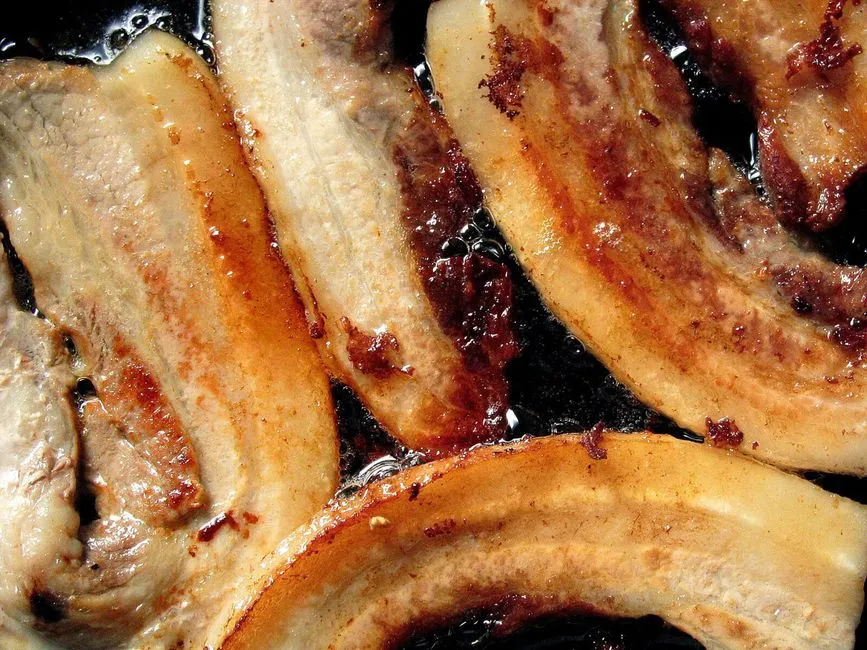
The gap between what people assume about grease fires and what actually happens is surprisingly wide, and that gap costs real money, causes real injuries, and in some cases destroys homes. Cooking oil or grease fires lead to roughly three quarters of injuries and nearly four fifths of direct property damage in fires related to cooking material or food ignition.
The core lesson is simple even if it cuts against instinct: water is never the answer. Sliding a metal lid onto the pan, turning off the heat, and walking away if the fire grows is not giving up. It is the correct response.
Safety experts recommend staying in the kitchen while using the stovetop, especially when frying or cooking with oil. They also encourage home cooks to use timers, keep flammable items away from stovetops and ovens, and have a lid nearby to smother small grease fires. Prevention, awareness, and the right tools close at hand remain the most reliable defense of all.
AI Disclaimer: This article was created with the assistance of AI tools and reviewed by a human editor.