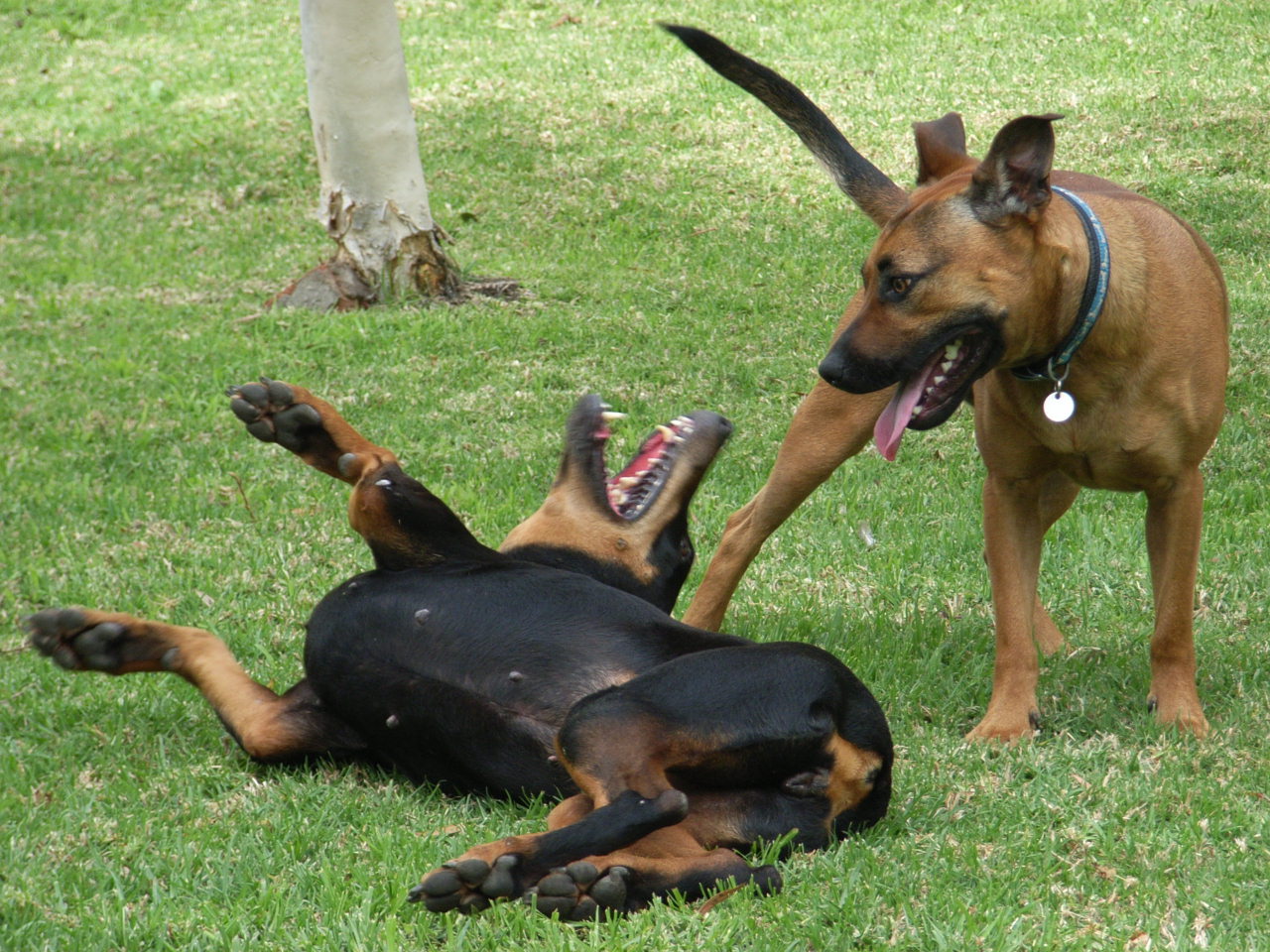

It Has a Name: The Greeting Stretch
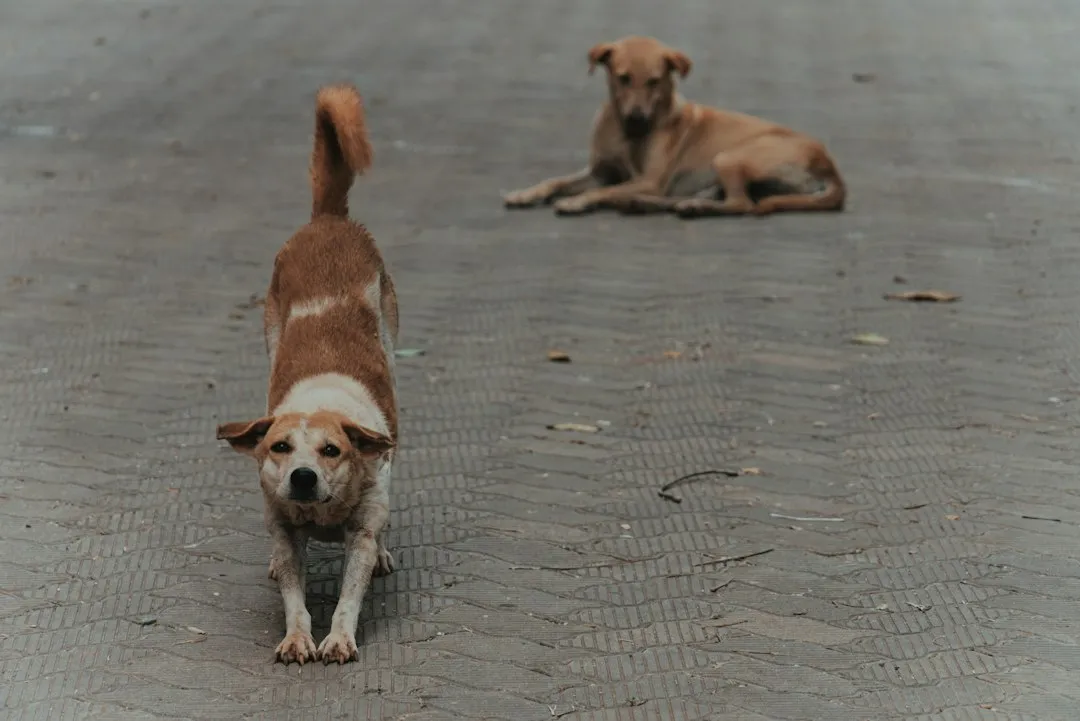
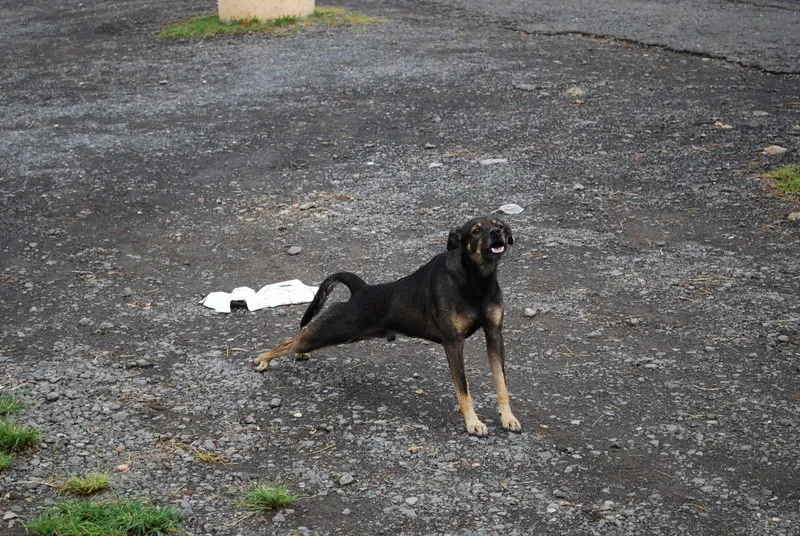
According to Dr. Alex Crow, Chief Veterinary Officer at The Net Vet, when your dog greets you with “front legs out, hips up, tail wagging,” they’re attempting to communicate something. He calls this the “greeting stretch.” It’s a distinct posture with a specific social function, not just an incidental muscle movement.
While most dogs do this stretch with their chest low to the ground, front legs extended forward, and rear end up, sometimes called “downward dog” in yoga, dogs can actually perform different variations of it. You’re likely to encounter this stretch after spending time apart from your dog, like after being out of the house for a while, working from another room, or waking up in the morning.
It’s a Sign of Trust, Not Just Habit
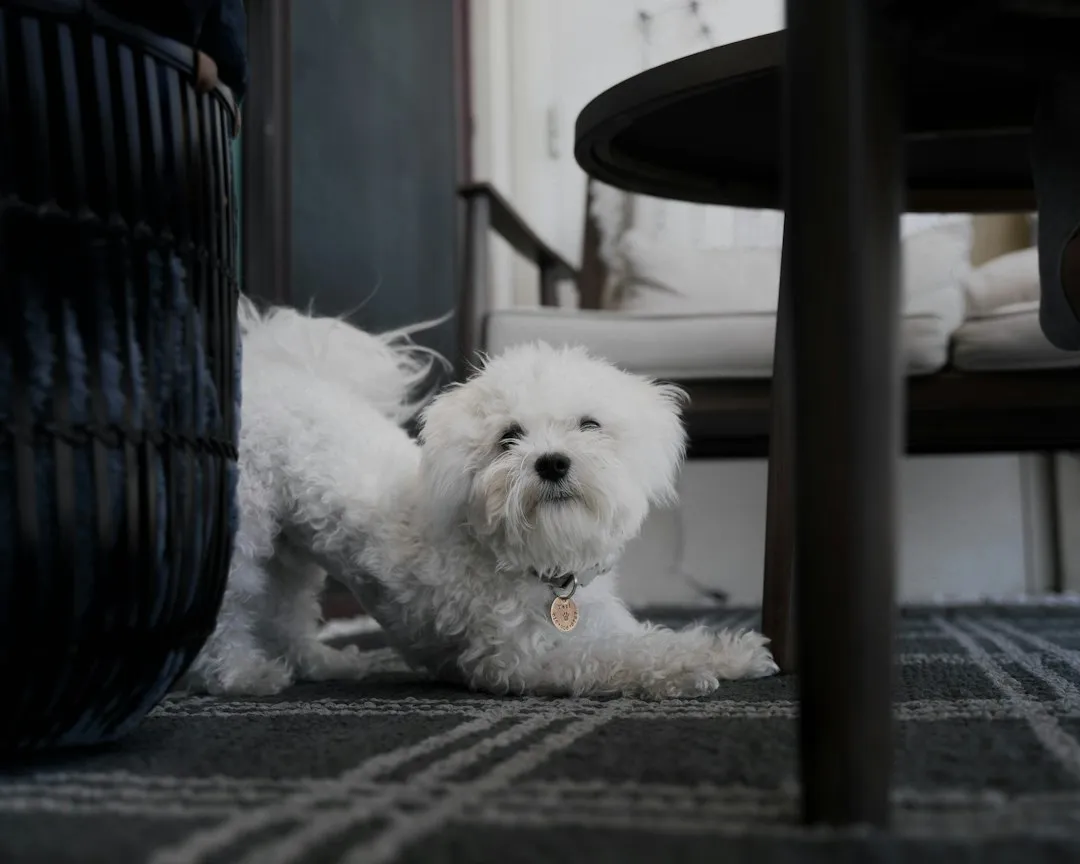
When your dog stretches in front of you, they’re putting themselves in a pretty vulnerable position. That means you’ve earned their unconditional trust, and that’s not something they hand out to just anybody.
Studies on canine social behavior show that dogs reserve certain gestures specifically for humans they have strong bonds with. The greeting stretch is one of those gestures. Dogs rarely do this dramatic, drawn-out stretch when they see strangers or people they feel neutral about. It’s a behavior that is almost exclusively reserved for their favorite humans.
The Body Language of a Happy Dog
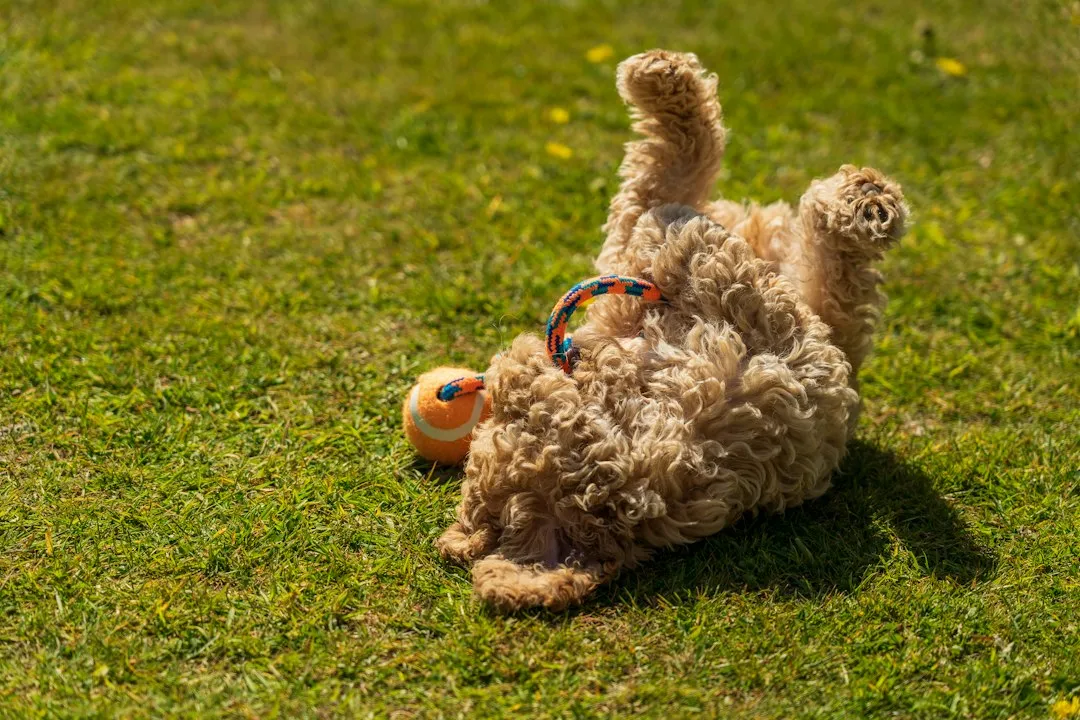
Many dogs greet their favorite people with a stretch that looks like a play bow, with their front legs extended, chest low, hips up, and a loose, happy tail. It’s a friendly, low-pressure signal that communicates openness to interaction. You might also see soft eyes, wiggly movements, and relaxed ears alongside it.
Squinty eyes and relaxed ears during the stretch signify respect for your presence and an openness to socialize. Acknowledging your dog’s stretch with a pat or greeting fosters mutual affection and strengthens your bond.
It’s Also Physical: Muscles Need to Wake Up
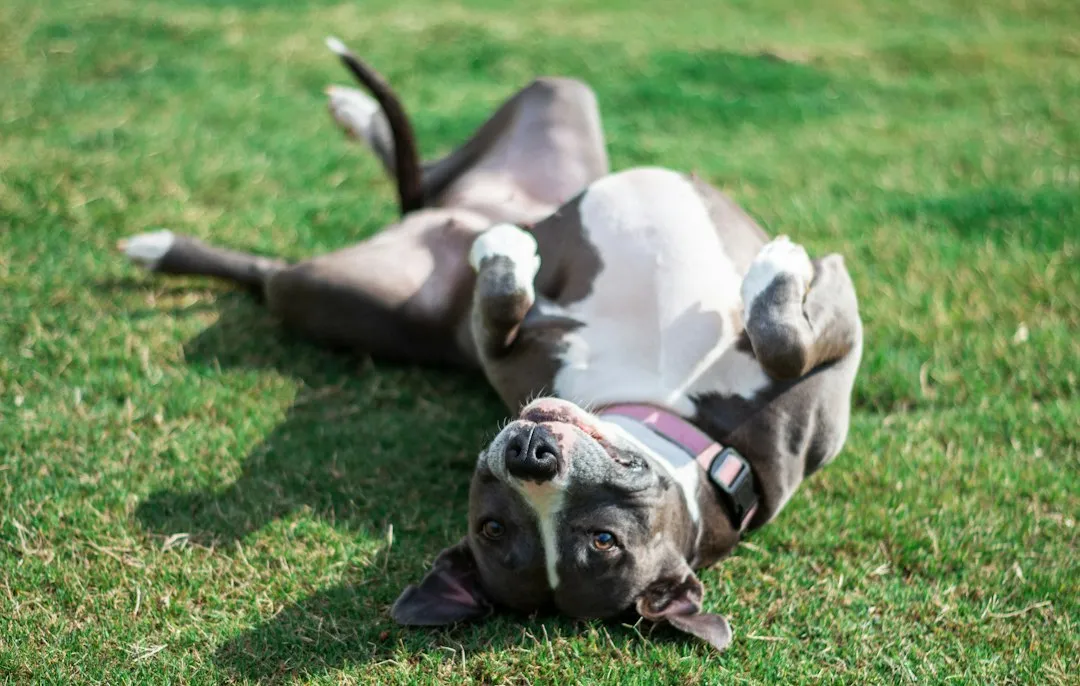
After lying down or sleeping, dogs naturally stretch to warm up their muscles, improve circulation, and get their joints moving again. Research shows the greeting stretch serves multiple purposes, both physical and emotional. From a physiological standpoint, it helps dogs transition from rest to activity, promoting blood flow and muscle flexibility.
Dr. Crow noted that dogs might stretch to loosen up stiff muscles, but if they do so immediately upon your arrival, it’s “intentional.” The timing is what distinguishes a physical need from a social gesture.
The Oxytocin Connection
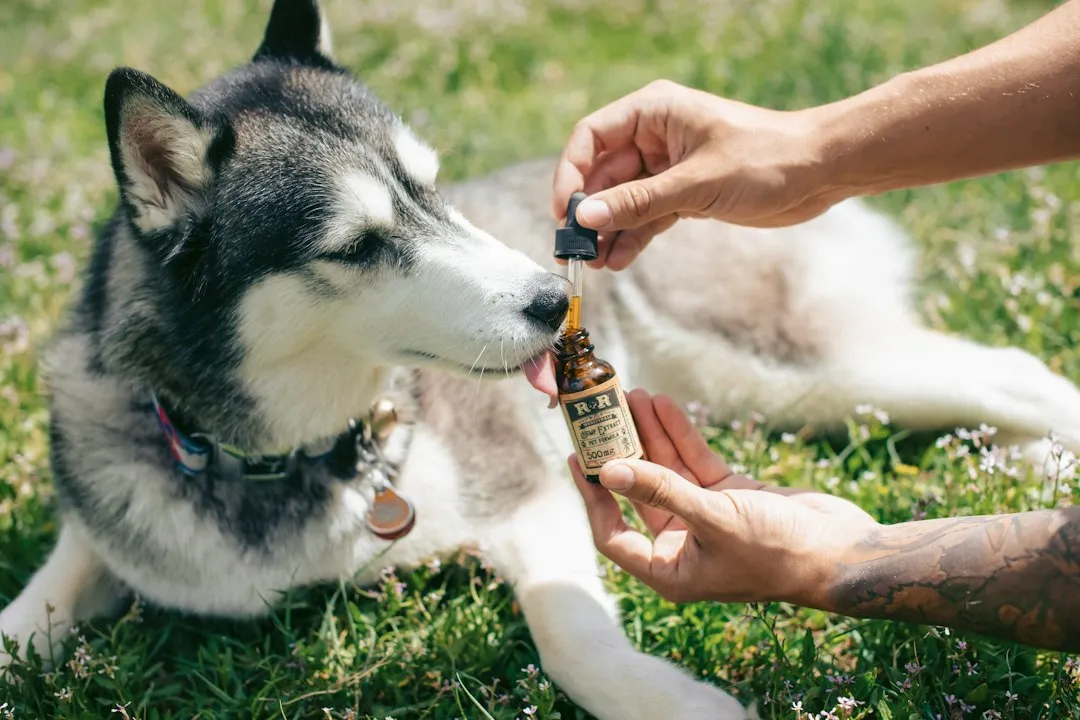
A 2022 study published in Applied Animal Behaviour Science found that dogs produce higher levels of oxytocin, the “bonding hormone,” when reuniting with owners after separation. This hormonal surge is likely part of why the greeting stretch often accompanies moments of genuine excitement at seeing you.
The longer you’re away, the more excited dogs are to see you, and the more likely they are to do their full greeting ritual, including stretching. The stretch, in many cases, is the physical expression of that emotional peak.
Calming Signals and Appeasement Gestures
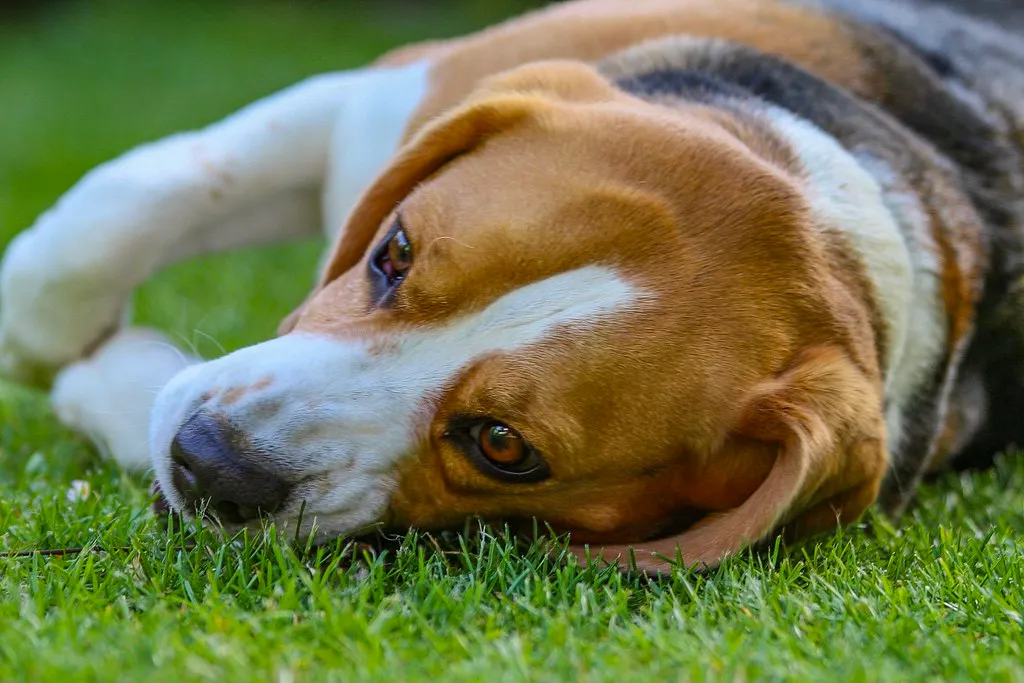
The greeting stretch is one of what canine behavior researcher Turid Rugaas calls calming signals. These are subtle cues dogs use to manage social interactions and communicate peaceful intentions. The stretch fits neatly into this category.
Many behaviorists refer to these stretches as “appeasement gestures.” They’re polite, non-confrontational signals. When your dog greets you this way, it’s a reflection of both emotional comfort and strong attachment.
Positive Reinforcement Plays a Role Too
Veterinary behaviorist Dr. Wailani Sung, MS, PhD, DVM, DACVB, believes that dogs may have learned that stretching elicits positive responses from their owners. This is especially true if you tend to use gentle language or act excited upon greeting your stretching dog.
Dr. Crow pointed out that while dogs might stretch to loosen stiff muscles, doing it right when you come home means it’s “intentional.” He also noted that if you’ve ever reacted to it with praise, you’ve probably reinforced it without realizing it. Over time, that moment of connection becomes a trained ritual, even if neither of you planned it that way.
It’s a Sign of Good Mental Health
Researchers at the University of London have noted that dogs who display frequent greeting stretches tend to have lower cortisol levels overall. Cortisol is the stress hormone, so this suggests that dogs who regularly engage in this behavior feel more secure and less anxious in their home environment. A dog stretching when they see you is actually a sign of good mental health.
You may also notice that your dog stretches when you first wake up or enter a room, which can be a sweet ritual of connection for them. Dogs are creatures of routine, and these small social gestures often become part of their daily rhythm.
When a Stretch Is Something Different
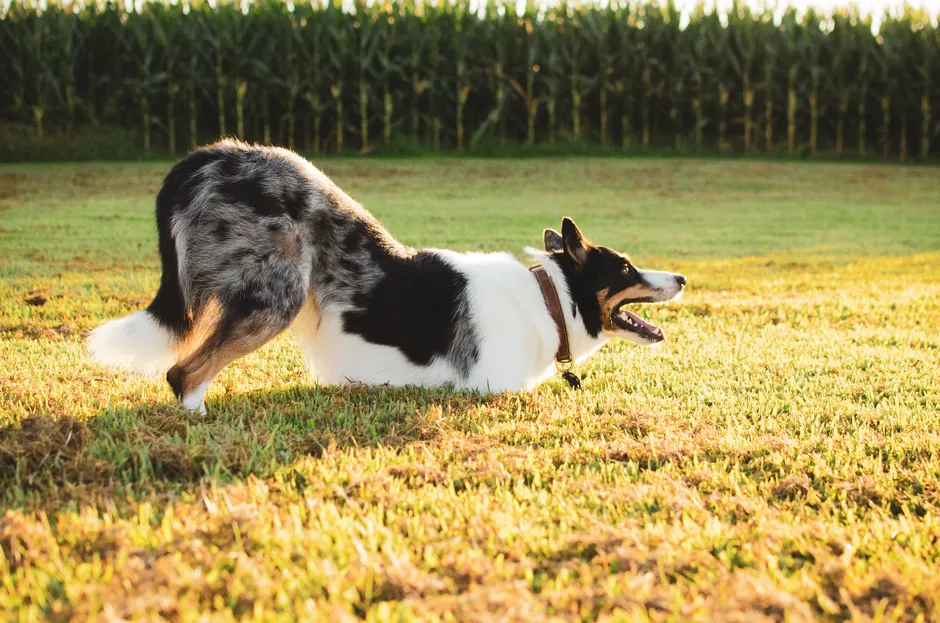
If a dog is suffering from abdominal pain, they may stretch with their rear end raised, front end lowered and flat on the floor. They might hold this position for a prolonged period, typically when no other dogs are around. You may notice them whimpering in pain or showing aversion to being petted. If they arch their back into a tucked-up posture, it could also signal abdominal pain, which is essential to have checked by a vet.
If you notice your pet focusing on stretching one specific area more than usual and seems sluggish when moving, it might be an indication of arthritis or joint pain, which calls for a vet check-up. Context and body language together tell the full story.
Not All Dogs Do It the Same Way
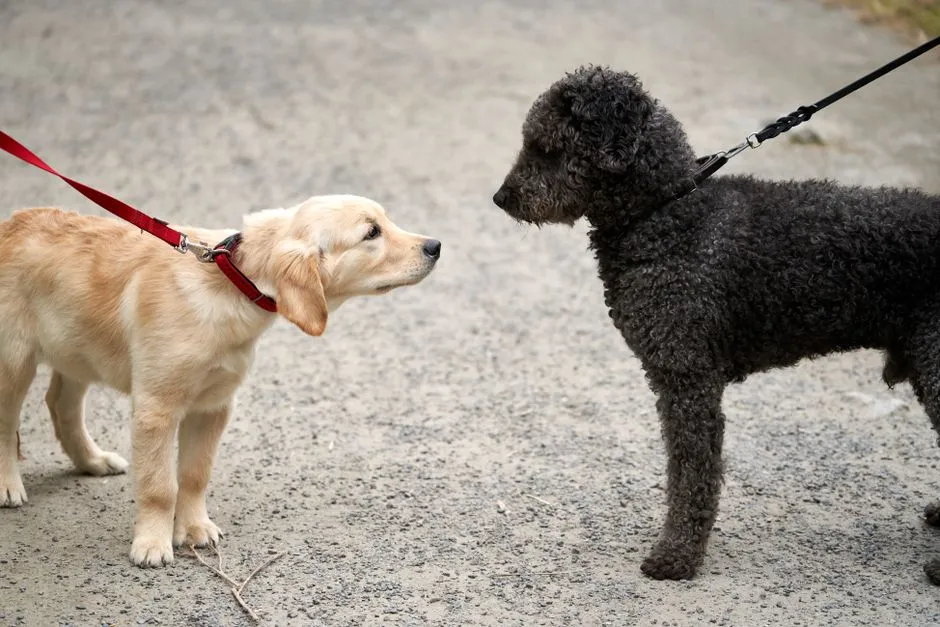
Some dogs may go completely flat and stretch out their hind legs as well, or stretch them out one at a time behind them while standing. There’s no single correct form. The posture varies by dog, by mood, and by how long they’ve been waiting for you.
While any dog can do the greeting stretch, some breeds seem more enthusiastic about it than others. Retrievers, both Golden and Labrador, are well known for their dramatic greeting stretches. Boxers are another breed that takes the greeting stretch to a noticeable level. That said, the absence of a greeting stretch doesn’t mean your dog is not bonded to you.
What You Should Take Away From It
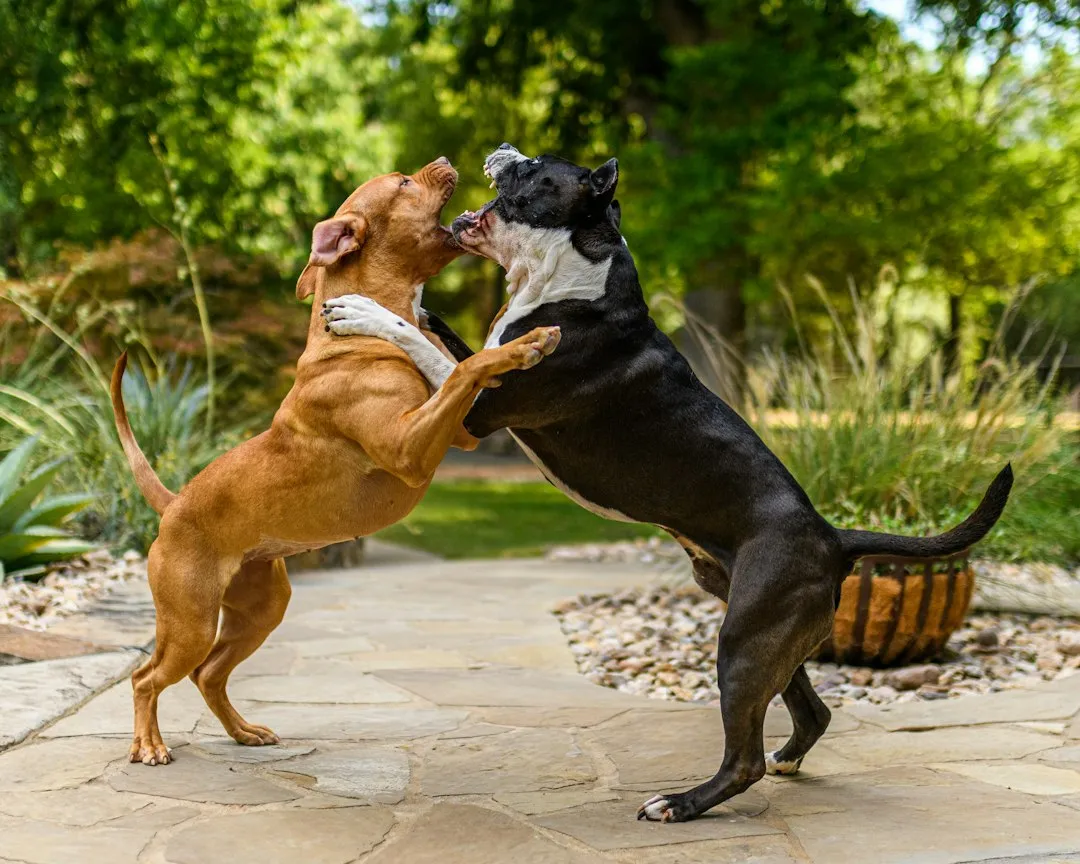
Dogs who greet their owners with a stretch are telling you that you are their safe place, their favorite person, and the highlight of their day. That’s a generous thing for an animal to communicate, especially without words.
According to certified animal trainer and pet lifestyle expert Nicole Ellis, your dog is saying they’re happy you’re home. Unlike jumping and barking, a stretch can be a low-key greeting that’s a soft opener for interaction. It’s calm, it’s warm, and it’s entirely meant for you. Returning that greeting, even with just a quiet hello and a gentle hand, is probably all the response your dog was hoping for.
AI Disclaimer: This article was created with the assistance of AI tools and reviewed by a human editor.