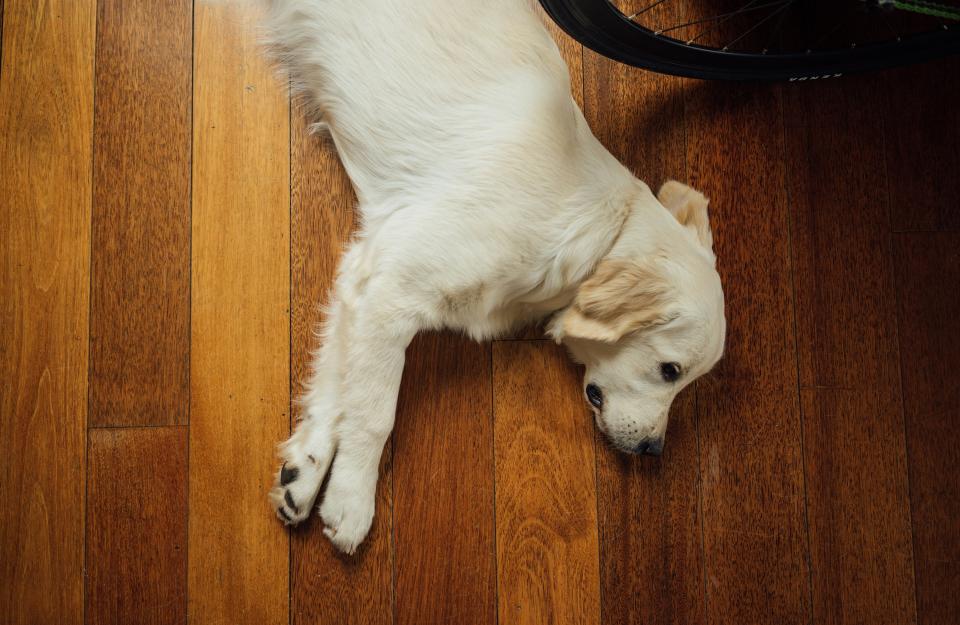

Paws Weren’t Built for Polished Floors
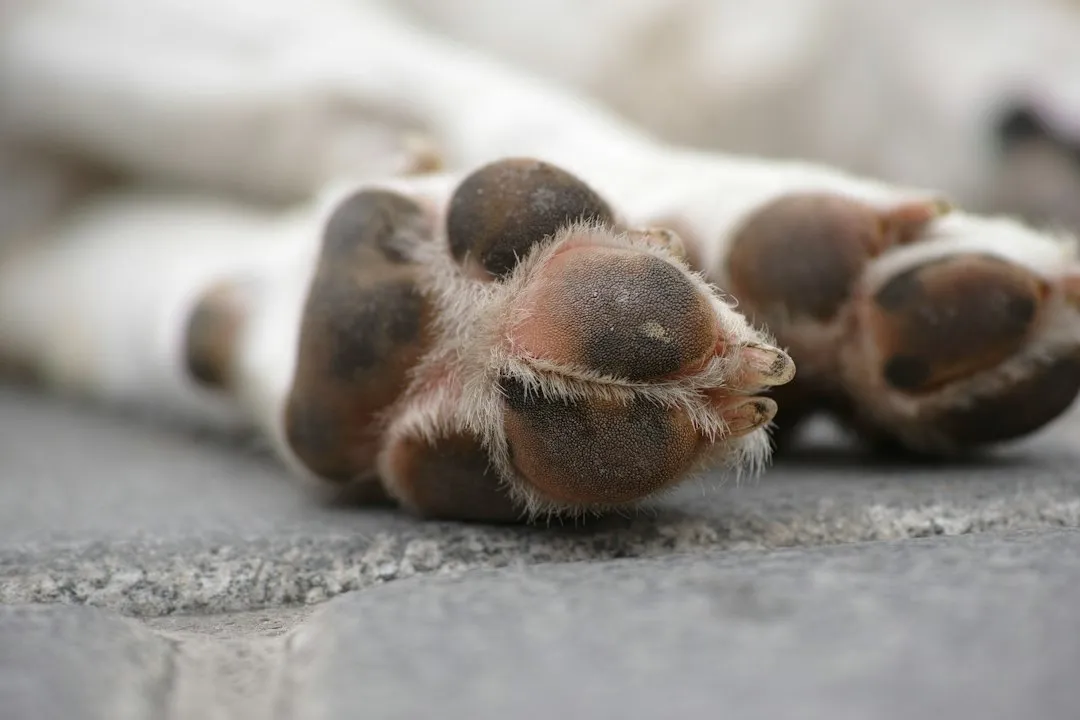
Many dogs struggle to walk on hardwood floors either because they don’t have enough paw traction or simply because their ancestors never had to walk on them. This is worth sitting with for a moment. Domesticated dogs evolved to move across grass, dirt, mud, and rough terrain. Polished indoor flooring is, in evolutionary terms, a very new invention.
The shape and rough surface texture of a dog’s digital and central pads provide traction across a wide range of surfaces, acting much like the tread on a tire, allowing the dog to maintain grip on uneven terrain, slippery rocks, or soft dirt. Hardwood strips all of that natural advantage away.
Research has shown that the outside layer of the paw pad is composed of thousands of tiny “spikes” of tissue, and these spikes are biomechanically adapted to increase traction. On a smooth hardwood surface, those spikes simply have nothing to grip.
The Traction Problem Is More Complex Than It Looks
Even normal dogs without orthopedic or neurologic disease experience routine caudal paw displacement, or slippage, on smooth surfaces. The frequent response of a dog to slick surfaces is to flex the digits and engage the toenails rather than the digital pads – a counterproductive action when the surface hardness prevents penetration by the toenails, and the smooth toenail surface results in poorer grip than the dog’s textured pads.
Maintaining your dog’s nails is one often overlooked piece of the puzzle. Long nails can prevent the paw pads from making full contact with the floor, increasing the chance of slipping. One of the biggest hidden culprits is actually the hair that grows between a dog’s paw pads – when this hair grows long, it acts like tiny “slippers” on an already slick surface.
Memory of a Bad Slip Can Create Lasting Fear
As a self-preservation mechanism, dogs remember the experience of falling or slipping on the hardwood floor, and that fear of falling again takes an emotional toll. One bad slide is often all it takes to fundamentally change how a dog approaches that surface going forward.
One minor fall can trigger a long-lasting fear response, especially in more sensitive or cautious dogs. A dog scared of a floor after slipping develops a mental association between the slip and injury. It’s a classic case of fear-conditioning – even if there was no physical harm, the memory of fear is strong in dogs.
The Science Backs Up the Stress Response

A study by Louise Winblad von Walter (2010) aimed to establish whether it was possible to separate dogs who were fearful of floors from dogs that did not fear them. Seven dogs who were fearful of floors had higher heart rates than six dogs who were fearless. That difference in heart rate is a measurable indicator that this fear is physiologically real, not imagined.
The most significant concern for dogs living on or around hardwood floors is their emotional well-being, and research shows this matters more than many owners initially assume. Dogs have trouble walking and feeling comfortable on most hardwood floors because their paws and nails cannot grip the floor’s surface, and this causes serious physiological reactions that affect dogs in different ways.
Sensory Overload Plays a Role Too
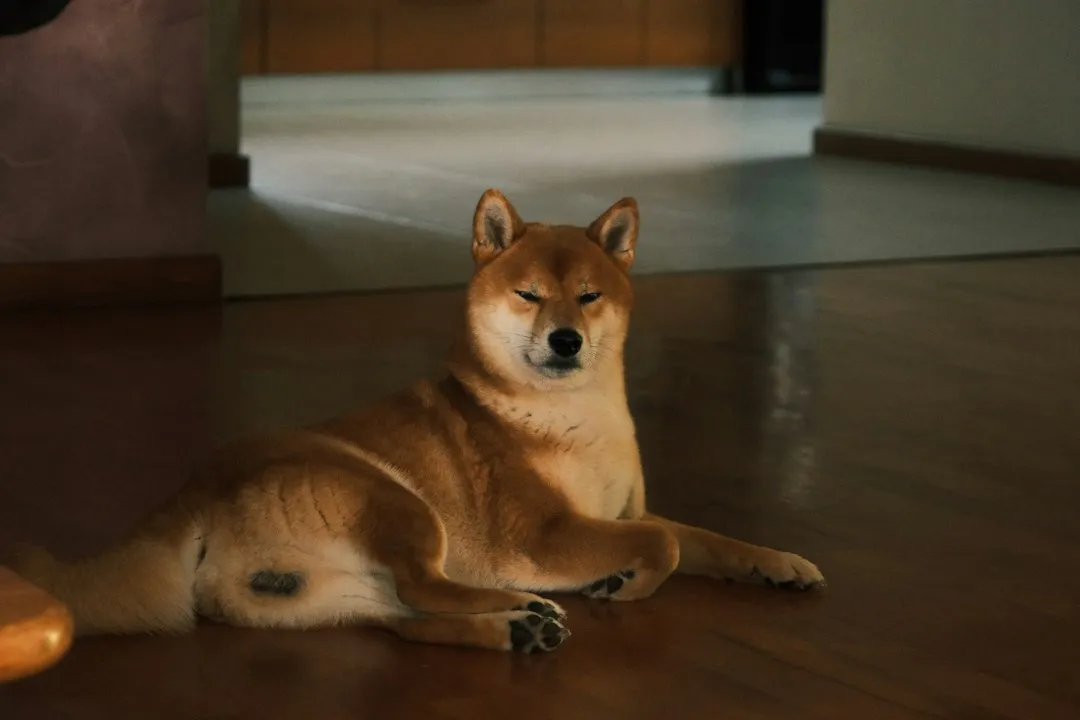
Hardwood floors can cause sensory overload in some dogs, and many exhibit hesitation or fear when faced with smooth surfaces like hardwood. It’s not just about footing – it’s also about how the entire sensory environment shifts underfoot.
Hardwood floors create sensory experiences that can overwhelm some dogs, and for those sensitive to sensory input, these unfamiliar stimuli can cause them to fear walking on hardwood floors altogether. Hardwood floors also tend to amplify sounds, and this can be overwhelming for some dogs.
The Click of Nails Can Be Distressing
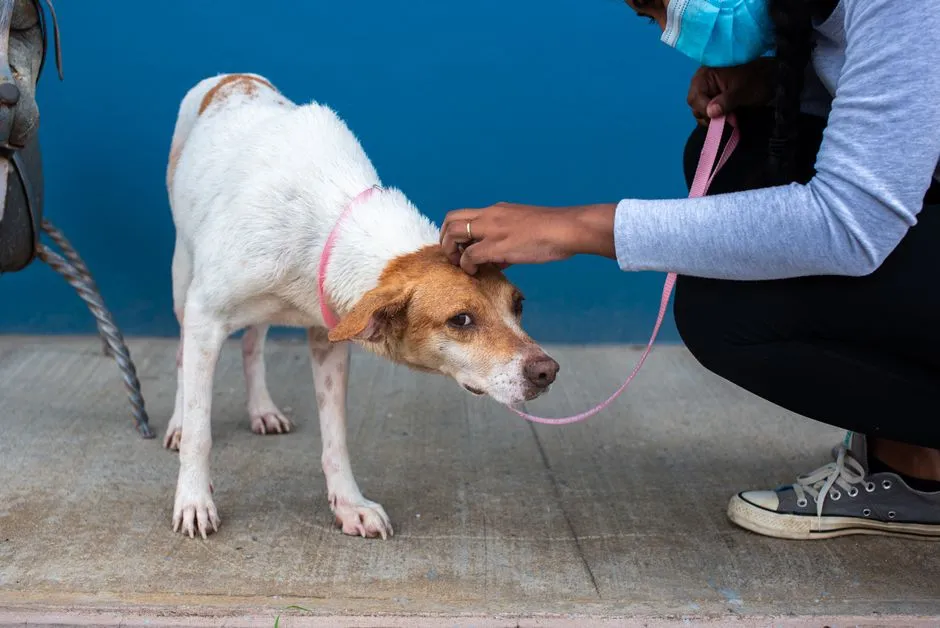
Nails tapping on hardwood floors can be startling or distressing for some dogs, especially those sensitive to noise, and for dogs sensitive to sound, hardwood floors can create a noisy environment that triggers fear. Think of it as an unexpected audio experience that accompanies every single step.
Dogs with heightened hearing abilities may find the echoing sound of their nails on the floor unsettling, which can lead to anxiety. For those dogs sensitive to sound, hardwood floors can effectively create a noisy environment that consistently triggers their fear response.
Reflective Surfaces Confuse Canine Vision
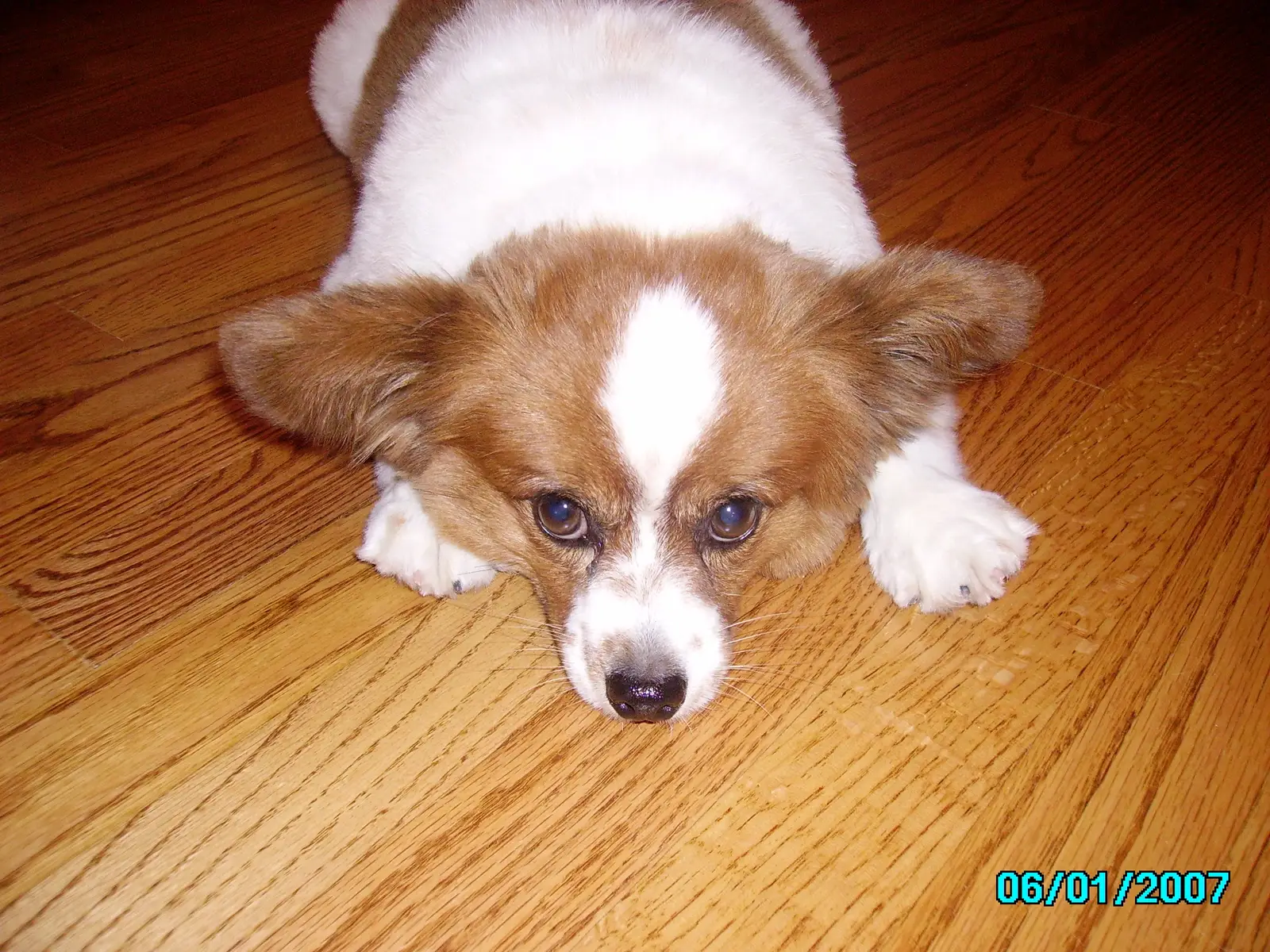
Some dogs may struggle with navigating hardwood floors due to vision or depth perception issues. The shiny, reflective surface of hardwood floors can create visual challenges for dogs with poor eyesight, making it harder for them to judge distances or feel confident about where they’re stepping.
Hardwood floors can sometimes create visual confusion for dogs, especially if there are reflections or light spots on the surface. This confusion can lead to a fear of hardwood floors for dogs with poor vision or depth perception issues. Even dogs with normal vision can find a highly polished floor disorienting in certain lighting conditions.
Older Dogs Face a Compounded Challenge
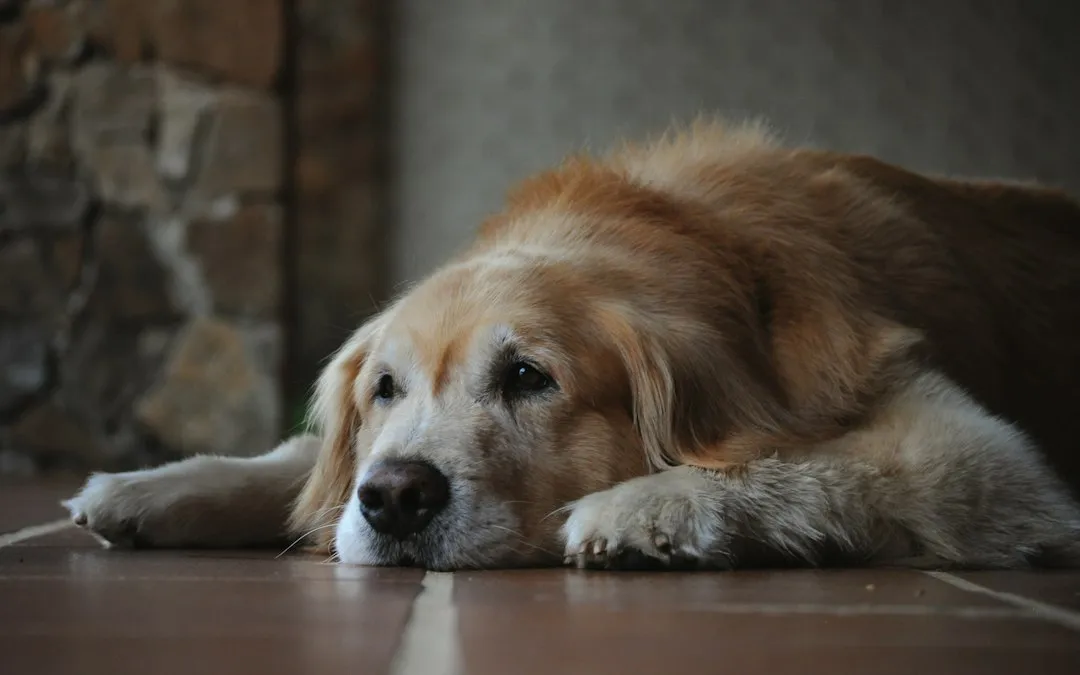
Arthritis affects balance and confidence in older dogs. The American College of Veterinary Surgeons explains that osteoarthritis reduces joint function and often leads to stiffness, slipping, difficulty standing, and reluctance to exercise. When joints hurt, dogs hesitate to bear weight properly, which increases the risk of slipping.
One slip can change behavior entirely. After falling, some senior dogs become anxious on hardwood floors, and fear causes tense movements and poor posture, which actually makes slipping more likely – this emotional component often worsens the physical problem.
With the aging pet population and the increasing prevalence of hardwood and other smooth flooring in homes, there are growing problems with pets being unable to rise from a resting position and get traction while moving across these surfaces. As dogs age, they lose both muscle mass in their hind legs and the friction surface of their paw pads.
Puppies and Young Dogs Can Develop Fear Early
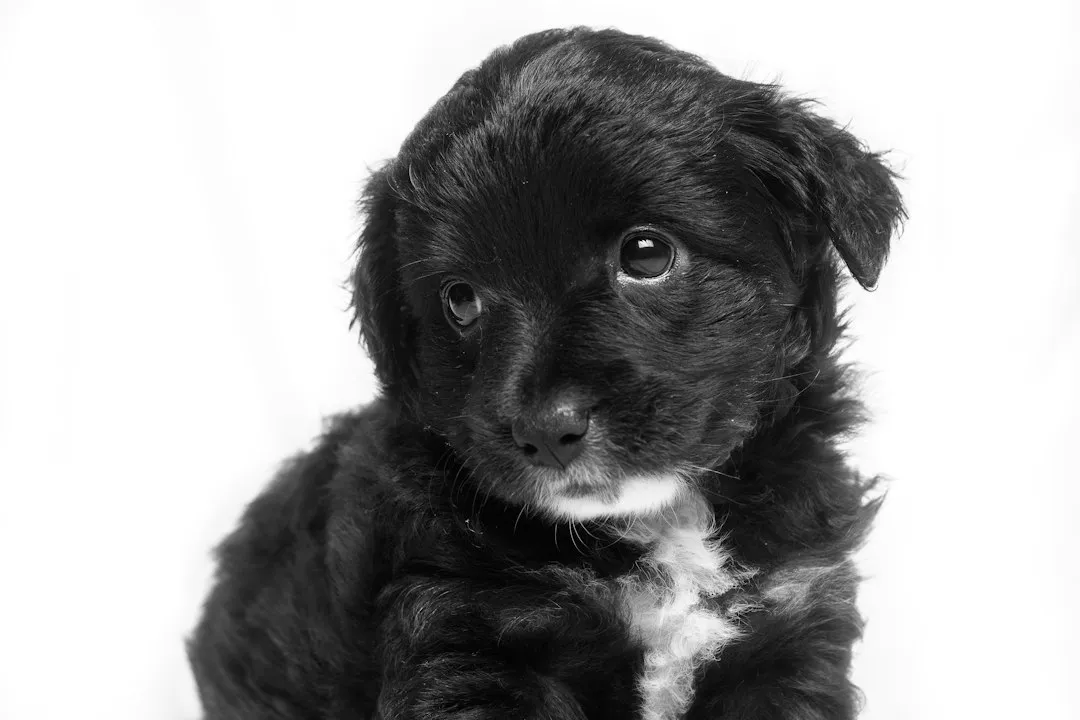
Puppies go through a fear imprint period at around eight to ten weeks, and they also go through a similar stage between approximately six to fourteen months. This may mean that they become fearful of new environments, and being afraid of slippery floors can be one of them.
If a dog grew up on soft surfaces, hardwood is a whole new world. Puppies and rescue dogs, especially, may need significant time to adjust. A young dog’s first experience on a slick floor can set the tone for years of avoidance if handled poorly.
Underlying Medical Conditions Are Often Overlooked
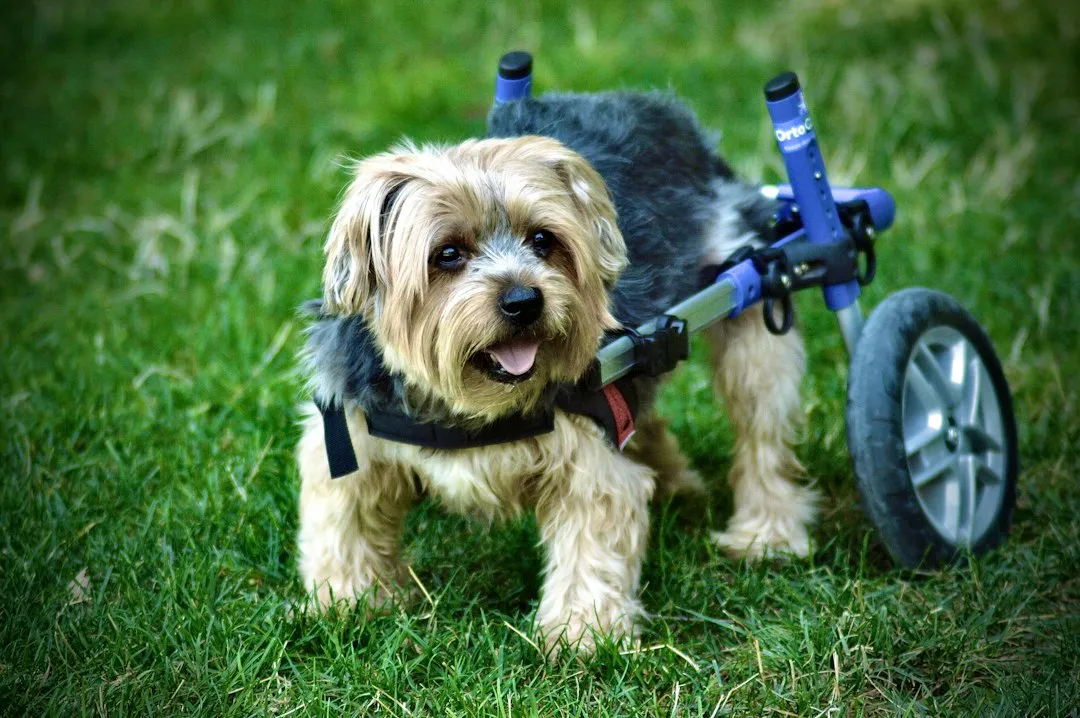
In some cases, anxiety about slippery floors may signal an underlying orthopedic or neurological issue, especially in older dogs. If a dog’s fear seems to come on suddenly or is accompanied by weakness, limping, or changes in gait, a veterinarian should rule out any medical causes.
Neurological disorders may also cause dogs to be unable to maneuver on slippery floors. Possible physical causes include arthritis, hip pain, knee pain, back or neck pain, paw injury, torn nail, muscle weakness, neurological changes, and recovery after surgery or illness. When a dog’s floor avoidance appears out of nowhere, a vet visit is the right first step, not a training session.
What Actually Helps

Gradual exposure to hardwood floors can help some dogs overcome this fear by building confidence over time. Forcing a dog to cross before they’re ready tends to backfire. Slow, positive exposure paired with rewards for even placing one paw on the surface is a far more effective approach.
Poor traction on slick surfaces is especially difficult for dogs with neurologic deficits, osteoarthritis, or those recovering from injury or surgery. For these dogs specifically, practical solutions like non-slip runners, rubber-soled dog socks, or nail grip devices can make a genuine physical difference before any behavioral training even begins.
The mechanism behind older and disabled dogs slipping so easily on floors is often a lack of muscle mass and hardening or smoothing of their paw pads – which means that addressing the physical root cause often resolves the anxiety that grew from it.
The Takeaway
A dog who refuses to cross the kitchen floor isn’t being dramatic. The fear is real, it has measurable biological underpinnings, and it usually starts with a very specific physical problem: the inability to grip a smooth surface. Once that instability is felt – or worse, once a fall actually happens – the emotional response can persist long after the original cause is addressed.
The good news is that most cases are genuinely manageable. Whether it’s trimming nail and paw fur, adding non-slip mats, investigating a hidden joint condition, or simply giving a nervous puppy more time and patience, the solutions tend to be practical and grounded. The first step is simply recognizing that the floor, not the dog, is the problem.
AI Disclaimer: This article was created with the assistance of AI tools and reviewed by a human editor.