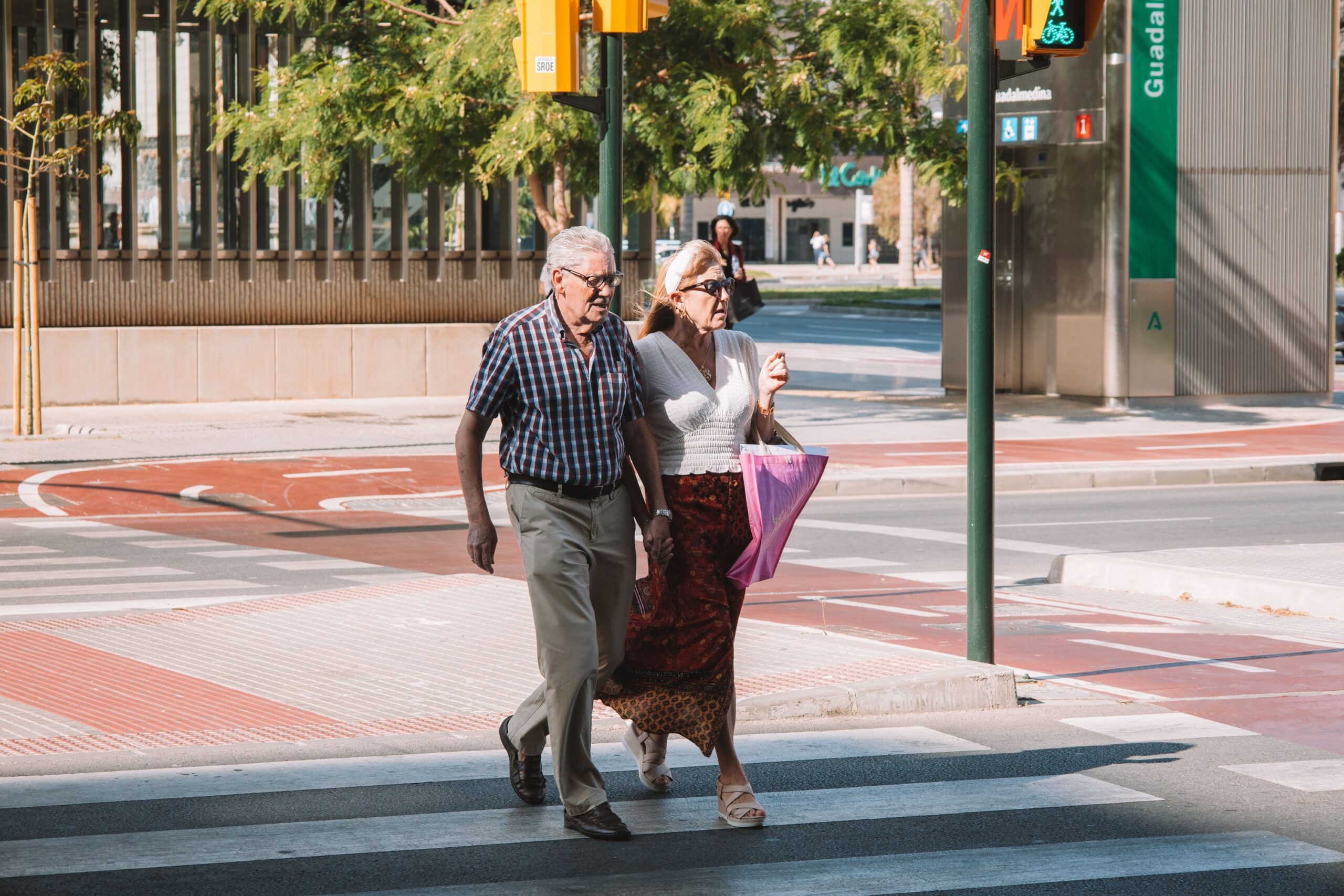

Most people recognize it immediately: the slow, careful forward slide of feet barely leaving the ground, the shortened steps, the slightly hunched posture. It’s often called “the old person shuffle,” and while it looks minor, it carries real meaning for health and independence.
What many people don’t realize is that a shuffling walk is rarely just a quirk of getting older. Research published in the Journal of Neurology in 2025 makes the point clearly: growing evidence suggests that age-related gait changes should not be regarded as a mere consequence of aging, but rather as indicators of underlying age-related disease. Understanding why the shuffle happens is the first step toward doing something about it.
The Numbers Tell a Stark Story
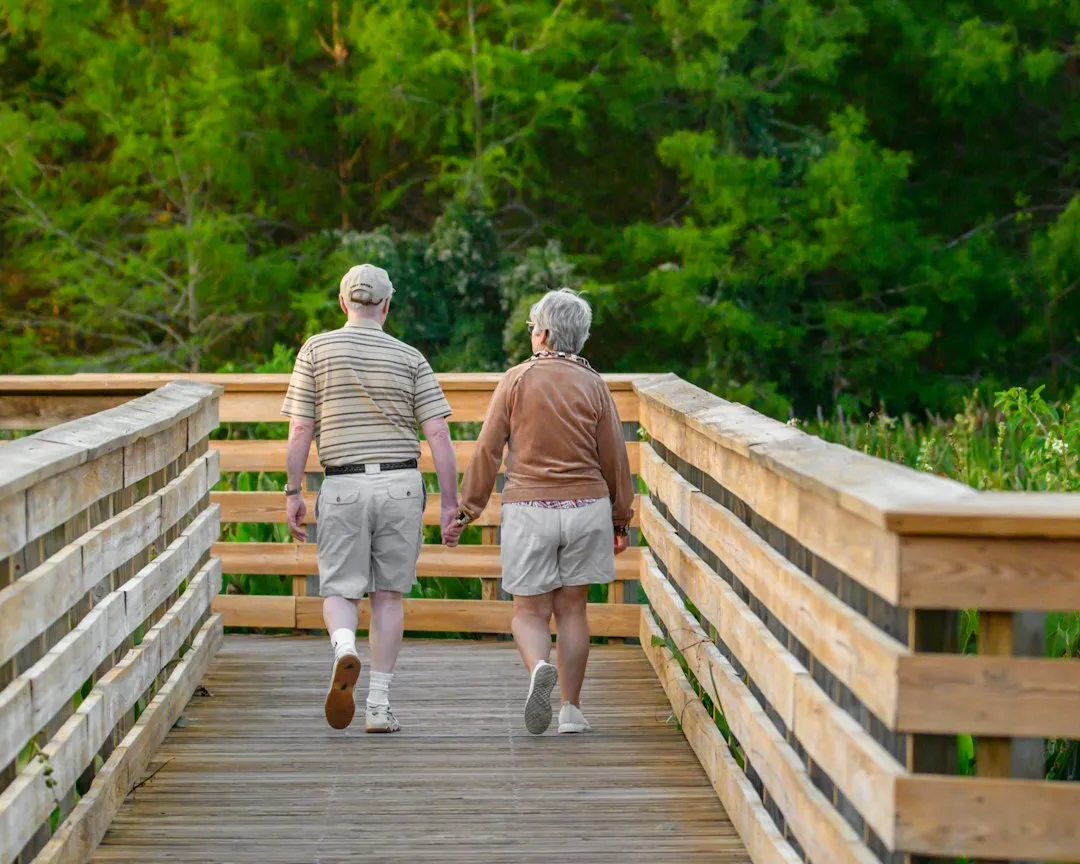
At the age of 60 years, roughly 85 percent of people have a normal gait, but by the age of 85 years or older, that proportion drops to just 18 percent. That’s a dramatic shift across just a couple of decades.
Research found that approximately 73 percent of adults aged 80 and older can no longer walk at the speed considered necessary for safe street crossing. Many in that group are also shuffling. The scale of the problem is easy to underestimate until you see it laid out this clearly.
It Starts with Muscle Loss
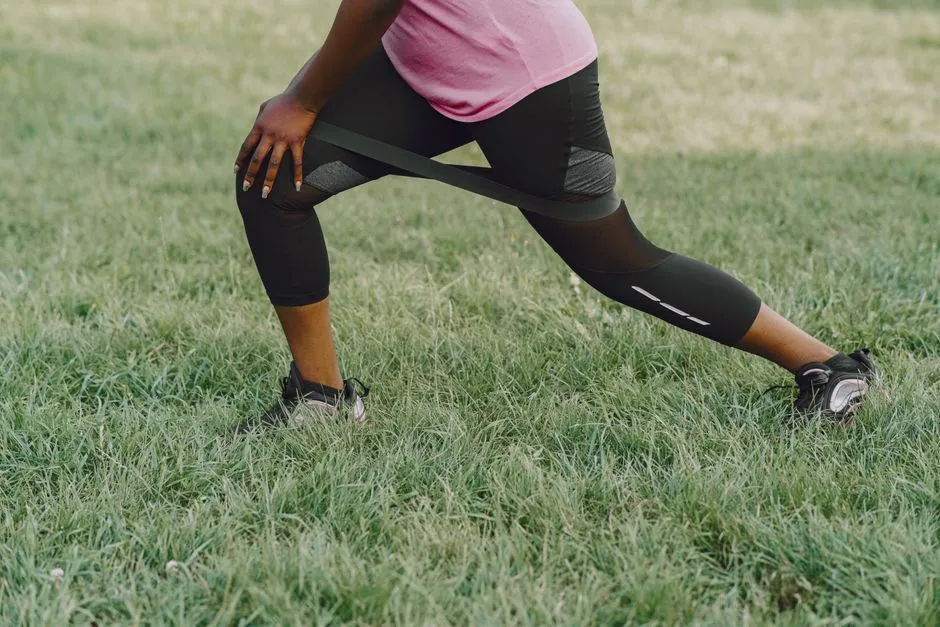
As we age, our bodies naturally lose muscle mass, particularly in the legs and core. When the hip flexors, quadriceps, and calf muscles weaken, each step requires more effort, leading to a dragging or sliding motion instead of the normal heel-to-toe gait.
The Merck Manual points directly to one specific culprit: gait velocity slows because older adults take shorter steps at the same rate. The most likely reason for shortened step length is weakness of the calf muscles, which propel the body forward, and calf muscle strength is substantially decreased in older adults.
Aging is commonly associated with a progressive decline in physical function, particularly due to sarcopenia, which contributes significantly to reduced mobility and increased fall risk. Sarcopenia is the term used to describe significant changes in body composition and function as a consequence of muscle mass loss related to disease or the normative aging process.
The Brain Plays a Bigger Role Than You’d Think
Walking is not purely a mechanical act. Despite its perceived simplicity, walking in older adults demands heightened attention and motor control, leading to observable gait changes, notably beyond the age of 70 years. The brain is doing far more work with every step than most people appreciate.
Research has also pointed to something more troubling happening beneath the surface. Scientists examined the brains of 418 priests and nuns after they died and found that one-third of brains that had seemed normal using conventional tests actually had damage to tiny blood vessels. The damage was so slight it was impossible to see without a microscope.
The people whose brains had these tiny signs of hardened arteries and stroke were most likely to have had shuffling gait and other movement problems while still alive. This means problems with walking, rigidity, and other movement issues often considered a normal part of aging may not be normal at all.
Parkinson’s Disease and the Classic Shuffle
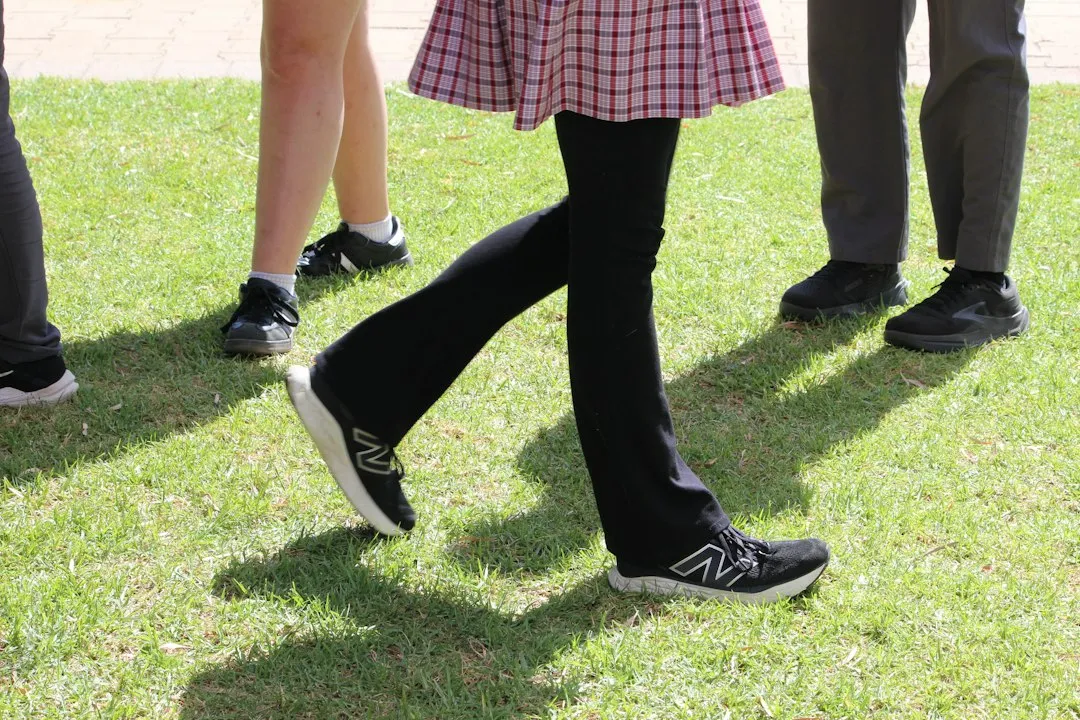
Parkinson’s disease is perhaps the most well-known condition associated with shuffling gait, but it’s not the only one. Its characteristic walk is short-stepped, hesitant, and slow, often with a forward lean and reduced arm swing.
Other causes include stroke, Normal Pressure Hydrocephalus (a treatable condition), general muscle weakness with reduced hip flexor strength, fear-of-falling compensation, and dementia-associated gait changes. The presence of shuffling alone is not diagnostic of Parkinson’s.
Normal Pressure Hydrocephalus: The Overlooked Diagnosis
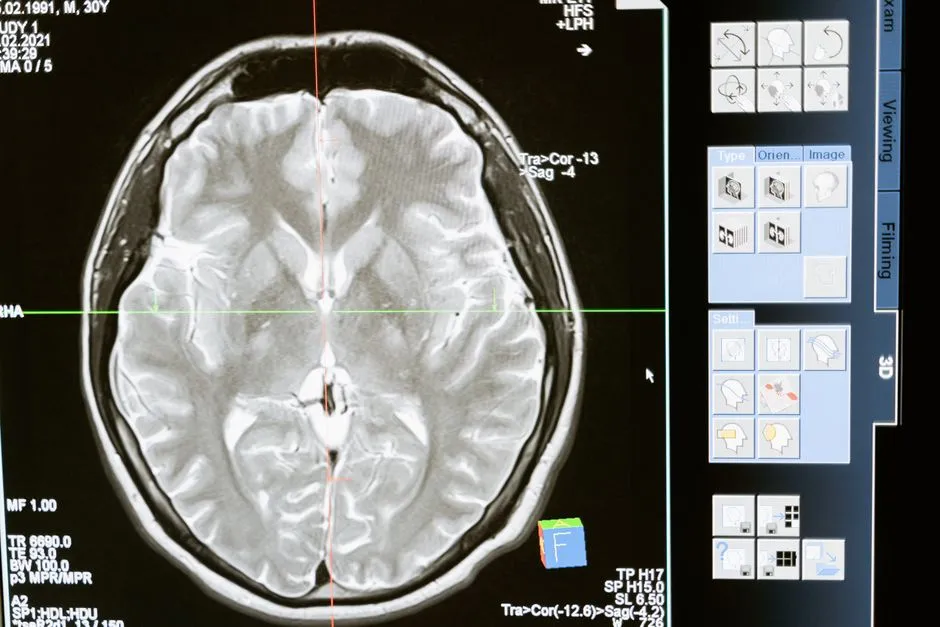
Normal pressure hydrocephalus produces what clinicians call a “magnetic gait,” where feet shuffle as if glued to the floor. It is a condition that is frequently missed in older adults because its symptoms overlap with other common diagnoses like Parkinson’s or dementia.
In Normal Pressure Hydrocephalus, the magnetic shuffling gait is typically accompanied by urinary urgency and cognitive changes. What makes the diagnosis especially worth pursuing is that it is potentially reversible with treatment, unlike most other causes of shuffling gait. Missing it means missing a real opportunity to restore quality of life.
The Fear of Falling Creates Its Own Problem
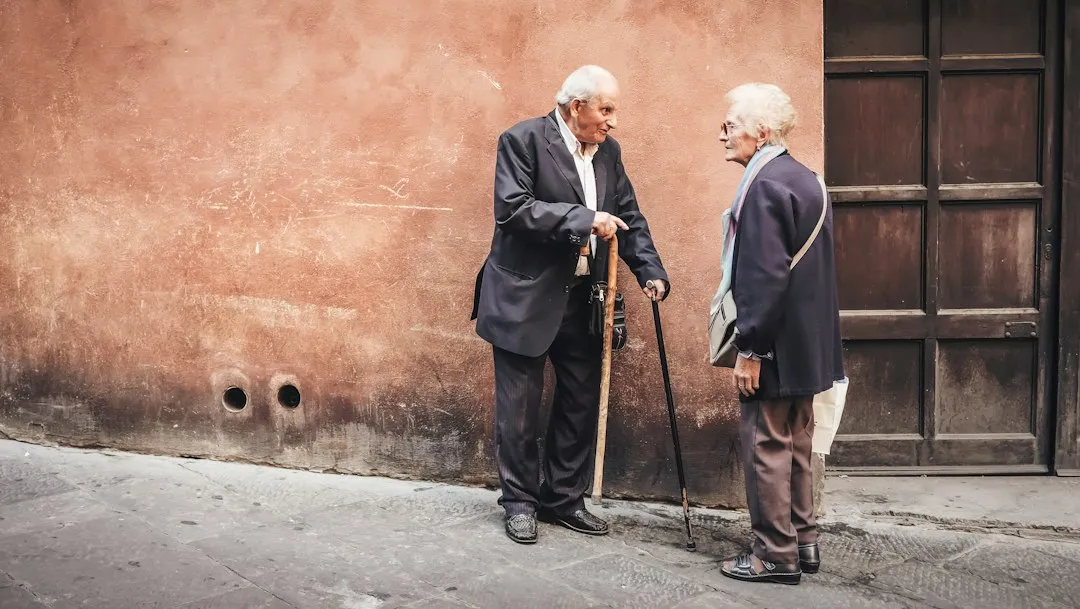
Fear of falling, which is common among older adults who have previously fallen or who feel unsteady, produces its own set of gait changes that look a lot like shuffling. This pattern feels protective, but research suggests it actually increases fall risk.
Many older adults shorten their steps or drag their feet because they are afraid of losing balance. The irony is that the very strategy adopted to feel safer ends up making each step more unstable. Elderly persons who stop walking while talking have a significantly higher risk of falling, suggesting that divided attention during walking is itself a warning sign.
Medications Are a Frequently Missed Cause

Polypharmacy, the use of multiple medications simultaneously, is a recognized contributor to acute gait disturbances in older adults. This is a factor that often goes unexamined in clinical practice, even as older adults are increasingly prescribed multiple drugs at once.
Medications such as blood pressure drugs, sleep aids, pain relievers, and even some antidepressants can contribute to gait changes. These effects can be subtle at first, gradually shifting a confident stride into a cautious shuffle without any obvious trigger. A medication review is often one of the simplest and most productive first steps a doctor can take.
Arthritis, Joint Pain, and Structural Wear
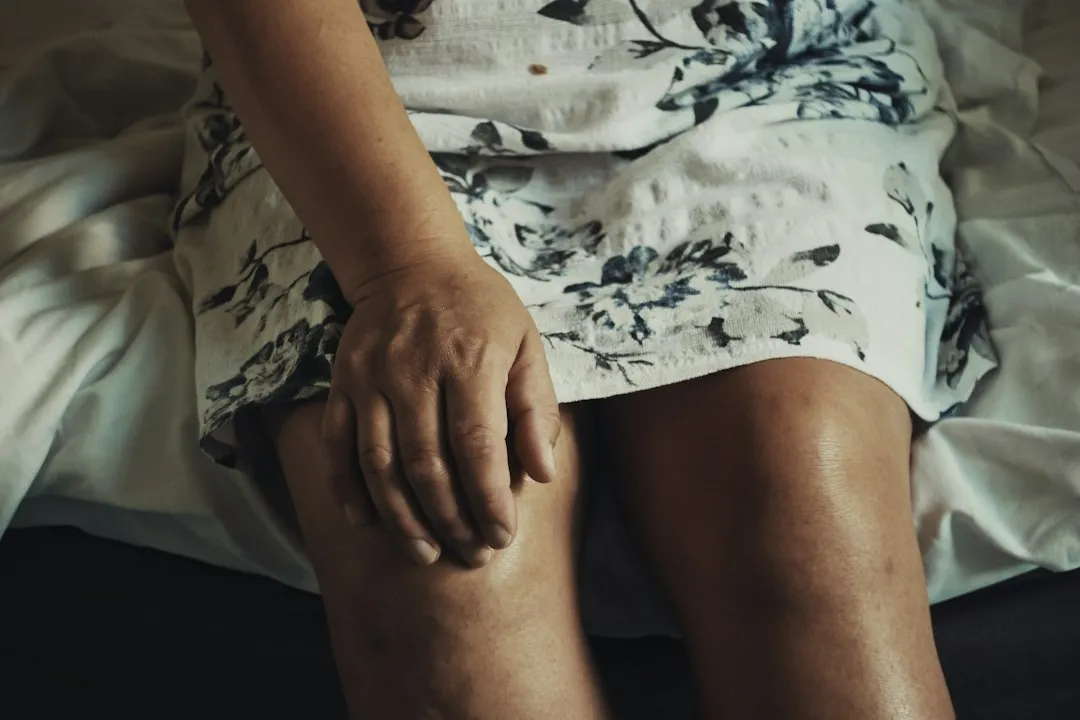
Hip and knee osteoarthritis are among the most common non-neurological causes of gait disorders. When joints hurt, the body naturally finds ways to move that reduce the pain, and those compensations often look like shuffling or limping over time.
Arthritis not only causes pain but also reduces the range of motion, which makes it physically difficult to walk normally. Research into community-dwelling older adults found that joint pain was reported as the most common contributor to gait problems, accounting for roughly a third of cases. That makes musculoskeletal pain one of the most underappreciated drivers of the shuffle.
Gait Changes as an Early Warning for Dementia
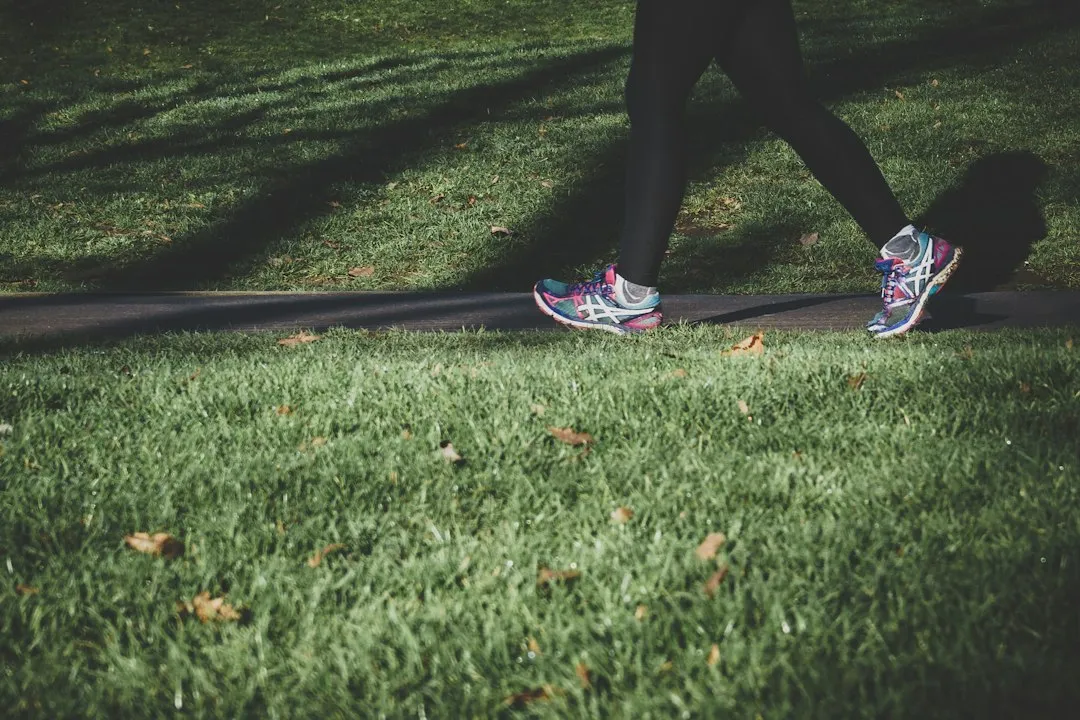
The connection between walking and cognitive health is stronger than most people realize. Slow gait in elderly non-demented persons correlates more closely with the future emergence of dementia than subjective cognitive impairment. In other words, how someone walks may predict their cognitive future more accurately than how they feel about their own memory.
Gait velocity is a powerful predictor of mortality, as powerful as an older adult’s number of chronic medical conditions and hospitalizations. At age 75, higher gait speed was associated with higher ten-year predicted survival. The shuffle, then, is not just a mobility issue. It is a whole-body health signal worth taking seriously.
Exercise and Intervention: What the Evidence Shows
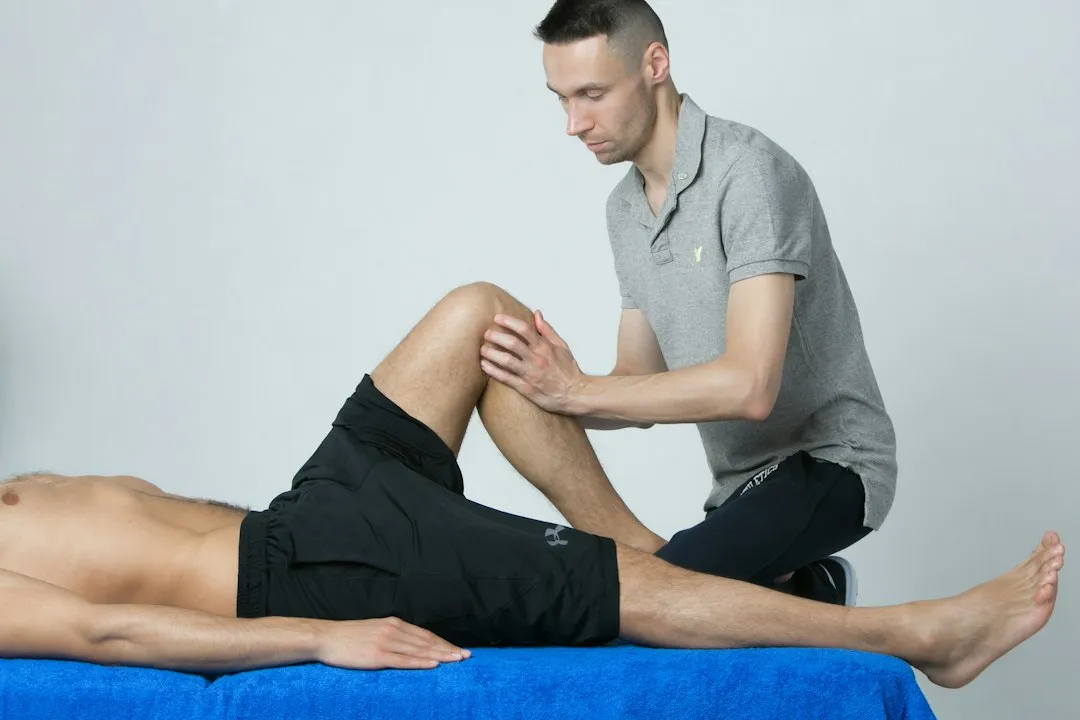
The good news is that the shuffle is not inevitable, and in many cases it’s reversible. Positive effects of exercise intervention have been observed in gait speed, stair-climbing ability, grip strength, muscle mass, and bone density. Specific modalities such as Tai Chi improved postural control and neuromuscular response, while Nordic walking reduced postural sway.
Exercise combined with nutritional supplementation has been identified as the most effective intervention for improving gait speed and muscle function. Research findings support combined exercise and nutritional interventions as a preferred treatment option for improving muscle strength, muscle mass, and physical function in older adults with sarcopenia.
One of the more promising approaches to improving shuffling gait involves giving the person an external rhythm to walk to. Benefits extend to neurologically healthy older adults as well, suggesting that even normal age-related gait changes respond to external pacing.
The Takeaway
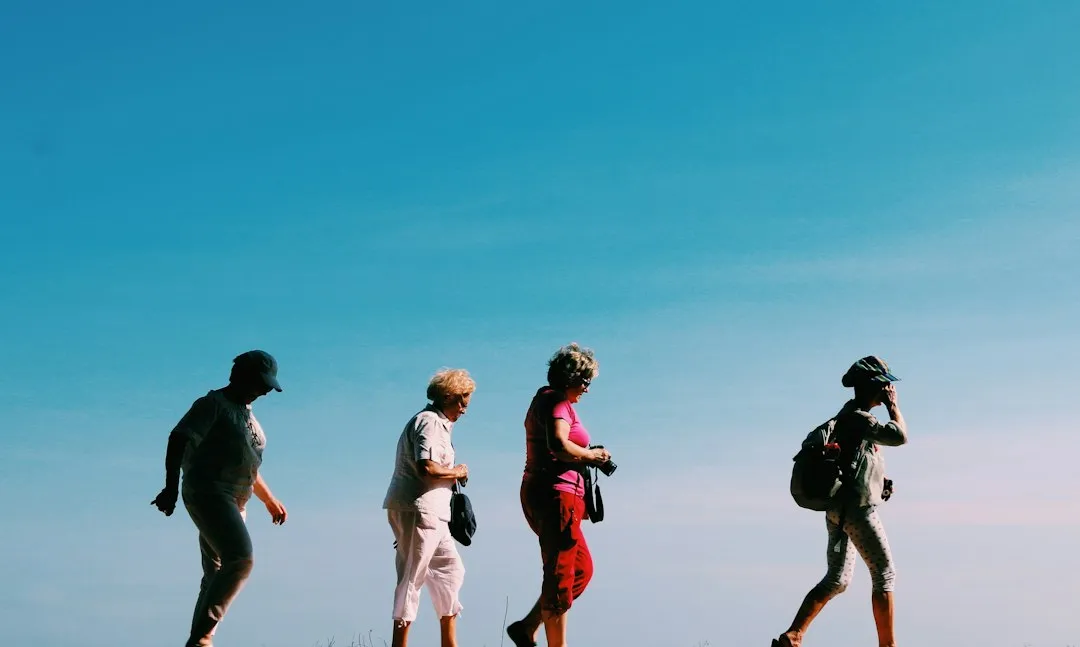
The shuffle is not simply what happens when someone gets old. It is a signal, often from multiple systems at once, that something deserves attention. Muscles, joints, the brain, blood vessels, fear, medications: any one of these can quietly reshape the way a person moves through the world.
The most important thing is not to normalize it too quickly. Gait can remain fully conserved in even very old persons, suggesting that changes in gait are not an inevitable companion of aging in otherwise very healthy individuals. That means intervention is almost always worth exploring, whether through movement, medication review, or clinical investigation.
A walk across the room reveals more about a person’s health than it might seem. Paying attention to how someone moves, and when that movement starts to change, may be one of the most underused tools in preventive care for older adults.
AI Disclaimer: This article was created with the assistance of AI tools and reviewed by a human editor.