
Hard Water Is the Main Culprit in Most Homes

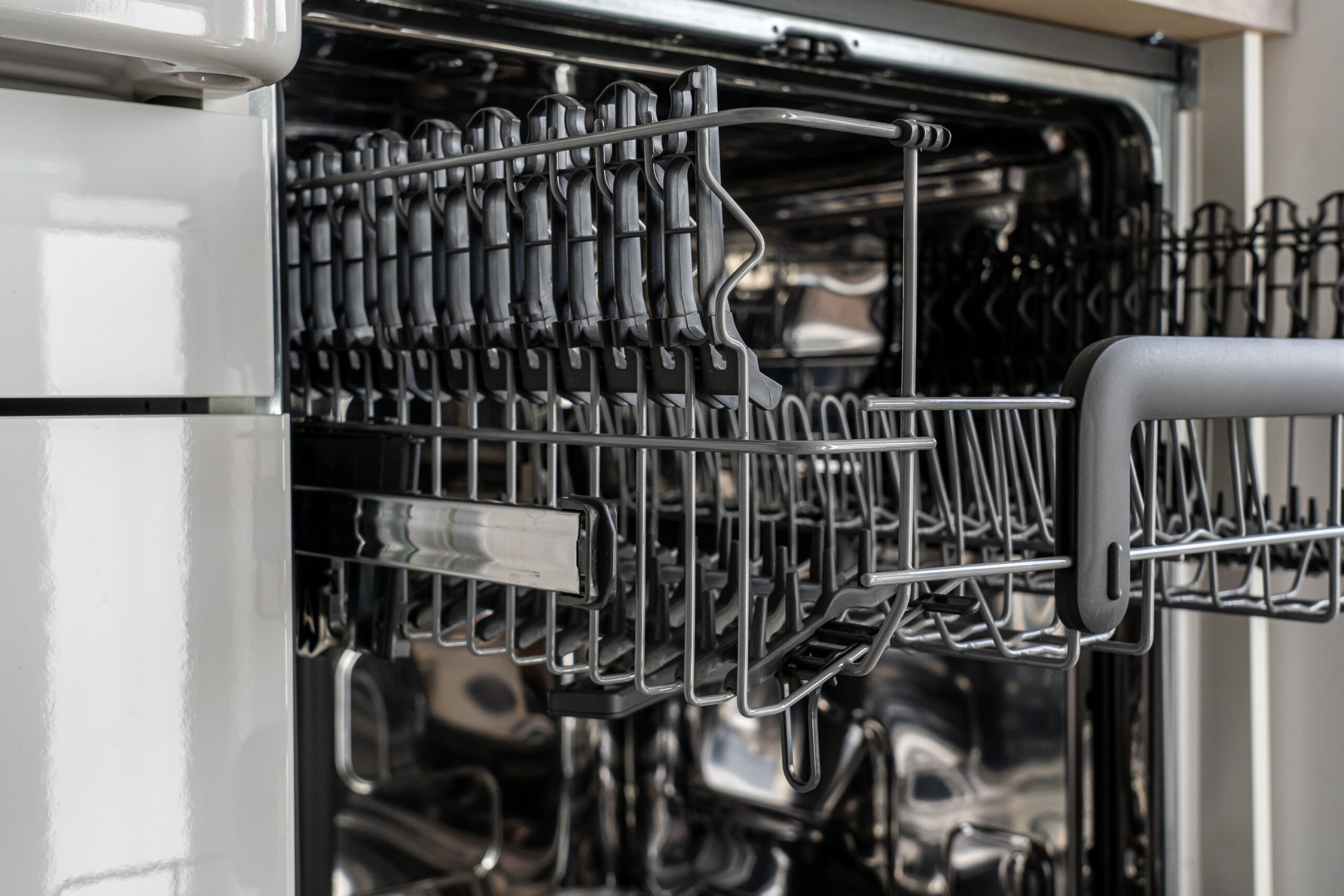
According to the U.S. Geological Survey’s 2023 hardness map, roughly 85% of American homes receive hard water, which carries dissolved calcium and magnesium picked up as it travels through limestone and chalk deposits underground. That’s an enormous share of households dealing with the same underlying issue.
When that mineral-rich water hits a hot dishwasher cycle and evaporates off your glassware, the minerals stay behind. That’s the white film. It’s a mineral deposit, and on glass it can become permanent over time.
A 2024 Water Quality Association report found that homes with water harder than 7 grains per gallon, which applies to roughly 60% of U.S. households, see noticeable scale buildup on appliances within 90 days. For most people, the dishwasher is simply fighting a losing battle against their own tap water.
What Hard Water Actually Deposits on Your Glass
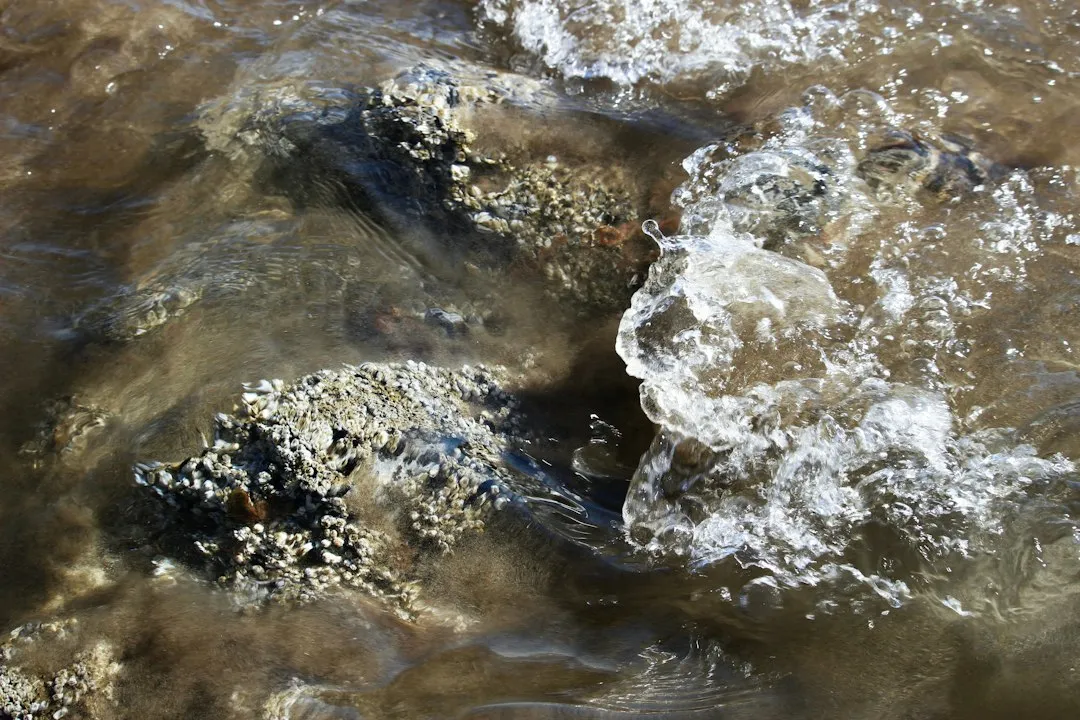
As water reaches the high temperatures required for sanitization in a dishwasher, the solubility of certain minerals decreases. This inverse solubility causes calcium carbonate and other salts to drop out of the liquid state and solidify.
These solids then find the nearest available surface to anchor themselves. Glass, despite its smooth appearance, contains microscopic irregularities that allow these minerals to latch on and create a cumulative milky layer.
Calcium carbonate is the primary white, chalky culprit in hard water, while magnesium salts add to the tenacity of the film and create a gritty texture. Together, they form a stubborn combination that a simple rinse cycle alone won’t remove.
The Heat of Your Dishwasher Makes It Worse
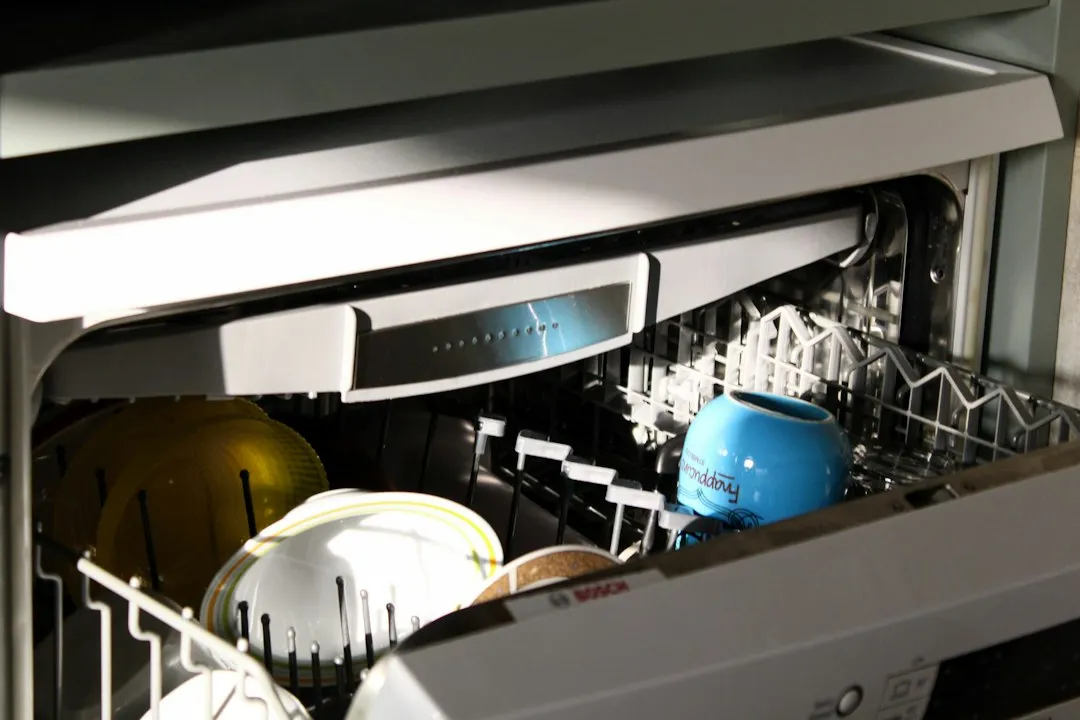
Heat accelerates mineral deposition significantly. At room temperature, calcium dissolves readily in water, but as temperature rises, water’s capacity to hold dissolved minerals drops. The Battelle Memorial Institute documented this in appliance testing: scale buildup occurs dramatically faster at elevated temperatures.
By rapidly evaporating the remaining water droplets, the dishwasher leaves behind concentrated mineral deposits that bake onto the glass. This is why glasses washed by hand with the same water rarely cloud up as quickly.
Glass film also worsens when the dishwasher water never reaches the needed temperature, meaning that an underperforming heating element can compound the residue problem in a different way. Too hot or not hot enough, the glass often pays the price.
Mineral Film vs. Glass Etching: A Critical Difference

Cloudy glasses pulled from the dishwasher are one of the most common kitchen complaints, and the right fix depends entirely on which of two problems you actually have. Hard water leaves a mineral film that cleaning can remove, while etching permanently wears the glass surface.
Repeated exposure to hard water and high heat causes a process called etching, where the minerals chemically interact with the silica in the glass, leaving behind microscopic pits. Those pits scatter light and create the same foggy appearance as a surface deposit, but they cannot be cleaned away.
A simple test settles the question: soak one glass in white vinegar for five minutes. If it clears, the cause is mineral film. If it stays cloudy, the glass is etched and cannot be restored. Knowing which you’re dealing with saves a lot of wasted effort.
Too Much Detergent Creates Its Own Problem
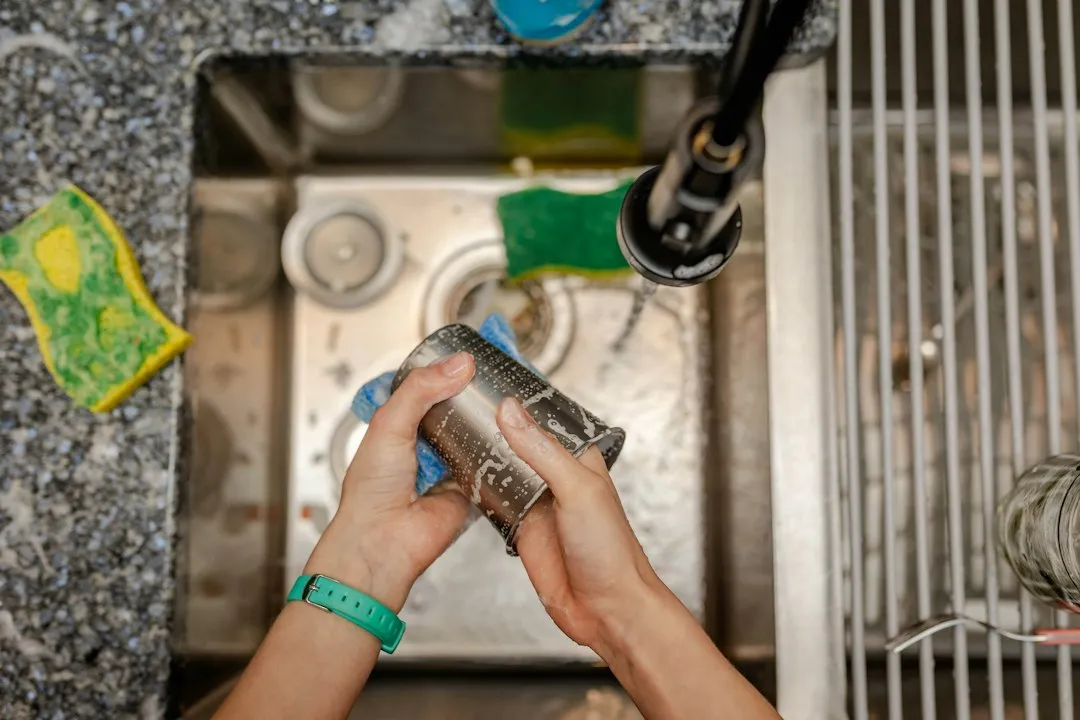
Using too much dishwasher detergent, or using the wrong type, can leave a white film on your glasses that’s nearly indistinguishable from mineral deposits. People often add extra detergent thinking more is better, but this logic backfires quickly.
A dishwasher leaving glasses cloudy is usually depositing hard water minerals, leaving detergent residue because the water is below 120°F, or etching the glass when soft water meets too much detergent. Soft-water households, in particular, are vulnerable to etching precisely because the detergent becomes more aggressive without minerals to buffer it.
Pre-measured tablets and pods work better than powder, liquid, or gel detergents at reducing film buildup. If you use powder or liquid, measure carefully because too little won’t clean effectively, while too much leaves residue.
Hard Water Forces You to Use More Detergent Too
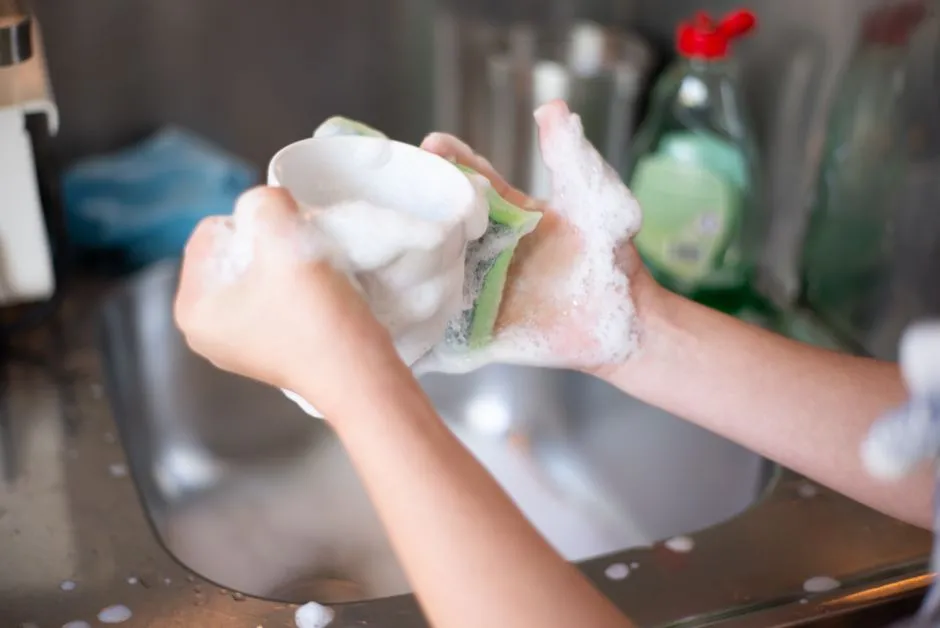
Studies by reputable institutions such as the Water Quality Association and the Battelle Memorial Institute reveal that washing machines and dishwashers running on hard water require up to 30% more detergent to achieve the same cleaning effect, as minerals neutralize the active ingredients.
Additionally, hotter water must be used for dishwashing, as hard water only cleans satisfactorily at high temperatures. This creates a cycle where the very conditions needed to clean your glasses also accelerate mineral deposition on them.
Spotting typically becomes noticeable above 7 grains per gallon and becomes severe above 10. If you live in a region with very hard water and haven’t adjusted your detergent or cycle settings accordingly, your glassware will almost certainly suffer.
Rinse Aid Is Not Optional for Clear Glasses
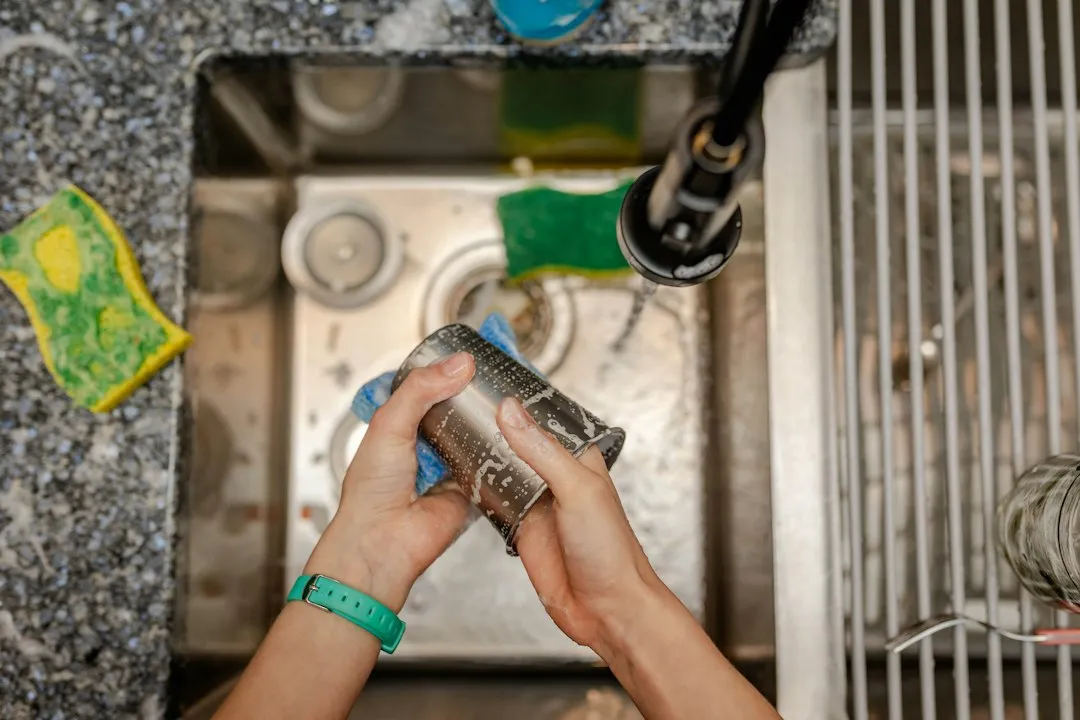
Unlike detergent, which removes food and grease, rinse aid works during the final rinse cycle to help water slide off dishes more effectively, resulting in spot-free glassware, faster drying, and a cleaner finish overall.
Rinse aid is a liquid additive that significantly enhances the drying process and prevents water spots, a primary cause of cloudiness. It works by reducing the surface tension of the water, causing it to spread out in a thin film across the surface of your dishes instead of forming individual droplets.
Hard water households benefit the most from rinse aid, but it improves results in virtually any water condition, especially for glassware and plastic items. Skipping it is one of the easiest ways to guarantee a cloudy result.
A Dirty Dishwasher Redeposits the Problem
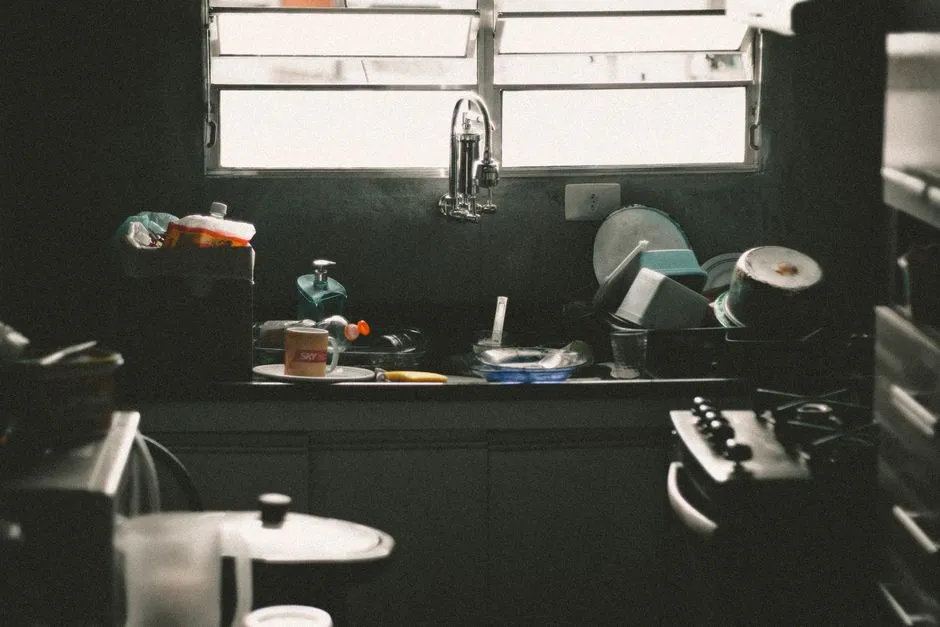
If the dishwasher itself is dirty, it can redeposit residue onto your glasses, creating the same film even with correct loading. Grease and trapped food cause cloudy glass by interfering with detergent performance and leaving contaminants to re-lodge on dishes.
Your dishwasher relies on hot water and good water circulation to remove food, grease, and detergent from your dishes. If the water isn’t reaching the right temperature, the spray arms aren’t working properly, or the dishwasher is overloaded, water and detergent may not circulate effectively, leaving residue behind and contributing to cloudy dishes.
If you run your dishwasher daily, aim to clean the filter every month to avoid issues. Regular filter maintenance prevents most cleaning problems and keeps the dishwasher running efficiently.
How You Load the Glasses Matters
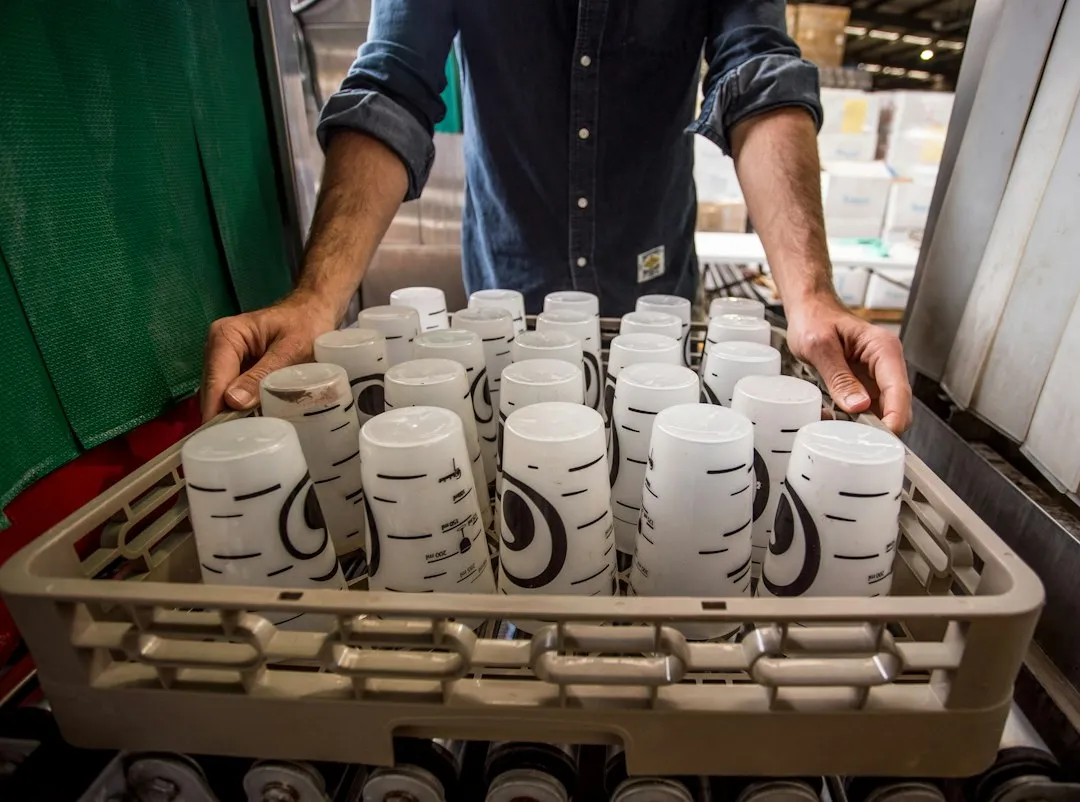
Facing glasses downward, or at a strong angle, allows water to drain off properly. Placing tall glasses on the outer rack ensures the spray arms can reach them freely. These small positioning choices have a measurable effect on the final result.
When glasses are packed too tightly, they knock against each other, creating micro-scratches that attract buildup. Those tiny surface scratches give minerals an even easier foothold, accelerating the clouding process over time.
If your dishwasher is clean but your glasses still show a white or cloudy film, hard-water deposits may be the problem. Simply putting the glasses through another dishwasher cycle won’t necessarily remove mineral buildup. You need to address the deposit directly, not just wash it again.
Practical Steps That Actually Work
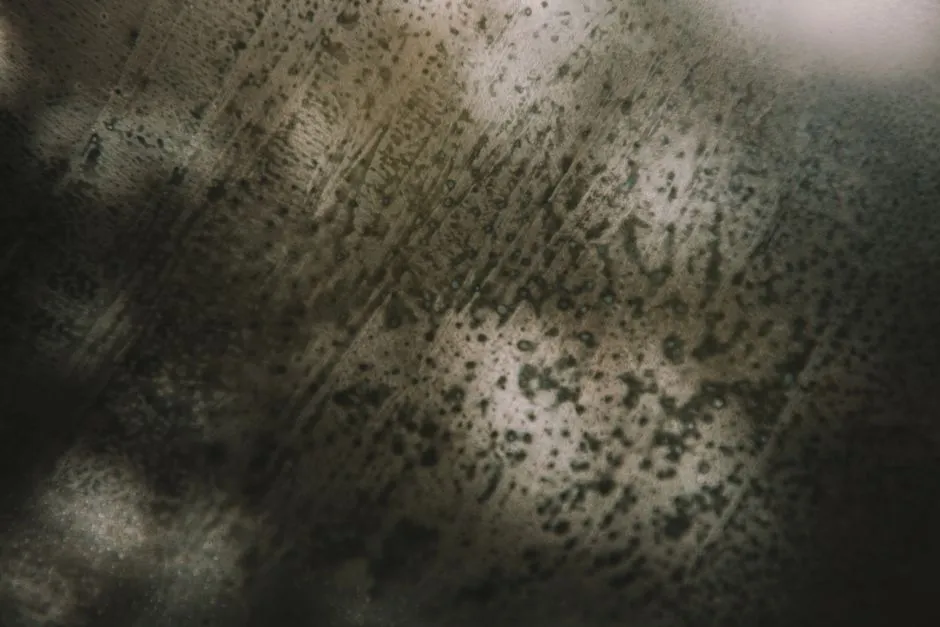
If hard water filming occurs, it can be easily removed by soaking the glassware in an acid solution. White vinegar or a diluted citric acid solution are the most accessible options for most households, and both are genuinely effective on fresh mineral deposits.
During the rinse cycle, water naturally wants to form droplets. As those droplets dry, they leave behind dissolved minerals, especially in hard water areas. That’s what causes spotting and cloudy glass. A citric acid rinse aid works by lowering the pH, neutralizing alkaline residue from detergents, and preventing water from clinging in droplets.
Soft water drastically reduces the cloudy film, spots, and white limescale deposits on glasses and cutlery. For households with severe hard water, investing in a whole-home water softener or a dishwasher-specific salt-based softening system often proves to be the most lasting solution.
The Takeaway
AI Disclaimer: This article was created with the assistance of AI tools and reviewed by a human editor.