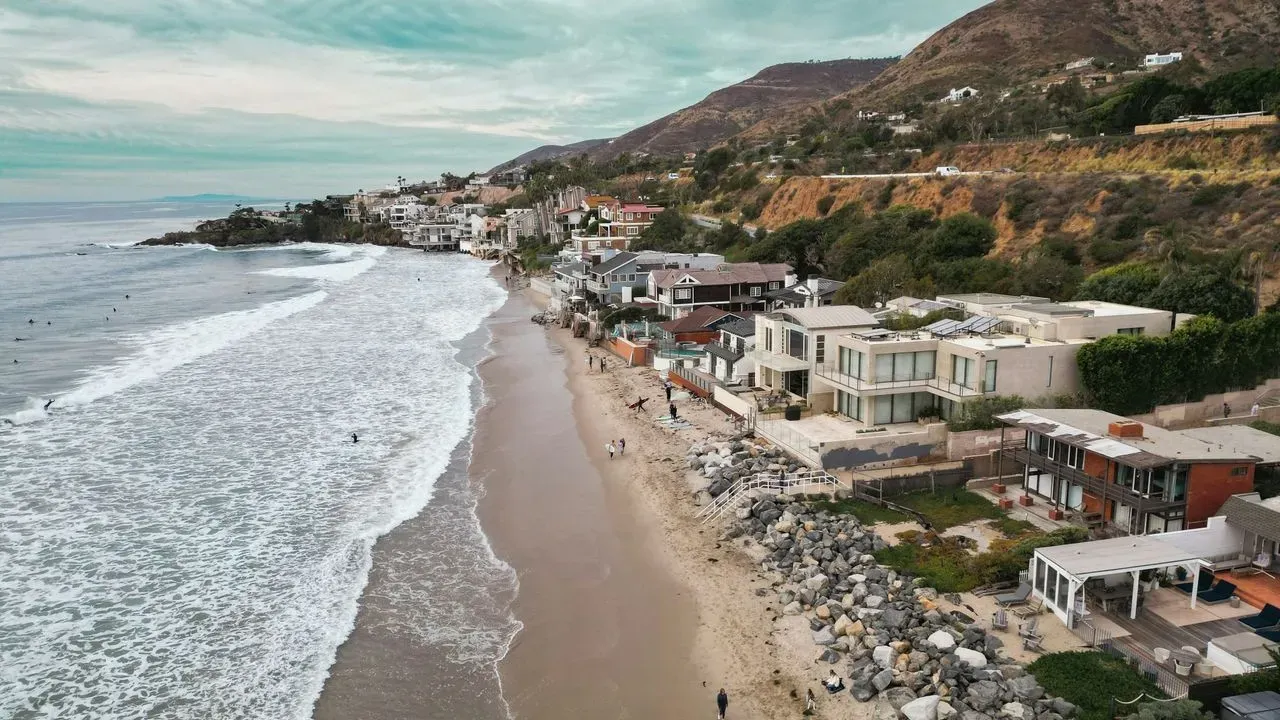

Malibu, Calif. – A beachfront property valued at $30 million is heading to auction with a reserve of $13 million, less than half its estimated worth. The house was damaged by fire, and its owner is Hong Kong millionaire Hiroshi Horiike. The sale plan was first reported by the ([1])New York Post, and the gap between its past valuation and its reserve has drawn attention from buyers and property watchers alike.
A Purchase That Sets the Baseline
Horiike bought the Malibu beach mansion in 2007 for $12.25 million. That figure gives the current reserve a useful reference point, because it shows what the property cost nearly two decades before it reached the auction block. Owners who buy at the top of a market often hope to recover their investment, and a reserve set above the original purchase price can signal confidence in the land. Here, the reserve sits about $750,000 above what Horiike paid, which suggests the seller is not planning to absorb a loss on the sale.
The $30 million valuation tells a different story. It represents the property’s earlier estimated worth in a market where Malibu oceanfront homes have long commanded some of the highest prices in California. Reaching a $13 million reserve means the figure has dropped sharply from that level, and the distance between the two numbers is the central element of the story.
What a Reserve Really Means
In an auction, a reserve is the minimum price the seller will accept. If bidding does not reach that threshold, the property does not sell. The reserve is not the same as a final sale price, and no sale has been reported. The listing signals what the seller is willing to take, but the outcome will depend on how many bidders appear and how much they are prepared to pay.
Real estate analysts often point out that fire-damaged coastal land can carry uncertainty. Buyers have to weigh the cost of repairs or rebuilding, local permitting, and insurance questions against the value of the location. Malibu’s beachfront setting remains a strong draw, yet a lower reserve can make a property more accessible to a wider pool of purchasers who might otherwise view a home of this profile as out of reach.
Key figures in the sale:
- Original valuation: $30 million
- Auction reserve: $13 million
- Horiike’s 2007 purchase price: $12.25 million
- Current status: heading to auction, with no sale reported
A Closer Look at the Next Chapter
The auction will test whether the market views the property as a teardown, a rebuilding opportunity, or a place that can be restored to its former standing. Each path carries different costs and timelines, and the reserve suggests the seller expects serious interest from buyers who are prepared to invest in the site.
For now, the figures tell a clear story. A house that once carried a $30 million price tag now enters the sale process at $13 million, and its buyer from 2007 paid a price that the reserve only narrowly exceeds. Whether the final result closes that gap or widens it will become clear once bidding begins.
AI Disclaimer: This article was created with the assistance of AI tools and reviewed by a human editor.