

Why 15 Minutes Is the Magic Number
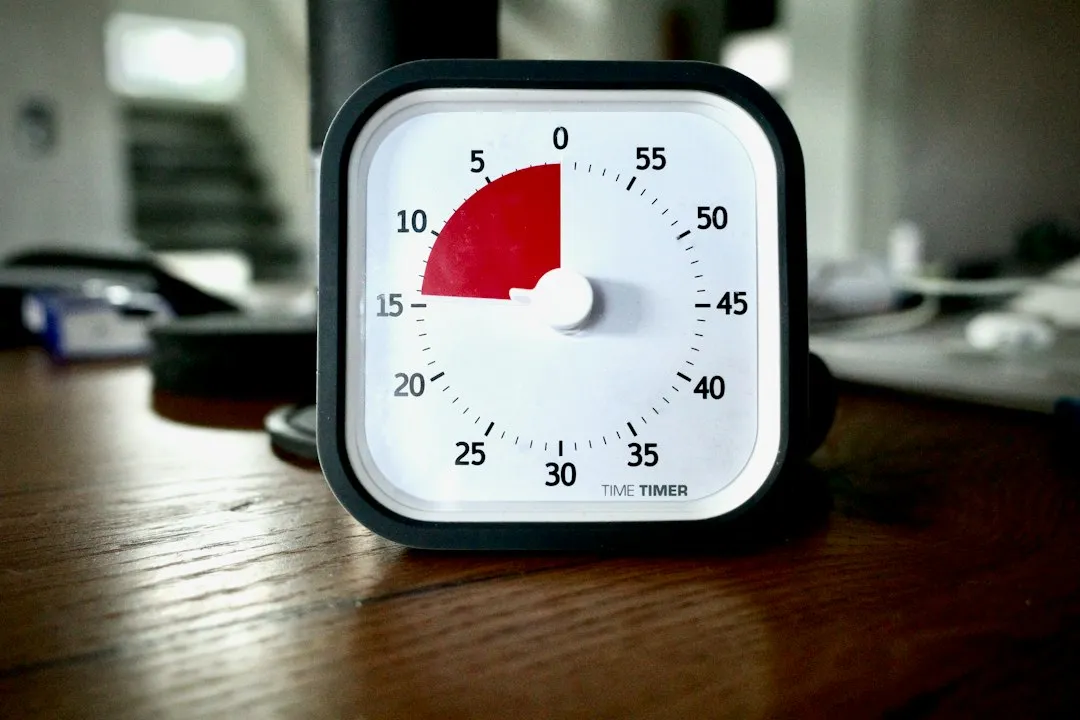
Fifteen minutes sits in a sweet spot. It’s short enough that you can find it on a tired Wednesday evening after work, but long enough to actually change how the living room, kitchen, and bedroom feel. Breaking tasks into 15-minute increments prevents the “day off burnout” and keeps the home at a consistent baseline, which matters far more than occasional marathon cleaning sessions.
One incredibly effective strategy is the designated 15-Minute Sweep, which involves setting a timer for 15 minutes, typically at the end of the day, and focusing solely on tidying. During that time, you’re not deep-cleaning grout or reorganizing cupboards. You’re putting things away, wiping down visible surfaces, and resetting the space.
The Science Behind Clutter and Stress

Research from UCLA established one of the most cited findings in this field: clutter raises cortisol levels by approximately 25% in the people who live with it. Cortisol is the body’s primary stress hormone, and chronically elevated cortisol is associated with poor sleep, weight gain, immune suppression, anxiety, and cardiovascular strain.
Research shows that roughly nine in ten Americans feel overwhelmed by clutter at least sometimes, with more than half feeling stressed and over two in five feeling more anxious when their home is cluttered. These aren’t trivial complaints. Research from Princeton University found that physical clutter competes for your attention and negatively impacts your ability to focus and process information.
A 2024 Container Store and OnePoll survey found that nearly three in four people feel overwhelmed when their home is untidy, and roughly half say how organized their home is directly affects their mental health. An evening reset is a direct response to that reality.
Start with the Kitchen: The Highest-Impact Zone

An evening kitchen reset is a short, repeatable routine that returns your kitchen to a calm baseline before bed, so the morning version of you walks into a clear counter instead of last night’s mess. The kitchen sets the emotional tone for the entire next morning, which is easy to underestimate until you’ve experienced both sides of it.
“Putting the kitchen to bed” means ensuring the sink is empty, the dishwasher is running, and the counters are wiped before you sleep. It takes roughly four to five minutes and delivers a disproportionate return. Cleaning removes dirt; a reset returns items to their homes and sets up tomorrow. Those are genuinely different activities.
The Living Room Pass: Fast and Functional

The living space reset is a fast, functional pass, not a deep clean. Cushions back in place, remote controls gathered, a stray cup returned to the kitchen. It’s the kind of work that takes three minutes when done nightly and thirty minutes when ignored for a week. The difference is almost comical once you notice it.
A cluttered space can translate into a cluttered mind. When toys, dishes, or laundry are left undone, they often linger in your thoughts. By taking just 10 to 15 minutes in the evening to restore order, you give yourself permission to let go of the day and truly relax.
Habit Stacking: The Secret to Consistency

The biggest reason evening resets fail isn’t laziness. It’s that the routine floats without an anchor. Habit stacking solves this. Habit stacking is linking a new cleaning behavior to an existing routine habit. For example: “After I make dinner, I will load the dishwasher.” This uses established routines as automatic triggers.
Habit stacking leverages the brain’s wiring for routines, making health upgrades feel seamless. Research on habit formation from the Mayo Clinic suggests that attaching new actions to established ones can improve consistency by two to three times. Linking your kitchen reset to right after dinner means it stops feeling like a decision and starts feeling like just what happens next.
Borrowed from the restaurant and retail industry, the “Closing Shift” is a 15-minute evening routine where you reset your home. You load the dishwasher, wipe the table, and fluff the sofa pillows. This ensures that when you wake up, you aren’t greeted by yesterday’s mess, but by a fresh start.
Involve the Whole Household

If you live with others, tidiness cannot be a solo mission. One of the most effective strategies for families is the “10-Minute Reset.” Scale that to 15 minutes with more people, and the whole house gets done faster than any one person could manage alone. The key is making it a shared expectation rather than one person’s invisible labor.
Set a timer every evening before bed. Everyone in the household, children included, spends time returning items to their designated homes. This prevents the accumulation of “clutter creep” that typically happens overnight. Giving kids a specific zone to reset, their room, their shoes, their backpacks, works far better than a general instruction to “tidy up.”
Use the “Clear to Neutral” Principle

Clear to Neutral is a productivity concept where you reset your environment to a neutral starting state after each use. For home cleaning, this means wiping down the kitchen counter after cooking, putting dishes in the dishwasher immediately after meals, and tidying your desk at the end of each workday.
The logic is simple but powerful. You’re not cleaning for now; you’re setting up for tomorrow. This subtle, pervasive approach clears stress as a silent productivity killer. By establishing effective home organization habits, you’re not just decluttering surfaces; you’re decluttering your mind, freeing up cognitive resources for more important tasks. That’s worth fifteen minutes of anyone’s evening.
The Bedroom: Your Sleep Environment Matters

For people navigating demanding schedules, the home environment is more than just a living space; it is a recovery zone. A cluttered bedroom or a sink full of dishes doesn’t just look messy, it actively interferes with your ability to get the high-quality restorative sleep necessary for your health.
Spending two to three minutes on the bedroom as part of your evening reset pays off in sleep quality. Clothes off the floor, bedside table cleared, tomorrow’s outfit decided. The cumulative effect of consistently performing small cleaning tasks extends far beyond a tidy home. A clean space can improve focus, enhance mood, and even contribute to better sleep quality.
Tools and Supplies: Reduce Friction

One of the most practical things you can do to protect your evening reset is make the supplies easy to reach. An often-overlooked aspect of effective home organization habits is the strategic placement of cleaning tools and supplies. If your cleaning spray is under the sink in the garage, you’re far less likely to grab it for a quick wipe-down than if it’s discreetly placed under the kitchen sink.
Use the “two-minute rule” to beat procrastination: if a task takes two minutes or less, such as putting away shoes or wiping a counter, do it immediately. This pairs naturally with the broader reset routine. The most effective stacked cleaning habits take one to three minutes. The goal is effortless, automated maintenance rather than deep cleaning sessions.
Making It Stick Over Time

No routine survives contact with real life perfectly. Some evenings the timer goes off and you can only manage the kitchen. That still counts. A real evening kitchen reset is repeatable on your worst night, not just your best one. Consistency over perfection is the whole game here.
Just like your body has natural energy cycles, cleaning routines can be more efficient and less stressful when timed right. The time of day you clean may significantly impact your motivation, results, and ability to stay consistent. Evening works because the day is defined. You know what mess exists. You can close it out cleanly before tomorrow opens. No routine is perfect from day one. Regularly, perhaps weekly or bi-weekly, assess how your routine is working. Perhaps you need to re-evaluate the “home” for certain items, or adjust the timing of a particular micro-task.
The Takeaway

The 15-minute evening reset doesn’t promise a spotless home. What it offers is something more durable: a house that never fully tips into chaos, and a morning that starts from a place of calm rather than catch-up. Research suggests the average person spends roughly 12 days a year looking for things lost in clutter. A short nightly reset quietly chips away at that invisible tax.
The real shift isn’t in the cleaning. It’s in the framing. Fifteen minutes tonight is an investment in tomorrow’s ease. Done consistently, it compounds. The house stays manageable, the mornings feel lighter, and that low-grade background stress that clutter quietly generates simply has less room to build. That’s not a small thing.
AI Disclaimer: This article was created with the assistance of AI tools and reviewed by a human editor.