

The Gut-Brain Axis: A Two-Way Street
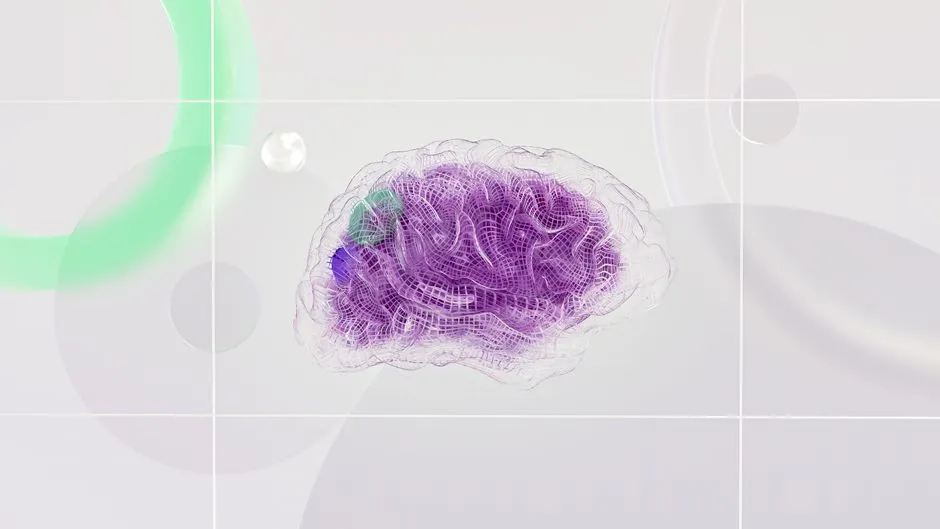
The gut-brain axis represents a complex communication network linking the gastrointestinal tract and the central nervous system. This is not a loose metaphor or a vague wellness concept. It is a physical, documented signaling pathway that affects how your body processes everything from food to fear.
A core component of this system is the enteric nervous system, often referred to as the “second brain,” which autonomously governs gut functions and interacts with the gut microbiome, mucosal immunity, and the autonomic nervous system. That second brain doesn’t just follow orders from your head. It pushes information back upward, influencing your emotional state just as much as your mood influences your digestion.
For decades, scientists assumed the gut simply followed the brain’s lead, but research now suggests that the trillions of microbes in our intestines may play a surprisingly active role in shaping our emotions and mental health.
The Vagus Nerve: Your Body’s Internal Messenger

The vagus nerve represents the main component of the parasympathetic nervous system, which oversees a vast array of crucial bodily functions, including control of mood, immune response, digestion, and heart rate. Think of it as the body’s longest internal telephone line, running from the base of the brain all the way down through the chest and into the abdomen.
The parts of our brain that control emotions are linked to the gut via the vagus nerve. When anxiety fires up, that signal travels directly down this nerve, arriving in your digestive system within moments. The left and right vagal nerves contain roughly three-quarters of your parasympathetic nervous system’s nerve fibers, sending information between your brain, heart, and digestive system.
Visceral pathways for nausea comprise the vagus nerve, which is responsible for detecting nausea signals from the gut, and the area postrema, which directly senses humoral cues and may receive secondary inputs from the vagus nerve. In short, nausea is not random. It has a specific wiring diagram.
Fight-or-Flight and What It Does to Digestion

Cortisol is a primary stress hormone that plays a direct role in how your body experiences anxiety. When you face ongoing stress, chronically elevated cortisol levels trigger a prolonged fight-or-flight response, which can actively worsen both the physical and mental symptoms of anxiety.
Cortisol actively raises your blood glucose to make energy available immediately, while at the exact same time temporarily downshifting bodily systems that aren’t urgent in a crisis, like your digestion and certain immune functions. Your stomach essentially gets deprioritized so your muscles and brain can be ready to respond.
Blood moves away from the stomach and intestines toward the large muscles in the arms and legs. Digestive movement slows or stops. The stomach can feel heavy, unsettled, or queasy because it has essentially been put on pause mid-process. That knotted feeling before a stressful event is simply your digestive system going offline temporarily.
Why Serotonin Plays a Bigger Role Than You’d Think

Serotonin is an important neurotransmitter in the gut that can stimulate peristalsis and induce nausea and vomiting by activating the vagus nerve. Most people associate serotonin with mood, but the majority of the body’s serotonin is actually produced in the gut, not the brain.
Bacterial metabolites, neurotransmitters like serotonin and GABA, and inflammatory molecules travel from the gut to the brain, influencing mood, cognition, and the body’s stress response. When stress disrupts this chemical balance, the effects ripple in both directions simultaneously.
When stress disrupts serotonin activity, it directly affects how the stomach feels and functions. The stress hormone cortisol also increases stomach sensitivity, making the digestive system more reactive to everything from food to emotions. This is why even a mild stressor can cause someone with chronic anxiety to feel genuinely unwell after eating.
The Gastric-Brain Axis: New Research in 2025
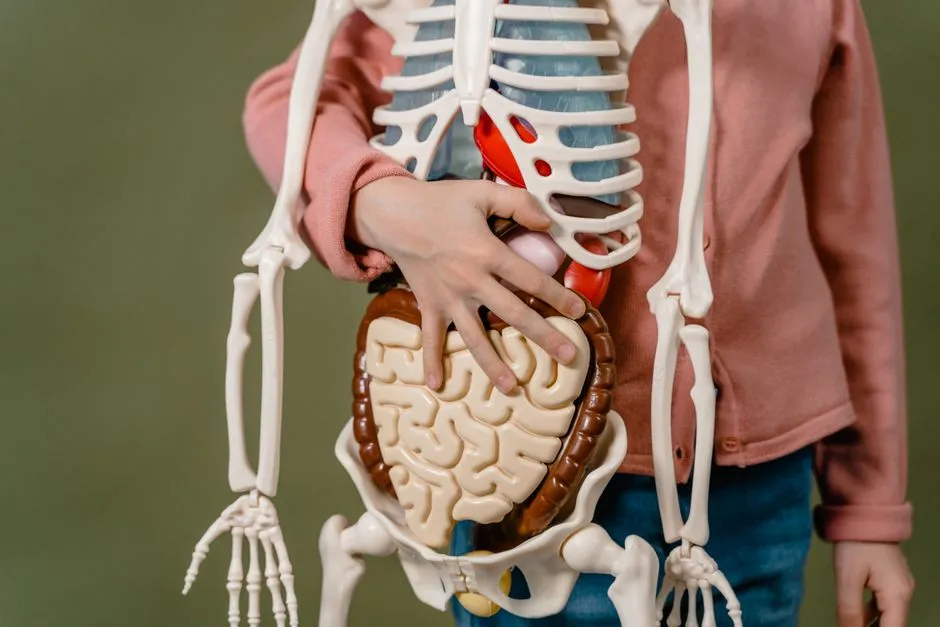
The August 2025 issue of Nature Mental Health features a new investigation of the connection between the stomach and the brain: the gastric-brain axis. This work is pushing the field’s understanding past general gut-brain communication into something more organ-specific and measurable.
The study revealed that stronger communication between the stomach and brain is linked to worse mental health, such as higher symptoms of anxiety, depression, stress, and fatigue, whereas weaker stomach-brain communication aligns with better mental health, reflected in higher overall well-being and quality of life.
The research raises important questions about causality: whether the stomach is influencing the brain, the brain is influencing the stomach, or both, as well as how stomach-brain communication develops over time and whether it can predict changes in mental health. Those are questions researchers are actively pursuing right now.
Gut Motility: When Food Moves Too Fast or Too Slow

Anxiety activates the sympathetic nervous system – the body’s fight-or-flight response – which diverts blood flow away from digestion toward muscles and the brain. This can disrupt normal intestinal contractions, causing food to move either too quickly, leading to diarrhea, or too slowly, causing constipation.
With this two-way signaling in play, a sudden stressor can make digestion feel off within minutes, and digestive symptoms may change even when the meal was not the main trigger. This explains why anxious people sometimes find themselves rushing to the bathroom or feeling completely blocked, with no clear dietary reason.
Changes in adrenaline and digestion can affect gut movement, secretions, blood flow, immune activity, and pain sensitivity, causing cramps, bloating, or reflux. The cascade of symptoms from a single stressful moment can be wide-ranging and genuinely uncomfortable.
Leaky Gut: When Stress Weakens the Intestinal Barrier

Stress-related changes in the gut go beyond movement. Anxiety can directly fuel inflammation in the digestive tract by increasing gut permeability, sometimes called “leaky gut.” This occurs when stress hormones like cortisol and adrenaline weaken the intestinal barrier, allowing bacteria and toxins to seep into circulation and trigger immune responses.
Recent research highlights the significance of microbiome-host interactions, gut permeability, and the integrity of pivotal barriers, including the gut epithelial, blood-nerve, and blood-brain barriers in maintaining neurological health. When those barriers weaken under stress, the effects are felt far beyond the stomach alone.
This kind of systemic disruption partly explains why people dealing with chronic anxiety often develop longer-term digestive problems, not just momentary butterflies. The damage from repeated stress responses accumulates quietly over time.
How Common Is This, Really?

Understanding how anxiety impacts the gut is critical, especially as up to roughly four in ten Americans report stress-related stomach issues during their lifetime. That is a substantial portion of the population experiencing a problem that often gets dismissed as being “just nerves.”
Nearly four in ten people with digestive issues report that stress worsens their symptoms. The overlap between mental and physical discomfort here is not coincidental. For many people, stomach symptoms are the first sign that stress has reached an unsustainable level.
Occasional nausea or diarrhea linked to anxiety usually resolves once stress subsides, but when stress is ongoing, the risk of chronic gastrointestinal disorders rises. Chronic exposure can increase the likelihood of developing IBS, gastroesophageal reflux disease, and indigestion.
The Vicious Cycle: When Your Gut Stresses You Out

The relationship between stress and the gut is bidirectional. Just as stress can negatively impact digestion, digestive problems can increase stress and anxiety, creating a vicious cycle. Ongoing digestive discomfort can cause feelings of frustration, embarrassment, or fear about eating, which only increases stress levels.
This heightened stress, in turn, can further exacerbate gut issues, creating a loop that can be difficult to break. People caught in this cycle often find that treating the digestion alone does not help much, and treating the anxiety alone is similarly incomplete.
Growing evidence suggests that gut microbiota may causally influence neurological disease development, and that brain structure and gastrointestinal function may mutually affect each other. The two systems are genuinely co-dependent in ways that standard medicine is only beginning to treat together.
What the Microbiome Has to Do With It
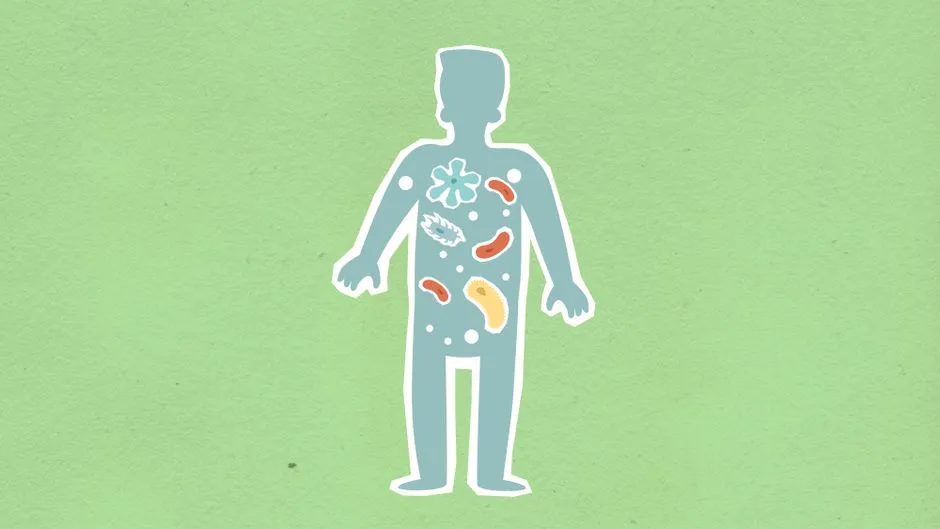
Studies have found that people with depression often have less microbial diversity, that probiotics may ease symptoms of anxiety, and that dietary shifts can alter mood-related brain chemistry within days. The microbiome is not a passive bystander. It actively participates in how your nervous system responds to stress.
There is preliminary evidence for gut bacteria to have beneficial effect on mood and anxiety, partly by affecting the activity of the vagus nerve. The bacteria living in your digestive system essentially communicate with your brain through one of the most important nerves in your body.
In a 2024 review in Frontiers in Pharmacology, scientists found probiotics may reduce inflammation and pathogenic microbes in the gut, as well as potentially improve outcomes for cognition. This is still an evolving area, but it suggests that the food and habits shaping your gut microbiome may also shape how calm or anxious you feel on a given day.
What You Can Actually Do About It

Sleep is essential for stress management and gut health. Lack of sleep increases cortisol levels, which can worsen digestion. Something as simple as improving sleep hygiene can have a measurable impact on both anxiety and stomach symptoms.
Given the linkage between vagal tone and psychiatric problems, interventions that non-invasively target the vagus nerve to regulate inhibition of sympathetic activity may be therapeutic for psychiatric conditions characterized by inflexible parasympathetic responses such as anxiety disorders. Breathing exercises, cold exposure, and even humming are increasingly studied as practical ways to stimulate vagal tone.
Anxiety nausea tends to come and go with stress levels, while viral nausea is more constant and often comes with fever. Knowing the difference can help you respond appropriately rather than reaching for the wrong remedy. If your stomach settles once the stressor passes, the nervous system is almost certainly the source.
The Takeaway

Your nervous stomach is not a sign that something is broken. It is a sign that your brain and gut are doing their jobs, communicating rapidly, preparing your body for perceived danger. The problem is that modern stress rarely looks like a physical threat, so the digestive system gets disrupted for reasons it was never designed to handle.
What the latest research from 2024 and 2025 makes clear is that this connection runs deeper than previously understood. The stomach-brain relationship is specific, measurable, and bidirectional in ways that change how clinicians should think about both anxiety and digestive disorders together.
Taking care of your gut and taking care of your mental health are, increasingly, the same project. That may be the most useful thing to understand about the whole uneasy relationship between your mind and your stomach.
AI Disclaimer: This article was created with the assistance of AI tools and reviewed by a human editor.