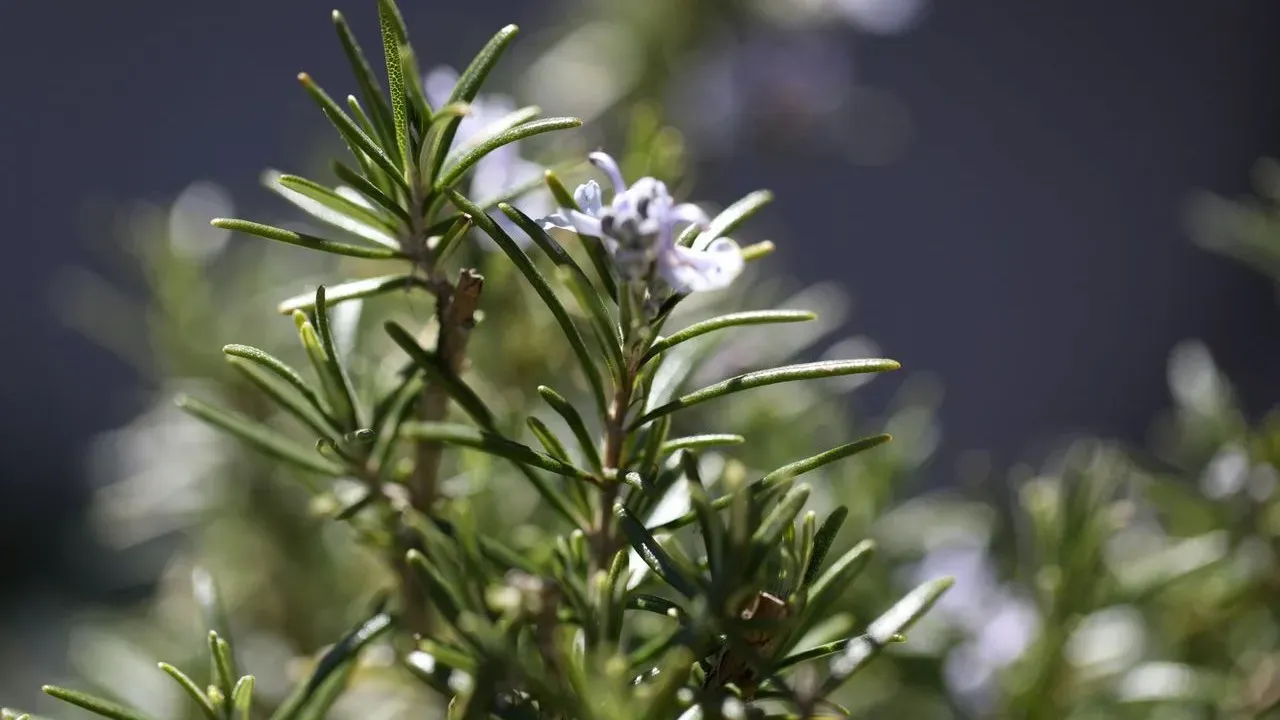

As mid-November brings the first serious cold to many parts of the United States, rosemary owners are weighing whether their plants can stay outside. The answer depends heavily on where the garden sits and how the plant is treated before the ground freezes. Gardeners can protect rosemary through mulching, potting up, or moving it indoors, and the right choice follows from local winter lows. ([1])
Start With Your Hardiness Zone
Zone is the first question to answer. ([2])notes that most rosemary varieties are rated for USDA Zones 8 to 10, and that a Zone 7 winter, with minimum temperatures between 0°F and 10°F, can kill them outright. Even so, the same source points out that gardeners in several Zone 7 states grow rosemary as a perennial every year, so the rating is a guide rather than a verdict.
Variety also makes a difference. Arp is widely described as the most cold tolerant option sold through mainstream nurseries, and one guide places its survival limit near -10°F in Zone 7. Gardeners in colder areas, roughly Zone 6 and below, should expect to rely on containers and indoor overwintering. Some sources put the threshold for common rosemary at zone 8, while others suggest it can hold on wherever winter temperatures stay above 5°F, so checking a local hardiness map before planning is worthwhile.
Mulch the Roots and Shield the Foliage
For plants that stay in the ground, mulch does most of the work. ([3])recommends a layer of natural mulch, around 3 to 6 inches deep, placed around the base before frost. Wood chips and weed-free straw are common choices, and pine straw or shredded leaves also work well in the same role.
Material matters more than many gardeners expect. ([4])advises lighter options such as straw, shredded leaves, pine needles, or bark chips rather than heavy material that can smother the crown. For added protection of the stems and leaves, floating row covers or rose cones can be placed over the plant. Pruning rosemary back to around 6 inches above the ground before mulching is another step some growers take, though sources differ on how aggressively to cut.
Potting Up and Moving Plants Indoors
In colder regions, a container is often the simplest way to keep rosemary alive from one season to the next. Growers who plan ahead can plant rosemary in a pot from the start, which makes the move indoors far less of a chore. Plants already in the ground can be dug up and transplanted into a large container with fresh potting mix, then given a few days to adjust before they come inside. Timing is important, and ([5])suggests bringing potted rosemary in when the first fall frost is two to three weeks away, or just before a frost arrives.
Once indoors, rosemary needs bright light. One guide recommends a window that receives six to eight hours of bright, indirect light each day. ([6])adds that the soil should be allowed to dry before watering, and that humidity helps keep the foliage supple. Placement away from heating vents and radiators also helps, since dry, hot air can stress the plant.
What matters now
- Check your USDA zone and the cold tolerance of your specific variety.
- Mulch in-ground plants before the first hard freeze, using light, natural material.
- Move containers indoors before frost, into a bright window away from heat sources.
- Reduce watering in winter, since soggy roots cause more losses than most cold snaps.
A Measured Outlook for Winter
Rosemary rarely fails for a single reason. Cold temperatures set the limit, but wet soil, drying winter wind, and poor timing often finish the job. ([7])also notes that rosemary generally does not need fertilizer in fall or winter, since growth slows during the colder months.
Gardeners who know their zone, choose a suitable variety, and act before the first hard freeze stand the best chance of seeing fresh growth in spring. The plant that looks dormant in January may well return once temperatures climb again, and a few simple steps in November can make that outcome far more likely.
AI Disclaimer: This article was created with the assistance of AI tools and reviewed by a human editor.