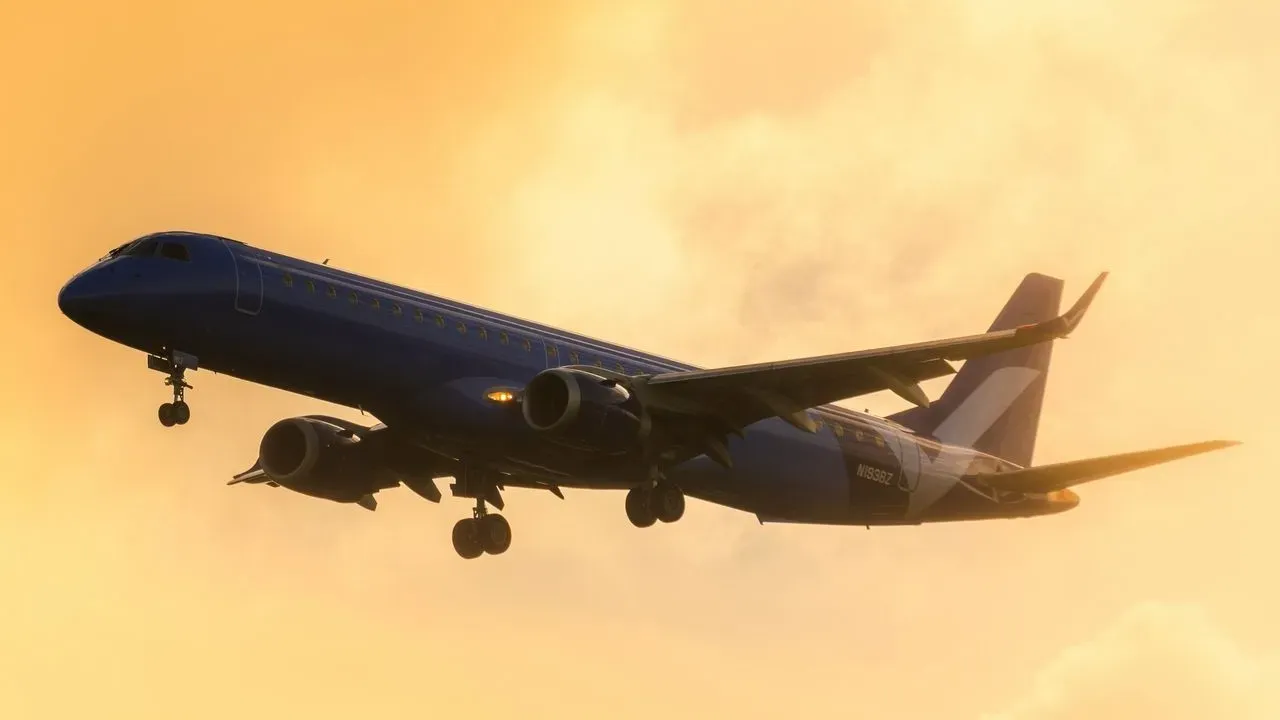

WASHINGTON – A nationwide halt to U.S. departures on Friday became the longest of its kind in a quarter century, and its effects stretched well into Saturday. Airlines spent the day rebuilding schedules after more than 2,000 flights were canceled, while passengers who had been stranded at airports tried to find their way home. The disruption also reached beyond domestic travel, with ripple effects felt around the world ([1]).
A stop that lasted a few hours but drew wide attention
The Federal Aviation Administration imposed the nationwide ground stop at 3:54 p.m. Eastern time on Friday, citing a telecommunications outage that affected air route traffic control centers. The agency later lifted the order, which it issued citing “extraordinary circumstances and reasons for safety.” Departures resumed only gradually, and a limited number of domestic flights departed after the stop was lifted around 8:15 p.m. ET Friday.
The event stands out for its scale and its rarity. It was also the second nationwide ground stop of all departures since the September 11, 2001, attacks. The previous one came more recently, as the first was in January 2023, when another key FAA computer system that sends notices to pilots malfunctioned.
Officials offered their own explanation for the breakdown. Trump administration officials said new technology being added to the nation’s air traffic control system overloaded antiquated equipment and caused “intermittent” communications and radar gaps, leading to the flight shutdown of more than four hours. Aviation safety expert Steve Arroyo noted that the scope made the difference, since the outage left controllers unable to reliably talk to pilots. Arroyo also said planes were not told to land immediately, and pilots were likely still able to communicate with ground controllers at airports.
Safety and the path back to normal
Homeland Security Secretary Markwayne Mullin told reporters at the White House that no one was in danger. More than 3,000 flights safely landed Friday, he said.
Recovery was the next challenge. U.S. air travel should be fully recovered from the longest nationwide ground stop in 25 years by the end of Sunday, FAA Administrator Bryan Bedford said Saturday. He acknowledged that disruption would continue in the meantime. Bedford said the flights “will still have delays and cancellations” on Saturday but promised that the “worst is behind us.”
Key figures from the disruption
More than 2,000 flights were canceled on Saturday, according to the Associated Press report. The stop was lifted around 8:15 p.m. Eastern on Friday. The FAA expected full recovery by the end of Sunday.
Sports teams and travelers left scrambling
The stoppage reached the sports calendar as well. Teams and universities that had games or travel plans were forced to find other ways to move. Auburn University’s football team, for example, took a bus to Mississippi State, and the Saturday kickoff was moved from noon Eastern to 4:15 p.m. Eastern. Other universities affected by the stoppage included:
- Baylor
- Washington
- Kansas State
- Minnesota
Professional teams were also affected, though the coverage available did not single out specific franchises or detail how each one rearranged its travel. For ordinary passengers, the cost was less visible but no less real, as many spent extra hours or days trying to rebook flights and reach their destinations.
What the disruption reveals about the system
The ground stop is likely to keep attention on the modernization of air traffic control. Officials have described new technology that was meant to strengthen the system but instead strained older equipment during a critical period. Whether the fix comes through upgrades, better backup procedures, or both will shape how the country handles the next interruption. For now, the immediate story is the same one repeated in terminals across the country: a rare shutdown, thousands of canceled flights, and travelers still working to get home.
AI Disclaimer: This article was created with the assistance of AI tools and reviewed by a human editor.