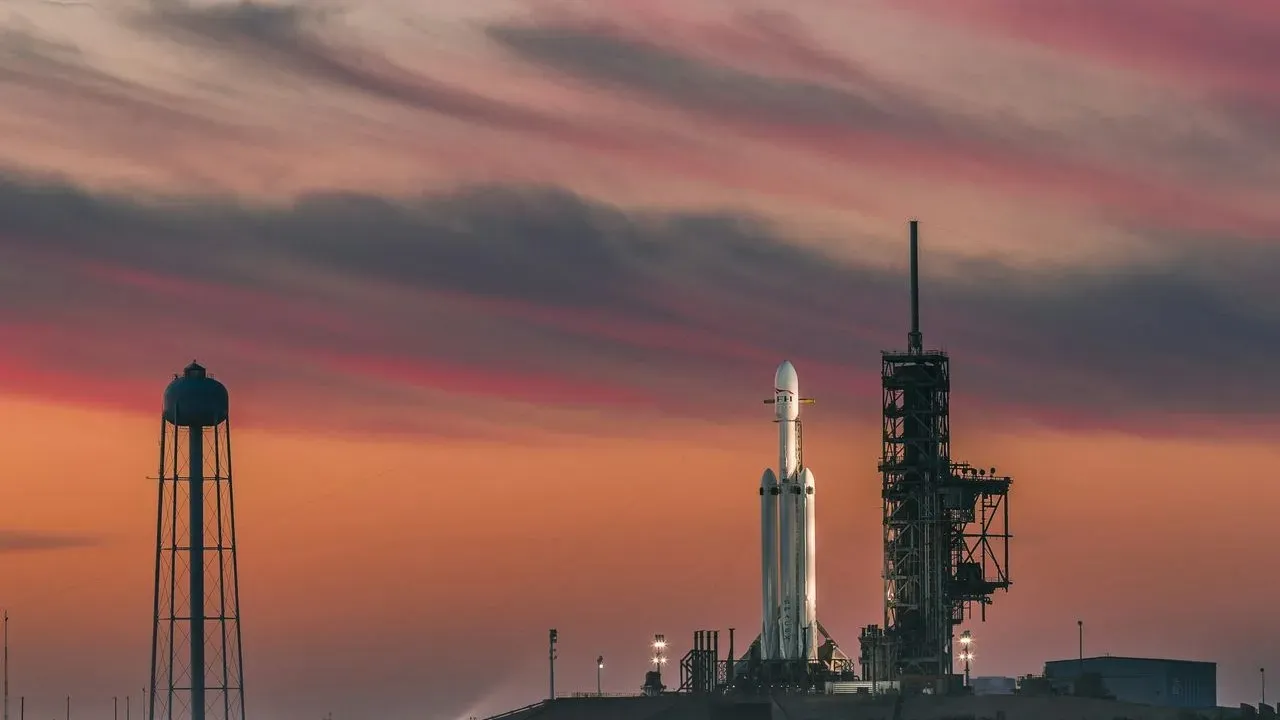

Starship 15 launched Friday afternoon off South Padre Island, and on Saturday afternoon, SpaceX hopes to do something it has never been able to do before: bring a Starship back to its launch pad. ([1]) The flight lifted off from Starbase on the Texas coast, with South Padre Island just across the bay. The test is the latest step in a effort to make the rocket fully reusable, and Saturday’s return is the part of the mission that has drawn the most attention.
A rough start for the booster
The first stage did not go as planned. SpaceX had intended to catch the Super Heavy booster with the launch tower’s mechanical arms, but the Super Heavy booster auto-aborted the crash attempt due to a guidance, navigation, and control (GNC) issue. The booster automatically diverted to the Gulf and then activated its Flight Termination System (FTS), which led to an auto-destruct right before splashdown. According to the company, it worked as intended in response to an unexpected issue.
A separate problem also surfaced during the climb. The only engine issue during Flight 15 that SpaceX divulged on the broadcast Friday was related to the Super Heavy rocket booster, which saw one of its 33 engines flame out prematurely. It’s not clear if additional issues cropped up when SpaceX decided to dispose of the booster in the ocean rather than attempt to recover the vehicle by steering it back to the launch tower on dry land. ([4])
The ship’s bid to come home
The upper stage, called Ship, has taken a different path. Flight 15’s Ship vehicle is in good health and will orbit Earth a total of 14 times before landing back at its launch pad in Starbase. ([3]) Its planned flight is long, since the vehicle is expected to re-enter after roughly 22 hours in orbit before making a powered final descent toward the tower.
SpaceX has set clear conditions for that final approach. “Flight controllers will only permit Starship to return to Starbase if the vehicle’s status meets our internally developed, and FAA-approved, conditions for a return to launch site and catch,” SpaceX said in a statement. The company has also kept backup options. SpaceX has reserved three contingency checkpoints during Flight 15’s mission timeline to allow for an early Pacific Ocean return, should engineers determine a catch attempt to be unfeasible or unwise.
Heat shield data has been central to the decision. “Our heat shield team reviewed all the data we got from our ground tracking cameras and from those satellite cameras and confirmed the heat shield is in a good posture for a reentry and return to launch site.” The flight also carried a payload of its own, with 26 of SpaceX’s next-gen Starlink V3 satellites sent to orbit.
What to watch on Saturday
Reported timing varies slightly. The company said that after going around the globe for almost 24 hours, it hopes to catch the Starship at about 3 p.m. Saturday. ABC News gave a later window, around 4:15 p.m. ET, when Starship returns to the launch pad after a deorbit burn and then, for the first time, SpaceX will attempt to catch it using the launch tower’s robotic “chopsticks.” Those differences are small, but they show how much depends on the vehicle’s timing and health.
Several milestones will signal how the approach is going:
- Whether the ship completes its deorbit burn on schedule
- How the vehicle performs during reentry and final descent
- Whether the tower’s arms can reach and hold the ship as it hovers over the pad
- Whether SpaceX keeps the return plan or switches to the Pacific option
Why the answer matters beyond one flight
The stakes extend well beyond Saturday’s headlines. And if both catches are successful, Starship will become the first fully recovered orbital rocket in history. For a company that has built its plans around reuse, that outcome would have clear practical value. If it can catch the spacecraft, the company can reuse the parts and greatly reduce the cost of getting payloads to orbit, according to SpaceX.
No outcome has been confirmed yet. The ship is still in orbit, and the afternoon will decide whether the attempt becomes a milestone or a lesson for the next flight. Either way, Flight 15 has already shown how difficult the goal remains.
AI Disclaimer: This article was created with the assistance of AI tools and reviewed by a human editor.