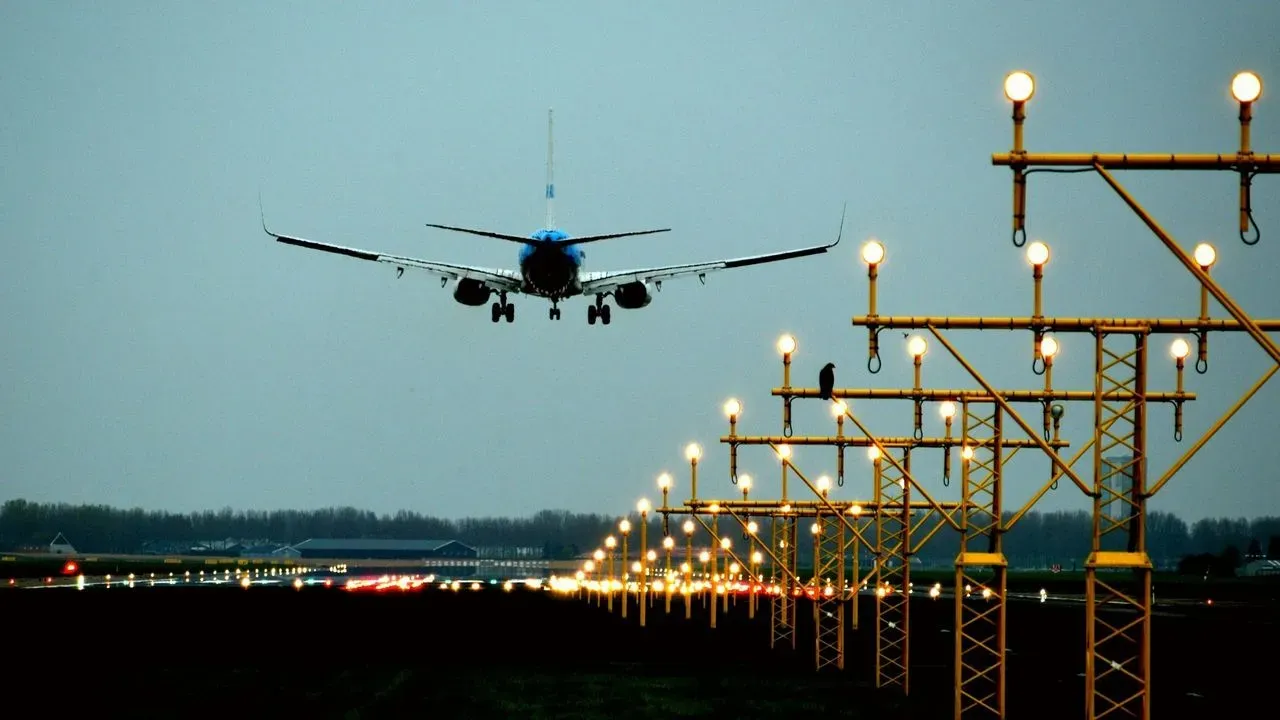

On a Friday afternoon in November, departing flights across the United States came to an abrupt halt. The Federal Aviation Administration ordered all airports to stop departures, citing “extraordinary circumstances” at regional air traffic control centers, and the order left travelers and sports teams stuck on a busy travel weekend ([1]). The stop lasted hours rather than minutes, and its effects reached far beyond a single airport.
Thousands of planes in the air at once
The timing made the disruption especially severe. Mullin stressed that the public was never in danger and that all flights were accounted for, and the FAA issued the ground stop out of an abundance of caution while more than 3,500 planes were in the air. Officials said pilots and controllers followed established procedures to land aircraft safely, bringing the number of planes in the airspace down to under 400 by 8 p.m. Eastern.
When it issued the ground stop at about 4 p.m., the FAA said the communications issues were “impacting multiple Air Route Traffic Control Centers.” The agency later lifted the order, and the ground stop was lifted after more than four hours due to communication issues affecting Air Route Traffic Control Centers. The event also carried historical weight. It was the first nationwide ground stop since January 2023, and only the second since 9/11.
What officials say went wrong
Transportation Secretary Sean Duffy pointed to the age of the system itself. At a White House press briefing Friday night, Duffy blamed old technology that became overloaded for “instability” and “inconsistency” in radar and communications affecting the air traffic control system. He described the network as an aging setup that relies on older telecom equipment, and the FAA said the ground stop followed a data overload on that older system.
The disruption came only days after the agency made a change to its technology. The Federal Aviation Administration said it expanded a new artificial intelligence-supported air traffic management tool to all 22 of its air route traffic control centers three days before it ordered a nationwide ground stop on departing flights. The company behind that tool said its system was not the cause. Air Space Intelligence, the technology company behind the SMART system, said Friday evening the new system did not cause the ground stop. Officials have not published a final cause, and the investigation is continuing.
- The communication issue affected all 22 air route traffic control centers, which guide aircraft.
- The disruption canceled more than 4,000 flights and delayed more than 10,000 others, according to FlightAware, stranding an estimated 1.5 million passengers, per Cirium.
- This was the first nationwide US ground stop since January 2023, when a key FAA computer system malfunctioned.
Teams, travelers and the weekend ahead
For sports teams, the stop arrived at the worst possible moment. The original AP report described NBA, NHL and college teams scrambling to reach their destinations in time for games this weekend ([1]). Schedules built around tight travel windows had little room to absorb a halt of several hours.
Airlines moved to recover as soon as the order was lifted. United and American Airlines both said in statements on X that flights already in the air would continue. Delta Air Lines resumed all scheduled flights following the lifting of the nationwide ground stop. Even so, delays and cancellations were set to stretch into the weekend, if not longer.
By Saturday, the picture had improved. As of 7:30 a.m. ET on Saturday, the airspace was operating as normal and being closely tracked, senior government sources told CBS News. Duffy said in a social media post that planes are pushing back, taxiing, and taking off, and it is safe to fly.
What comes next
Officials have framed the outage as a telecommunications problem rather than a security breach. Homeland Security Secretary Markwayne Mullin said officials lifted the stop and that there were no nefarious actors involved. Lawmakers have called for a full review. Duckworth wrote in a post on X that whatever led to the nationwide ground stop will warrant a thorough and complete investigation.
Funding is the next question. Duffy has asked Congress for emergency money to modernize the system, and he asked Congress to provide $50 billion in emergency funding to upgrade the nation’s air-control system, including what he described as routers overloaded with data. For travelers, the lesson of a single afternoon is clear enough. A system that carries millions of passengers each year depends on communications that must work without interruption, and the investigation will show how close the country came to a longer shutdown.
AI Disclaimer: This article was created with the assistance of AI tools and reviewed by a human editor.