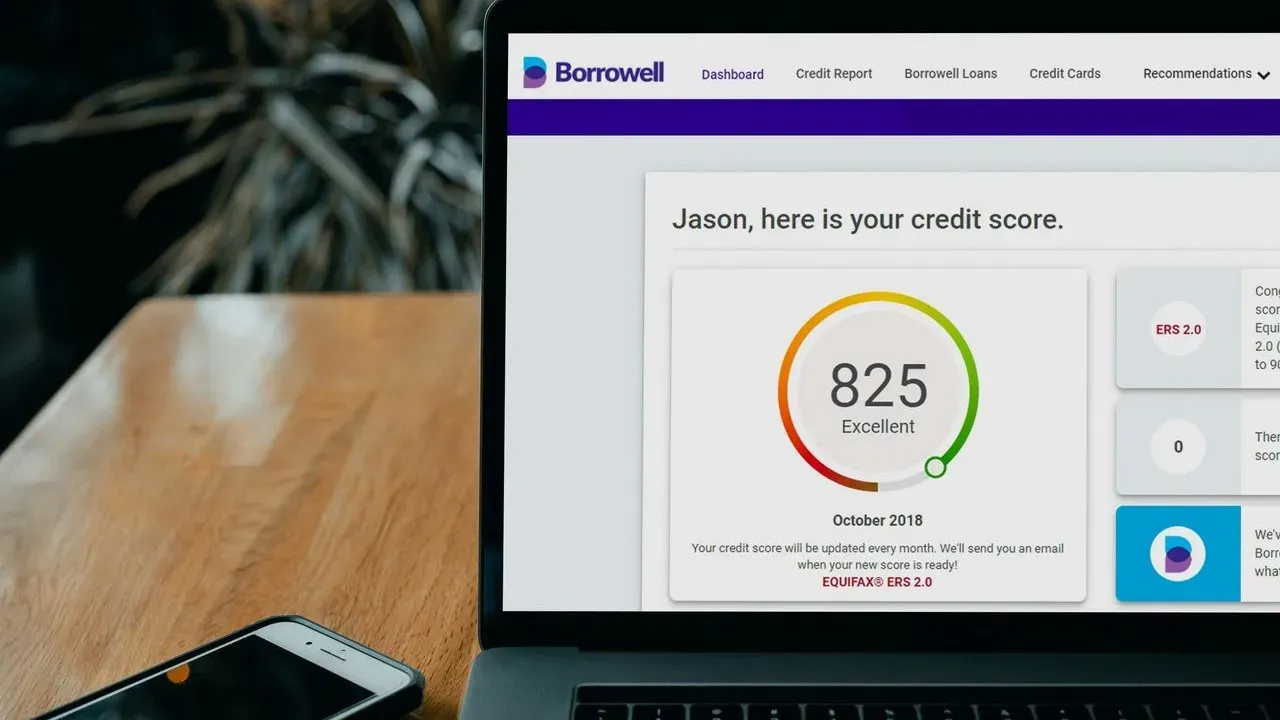

Car insurers are charging more to drivers with weak credit, even when those drivers have no tickets, DUIs, or at-fault crashes on their records. ([1])For many households, the increase appears at renewal with no obvious cause, which makes the trend worth understanding before the next bill arrives.
A clean record no longer guarantees a low premium
NerdWallet’s 2026 Auto Insurance Rates Report found that premiums for drivers with poor credit rose nearly 38% over three years. ([2])The increase was steeper for those drivers than for drivers with good credit, and the report’s analysis showed that pattern even when the poor-credit driver had a flawless history.
The figures make the gap concrete. A driver with a clean record and good credit paid about $2,359 a year in 2026, while a driver with the same record and poor credit paid $3,944. ([3])Credit alone, in other words, can account for a difference of well over $1,000 a year.
| Driver profile | Annual premium in 2026 | Increase since 2023 |
|---|---|---|
| Good credit, clean record | $2,359 | 32.3% |
| Poor credit, clean record | $3,944 | 37.7% |
| Poor credit, DUI | $7,013 | 40.4% |
An older Consumer Reports analysis reached a similar conclusion. It found that in 2015, a Florida driver with a clean record and poor credit was charged $1,552 more than an identical driver with excellent credit and a DUI. ([4])
Why insurers weigh credit at all
Insurers argue that credit can signal how likely a driver is to file a claim. The number they use is a credit-based insurance score, which is built from information similar to what lenders review but weighted differently. ([3])Drivers often find that logic hard to accept, since credit has no direct link to how someone drives.
Credit is not the only factor. Location, age, and driving history also shape a rate, and each insurer sets its own score thresholds. A score that one company labels poor may be considered fair by another. ([5])Several states have limited or barred the practice. California, Hawaii, and Massachusetts do not allow credit to factor into auto insurance rates. ([2])
What drivers can do before the next renewal
Repairing credit takes time, so the most immediate steps focus on the policy and how it is shopped. Several options can help without waiting for a score to change.
- Compare quotes from several insurers at the same coverage level. Requesting a quote generally does not involve a hard credit check, so comparison shopping carries little risk to a score. ([6])
- Ask whether a higher deductible fits the household budget, since it can reduce the monthly premium.
- Request a new credit review at renewal or mid-term if your credit has improved. Many insurers will recheck the file on request.
- Read any adverse action notice carefully. When credit raises a premium, the insurer generally must explain that credit played a role in its decision.
- Pay bills on time and reduce card balances, which can help over the long run. Improvement is not guaranteed, but it remains the most durable path.
Shopping around matters most for drivers who have not yet compared prices in the current market. Those who have already switched carriers may find that the same steps, applied at renewal, yield the most meaningful result.
A fair question with no quick answer
For a household already stretching its budget, a higher bill with a spotless driving record can feel unjust. Credit-based pricing remains legal in most states, and the rules differ widely depending on where a driver lives. The practical response is to treat insurance as a recurring expense worth reviewing each year, check credit reports for errors, and question any renewal quote that rises sharply without a clear reason.
AI Disclaimer: This article was created with the assistance of AI tools and reviewed by a human editor.