
The Recommended Timeline Most People Ignore
In most homes, the general rule is to replace the furnace filter every 60 to 90 days. That interval isn’t arbitrary. It reflects how quickly a standard one-inch filter fills with the particulate matter circulating through a typical household under normal conditions.
Most experts agree that the average family needs to change their furnace filter at least every 90 days, and a fresh version should be installed at least once per season. The problem is that “once per season” is easy to remember in the abstract and easy to forget in practice, especially when the filter is hidden in a basement or utility closet.
Check the filter every month and replace it when it looks gray. The 90 days on the label is the longest a 1-inch filter should go. That framing matters. The package date is a ceiling, not a target.
Filter Type Changes Everything

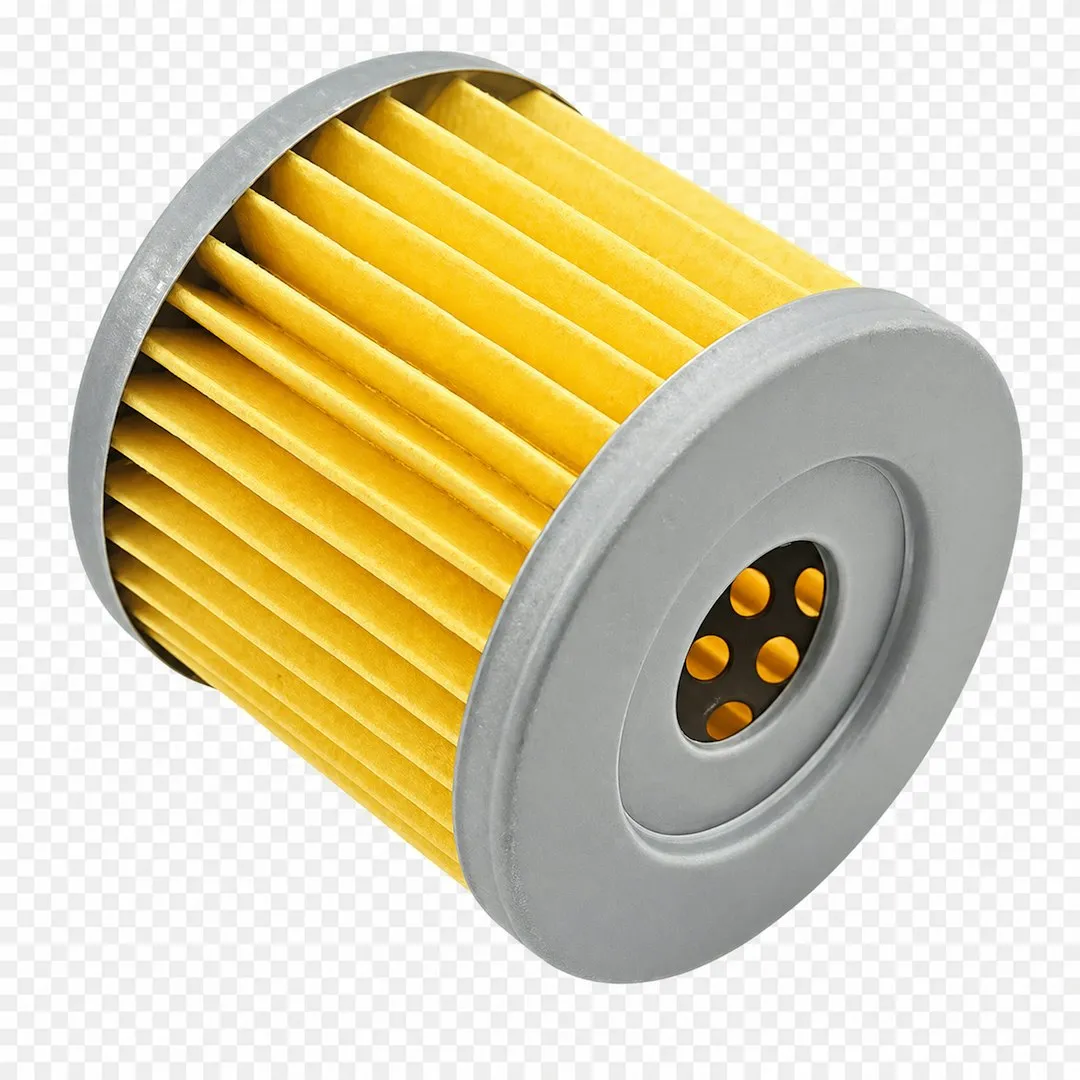
Basic fiberglass filters need changing every 30 days, standard one-inch pleated filters every 60 to 90 days, two-to-four-inch pleated filters every three to six months, and five-inch media filters every six to twelve months. Choosing a thicker, higher-capacity filter isn’t just about cleaner air. It’s also about buying yourself more flexibility in your maintenance schedule.
The efficiency with which filters remove particles is measured by the MERV scale. The higher the MERV number, the better the filter. ASHRAE recommends a minimum MERV-13 filter, which is at least 85% efficient at capturing particles in the 1 to 3 micron size range, including fine dust, wildfire smoke, pollen, mold spores, bacteria, and respiratory aerosols.
A typical MERV-8 filter is only around 20 percent efficient in that same particle size range, and one study found a notably lower chance of COVID transmission in spaces using MERV-13 filtration compared to MERV-8. The filter grade genuinely matters, not just for dust but for broader health outcomes.
Pets, Allergies, and Households That Need More Frequent Changes

If you have pets, especially those that shed, you should replace your furnace filter more frequently. Pet hair and dander can quickly accumulate, clogging the filter and reducing air quality. Pet owners should check their filters every 30 days and replace them at least every 60 days.
A good rule of thumb is to change your air filter every two months when you have one pet in the house. If your allergies are moderate to severe, you may need to change it every month. These aren’t overly cautious recommendations. They reflect how much faster biological material loads a filter compared to ordinary household dust.
Homes with pets and high activity levels typically need filter replacements roughly 25 to 40 percent more often than the standard calendar suggests. That’s a meaningful difference, and one that most pet owners don’t account for.
What a Dirty Filter Does to Indoor Air Quality
Research has indicated that air within our homes can often be more seriously polluted than outdoor air. According to the Environmental Protection Agency, indoor air pollution is among the top five environmental health risks. That finding surprises many people, who tend to associate pollution with the air outside.
When air filters are full, they can no longer effectively remove contaminants from the air. As a result, air pollutants are more likely to make their way into the ductwork, where they are free to blow throughout your entire house, including dust, environmental tobacco, wood fire smoke, mold, pet dander, and infectious bacteria and viruses.
The air filter is your first line of defense. When a filter becomes saturated with debris, two things happen: airflow drops, forcing your system to work harder, and the filter begins shedding captured contaminants back into the air stream. That second point is the one most homeowners don’t realize. A severely clogged filter doesn’t just stop filtering. It starts releasing what it’s already caught.
The Energy Bill Impact You’re Probably Not Calculating
The Department of Energy places the energy penalty of a clogged filter at 5 to 15 percent of HVAC consumption. On its own, that percentage sounds modest. When you do the actual math, it starts to feel less abstract.
The Department of Energy estimates that replacing a clogged filter can reduce energy consumption by 5 to 15 percent. On a $200 monthly utility bill during heating season, that’s between $10 and $30 extra per month for a filter you forgot to change. Over a year, that’s roughly $120 to $360 in wasted energy.
A year’s supply of quality filters costs between $60 and $100. If your filter goes dirty for even three to four months, you’re losing more in energy costs than the filter itself costs. The math is uncomfortable precisely because it’s so simple.
The Mechanical Damage Nobody Talks About
A dirty filter adds extra strain to the blower motor and other vital components, increasing the likelihood of breakdowns. Dust that slips past the filter can settle on heating coils or the furnace motor, leading to overheating, short cycling, or even system failure. What would have been a $10 filter change can turn into a $500 repair or worse.
Component failures that trace back to dirty filters include blower motor burnout running $400 to $800 to repair, evaporator coil freezing at $500 to $1,500, and heat exchanger cracks that often mean total replacement costing more than $2,000.
Not every system failure traces back to the filter. However, technicians consistently rank dirty filters among the top three causes of premature equipment failure. That’s worth keeping in mind the next time the filter swap feels like too much effort.
The Cracked Heat Exchanger Risk
A clogged filter starves the blower of air, so in heating the furnace traps its own heat until the heat exchanger overheats and cracks, a repair that runs $1,500 to $3,000. A cracked heat exchanger isn’t just expensive. It’s a potential safety emergency.
A cracked or damaged heat exchanger is one of the most serious furnace air quality problems, as it can allow carbon monoxide to enter living spaces. Carbon monoxide is colorless and odorless, which is precisely what makes this scenario so serious. The failure begins quietly and reveals itself late.
Most HVAC technicians will red-tag a furnace with a cracked heat exchanger and recommend immediate replacement. The cost of a new furnace runs $2,500 to $6,000, all because a $10 filter wasn’t changed. That is a genuinely avoidable outcome.
Seasonal Timing Matters More Than Most Realize
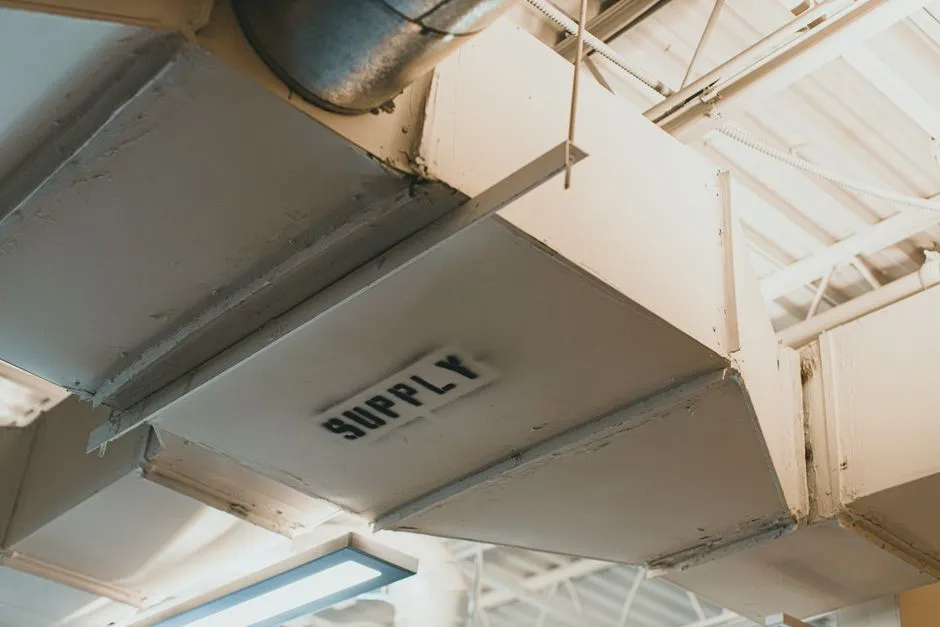
During the months when you use the system a lot, like winter when the furnace is always running or summer when you use central air, you should check the filter more often. High-demand seasons load the filter faster. A filter that might last 90 days in a mild spring may saturate in 45 days during a cold January.
Before turning the furnace on for the heating season, insert a fresh filter to maximize performance and indoor air quality. That pre-season swap is one of the most effective and lowest-effort maintenance habits a homeowner can build. Starting the heating season with a fresh filter sets the whole system up to run more cleanly and efficiently.
Homeowners can adjust their maintenance schedules by aligning filter changes with seasonal transitions based on how often the furnace or air conditioner runs. As colder months approach, increase vigilance and check furnace filters monthly to ensure optimal heating efficiency.
How to Actually Know When to Change It
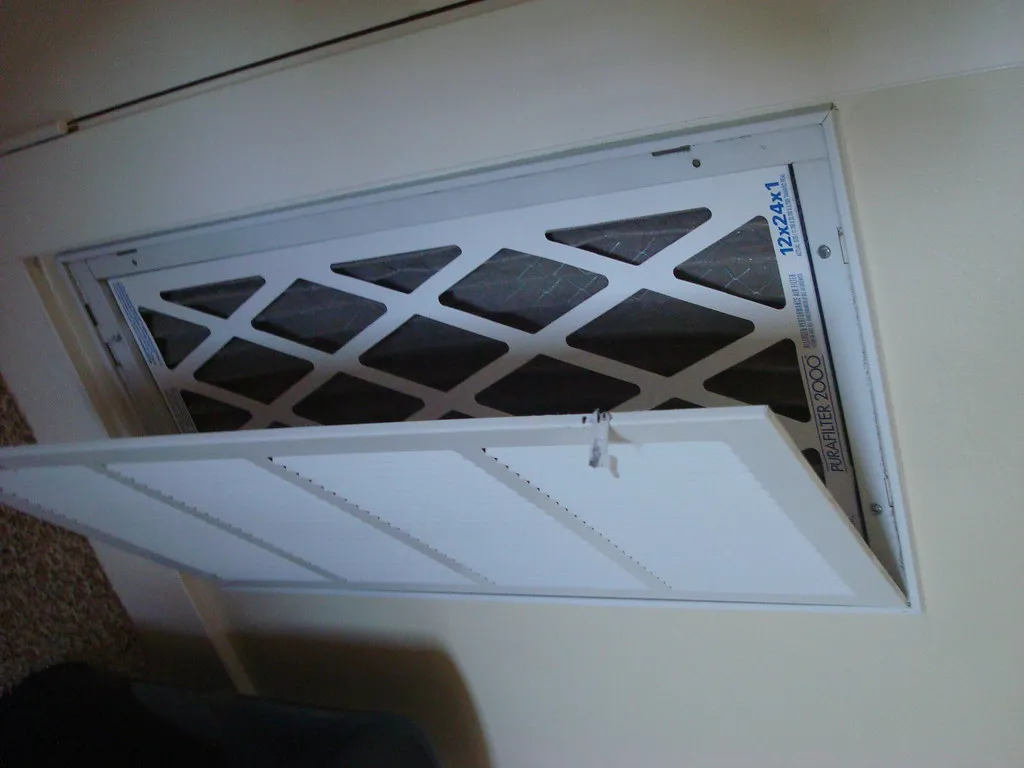
Check the furnace filter every 30 days: pull it out and hold it up to a light. For a 1-inch filter, the “90 days” on the packaging is the longest you should ever go, and only in ideal conditions. Visual inspection takes under a minute and removes all the guesswork from the process.
Changing your furnace filter should become a regular habit, ideally checked monthly and replaced every one to three months, depending on your filter type and household factors. Monthly checks don’t necessarily mean monthly replacements. They mean you’re making an informed decision based on what you can see, rather than guessing based on what you can remember.
Using stickers or a logbook near the furnace to track the dates of filter replacement and cleaning is a practical way to avoid the common trap of thinking you changed it recently when you didn’t. Memory is unreliable for tasks that happen infrequently and invisibly.
The True Cost of Putting It Off
The furnace filter plays a small but critical role in HVAC performance, indoor air quality, and energy costs. Ignoring filter changes leads to a chain of outcomes that affect comfort, safety, and equipment lifespan. Each stage of neglect compounds the next, moving from wasted energy to component stress to eventual failure.
A neglected HVAC filter turns a $5 part and a two-minute swap into a repair bill that runs from $200 to more than $1,500, depending on how far the airflow starvation goes. Those numbers escalate further if the damage reaches the compressor or heat exchanger.
Regular filter maintenance is one of the simplest and most impactful HVAC tasks a homeowner can perform. It preserves indoor air quality, keeps energy costs down, reduces the risk of equipment damage, and supports safe furnace operation.
The Takeaway
AI Disclaimer: This article was created with the assistance of AI tools and reviewed by a human editor.