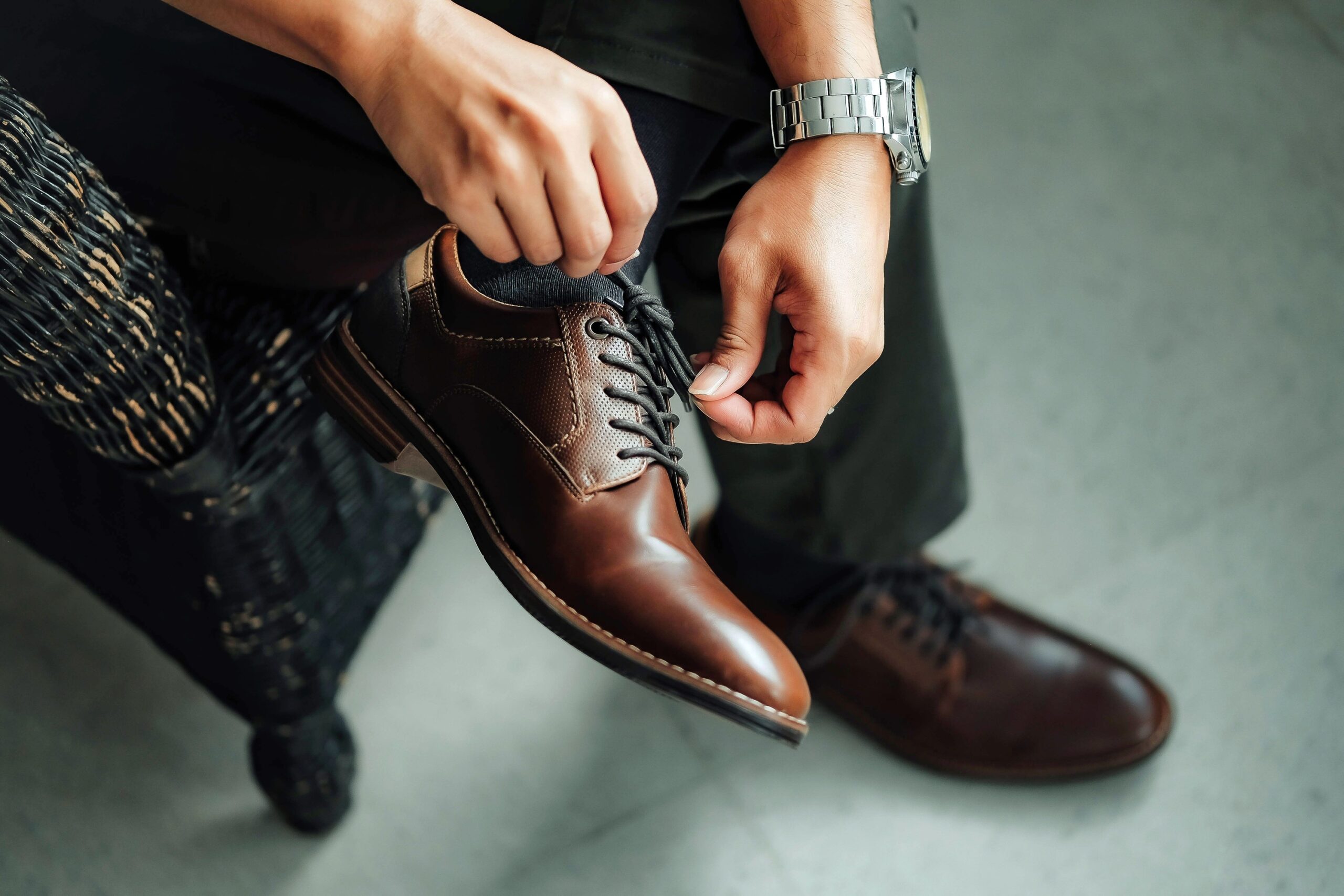

The Science Is Hard to Ignore
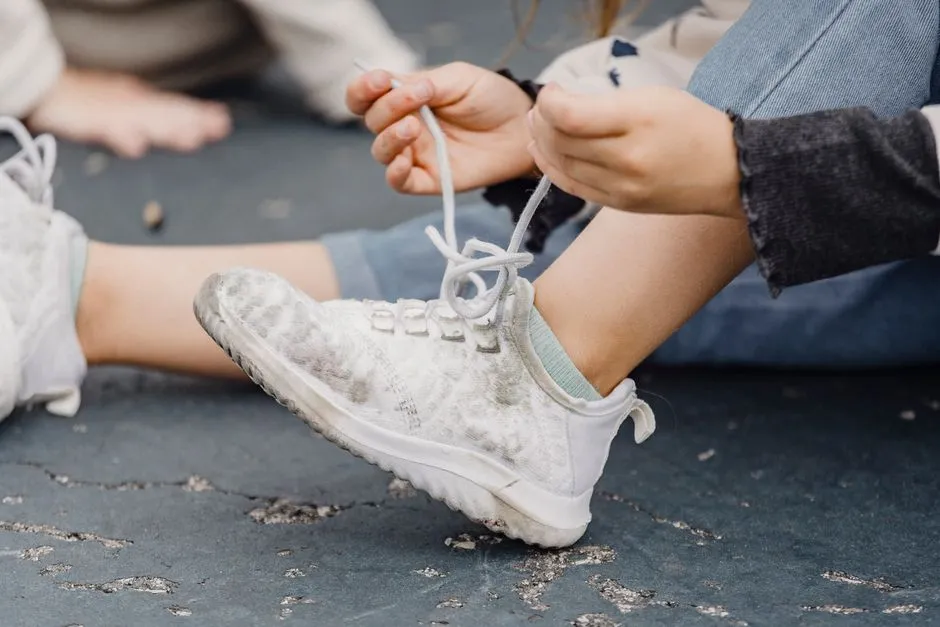
The hygiene case for removing shoes is not just common sense. It’s backed by solid microbiology research. A study carried out at the University of Arizona by professor of microbiology Charles Gerba revealed that roughly nineteen out of twenty shoes harboured faecal bacteria, while a third showed traces of E. coli.
Research shows that over 400,000 units of bacteria were found on the bottom of shoes, and roughly nine out of ten of those bacteria transfer directly to a clean tile floor on first contact. That means the floors you walk on barefoot or let children crawl across are picking up a significant microbial load every time an outdoor shoe crosses the threshold.
In a separate study by professor of earth sciences at Indiana University Gabriel Filippelli, contaminants tracked into the home were found to include lawn chemicals, lead and other heavy metals originating from the soil, plus microscopic balls of combustible material from a car’s tailpipe. It’s not just bacteria. It’s the whole chemical world outside.
Americans Are Divided, But Trends Are Shifting
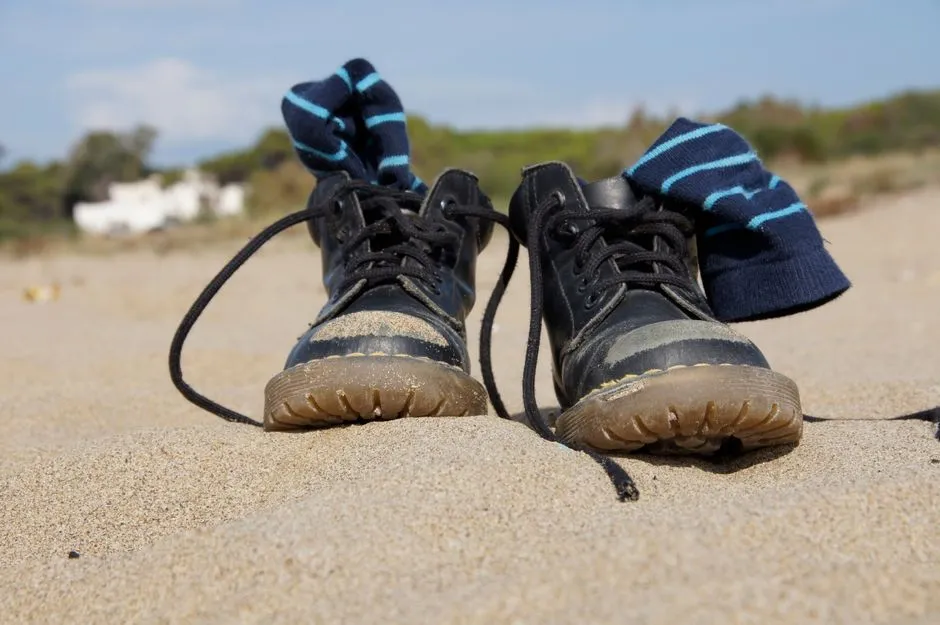
A 2023 CBS News/YouGov poll found that nearly two-thirds of Americans prefer to remove their shoes at home. That’s a majority, but it doesn’t mean everyone enforces that preference on visitors.
According to a 2023 CBS News/YouGov survey, two out of three Americans say they take off their shoes in their own home. Yet two-thirds of those same people said they do not require guests to do the same. There’s a clear gap between personal habit and what people feel comfortable asking of others.
According to a survey conducted by YouGov America, most Americans take their shoes off at home but have a difficult time asking their guests to do the same. Around half of the general public say they would never ask guests to take off their shoes, and for those over 55, that figure climbs to nearly two-thirds. Meanwhile, roughly two-thirds of millennials say they sometimes ask guests to remove their shoes. The generational gap is real.
Reading the Room Before You Even Ask
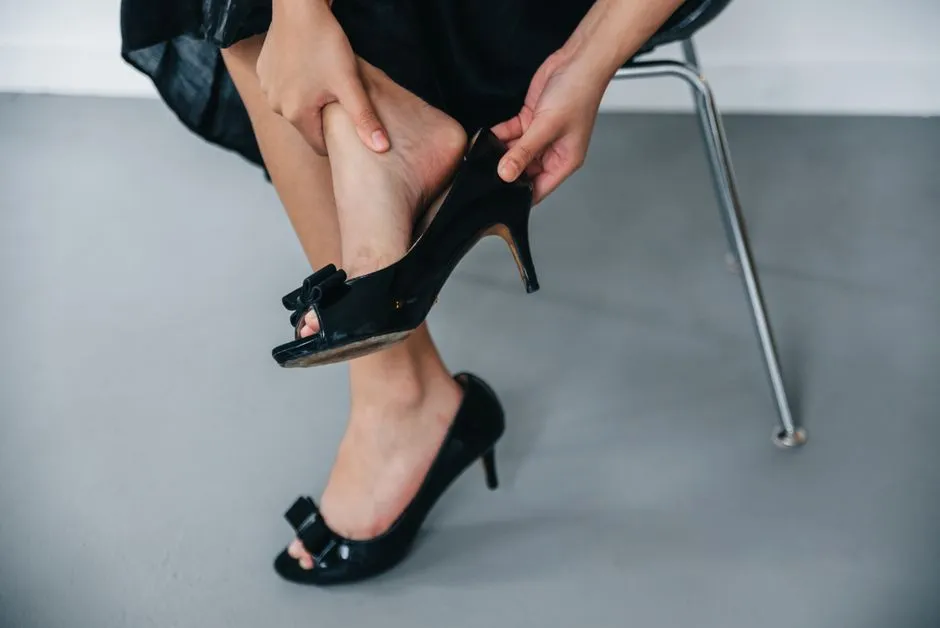
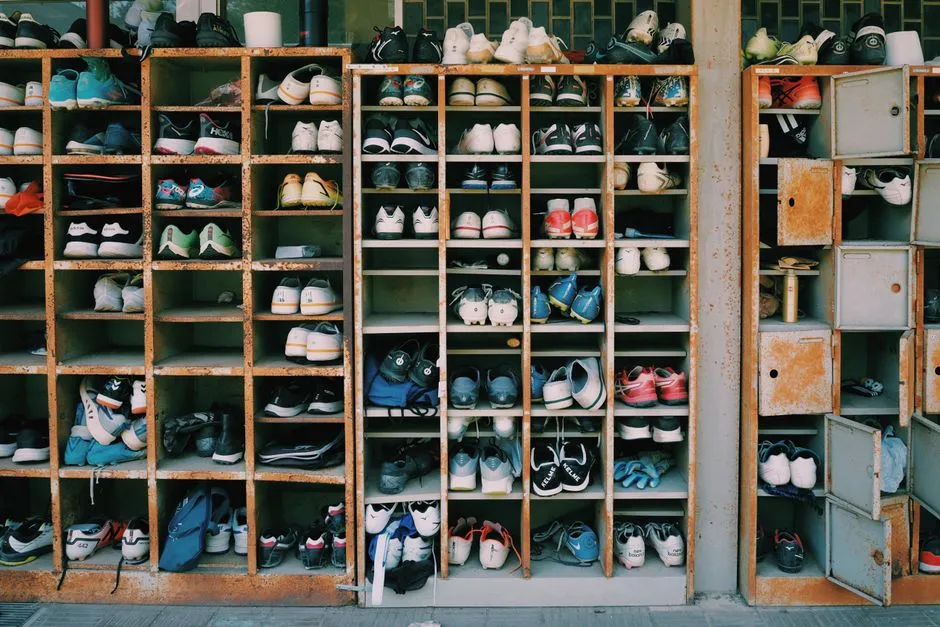
Not every home announces its rules with a sign. Most of the time, the signals are quieter. If shoes are lined up by the entrance, the host is in socks or slippers, or a sign requests shoe removal, the clues are not exactly hiding. Offering to take yours off is the considerate move.
When the custom is unclear, asking quietly “Would you prefer that I leave my shoes here?” shows consideration without forcing the host to awkwardly ask for removal. It’s a small question that carries a lot of social goodwill.
Visiting a home where you genuinely don’t know the rule is common. The simplest guide is to look at what others do at the entry, and when in doubt, ask. Silence on this one can go either way, so it’s always better to check.
How Culture Shapes the Expectation Completely
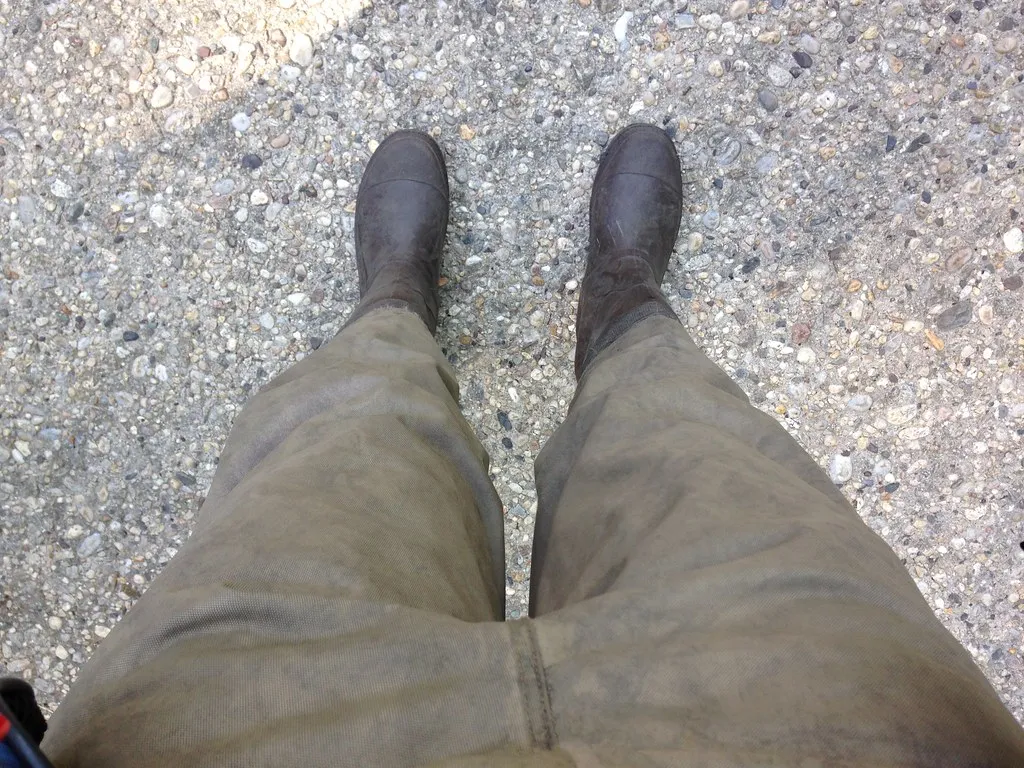
Traditions of removing shoes in the home vary greatly between the world’s cultures, and these customs impact whether people remove their shoes when coming home, whether people are expected to remove their shoes when visiting others’ homes, and what people wear on their feet in homes if not shoes.
In Asia, traditions in Japan, South Korea, India, and Thailand emphasize shoe removal. In Europe, Finland and Sweden also practice this. In these countries, the expectation is rarely spoken aloud. It’s simply understood.
Japan’s genkan, the entrance area where shoes are removed, creates a physical boundary between the street and the main floor of the house. Japan’s Consumer Hotline for Tourists describes removing shoes at the entrance as a standard household custom. The architecture itself communicates the rule.
The Right Way for Hosts to Ask
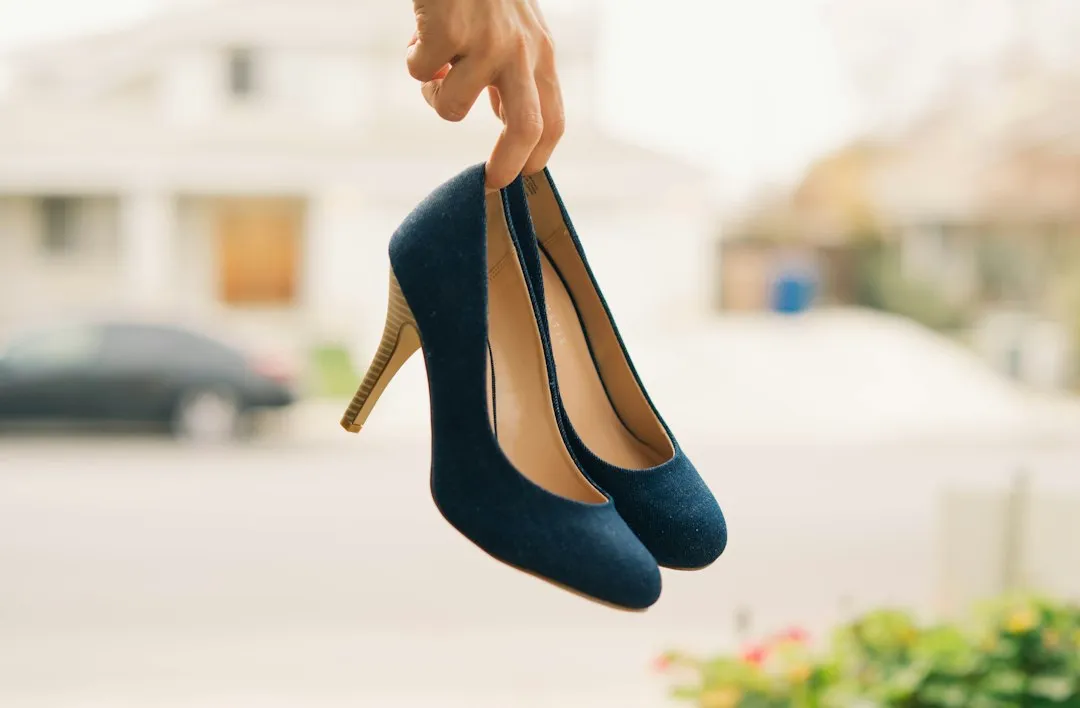
There’s a right and a wrong way to bring this up. Catching guests off-guard at the door with a sudden shoe request can feel awkward or even unwelcoming, no matter how politely it’s phrased. If you plan to ask your guests to leave their shoes at the door, it shouldn’t come as a surprise when you greet them. A lengthy excuse is not necessary, but your guests should not be surprised at your request.
Etiquette experts advise hosts to provide advance notice and offer slippers or clean socks for guests who are asked to remove their shoes. That little gesture changes the whole tone. It moves from “I have a rule” to “I’ve thought about your comfort too.”
Providing a bench or chair, a safe place for footwear, and perhaps clean slippers or socks in several sizes ensures guests don’t have to perform a one-legged balancing act in the foyer. These practical details matter more than people usually realize.
When Keeping Shoes On Is the Right Call
Shoe removal isn’t always appropriate, and good hosts should know when not to push the issue. Asking a casual visitor to take off their shoes is generally fine, but asking someone who came over for a formal party or a holiday celebration may feel rude because you wouldn’t take off your shoes if the party were held anywhere else.
A guest may need supportive shoes for balance, pain, a brace, a prosthesis, or other health reasons. In that case, a courteous response is simple: “I need to keep my shoes on, but I’m happy to wipe the soles or use clean indoor shoes.” No detailed explanation is needed.
Asking someone to remove their shoes when they’re uncomfortable doing so, perhaps because they have holes in their socks, foot pain, or cultural discomfort showing bare feet, without offering any flexibility can be exclusionary. Grace matters more than the rule.
The Guest’s Responsibility in All This
The obligation doesn’t rest entirely with the host. Guests carry their own share of the social contract here. Guests should ask and follow the house custom when they reasonably can. Noticing the cues and acting on them without being prompted is simply good manners.
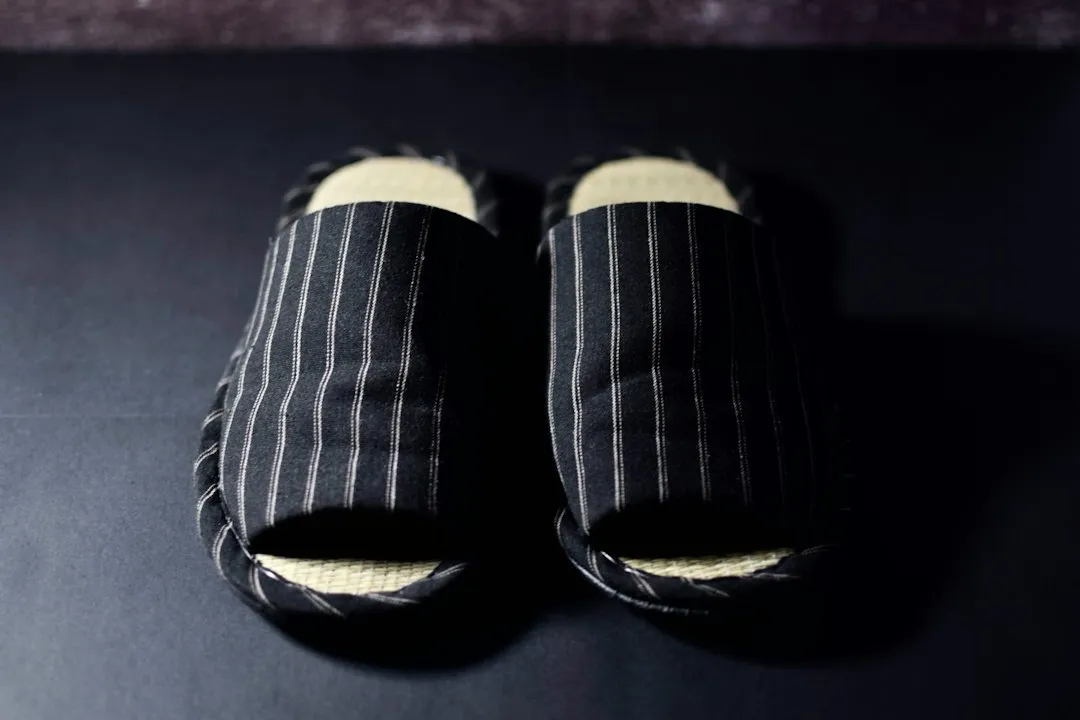
In exchange for going shoeless, guests in Asian households are often given indoor slippers to put on. When that happens, wearing them is part of the cultural exchange, not just a convenience. Refusing them can come across as awkward or ungrateful.
Asking someone to take off their shoes is not rude, as long as you ask politely, offer options, are mindful of the situation, and are ready to accept “no” as an answer. The same principle applies in reverse. Guests who can comply, should.
The Generational Shift That’s Quietly Rewriting the Rule
Younger households are increasingly adopting no-shoe policies, and the pandemic appears to have accelerated that change. Experts attribute the shift to younger people being increasingly conscious of germs. It’s not just about tidiness anymore. It’s about a genuinely different understanding of household hygiene.
Young people in particular are adopting the shoes-off rule as they follow the lead of Asian and Scandinavian cultures. This kind of cultural cross-pollination happens quietly, through shared apartments, travel, and social media, rather than any formal etiquette update.
Behaviors are changing, and researchers think the pandemic has made people more aware of germs. Whether that awareness sticks long-term remains to be seen, but for now, the no-shoe household is becoming far more mainstream in Western countries than it was a decade ago.
Regional Differences Even Within the Same Country
It’s not just country to country where the rules shift. Even within a single nation, the expectations can vary significantly by region, background, and community. A 2018 YouGov survey found noticeable regional differences in the United States. The share of Americans who remove their shoes at home at least occasionally ranged from the highest in the Midwest to the lowest in the South.
A 2022 YouGov survey found that the vast majority of Germans immediately remove their outdoor shoes at home, but only about a third also expect visitors to do so. Personal habit and social expectation don’t always align, even in countries with strong cleanliness cultures.
In the US, there is no clear-cut rule. Some people take their shoes off as soon as they get home, while others keep them on. Europe is much the same, with shoe etiquette varying from one country to another. This ambiguity is actually useful to understand, because it means assuming you know the rule is often the first mistake.
What the Doorway Actually Signals About a Home
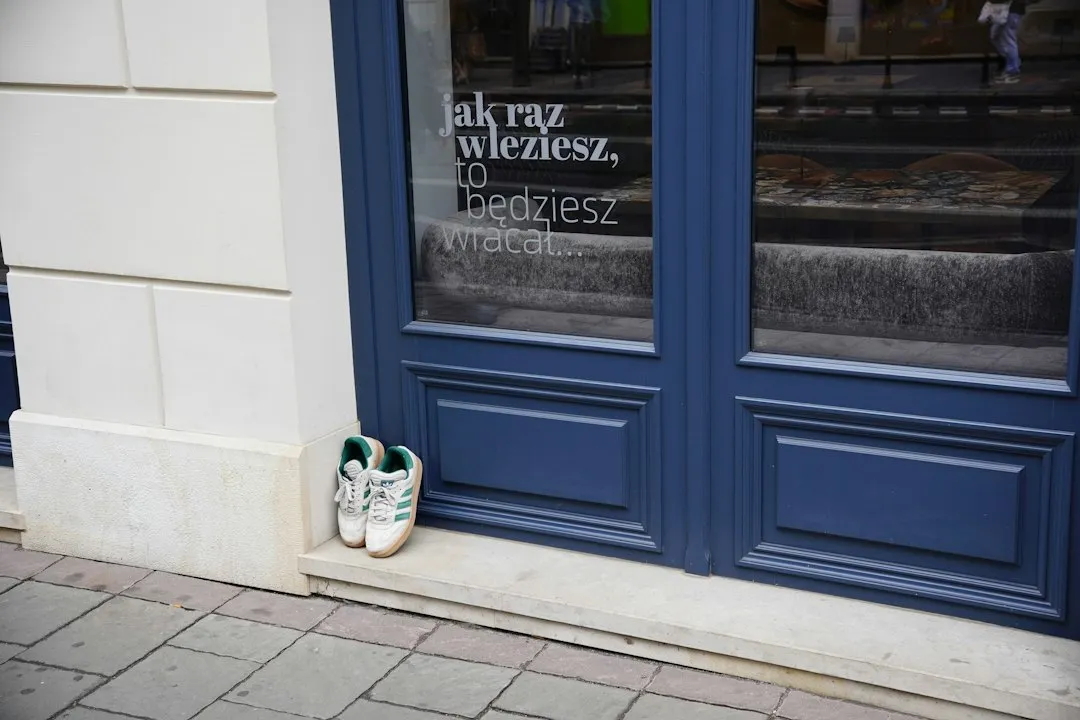
The entrance to a home is not just a physical threshold. It’s a social one. The way shoes are handled at the door says something about how a household views the boundary between the public world and private life. For many people in Asia, walking into a house with shoes still on can feel almost wrong. Shoes are left by the door, slippers come out, and the floor inside is treated differently from the street outside.
Research has found that the first four steps at the entrance to the household are the germiest floor area in the home. That transition zone is where most of what comes in from outside actually lands. How a household manages it reflects deeper values about cleanliness, comfort, and respect.
Keeping shoes at the door means you won’t be tracking additional pollens, molds, and other allergens inside. For households with young children, allergy sufferers, or anyone with a compromised immune system, that’s not a minor detail. It can make a meaningful difference.
The Takeaway
Shoe removal at the door is one of those practices that sits at the intersection of hygiene, hospitality, and cultural identity. The science leans clearly toward leaving shoes at the door. The social rules around asking for that are more nuanced and always context-dependent.
The most useful thing any guest or host can do is stay observant and stay flexible. Read the room, offer grace when it’s needed, and don’t treat your preference as a universal law. The unspoken rules around this tend to work best when they stay unspoken and are simply honored through attention and common courtesy.
AI Disclaimer: This article was created with the assistance of AI tools and reviewed by a human editor.