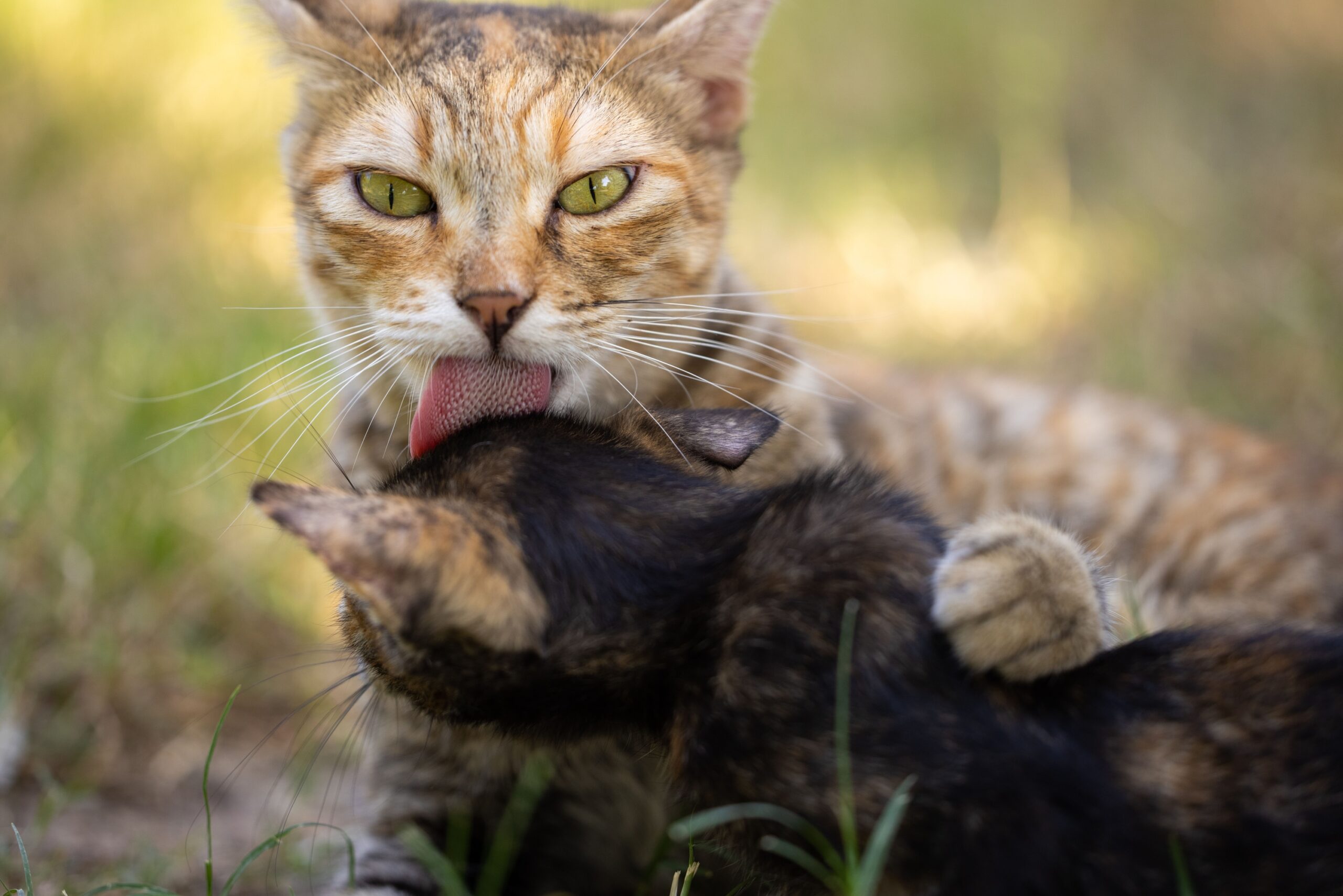

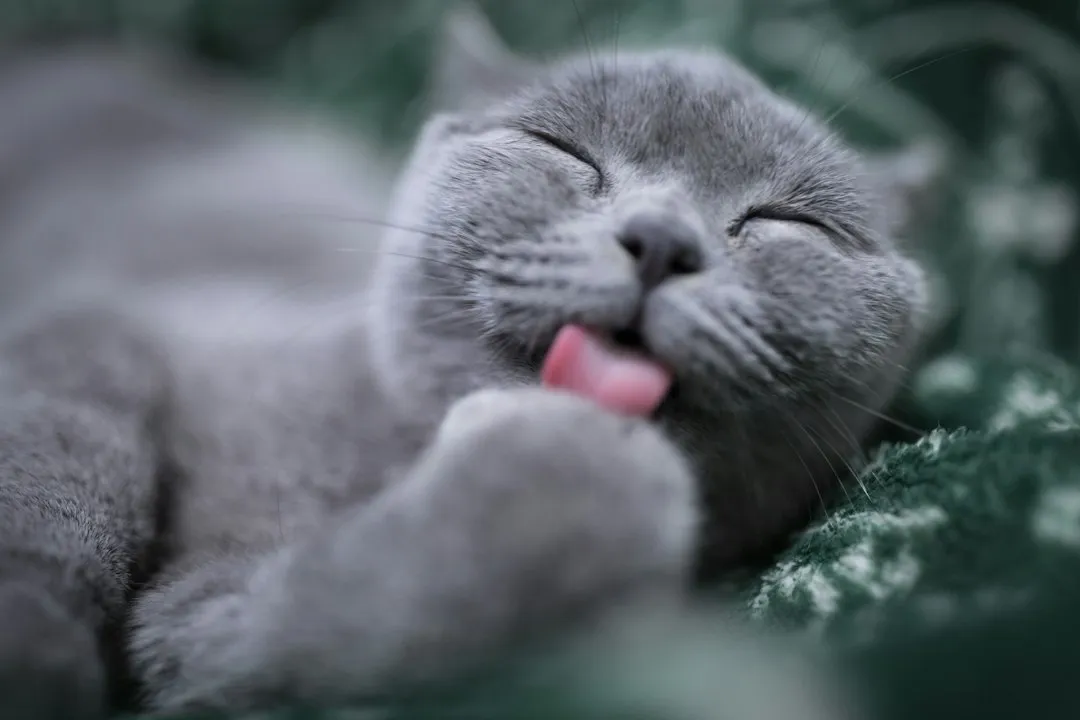
Cats are famously self-sufficient groomers. Watch one for long enough and you’ll notice just how much of their waking life goes into coat maintenance, paw licking, and face washing. Cats spend roughly thirty to fifty percent of their waking hours on coat maintenance, making grooming one of the most consistent behaviors you can observe in a healthy cat.
When that routine quietly disappears, it’s easy to chalk it up to personality or laziness. It almost never is. As cats age or develop medical conditions, self-grooming frequently declines, and this decline is rarely caused by laziness. Instead, it’s often the result of pain, mobility limitations, illness, fatigue, neurological changes, or chronic disease. Here’s a closer look at what’s actually going on.
Grooming Is a Daily Health Signal, Not Just a Habit
When grooming stops or dramatically decreases, the cause is almost always one of three things: physical pain that makes grooming difficult, illness that depletes energy and drive, or a psychological change such as severe depression or chronic stress. Understanding this matters, because grooming behavior is essentially a window into how a cat feels on any given day.
Cats are meticulously clean and tidy creatures, and grooming is an important and social behavior for cats. It’s also self-regulating. A cat who is physically comfortable and emotionally settled will groom consistently. One who isn’t will show it in the coat before they show it almost anywhere else.
Arthritis and Joint Pain: The Most Common Culprit
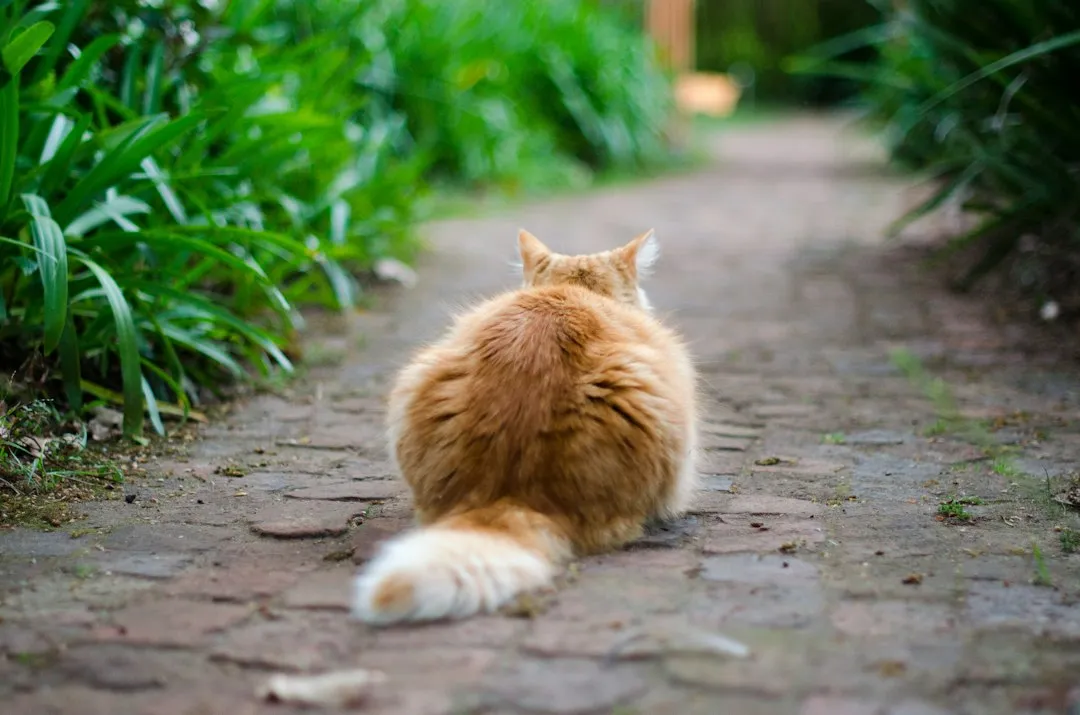
Pain and arthritis represent the most common cause in older cats. Cats with arthritis of the spine, hips, or joints find it difficult or impossible to reach areas they used to groom, particularly the lower back, base of tail, and hindquarters. Matting in exactly these areas in a senior cat is a classic presentation of undiagnosed arthritis.
A decrease in grooming is often associated with pain, often arthritic or oro-dental. The problem is that cats are exceptional at hiding pain, which means joint disease can progress for a long time before an owner notices anything obvious. The matted lower back is often the first real clue.
As outlined by the AAHA Pain Management Guidelines, pain is chronically underrecognized in cats, and grooming cessation is one of the most reliable behavioral indicators. If your senior cat’s coat is suddenly unkempt along the back half of their body, it’s worth taking that seriously.
Dental Disease: When the Mouth Itself Becomes the Problem
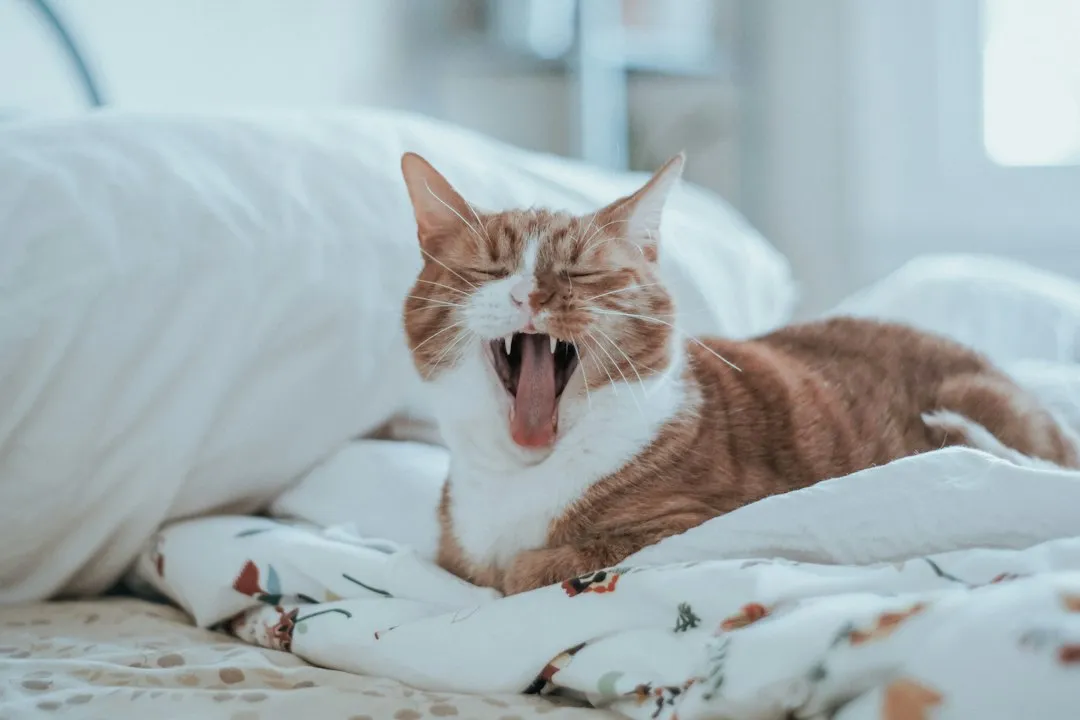
Dental or oral pain can make grooming an uncomfortable activity, so poor oral hygiene could cause your cat to stop grooming. This one surprises a lot of people. The connection between teeth and coat care isn’t obvious, but think about how a cat grooms: the tongue and jaw do most of the work, and oral pain makes the whole process unpleasant from the first lick.
Grooming requires repeated movement of the tongue, jaw, lips, and teeth. Some cats continue eating despite significant dental pain, so a normal appetite does not completely exclude oral disease.
Dental disease at enrolment was associated with owners reporting a matted coat and that their cat was sleeping more, according to data from the Cat Prospective Aging and Welfare Study published in PMC. That combination of a dull coat and increased sleep in an aging cat is a recognizable pattern worth flagging to a vet.
Systemic Illness: When the Body Has Bigger Problems
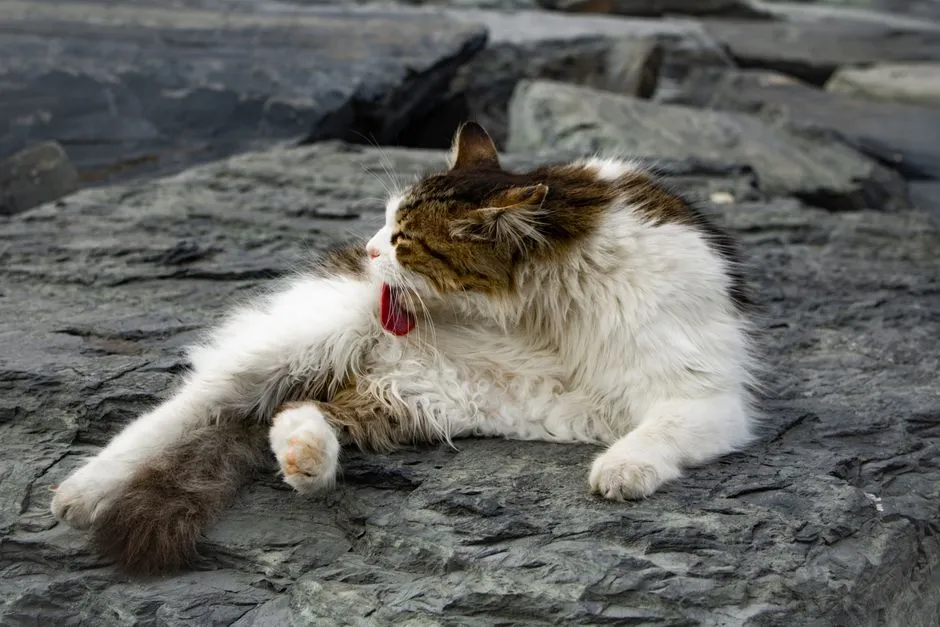
Cats feeling unwell due to kidney disease, liver disease, hyperthyroidism, diabetes, heart disease, or infections commonly stop grooming. These conditions affect energy, nausea levels, and general motivation in ways that make coat maintenance slip down the priority list fast.
Chronic kidney disease can cause nausea, dehydration, and lethargy, which reduce grooming and lead to a poor coat. Kidney disease is particularly worth knowing about: by age ten, one in three cats will have chronic kidney disease. A declining coat in an older cat isn’t always just age.
A cat with kidney disease may experience reduced energy and declining coat quality. A diabetic cat may have fluctuating energy levels and mobility challenges. A cat with heart disease may have less physical reserve for extensive self-maintenance.
Obesity: A Physical Barrier to Reaching the Right Spots
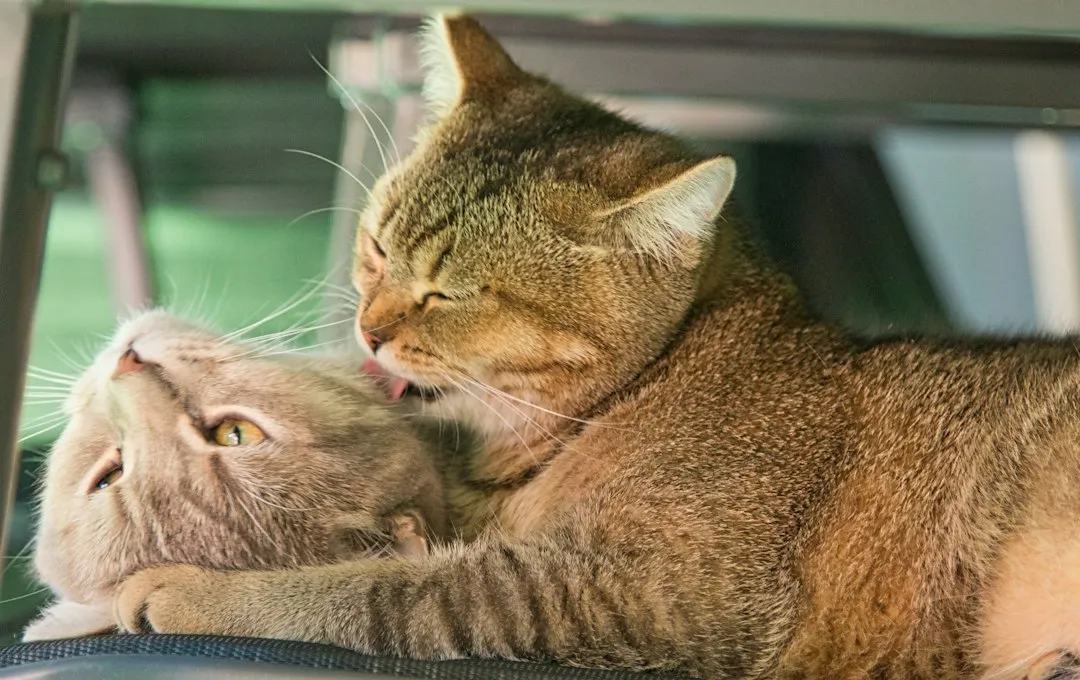
Obesity has become one of the main health concerns veterinarians see among pets. It can lead to or worsen several health conditions and decrease a pet’s lifespan and quality of life. When it comes to grooming, obesity in cats can make it challenging, if not impossible, for cats to reach certain areas of their body.
Estimates suggest that an overweight or obese cat is up to 2.3 times more likely to develop unspecified dermatopathy and non-allergic skin disease than a healthy weight cat, and obese cats have difficulty grooming hard-to-reach areas, according to a peer-reviewed study published in the Journal of Feline Medicine and Surgery in November 2024.
Grooming failures, including a greasy coat or mats along the belly and rear legs, are among the first physical signs owners can notice. Extra weight also adds more stress on joints and promotes inflammation in the body, contributing to painful osteoarthritis, which then compounds the grooming problem further.
Stress and Anxiety: The Behavioral Side of the Equation
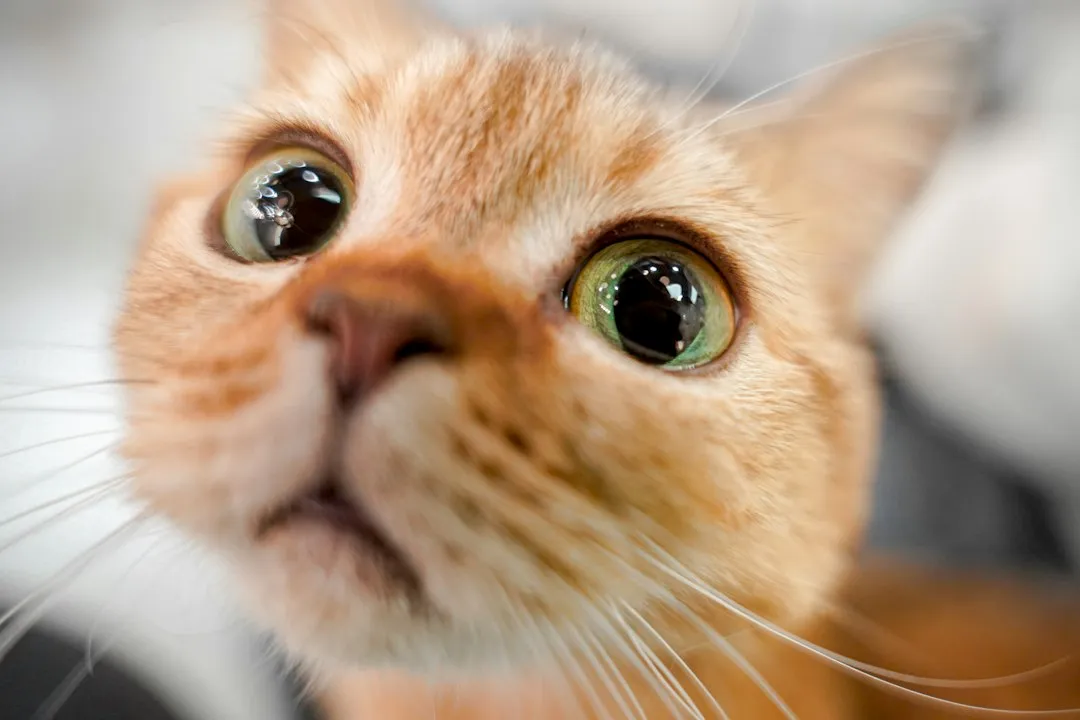
Stress can alter normal grooming behavior in different ways. Some cats groom excessively when anxious, while others reduce grooming because they withdraw, hide, sleep more, or become less interested in routine activities. There’s no single stress response in cats, which makes it easy to miss.
Moving, household conflict, a new animal, separation from an owner, loss of a companion, environmental disruption, or insufficient resources may reduce grooming in some cats. These aren’t trivial triggers. Cats are creatures of routine, and disruptions that might seem minor to a human can register as genuinely destabilizing for them.
Research shows that cats suffering from chronic stress often exhibit reduced grooming, and that stressors such as changes in the environment or the loss of a companion can impair a cat’s ability to groom itself.
Neurological and Cognitive Decline: A Less Obvious Cause
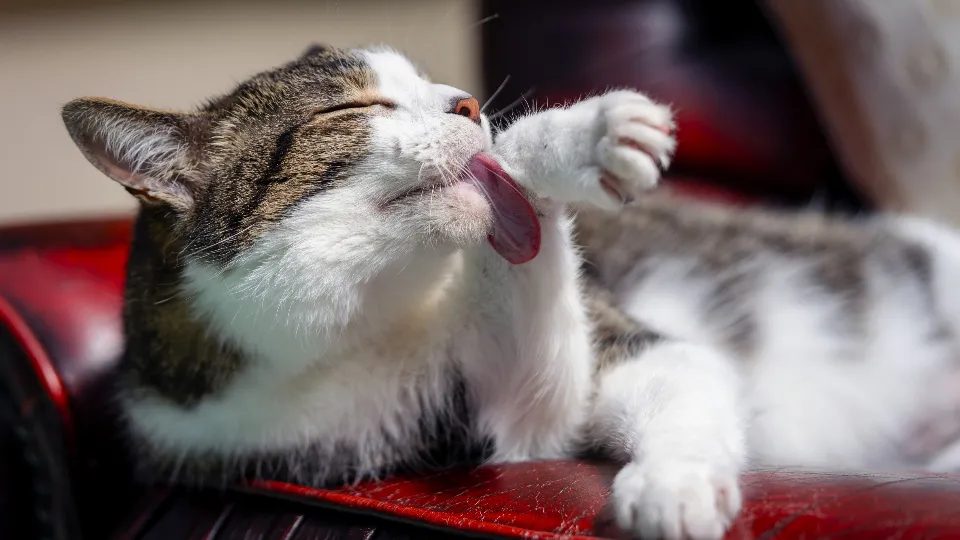
Cats with brain tumors, cognitive dysfunction, or strokes may show altered grooming behavior alongside other neurological signs. This is a category that tends to get overlooked, partly because cognitive decline in cats is still less well-known among owners than it is in dogs.
Research examines neurological and cognitive influences on grooming behavior, and scientists have found that neurological disorders affecting the brain can impair a cat’s motor skills and thus reduce its ability to self-groom.
Because similar signs can result from pain, hypertension, hyperthyroidism, kidney disease, sensory loss, or brain disease, cognitive decline should be diagnosed only after other causes have been investigated. It’s worth ruling out the more common causes first before assuming it’s cognitive in nature.
Skin Conditions and Allergies: When Grooming Itself Becomes Painful
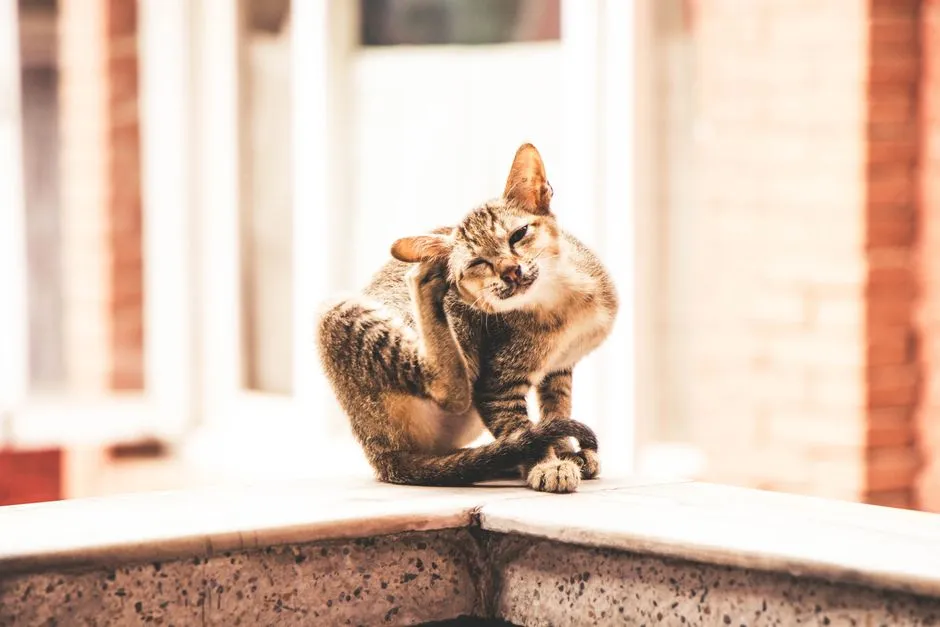
If your cat suffers from allergies or dermatitis, it can make the grooming process uncomfortable, resulting in them grooming less. They may stop grooming completely if the skin is itchy or painful. This can run in both directions: some cats over-groom irritated skin into bald patches, while others simply avoid contact with the area entirely.
Excessive grooming may be caused by skin irritation such as allergy or fleas, dryness, neuropathy, or be psychogenic, acting as a way to reduce stress by releasing endorphins. When grooming instead decreases because of skin discomfort, the coat can deteriorate quickly, and secondary skin infections sometimes follow.
Grooming Never Properly Learned: The Early-Life Factor
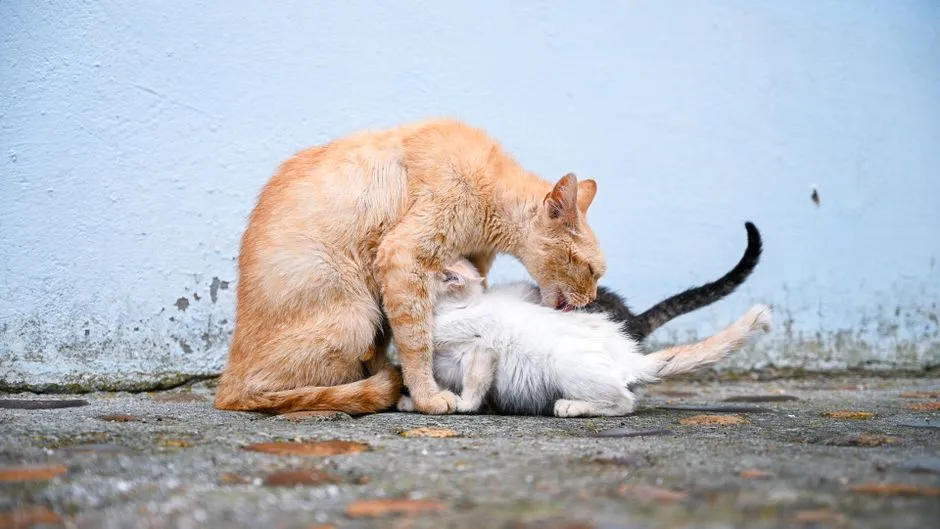
Some cats have grooming issues from the start of life. When separated from their mother too early, they may not have developed the skills to properly groom themselves throughout life. This is a less common cause, but it’s real, and it tends to be a lifelong pattern rather than a sudden change.
Kittens learn a lot of their behavioral repertoire from their mothers in the early weeks of life. Grooming is one of them. A cat that never acquired the habit properly won’t suddenly develop it as an adult, so the coat will typically look disheveled from a young age without any obvious medical cause. In these cases, regular assisted grooming by the owner becomes an ongoing part of care.
The Warning Signs You Shouldn’t Ignore
Research indicates that up to fifteen percent of cats under-groom due to underlying health issues, which makes it a more common problem than many owners realize. Millions of cats are living with undiagnosed dental disease, kidney failure, obesity, and pain, largely because their owners don’t realize anything is wrong, as highlighted in Hill’s Pet Nutrition’s 2025 World of the Cat Report.
A matted coat and increased grooming behavior were associated with abnormal findings on physical examination, possibly associated with effects of musculoskeletal disease on grooming behavior, according to a study from the Cat Prospective Aging and Welfare Study published in PMC. Physical causes should be investigated first, especially when the change is accompanied by reduced appetite, hiding, vomiting, altered mobility, or litter-box problems.
What to Do When Your Cat Stops Grooming
If you notice that your cat has stopped grooming completely, it’s best to call the vet to have them looked over to rule out any underlying health problems or to get started on the road to recovery. Waiting to see if the issue resolves on its own is rarely the right call, particularly in cats over seven years old.
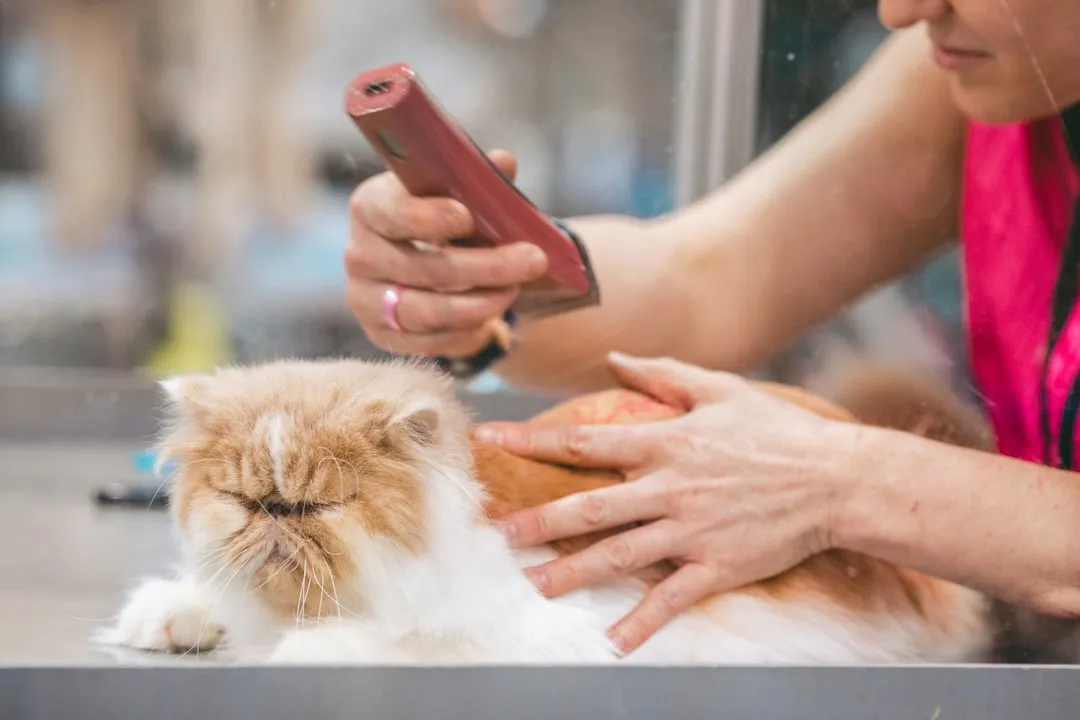
There are lots of ways you can help and assist your cat with their grooming if they are struggling to do it by themselves. Regular brushing, particularly along the lower back and hindquarters, can prevent matting while a diagnosis is being worked through. Researchers are currently investigating how pain management and supplements can improve quality of life and grooming behavior in older cats, which suggests the field is moving toward more targeted interventions.
Long-term studies focus on the effects of veterinary visits on grooming behavior, and the results suggest that regular health checks and early treatment of health problems have a positive effect on grooming behavior. Keeping up with vet visits, even when a cat seems otherwise fine, remains one of the most practical ways to catch grooming-related health issues before they become serious.
The Takeaway
A cat that stops grooming is telling you something. The message might be about joint pain, an aching tooth, kidney trouble, or a stressful change in the household. It almost never means nothing. Age can change behavior, but it also changes disease risk, so a grooming shift deserves attention rather than dismissal.
Catching these changes early, rather than writing them off as quirks of personality, can make a real difference to a cat’s comfort and longevity. The coat is easy to observe every single day. It’s one of the most accessible health indicators you have access to, and it’s worth using it that way.
AI Disclaimer: This article was created with the assistance of AI tools and reviewed by a human editor.