

The Scale Problem That Most Owners Don’t Realize
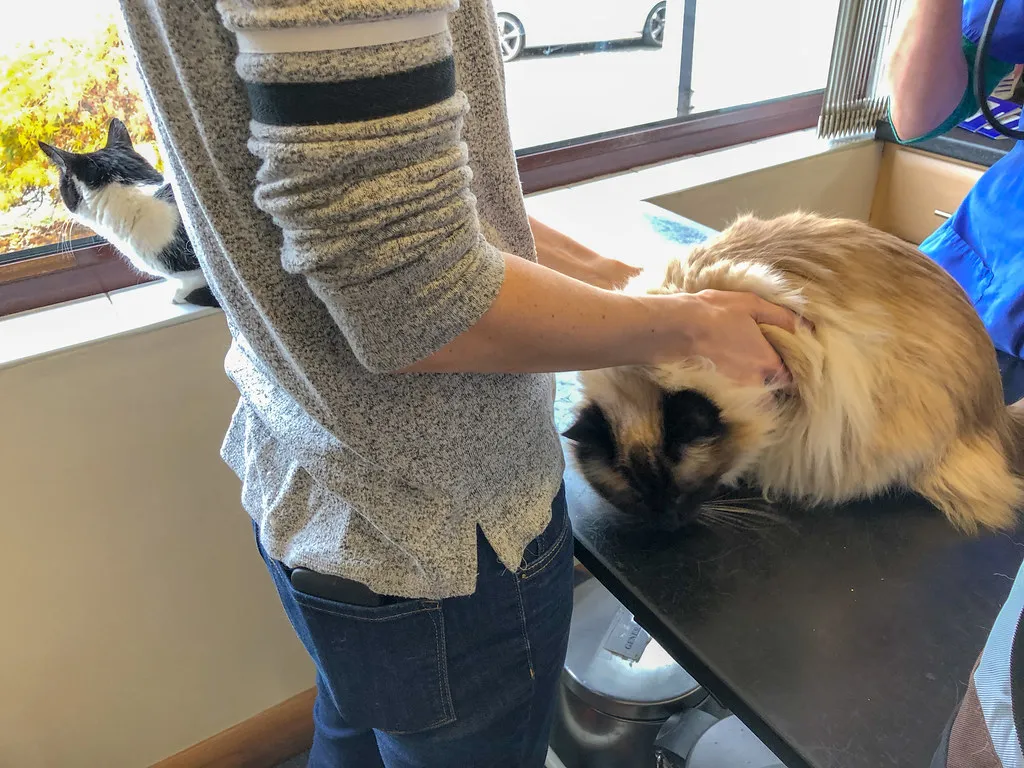
The same weight can represent very different body conditions depending on a pet’s frame, breed conformation, age, and muscle mass. This is why vets stopped relying on scale numbers alone a long time ago. A number without context is just a number.
Body condition score is a hands-on assessment system used by veterinarians worldwide to evaluate whether a pet is carrying the right amount of body fat. Unlike stepping on a scale, it evaluates where and how much fat your pet is carrying through a combination of palpation and visual observation.
Owners commonly underestimate body condition, especially when excess weight has developed gradually. This is a consistent pattern in veterinary research, not just an occasional oversight. The gradual nature of weight gain makes it genuinely hard to notice.
How the Scoring System Actually Works
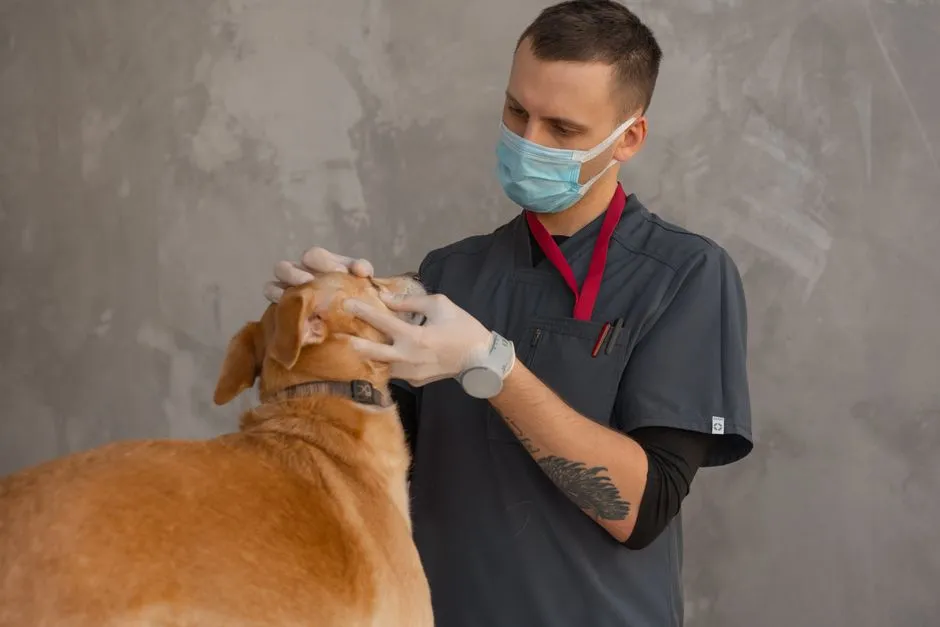
The most widely used scale runs from 1 to 9, with 4 to 5 considered ideal for most dogs and cats. A score of 6 or above indicates a pet is carrying excess weight. The system is standardized, which means vets can use it consistently across different clinics and different visits.
On the WSAVA 9-point scale: scores of 1 to 3 indicate underweight, 4 to 5 are ideal, 6 means slightly overweight, 7 is overweight, and 8 to 9 indicate obesity. That range matters because there’s a meaningful clinical difference between a pet that’s slightly over and one that’s fully obese.
Body condition score is most useful when it is performed consistently at each visit and recorded alongside muscle condition score, body weight, body weight history, and other relevant clinical information. At home, consistency over time is what gives the check its real value.
Step One: The Rib Check (The Most Important One)
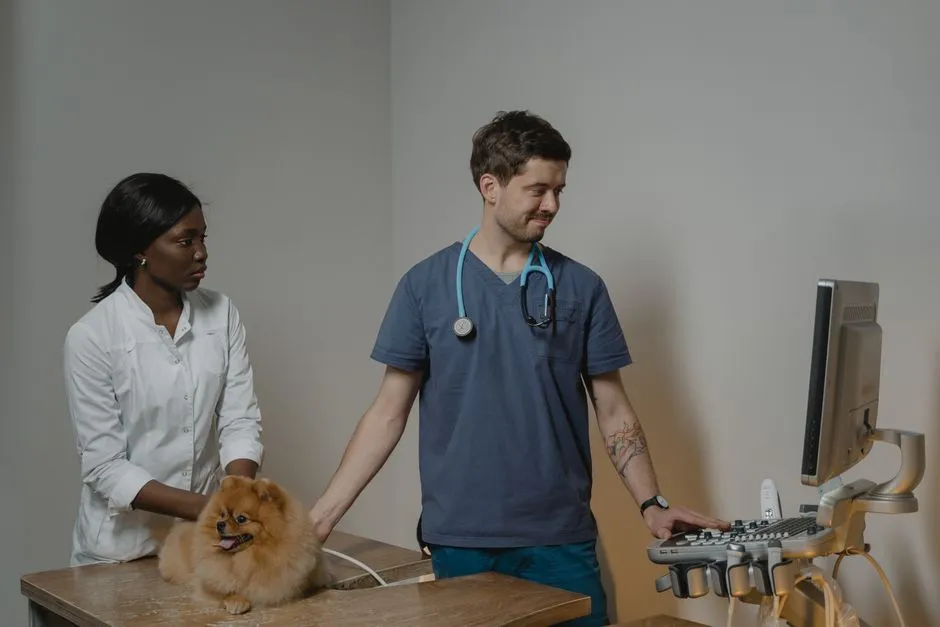
Feeling for the ribs is one of the most reliable indicators of whether a pet is at a healthy weight. This single step, done correctly, tells you more than a visual scan of your pet’s shape ever could. It bypasses the visual bias that makes owners misjudge a familiar silhouette.
Place both hands on your pet’s sides with your thumbs along the spine. Press gently. You should feel the ribs easily without pressing hard. They should feel like the back of your knuckles, present but not sharp.
If you cannot feel the ribs at all, excess fat is likely covering them. On the other end, ribs that feel sharp or are clearly visible suggest your pet may be underweight. The goal is somewhere comfortably in between, easy to feel without pressure, but not protruding.
Step Two: The Waist Check from Above
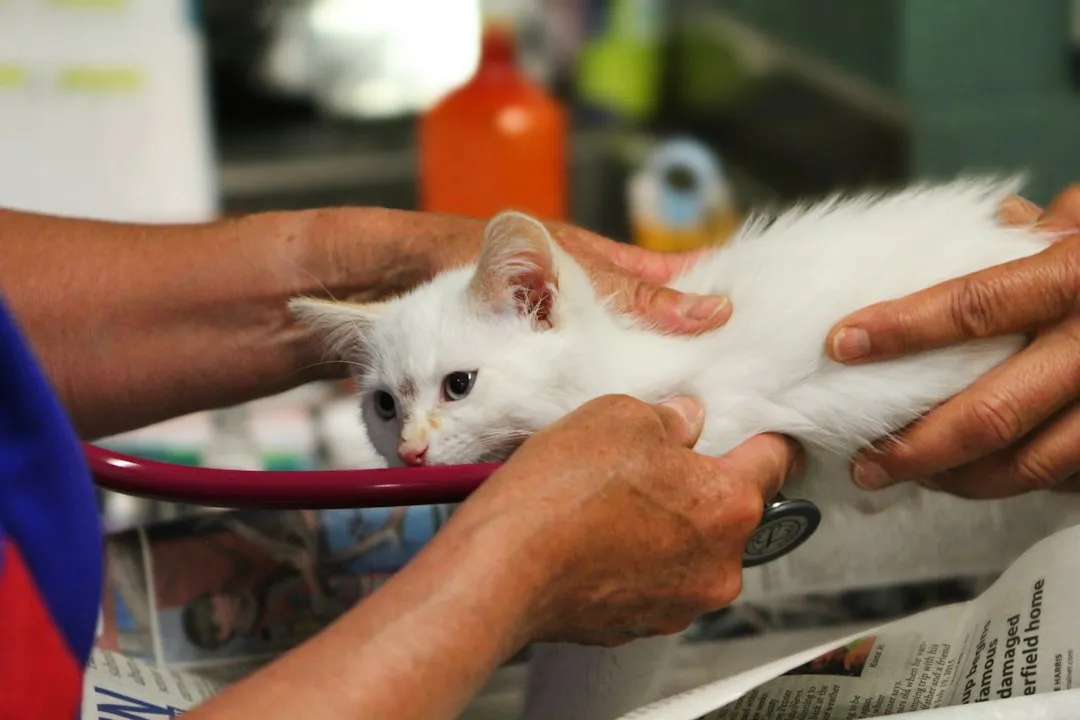
Stand above your pet and look down at their body from a bird’s eye view. At an ideal body condition, you should see a visible narrowing behind the ribcage, a defined waist. If the body appears to be the same width from the ribcage to the hips, or wider at the abdomen than at the chest, excess weight is likely present.
A straight line from shoulders to hips, or a barrel shape, suggests extra weight. This check is quick and easy, though coats can be misleading. Coat and conformation can mislead the eye, which is exactly why the rib palpation check always takes priority.
Step Three: The Abdominal Tuck from the Side
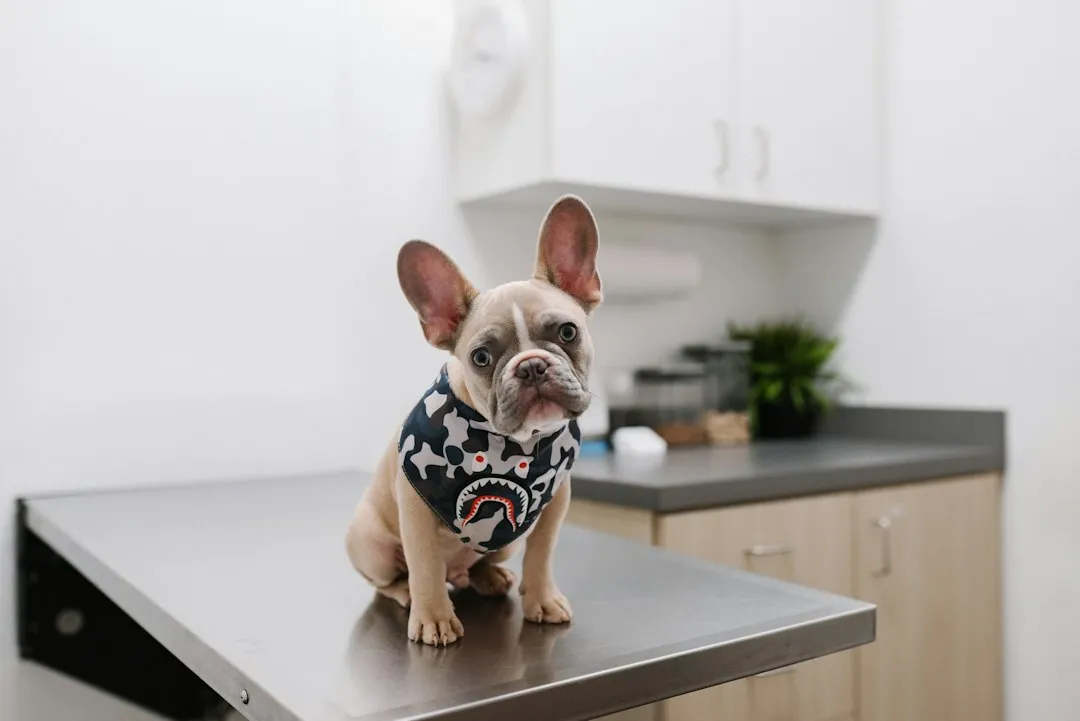
A healthy pet often has an abdominal tuck, meaning the belly rises slightly behind the ribcage instead of hanging low. This side-view check complements the top-down waist check and fills in a blind spot that neither the scale nor a frontal glance can reveal.
The belly should tuck upward slightly behind the rib cage. A belly that hangs down or sits level with the chest is a sign worth discussing with your vet. In cats especially, a sagging belly is a common indicator of excess fat accumulation.
Looking at all three areas together, ribs, waist from above, and abdominal tuck from the side, gives you a more complete picture than any single check alone. None of these steps on their own is definitive. Together, they paint a reliable picture.
Cats Need a Slightly Different Approach

For cats, use the same three-point check: rib test, overhead waist check, and side profile abdominal tuck. For cats specifically, also check for fat pads in the groin and at the base of the tail, and a pendulous belly. These are common fat deposit sites in cats and often appear before other signs become obvious.
Also check for fat deposits at the tail base, chest, and lower belly. Cats often develop soft pads in front of their hind legs. These pads can appear even on cats who look relatively trim from a distance.
Choose a time when your pet is calm and standing naturally. For cats, it may be easier to check them when they are relaxed on the floor or on a stable surface. A struggling or tense cat will make palpation much harder to interpret accurately.
Why Owners Get It Wrong More Often Than They Realize
Studies consistently show that owners underestimate their pet’s weight, partly because their reference point shifts alongside the pet’s weight. The rib check is particularly useful here because it’s less susceptible to visual bias than looking at overall appearance.
A 2024 survey found that only about three in ten pet owners realize that being able to easily feel their dog’s ribs is a sign of a healthy weight. That’s a striking knowledge gap, especially given how simple the check actually is once you know what you’re feeling for.
Many owners don’t recognize excess weight as a health risk, partly because gradual gain is easy to miss, and partly because a rounder pet can look healthy or even endearing. This is a natural human bias, but it has real consequences for the animal.
How Serious the Numbers Have Become
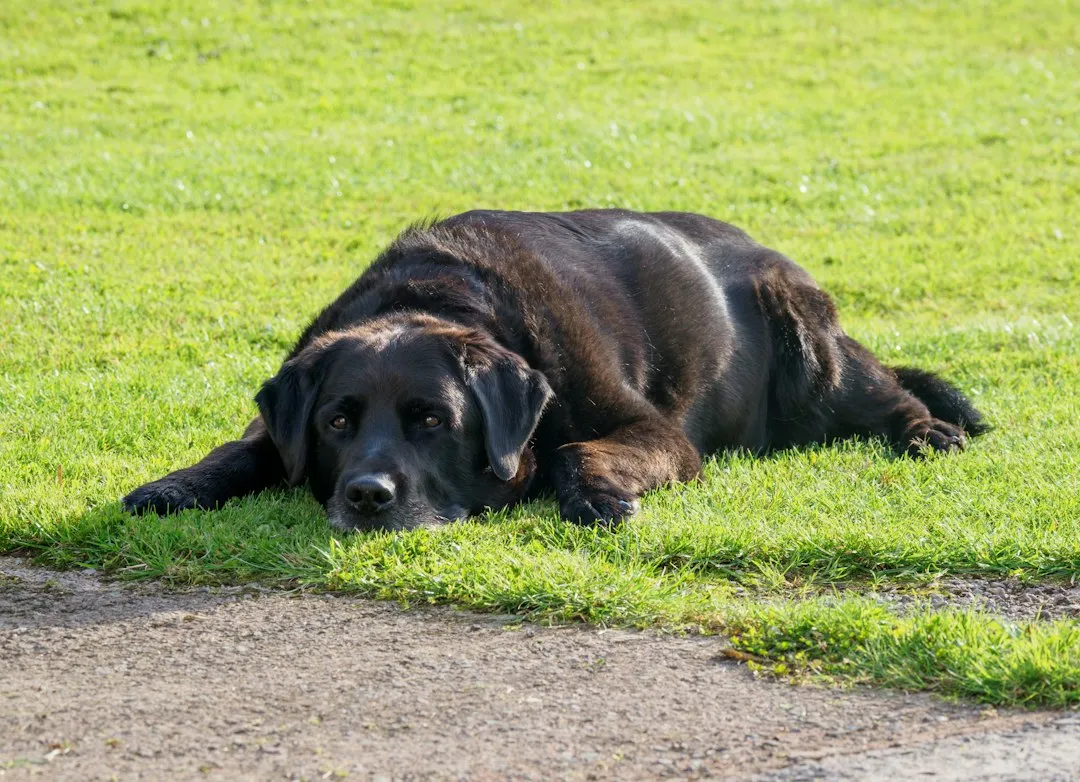
Obesity is one of the most common health problems facing pets today. More than half of dogs and cats in America are now overweight or obese, and the numbers keep rising. This is not a marginal problem limited to a subset of pet owners. It’s widespread and accelerating.
Adult dogs and cats in overweight or obese condition are common, and prevalence data across different life stages may help inform when preventive measures are most effective. A large-scale study published in early 2025 reviewed data from nearly five million dogs and over one million cats seen at primary practices across the United States.
According to the 2025 APOP survey, owner-reported body condition in dogs showed roughly eight percent with obesity, twenty-nine percent overweight, and fifty-two percent at an ideal body weight. The gap between owner perception and clinical reality tends to be wider still, since owners consistently underreport excess weight.
What Excess Weight Actually Does to a Pet’s Body
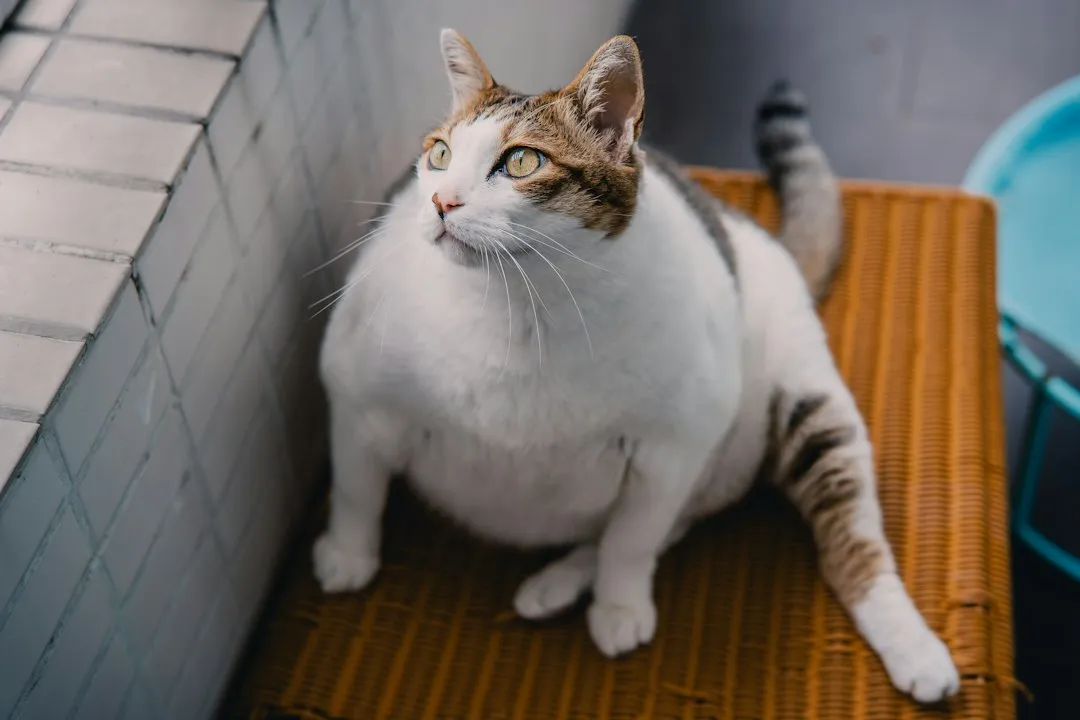
Scientific evidence now shows that fat tissue is not benign. It actively secretes inflammatory hormones and creates oxidative stress, both of which contribute to increased risks for several diseases, as well as a decreased quality of life. This understanding has shifted how vets talk about obesity, treating it as a chronic inflammatory disease rather than just a lifestyle issue.
Obese cats are up to four times more likely to develop diabetes. In dogs, obesity increases diabetes risk and makes blood sugar harder to control. Overweight pets also face a greater risk of arthritis, ligament injuries, and spinal disc issues, limiting activity and causing chronic pain.
Research from the WALTHAM Center for Pet Nutrition and the University of Liverpool, using data from pets treated at Banfield Pet Hospitals in North America, showed that pet obesity can cause a reduced lifespan among pet dogs of up to 2.5 years, depending on the breed and sex of the dog. That is not a minor statistical footnote. For many breeds, 2.5 years represents a substantial portion of a typical lifespan.
How Often Should You Be Doing This Check?
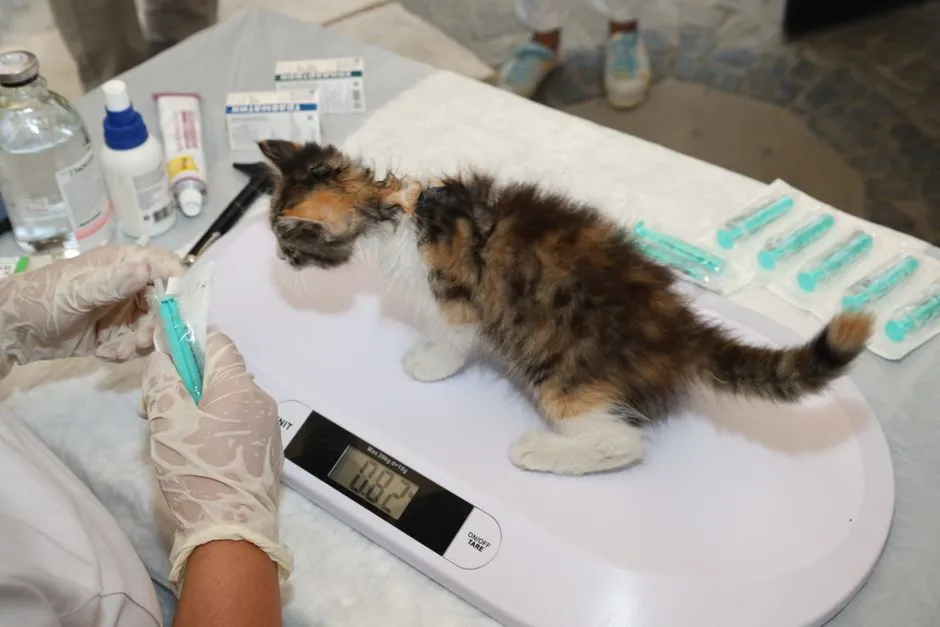
A monthly check is practical for many healthy adult dogs. For cats or pets with a history of weight fluctuation, more frequent checks can help catch changes early, before they become harder to reverse.
A cat’s weight check at home every few weeks can catch a gradual gain before it becomes a serious health problem. This is especially relevant for indoor cats or those with unrestricted access to food. Cats are natural grazers, but an unlimited bowl of calorie-dense food quickly adds up. Scheduled meals with measured portions are far more effective for maintaining a healthy weight.
When you visit your vet, bringing the current weight, measured food and treat amounts, recent weight history, and your home estimate all helps the veterinary team make faster and more accurate assessments. A home check is not a substitute for a vet visit, but it makes every vet visit considerably more productive.
When the Check Should Send You to the Vet
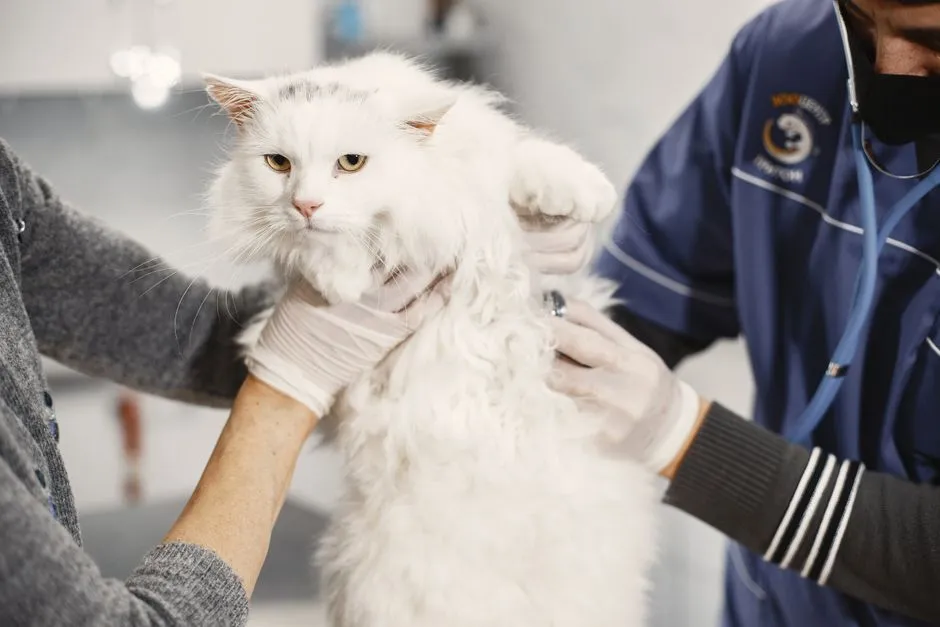
You should be able to feel the ribs with light pressure. If you have to press firmly, your pet may be carrying extra fat. If the ribs feel sharp or are very easy to see, your pet may be too thin. Either extreme is worth a conversation with your veterinary team, not just one end of the spectrum.
Muscle loss can occur at any body condition score, including in dogs and cats carrying excess body fat. This is called sarcopenic obesity, a combination of excess fat and low muscle mass that is easy to miss and genuinely difficult to manage. It’s one reason a home check should always be followed up with professional assessment when anything looks off.
Body condition scoring is a hands-on way to assess your pet’s fat coverage, shape, and overall body condition instead of relying on weight alone. Once you know what to look for and feel for, you can monitor changes at home and know when it may be time to talk with your veterinary team.
The Takeaway

The body condition check is one of those rare tools that is genuinely simple, completely free, and meaningfully effective. It takes about two minutes once you know the steps, and it gives you the same foundational information that veterinarians rely on during every wellness exam.
The rib check alone, done monthly, can be enough to catch early weight gain before it becomes entrenched. Body condition scoring gives pet owners a practical way to look beyond the number on the scale. By learning how to assess your pet’s ribs, waist, abdominal tuck, and overall shape, you can become more aware of changes in their weight and body condition over time.
Pets can’t tell you when something is wrong, and extra weight rarely announces itself with dramatic symptoms until the damage is well underway. This check, done regularly and honestly, is one of the most useful things you can do with two hands and thirty seconds to spare.
AI Disclaimer: This article was created with the assistance of AI tools and reviewed by a human editor.