

It’s Far More Common Than You Might Think

Side stitches affect up to roughly seven in ten runners each year. That makes ETAP one of the most widespread complaints in endurance sport, not just a beginner’s inconvenience. Smaller event-specific studies have reported that roughly one in five runners in a 10km race experienced a stitch, with similar numbers seen in an ultramarathon, suggesting the problem is not tied to distance alone.
In a survey of 965 athletes, 69% of runners had a stitch in the past year, compared to just 32% of cyclists. The upright, bouncing motion of running appears to be a major part of what makes it so prevalent. Side stitches occur in every level of athlete, from school-aged children and weekend exercisers to elite competitors, though they are more common in younger people.
What ETAP Actually Feels Like
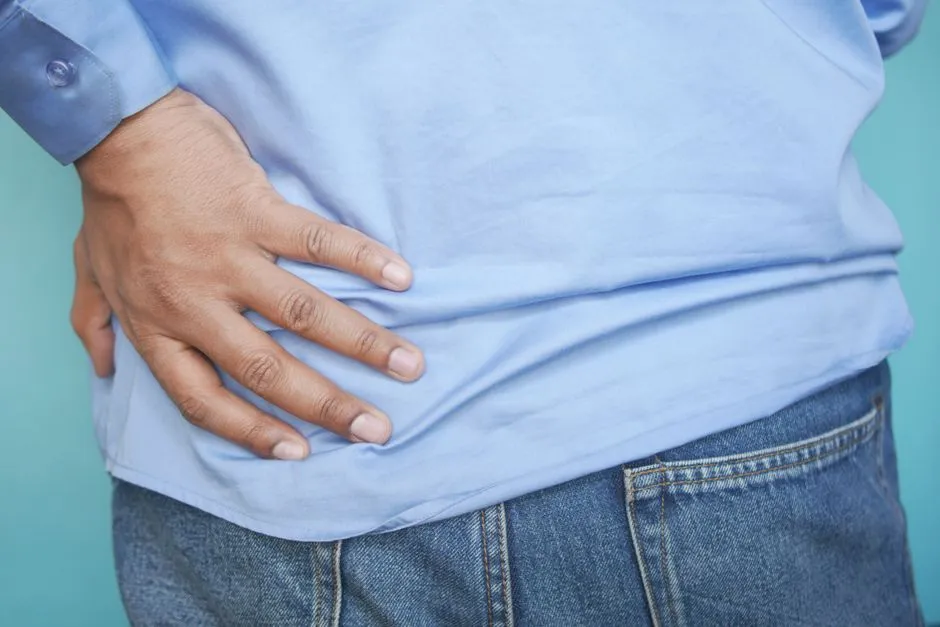
A side stitch is an intense stabbing abdominal pain under the lower edge of the ribcage that occurs during exercise. The sensation can range from a dull ache to a sharp, almost breathtaking cramp that forces you to slow to a walk. The pain is usually sharp or cramping, and it can also feel like pulling or stabbing.
It sometimes extends to shoulder tip pain, and commonly occurs during running, swimming, and horseback riding. The shoulder connection surprises most people, but it makes anatomical sense once you understand the nerve pathways involved. The pain nearly always eases when you stop or slow down significantly.
The Peritoneum Theory: Friction Inside Your Abdomen
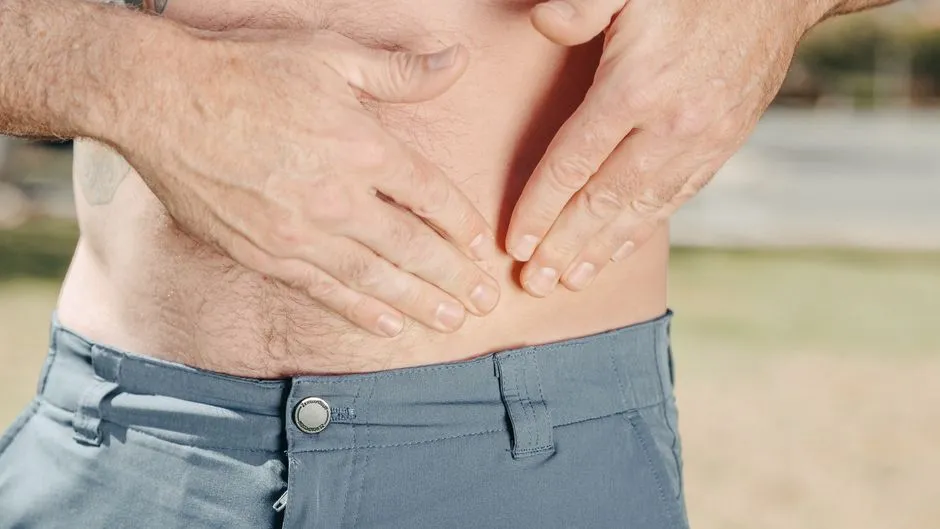
The parietal peritoneum is a thin lining that helps keep abdominal organs in place and secretes lubricating fluid to reduce friction between organs and surrounding tissue. This fluid depends on blood flow and breathing movements, both of which change significantly during exercise. When lubrication decreases, the two layers of the peritoneum can begin to rub against each other.
Some scientists think that during exercises with repeated up-and-down motion and consistent torso twisting, friction occurs between the two layers, leading to irritation and pain in the parietal layer, the outermost layer of peritoneum. This theory is currently the most widely accepted explanation, though it hasn’t been definitively proven in a controlled setting.
The Diaphragm Spasm Explanation

Your diaphragm is a muscle along the bottom of your ribs and is the main muscle associated with breathing. When you take air in, your diaphragm contracts, allowing your lungs to expand. Like other muscles, overworking your diaphragm during a run can strain the muscle, causing it to spasm.
The diaphragm, a sheet of muscle that extends across the bottom of your ribcage, plays an important role in breathing. Just like your leg muscles, your diaphragm can fatigue and cramp when put under too much stress. That’s why side stitches tend to strike beginner runners or those stepping up their pace or distance. The good news is that as the diaphragm gets stronger with consistent training, stitch frequency tends to drop.
Blood Flow and the Gut Connection
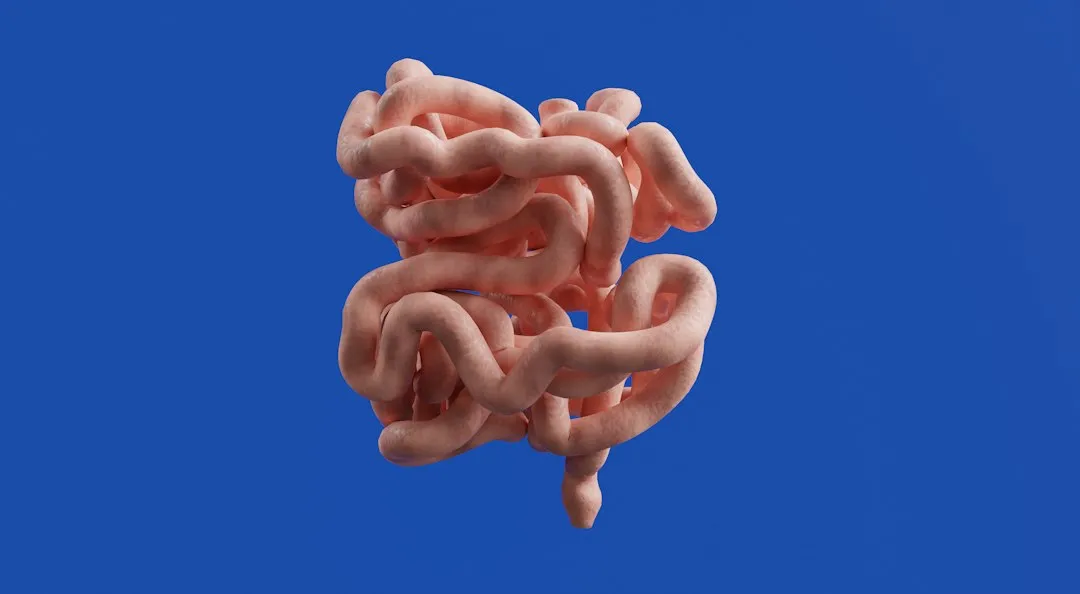
During intense exercise, blood flow to the gut can drop by up to roughly four-fifths. If you haven’t left enough time between eating and running, you may also experience a side stitch. This is due to a lack of blood flow to the diaphragm while you’re still digesting food, which can cause it to spasm.
Experts also theorize that a stitch could be triggered by the boost of blood flow around the diaphragm when running. These two ideas aren’t necessarily contradictory. Blood is redirected away from the digestive organs and toward the working muscles, leaving certain tissues with less oxygen and less lubrication at the same time.
What You Eat and Drink Before Running Matters

Early survey-based research found that roughly half of athletes believed eating before exercise triggered ETAP, and more than a third believed fluids did the same. Later studies found that exercise after eating caused ETAP in 30 out of 35 cases, while 19 cases still occurred even without pre-exercise nutrition. So food clearly raises the risk, but it isn’t the only cause.
Some studies have determined that eating heavy foods or consuming sugary drinks can also lead to a side stitch. The condition is more likely after consuming a meal or a sugary beverage. Most coaches and sports dietitians recommend leaving at least two hours between a meal and a moderate-to-hard run.
Posture and Core Strength Play a Bigger Role Than Most Runners Realize

Research shows that side stitches are more common among athletes with a hunched, rounded upper back. Poor posture, a weak core, and repeated impact during running can stress the spine and irritate nerves around the ribs and abdomen, leading to a stitch. It’s a chain reaction that starts well before the stitch actually arrives.
A 2014 study of 50 runners found that athletes with stronger trunk muscles, specifically a larger resting transversus abdominis, reported significantly less pain from ETAP. A study of 50 runners found that stronger deep core muscles were linked to a decrease in abdominal pain on the run, so incorporating planks, dead bugs, and glute bridges into your routine makes practical sense.
Younger and Less Experienced Runners Get Stitches More Often

There is less prevalence of side stitches in more experienced runners, and more experienced runners as well as older runners are much less likely to have side stitches than inexperienced and younger runners. This pattern shows up consistently across multiple studies and surveys. Other research also suggests that the prevalence and severity of experiencing a stitch decreases with age, which is good news for older runners.
Newer and younger runners get side stitches more often, and they fade as fitness and posture improve. The diaphragm adapts, the core gets stronger, breathing mechanics become more efficient. The stitch isn’t a character flaw in your fitness; it’s often just a sign of a system still adjusting to demand.
How to Stop a Stitch Mid-Run

The most effective techniques reported by nearly 600 runners in a research survey include deep breathing or exhaling forcefully, used by roughly four in ten, pressing firmly on the affected area, stretching the affected side by raising the arm overhead and leaning away, and bending forward at the waist. These aren’t folk remedies; they appear repeatedly in controlled athlete surveys.
To resolve the pain while running, one approach is synchronization: exhale forcefully at the exact moment the foot opposite the aching side strikes the ground. This simple trick reverses the loading dynamic on your diaphragm, releasing the spasm and allowing you to resume your pace without having to stop. It takes a little coordination, but most runners find it effective within ten to fifteen strides.
The 3:2 Breathing Pattern and Long-Term Prevention

The 3:2 breathing pattern, which means inhaling for 3 footstrikes and exhaling for 2, distributes impact stress evenly across both sides of your body and may improve running economy. If you always exhale when the same foot strikes, you create asymmetrical stress on one side of your body, run after run, mile after mile. Over time, that asymmetry is thought to contribute to stitch onset.
Side stitches can be prevented through a combination of proper breathing technique, a thorough warm-up, an appropriate diet, good posture, and a gradual increase in training intensity. The frequency of side stitch occurrence has been shown to decrease with improved fitness level, so continued physical conditioning is itself a prevention strategy. There’s no single magic fix, but the levers are real and within reach.
The Takeaway

ETAP is not dangerous, not mysterious in a worrying way, and certainly not unique to you. Despite the widespread prevalence of this pain, the underlying cause is still unclear and research remains limited. What the evidence does confirm is that breathing mechanics, meal timing, posture, core strength, and fitness level are all adjustable variables that meaningfully reduce how often a stitch strikes.
The runners who stop getting stitches aren’t lucky. They’ve usually just accumulated enough miles that their body adapted without them noticing. Keep running, breathe deeper, give your meals more time to settle, and the sharp jab under the ribs will become a rarer visitor.
AI Disclaimer: This article was created with the assistance of AI tools and reviewed by a human editor.