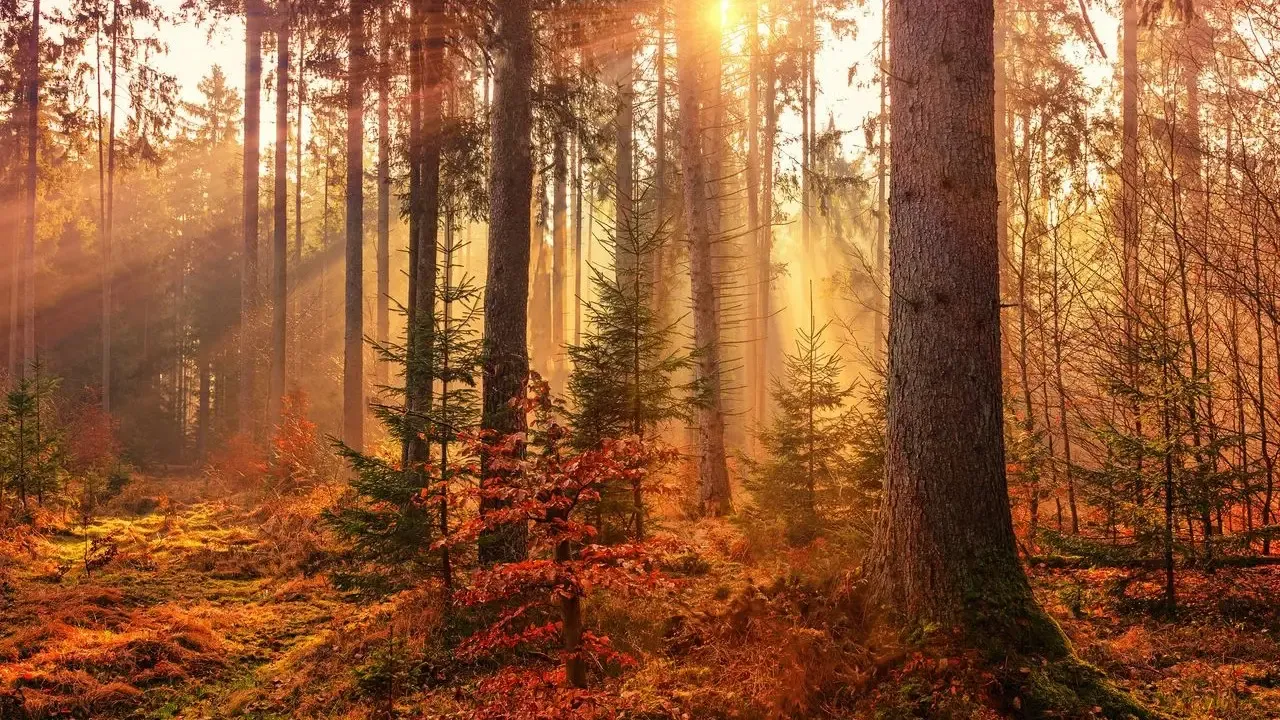

Cooler mornings have finally reached Central Texas, but many streets still carry green canopies. That gap between the calendar and the landscape is a familiar Texas frustration, and it shapes when gardeners and leaf watchers head outdoors. As Thanksgiving approaches, fall color is moving toward its height. ([1])
Why the Leaves Lag Behind the Calendar
As far as fall foliage goes, it’s really not until November that we see vibrant colors in Central Texas. This is because the color changes rely on daylight (shorter days) and cooler temperatures. Local forecasters note that the first changes usually appear earlier. Leaves in Central Texas typically begin changing color in mid- to late October, but peak season is in mid-November. ([2])
Rainfall and summer heat also play a role. A wet spring helps trees grow leaves that drop later than those that develop during dry conditions, allowing more time for the fall colors to emerge. Drought conditions during the summer can put a damper on the fall foliage, as leaves drop early due to stress. Weather is not the only factor, either. Forest Service guidance cited by KXAN lists three drivers of timing and color quality: the weather, the pigment of the leaves and the increasing length of night.
Peak Dates Depend on Elevation and Location
The Hill Country tends to lead the region. Average peak foliage in Central Texas shows mid November in the Hill Country with late November elsewhere. Most of Texas peaks between Nov 2 and Nov 24: the high country first, around Nov 6, and the low ground last, around Nov 20. Those dates come from a current statewide foliage tracker, so they offer a useful reference point rather than a guarantee.
Elevation is only part of the story. Lost Maples State Natural Area is among the best-known destinations, and fall colors are expected to begin emerging in late October 2026 at destinations like Lost Maples State Natural Area. Texas also tends to finish late. Texas’ peak fall foliage remains one of the latest in the nation, often extending the leaf-peeping season well into November.
What Thanksgiving Timing Means for Planning
Thanksgiving falls near the expected window for the strongest color in many parts of the state. One regional forecast has peak fall foliage reaching the Austin and San Antonio regions around Thanksgiving, offering some vibrancy before the fall holiday season drifts away. Because forecasts shift from year to year, travelers should treat that date as a target rather than a promise. Exact timing for peak colors remains unpredictable, as the shift depends heavily on weather and light conditions over preceding months.
Weather patterns matter as much as dates. Vibrant colors occur when a cold snap is followed by warm afternoons and cool evenings late in the summer and early fall. The early November cold front fits that pattern. Forecasts at the time called for morning lows dropping into the 40s by early next week as fall weather finally settles in more permanently into Central Texas.
What to Watch Before the Weekend Drive
Those planning a trip can follow a few practical steps to make the most of the window:
- Check the state foliage report from Texas Parks and Wildlife, which tracks color across regions. ([3])
- Start with the Hill Country and Lost Maples, where color usually arrives first.
- Plan midweek visits if possible, since the marquee routes draw serious weekend traffic at peak. ([4])
- Watch for a cold snap followed by mild days and cool nights, the combination that tends to produce the most vivid leaves.
Texas autumn keeps its own schedule. Those expecting October crimson may find that the real display arrives weeks later, as the holiday season approaches. For many residents, the wait has a payoff. The final weeks of November could bring the color that the early part of fall held back.
AI Disclaimer: This article was created with the assistance of AI tools and reviewed by a human editor.