
Emeryville, Calif. – Amyris, Inc. announced on November 12 that it will acquire Oobli, a California company that uses fermentation to make ingredients for sugar reduction. ([1])The deal combines a biomanufacturing company with a small firm focused on a specialized class of sweeteners. Food brands are looking for ways to trim sugar without losing taste, and the transaction signals that the approach is attracting larger industrial backers.
A sweetener that is a protein
Sweet proteins are not sugars, and that difference is the core of the pitch. Amyris says these proteins are many times sweeter than sugar, bind directly to sweet taste receptors, and are digested as protein rather than as carbohydrate. ([2])Those are the company’s own claims, and they describe how the molecules behave rather than what they do for health outcomes.
The proteins themselves have a natural origin. Oobli has spent about a decade refining a fermentation process to produce sweet proteins that occur in rare fruits and berries near the equator. ([2])Chief Executive Ali Wing has framed the category as timely, saying that sweet proteins are an idea whose time has come. ([3])
Brewing the protein instead of harvesting fruit
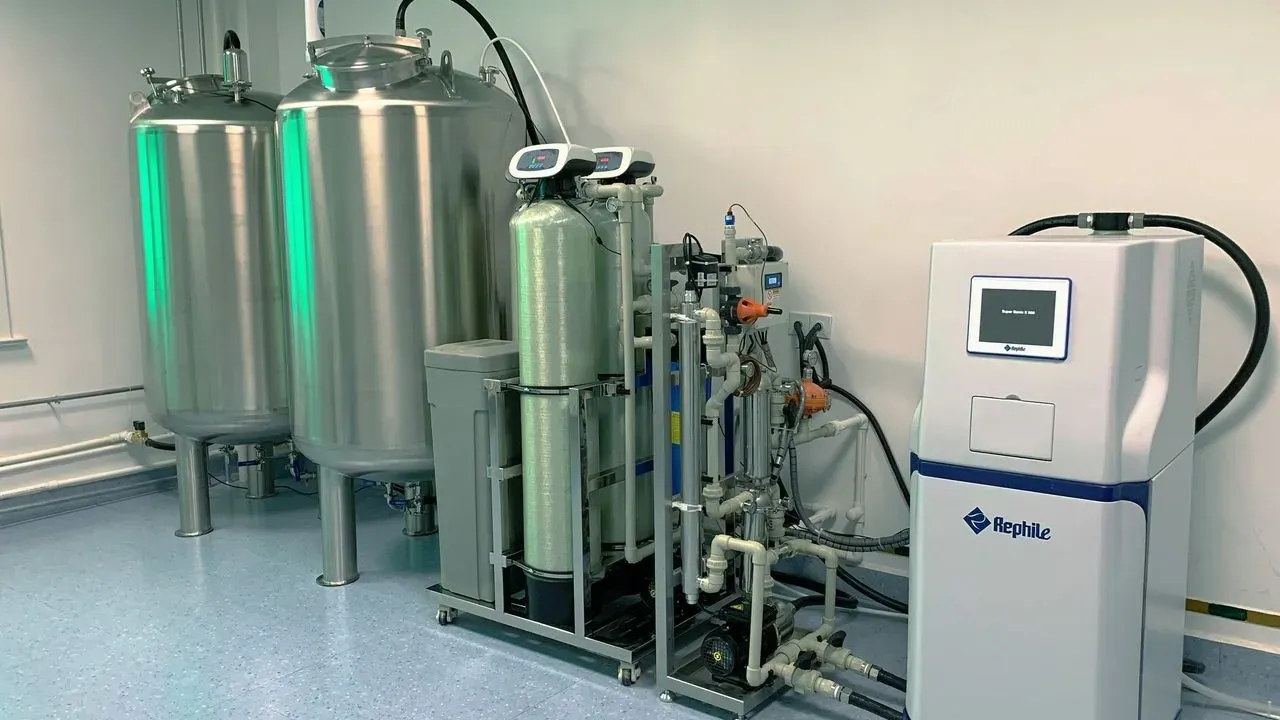
The production method is what separates Oobli from traditional sweetener sourcing. Brazzein, one of the best-known sweet proteins, appears in only tiny amounts in the oubli fruit, which makes extracting it from the plant prohibitively expensive. ([3])Instead of relying on the fruit, the company inserts the DNA sequence for each protein into a yeast strain with a long history of food use. ([4])The microbes grow in fermentation tanks, where the proteins are filtered out and purified. ([4])
Oobli’s commercial lineup includes three proteins, each tied to a different source fruit or berry:
- Oubli Fruit Sweet Protein, which is brazzein
- Serendipity Berry Sweet Protein, which is monellin
- Katemfe Fruit Sweet Protein, which is thaumatin
Key points to watch: the purchase price was not disclosed, Oobli’s existing customer agreements are set to continue without interruption, and regulatory status varies by protein.
Regulatory standing and open questions
Oobli’s portfolio has FDA GRAS status as an ingredient and is FEMA GRAS-affirmed for use as a natural flavor, according to the companies. ([5])The FDA issued a “no questions” letter for brazzein-54 in 2025. ([6])Thaumatin, by contrast, was still awaiting an FDA letter when Amyris announced the deal. ([3])
Taste is another variable. Lingering sweetness is common with ingredients such as brazzein and thaumatin. ([7])Oobli’s president has said the proteins can either fully replace sugar or complement other sweeteners, and that the company is already achieving 70% to 90% sugar reduction in some applications. ([8])Those figures come from the company and have not been independently verified in the sources reviewed here.
What changes for customers and the sector
Oobli began in 2014 as Miraculex, focused on the taste-modifying protein miraculin, before it was renamed Joywell Foods and later became Oobli in December 2022. ([3])The acquisition places its protein platform alongside Amyris’s strain engineering and manufacturing capabilities. Amyris CEO Kathy Fortmann has said the combination brings Oobli’s protein-fermentation expertise together with Amyris’s manufacturing scale and commercial reach. ([2])
For existing clients, the immediate consequence is continuity. Amyris said all current Oobli customer commitments and brand partnerships will be honored while the companies move toward closing. ([2])Food and beverage companies that want lower-sugar products will be watching whether a larger manufacturer can scale output and keep costs competitive. Sweet proteins still must clear safety and allergen review for each intended use, and no independently reviewed lifecycle assessment of Oobli’s process has been published. ([9])The next steps will show whether fermentation-made sweet proteins move from specialty ingredients into everyday recipes.
AI Disclaimer: This article was created with the assistance of AI tools and reviewed by a human editor.