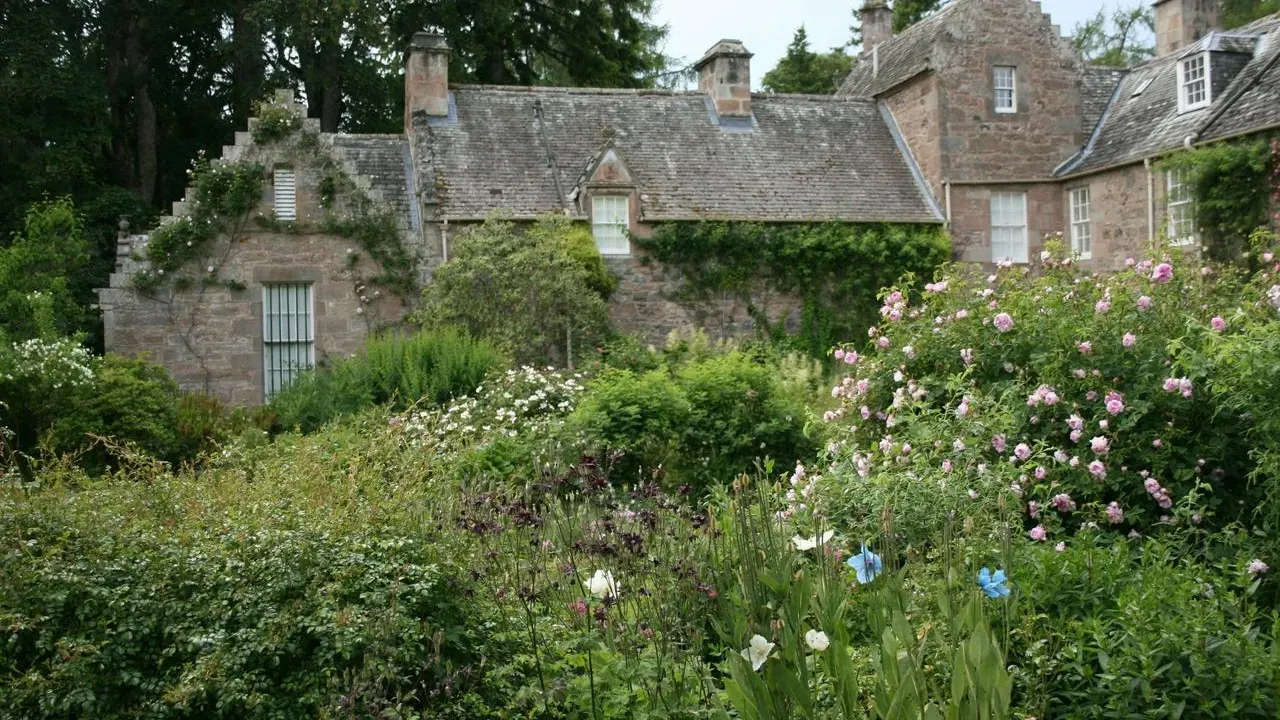

Few spots on Northwestern University’s Evanston campus feel as removed from the bustle as the Shakespeare Garden. Set behind a double row of hawthorn hedges, the ([1])plot has drawn students, garden lovers and couples for generations. Its plantings are drawn from the works of William Shakespeare, which gives a visit a literary twist that few other campus spaces offer.
A Wartime Tribute Takes Root
The garden began as a memorial. ([2])Its creation was tied to wartime sympathy for Britain and to the 300th anniversary of Shakespeare’s death, and it is considered the first garden of its kind in the United States. The idea was first pushed by the Drama League of America, which called for memorial gardens to mark that anniversary, according to ([3])a summary of the garden’s history.
Evanston answered the call through the Garden Club of Evanston. The club was founded in June 1915 by 25 local women, and its first major undertaking was this garden. ([4])The university set aside a plot measuring 70 by 100 feet for the project. That ground had once served as a trash dump, a detail that makes the finished landscape all the more striking. ([5])
Work proceeded in stages over more than a decade. Planting got underway in the 1920s, and the club formally presented the completed garden to the university at a dedication on May 18, 1930. ([6])The memorial fountain and a bronze Shakespeare bust still anchor the entrance today.
Walking Among the Plants of the Plays
The layout is compact but deliberate. A double hawthorn hedge encloses eight flower beds, a sundial and a garden seat, along with a stone memorial that holds a bronze relief of Shakespeare. ([7])Many of the original hawthorns were grown from seed in France and still form the base of the design. ([8])
The garden has changed over time. It first took shape as a knot garden, with formal boxwood patterns, but a British garden expert later recommended removing some of that boxwood. The change allowed for more mixed plantings, more perennials and a softer look that resembles a traditional English garden. ([8])
Visitors who come to see the Shakespeare connection will find several familiar names among the plants. The garden contains more than 50 plants mentioned in the playwright’s works, and the selection has included:
- Roses, which appear across the plays and sonnets
- Pansies and poppies, bright additions to the beds
- Lavender and rosemary, fragrant herbs with literary roots
- Peonies and foxglove, which add height and color in season
The garden also favors varieties suited to the Midwestern climate, so the plants can handle Evanston winters and summers. ([2])
Caretakers, Weddings and a Garden That Keeps Going
Members of the Garden Club of Evanston still look after the garden, and many of them are Northwestern graduates. They regularly review which plants thrive and which struggle, then adjust the beds accordingly. ([8])Much of the money for plants and materials comes from the club’s plant sales at the Evanston Garden Fair, held each spring in Raymond Park. ([8])
The garden is open to the public, and it has become a popular setting for tours, marriage proposals and weddings. ([8])For many visitors, that personal side is what keeps them coming back. The site was listed on the National Register of Historic Places in November 1988, and it was the first historic Evanston landmark to receive that designation. ([6])
Plan a visit: The garden is located at 2121 Sheridan Road in Evanston, Illinois. ([9])Its entrance sits at the east end of Garrett Place, just north of Garrett-Evangelical Theological Seminary. ([7])
The garden’s centennial drew city and university officials to the site in 2015, when Evanston honored the club’s contributions to the community. ([4])The campus landscape continues to evolve, yet this small plot still asks visitors to slow down and look closely at the flowers the playwright once described. That quiet continuity may be its most lasting feature.
AI Disclaimer: This article was created with the assistance of AI tools and reviewed by a human editor.