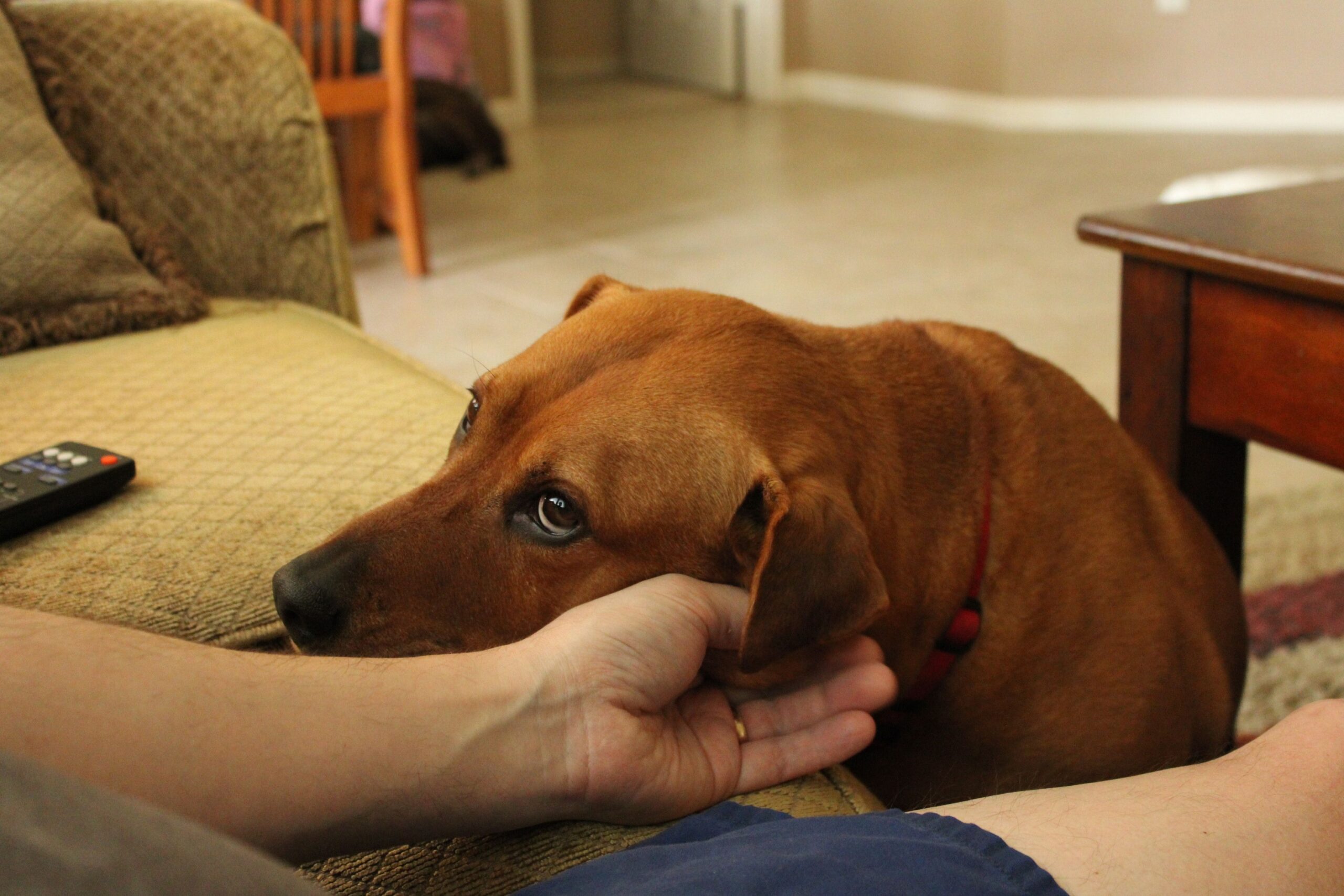

The Famous Experiment That Changed Everything
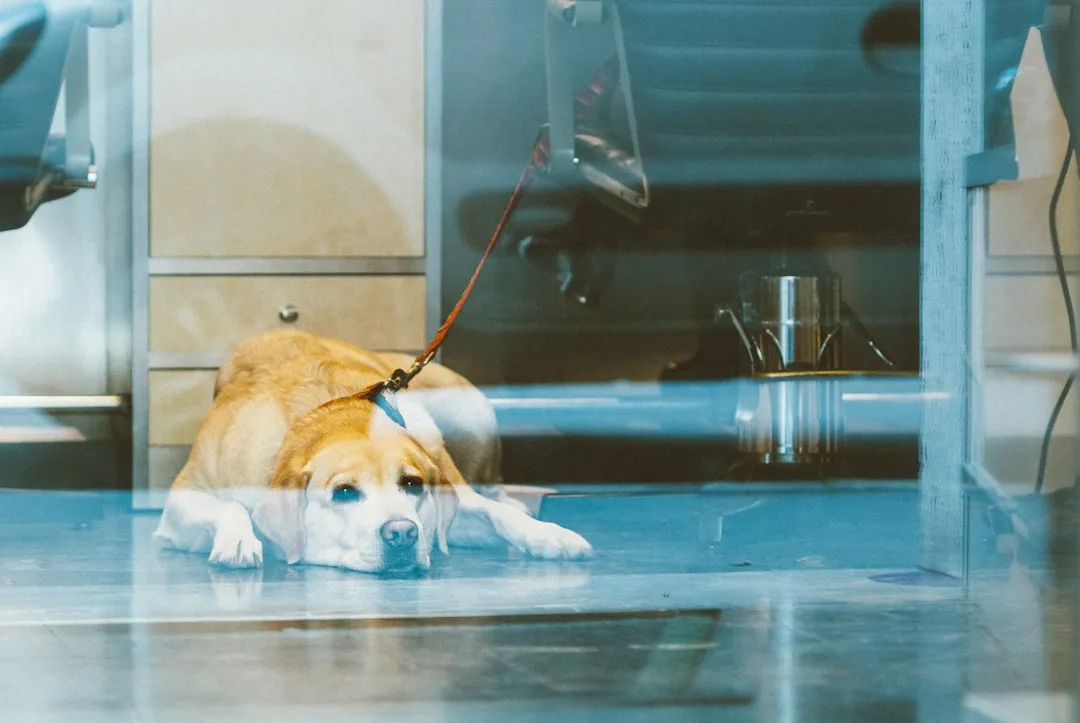
Alexandra Horowitz, a cognitive scientist at Barnard College and head of the Horowitz Canine Cognition Lab, explored this question in her landmark study, “Disambiguating the ‘Guilty Look’: Salient prompts to a familiar dog behaviour.” Her setup was straightforward but clever. She used 14 dogs, videotaping them in a series of trials and studying how they reacted when an owner left the room after telling them not to eat a treat.
The average number of guilty-look behaviors was 1.4 when the dog had disobeyed and 1.6 when it had obeyed – basically the same. That is about as close to identical as behavioral data gets. The most exaggerated guilty look of all came from obedient dogs who got scolded anyway – dogs that had done nothing wrong.
Scolding Triggers the Look, Not the Misdeed

The dogs that were scolded showed clearly more guilty behaviors. Moreover, the dogs that were scolded but didn’t eat the food looked most “guilty.” This is the finding that really shifts the picture. The guilt expression tracks the human’s reaction, not the dog’s behavior.
One study reveals that dogs show the “guilty look” in response to being scolded by their owner. It even found that dogs do not show the “guilty look” when their owner refrains from scolding them. So the connection between the owner’s anger and the dog’s posture is tighter than most people realize.
What the “Guilty Look” Actually Looks Like
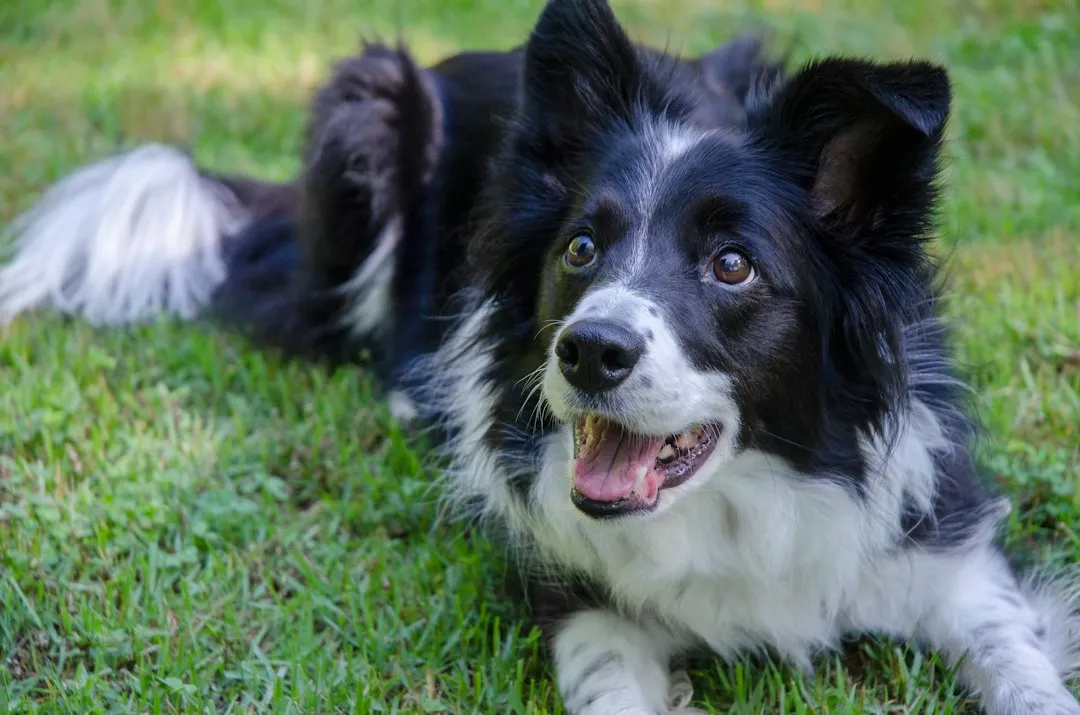
The things owners lump into “the guilty look” are behaviors like avoiding eye contact, dropping the tail, flattening the ears, lying down and rolling over, and moving away. These are not random behaviors. They form a recognizable cluster with a specific social function.
What used to be known as “submissive” behavior is now what we call appeasement body language. With appeasement gestures, the dog tries to appear small and as less of a threat. They might lower their body to the ground, or even flip over on their back to expose their stomach. Understanding this reframes the whole situation.
It’s Appeasement, Not Remorse
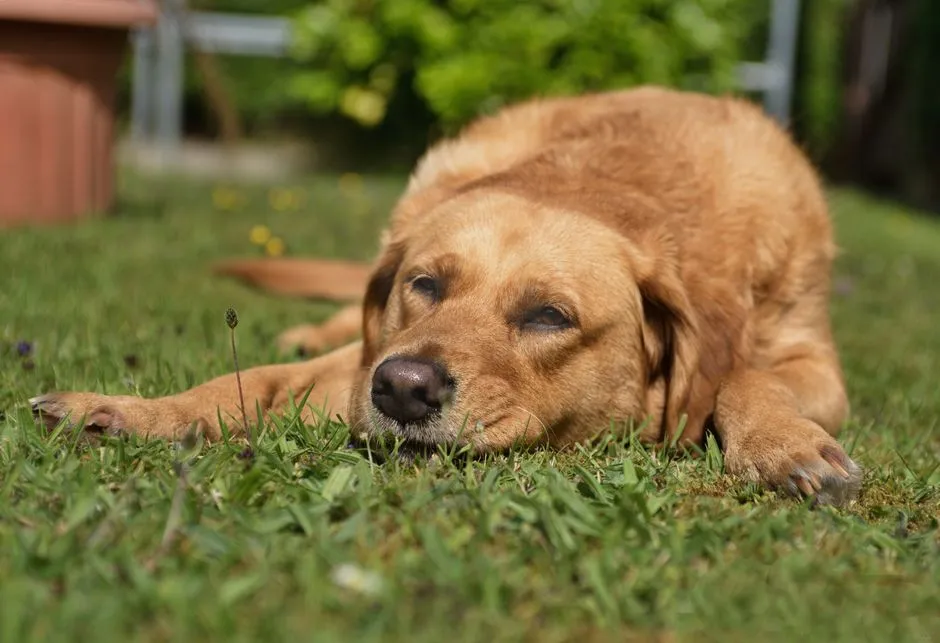
Submissive or appeasement signals are often misinterpreted by owners as being indicative of “guilt” following an undesirable behavior. In truth, dogs displaying submissive postures towards their owners are likely responding to discernible human body language or past association with punishment, and are attempting to lessen predictable forthcoming punishment based on previous experience.
Appeasement behaviors are calming signals, submissive or deference behaviors. Turid Rugaas, a Norwegian dog trainer, came up with the term “calming signals” to refer to the appeasement behaviors dogs do. Many dogs will use these body language signs to de-escalate a situation or communicate they’re not a threat, when they are feeling unsure, uncomfortable, or fearful.
Dogs Read You Better Than You Realize
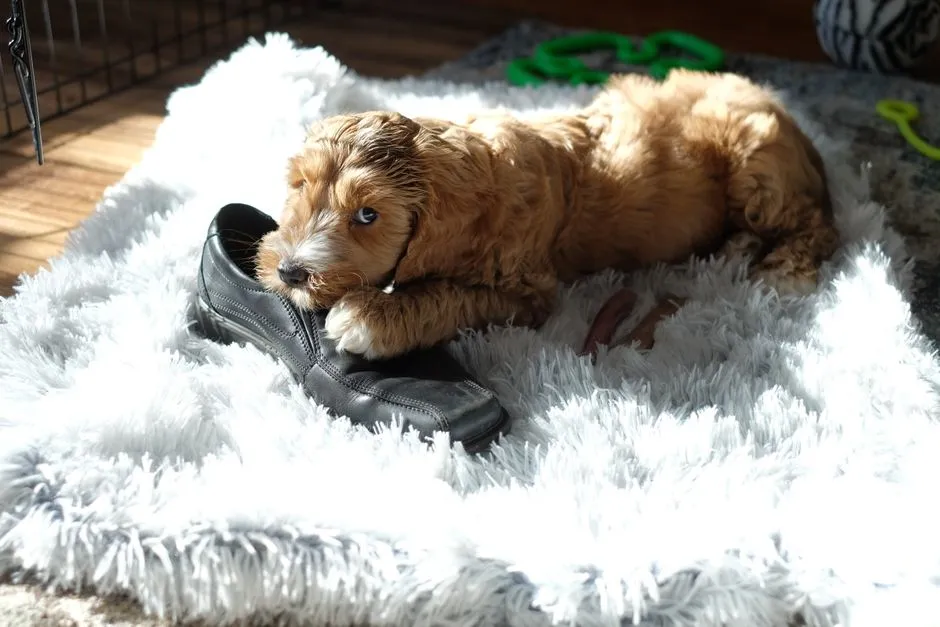
Research reveals that the guilty look is less about actual guilt and more about dogs reading our emotions and attempting to avoid punishment. It’s a response shaped by sensitivity to our cues, rather than any true remorse for what they did. Dogs are remarkably skilled at detecting tiny shifts in our posture, tone, and facial expression.
Dogs can also detect slight changes in owners’ mood and can remember their owners’ behavior in similar situations, and the guilty look may be a fearful anticipation of something unpleasant. In other words, your dog may be thinking less about what they did and more about what you are about to do.
The Owner’s Perception Problem
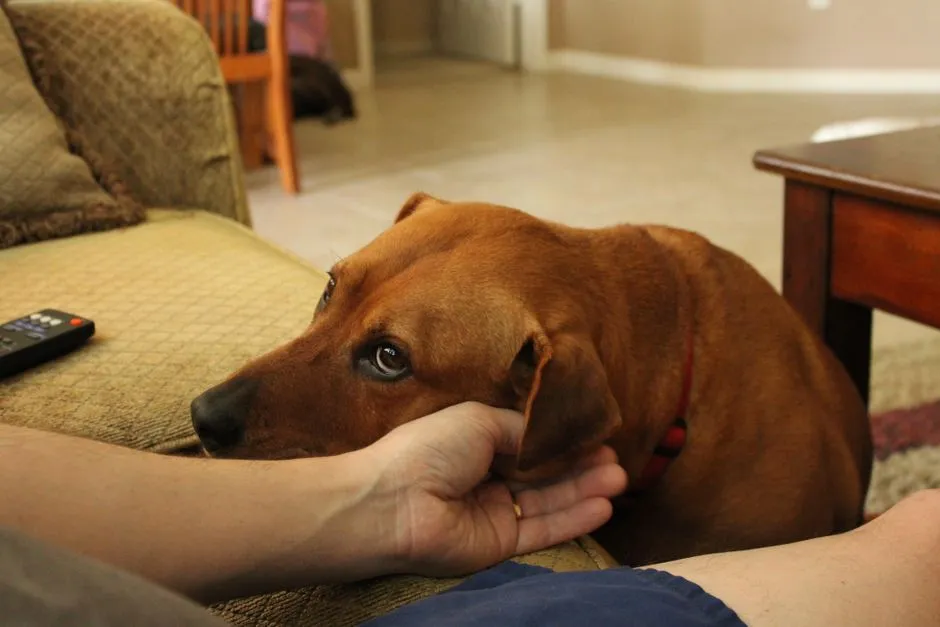
In one survey, roughly three quarters of dog owners said they believed their dog felt guilt. But when researchers tested the behavior, they found the “guilty look” is much more closely tied to human cues than to evidence of a dog’s wrongdoing. Belief and evidence are pulling in opposite directions here.
Horowitz’s research did not prove that dogs are incapable of guilt. Instead, it demonstrated that the expression humans commonly label as guilt cannot reliably tell us whether a dog believes they have done something wrong. That’s an important distinction, and one worth sitting with.
Can Dogs Actually Feel Guilt?
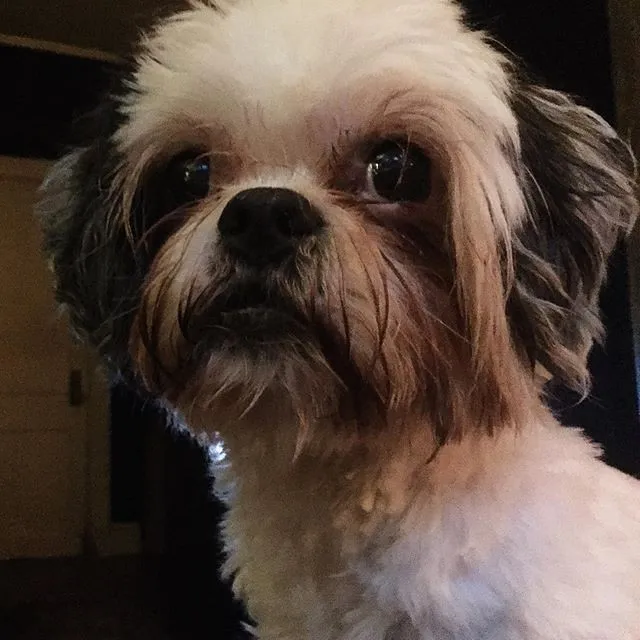
Secondary emotions, including guilt, shame, embarrassment, and pride, are more complex and are often associated with self-awareness and evaluating one’s behavior against social expectations. Whether dogs experience human-like guilt or shame remains an open scientific question.
Research shows that dogs aren’t likely to feel guilt in the same way that humans do. Guilt is a complex emotion that involves understanding and regret for one’s actions, which dogs may not fully grasp. Instead, they are reacting to the cues they see from us. The inner experience of a dog is genuinely hard to know, but the behavioral evidence keeps pointing in the same direction.
Why Scolding After the Fact Doesn’t Work
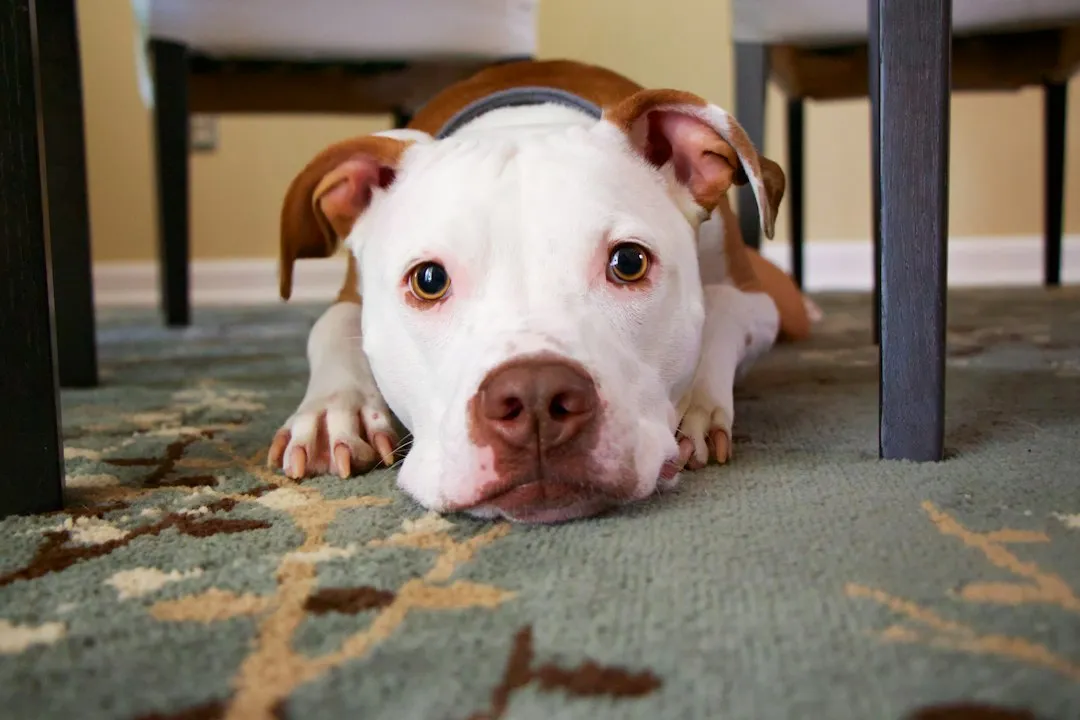
Unless you catch your dog directly in the act, your dog cannot associate their behavior with the scolding. Your dog’s behavior doesn’t change, but your dog does learn that you are unpredictable. This is one of the more practical takeaways from the research.
If you come home to a chewed-up couch and scold an hour later, your dog won’t connect the punishment to the action. The dog is left confused about why you’re upset, which only deepens the anxiety that produces that signature guilty-looking posture in the first place.
The Innocent Dog Who Looks Most Guilty
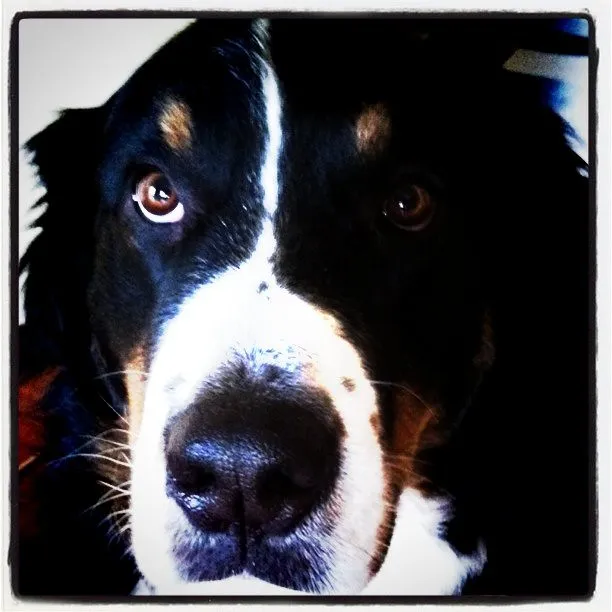
When dogs were reprimanded, the most exaggerated guilty look was displayed by the dogs that had not eaten the treat but were reprimanded anyway. That means, for example, that in a multi-dog household, a dog could easily look guilty without ever having transgressed. This is one of those findings that stops people mid-thought.
When owners scolded their dogs, the dogs showed more “guilty” behaviors, even when the dog hadn’t done the misdeed. That tells us the look is driven by the owner’s behavior, not the dog’s memory of a rule. The wrong dog gets the scolding, and ironically, they perform the most convincing guilt of anyone in the room.
What This Means for How We Treat Our Dogs
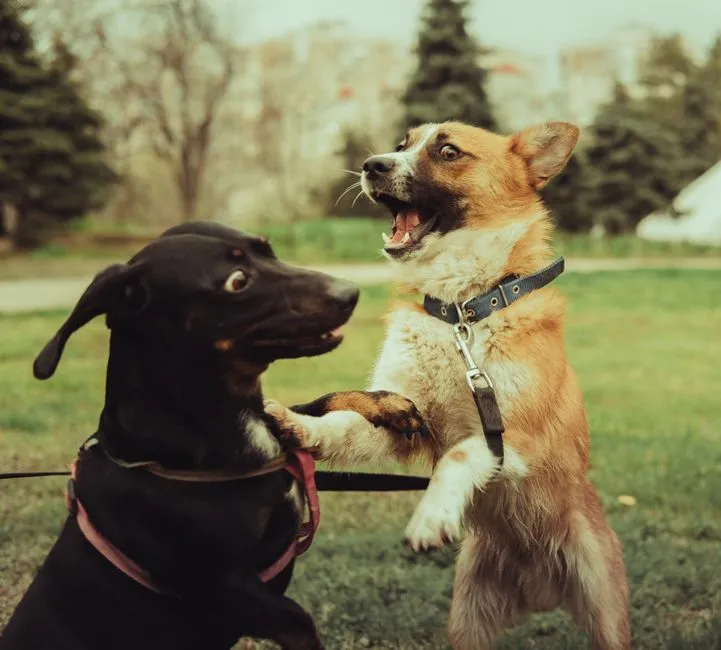
If owners think that their dog is guilty, they are more likely to follow up with a punishment. That reaction, repeated over time, can create a cycle where the dog is frequently anxious without ever understanding why. Because direct eye contact is confrontational in canine language, deliberately breaking it and looking away is a meaningful act of deference and appeasement. Recognizing that changes how you respond.
Appeasement signals are behaviors dogs use to avoid conflict, de-escalate tense situations, or communicate submission. Recognizing and understanding canine appeasement signals is crucial for building trust, ensuring safety, and fostering a positive relationship with your dog. When you stop reading the guilty look as a confession, you start responding to what your dog is actually trying to tell you.
The Takeaway
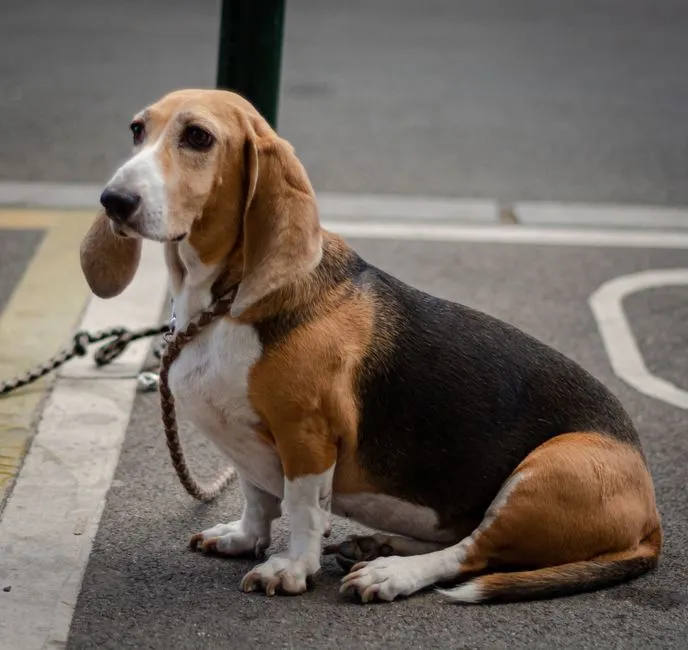
The guilty look is not a lie your dog is telling you, nor is it a window into their moral conscience. It’s a survival strategy, refined through thousands of years of living alongside humans, for navigating moments of tension. Research from the Dog Cognition Lab at Barnard has shown that this look is not reflecting the dog feeling guilty but rather attempting to act submissively to avoid punishment.
What looks like shame is really something closer to social intelligence. Your dog is reading the room, responding to your posture, your voice, the air in the room when you are upset. Research suggests that the classic “guilty look” often reflects a dog’s response to an owner’s behavior, tone of voice, or body language rather than evidence of wrongdoing. Once you see it that way, the relationship between you and your dog gets a little clearer, and probably a little kinder too.
AI Disclaimer: This article was created with the assistance of AI tools and reviewed by a human editor.