

1. Cavalier King Charles Spaniel: The Classic Companion

The Cavalier King Charles Spaniel is often considered the best dog for seniors living alone. They’re affectionate, gentle, adaptable to your activity level, and provide wonderful companionship without demanding excessive exercise.
About 20 to 30 minutes of daily activity keeps them healthy and happy, which is an easy ask for most older adults. Their calm temperament makes them happiest curled on the sofa, though they enjoy short walks and a little outdoor time. They bond closely with their owner and adapt easily to apartment living.
These spaniels are wonderful with grandchildren, other pets, and pretty much anyone who sits still long enough to pet them. There is one health note worth taking seriously: Cavaliers can be prone to heart conditions, specifically mitral valve disease. Choosing a reputable breeder who health-tests their dogs is important, and regular veterinary checkups are a must.
2. Shih Tzu: The Palace Dog for the Modern Home
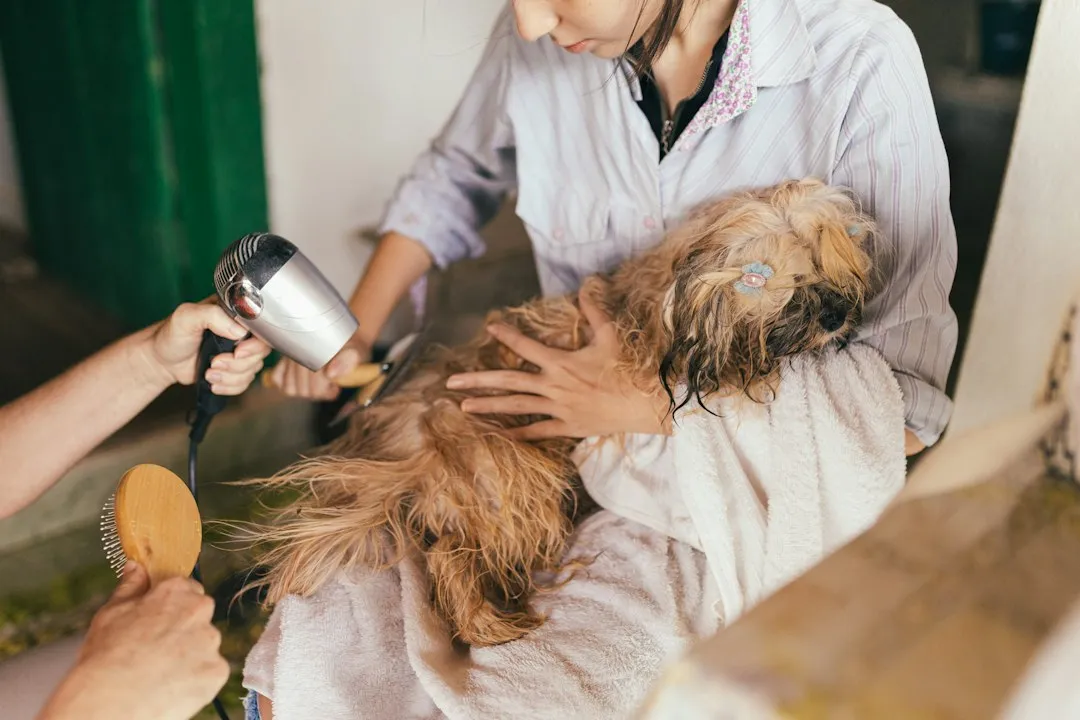
The Shih Tzu was bred centuries ago purely to be a palace companion, and that devoted, gentle nature still shows today, making it perfect for seniors wanting unconditional love at home.
They require minimal exercise. A short daily walk is plenty, and they are content to spend hours at your feet. Their affectionate nature and manageable size of 9 to 16 pounds make them ideal for seniors. These dogs are friendly, calm, and adapt well to indoor living. They enjoy walks but don’t require extensive physical activity.
Shih Tzus are small enough to be easy to handle, yet sturdy enough to enjoy a bit of play without being fragile. That balance of compact size and resilience makes them particularly practical. The main commitment is grooming: due to their long coats, it’s important to stay on top of grooming responsibilities. Many owners keep the coat trimmed short to reduce that maintenance load.
3. Poodle (Toy or Miniature): Smart, Gentle, and Allergy-Friendly
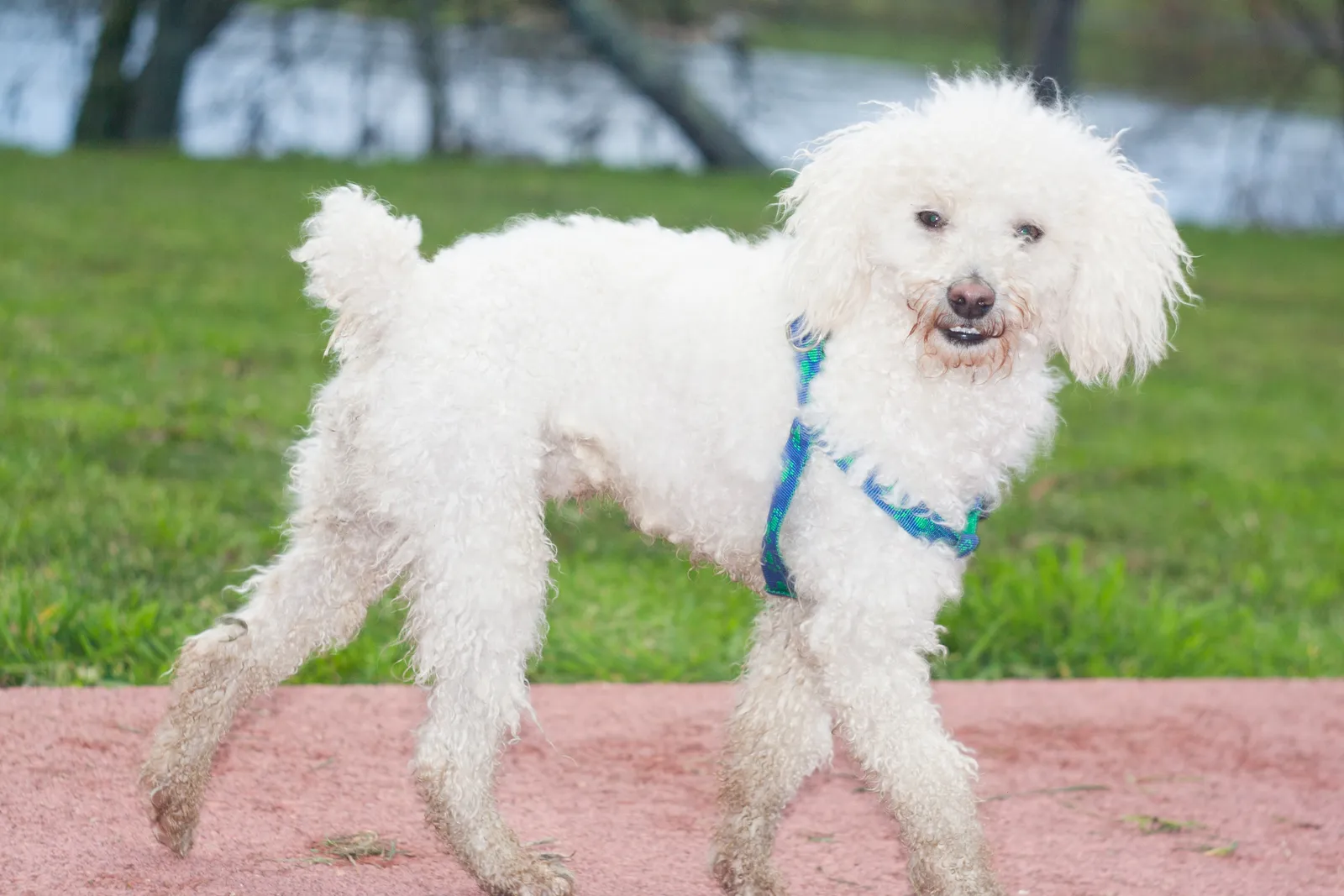
Don’t let the poodle’s reputation fool you. They’re among the smartest and most adaptable dogs around. Toy and miniature poodles are low-shedding and considered hypoallergenic, making them a great choice for seniors with allergies.
Toy and miniature varieties are perfect for seniors, combining hypoallergenic coats with moderate exercise needs. They’re also highly trainable, which means basic commands come quickly and reliably. For older adults who may have limited patience for drawn-out training phases, that quality is genuinely useful.
Poodles stay mentally sharp well into old age and benefit from puzzle feeders or simple games that keep their minds active. They’re a great pick for seniors who want a small dog with a bit of personality. Their moderate energy level makes them a good fit for seniors who stay reasonably active.
4. Bichon Frisé: The Mood-Lifting Fluffball
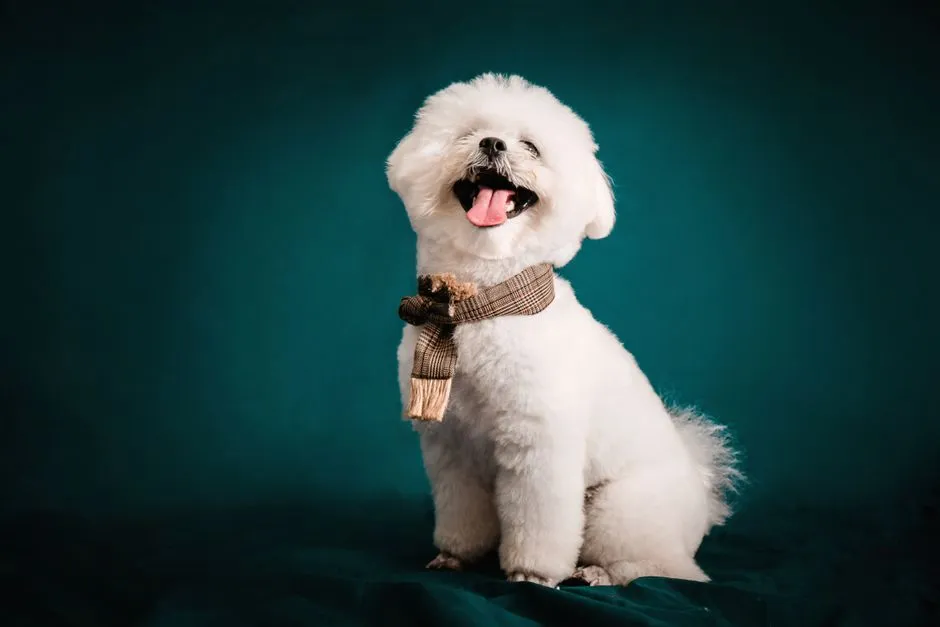
The Bichon Frise is a powder puff with a permanently happy face, and that calm temperament makes it one of the best dog breeds for seniors craving a true companion dog.
Their coat is hypoallergenic and barely sheds, which is a genuine bonus for older people with allergies. Bichons have low-to-moderate exercise needs. They are sociable, good with other pets, and easily trainable. That makes daily life with a Bichon Frise pretty smooth for senior owners.
The Bichon Frise is a cheerful, curly-coated little dog that rarely meets a stranger it does not like. Exercise needs are low to moderate. A couple of short walks and some playtime each day keeps a Bichon satisfied. Like the Cavalier King Charles Spaniel, you can expect a Bichon Frise to live to 14 or 15 years, which means a long and consistent companionship for the owner.
5. French Bulldog: Low-Key, Loving, and Built for Indoor Life
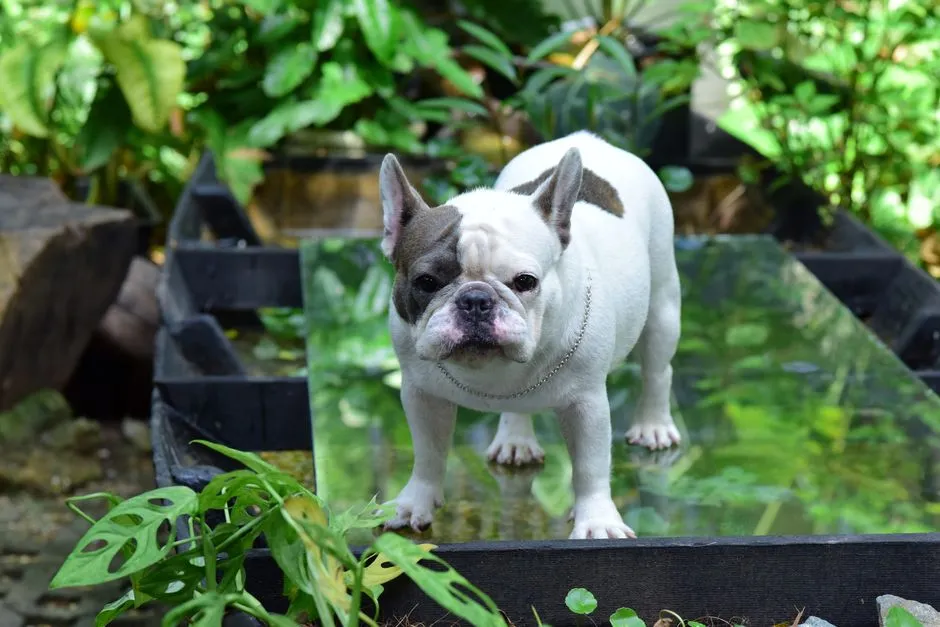
The French Bulldog has a sturdy build and a laid-back attitude, making it a solid choice for older adults who want a small breed that will not pull hard on the leash. Since 2022, the French Bulldog has scored as the most popular dog breed based on AKC registration statistics, and with good reason.
These dogs have low energy and minimal exercise needs. They are perfectly content with a short walk and a good nap afterward. For older adults seeking a low-energy, low-maintenance dog, the French Bulldog is a perfect fit. French Bulldogs do not require extensive exercise.
One thing to keep in mind is climate. The French Bulldog’s flat face can cause breathing issues in heat or humidity, so cool, shaded rest spots matter. French Bulldogs are affectionate, but they don’t handle extreme heat well, so keep outdoor time limited on hot days. For owners living in milder climates or air-conditioned homes, this rarely becomes a problem.
Why This Match Matters: The Research Behind Breed Choice
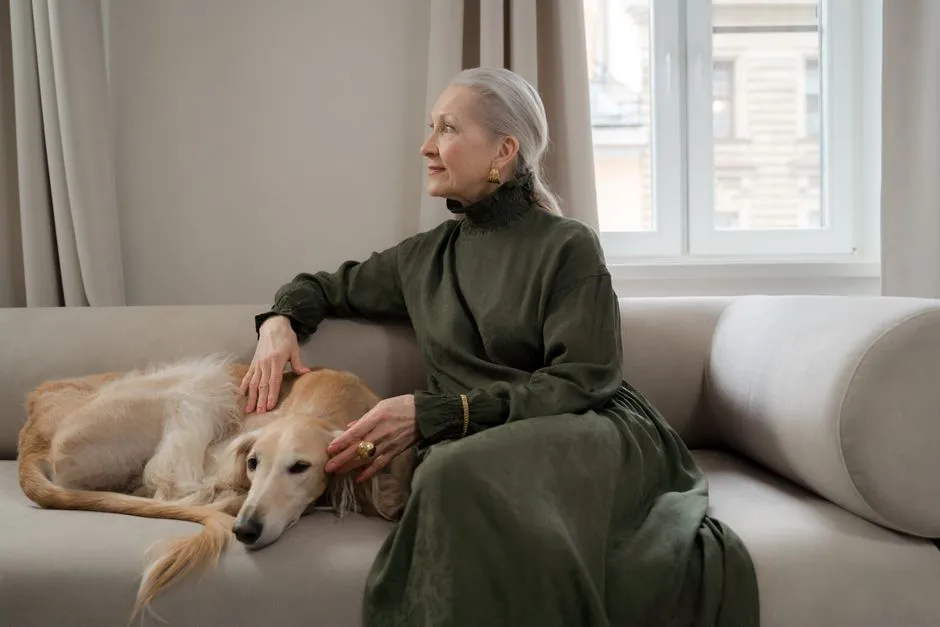
The best dog breeds for seniors tend to be small to medium, low energy, and easy to care for. The best dog breed for elderly adults depends on your lifestyle, living situation, and how much time and energy you can realistically dedicate to a pet.
The National Poll on Healthy Aging by the University of Michigan reports that older adults with pets not only benefit from boosts in emotional and physical health but also the ability to cope with physical and emotional symptoms, including pain. These aren’t trivial effects, and they compound over time.
In older adults, dog ownership was significantly associated with lower anxiety. It is possible the physical activity promoted by dog ownership is more beneficial for older adults, due to older adults engaging in less overall physical activity than younger adults. Selecting a breed with manageable exercise needs makes it far more likely that daily walks will actually happen.
The Social Benefits Nobody Talks About Enough
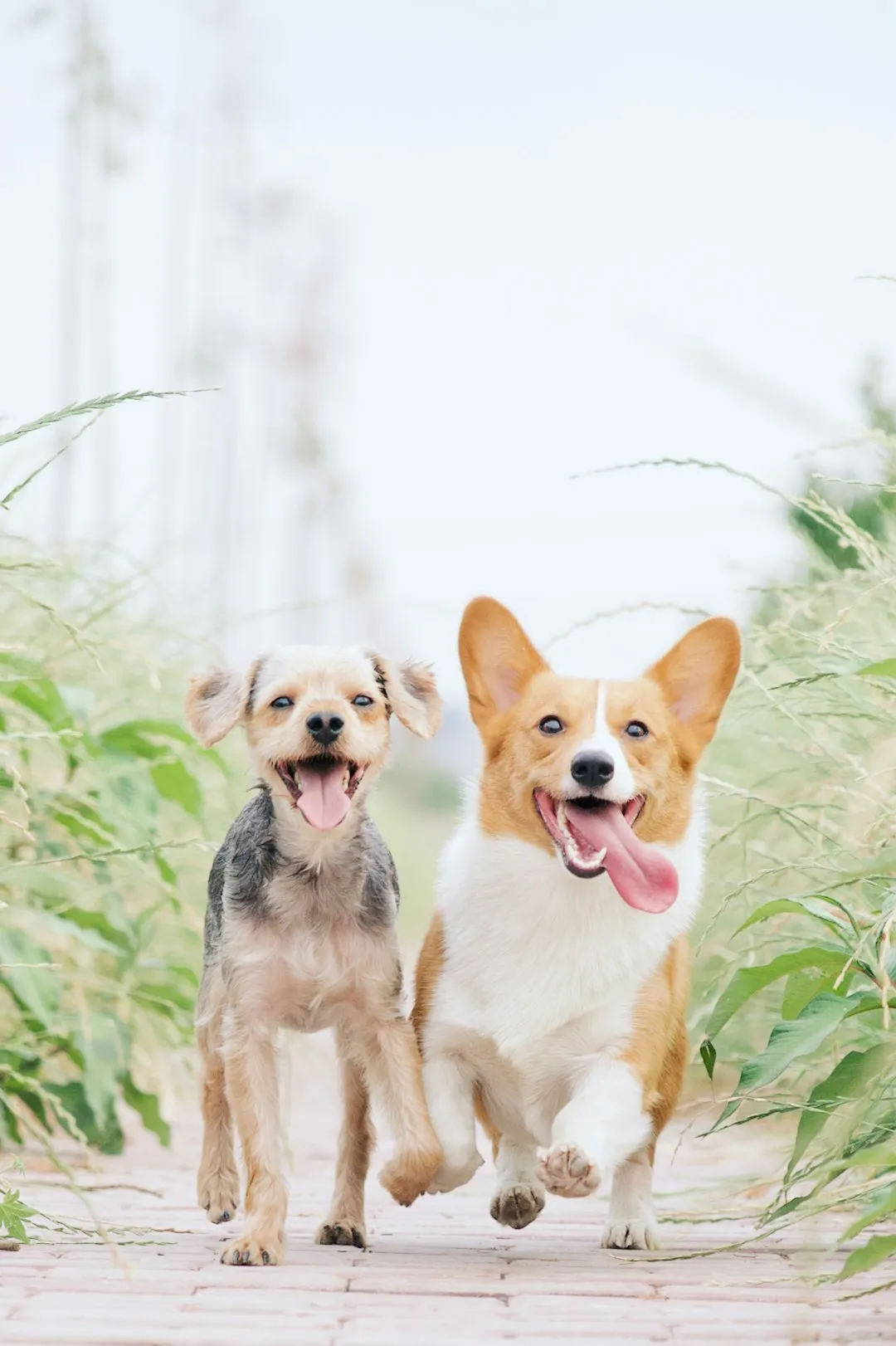
Older adults who own pets feel more socially connected, leading to increased happiness and life satisfaction as well as reduced feelings of loneliness, according to the results of a new study from the Mather Institute.
Dog owners reported the most significant benefits. The Mather Institute attributed that finding to social opportunities that come with walking a dog and the active lifestyle associated with dog ownership. Even a Bichon or Cavalier trotting along a neighborhood sidewalk tends to draw conversation from neighbors and strangers alike.
Previous research found that dog owners who walk their dogs are more than twice as likely to achieve moderate physical activity at least 150 minutes per week than non-dog walkers. Dog walking has also been associated with social interaction among older adults. That’s a meaningful return from something that feels like a simple daily routine.
Cognitive Health and Why Dogs Play a Role
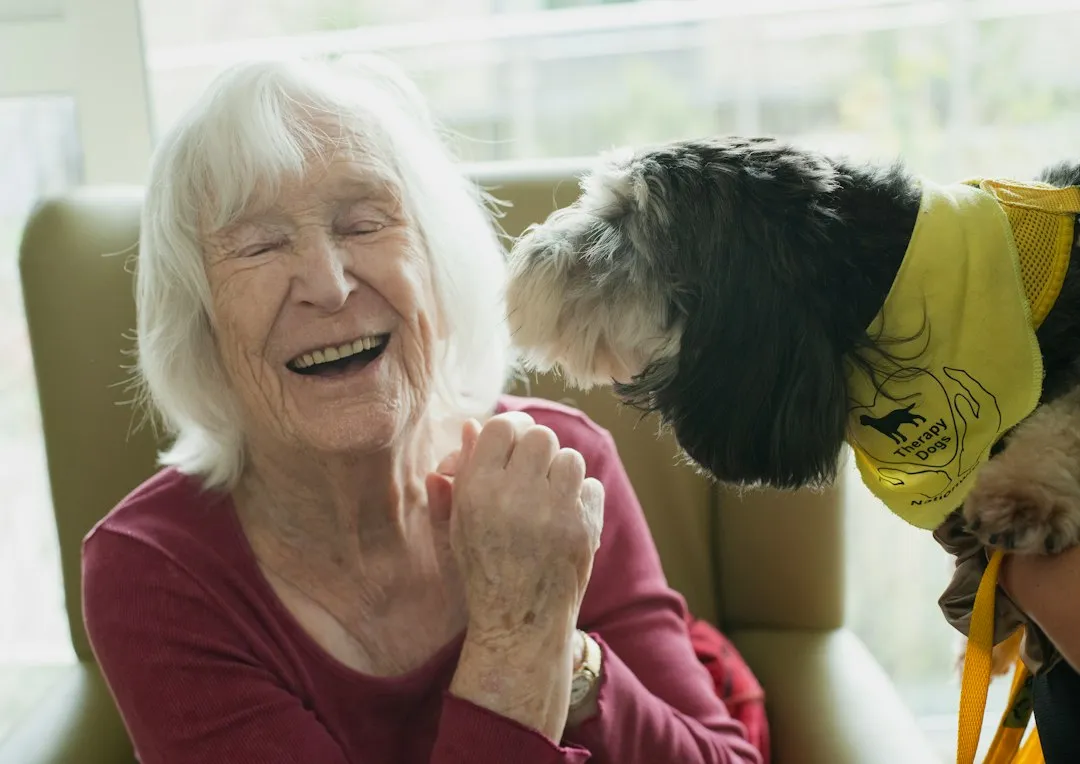
A study from Japan found that having a dog can lower the risk of dementia in older adults. The researchers claim that this is the first study to establish a clear link between dog ownership and a lowered risk of dementia. The research was conducted by the Tokyo Metropolitan Institute for Geriatrics and Gerontology over a span of four years.
Interacting with a pet can help keep the brain engaged and may slow the progression of cognitive decline in older adults. The Frontiers in Aging journal points to research showing that pet ownership is associated with greater cognitive and brain health.
Caring for a pet can instill a sense of responsibility and boost self-esteem in older adults. From feeding schedules to health care appointments, managing these responsibilities can provide mental stimulation that’s vital for seniors. These five breeds, in particular, are well suited to that kind of gentle but consistent daily structure.
Puppy or Adult Dog? What Older Owners Should Know
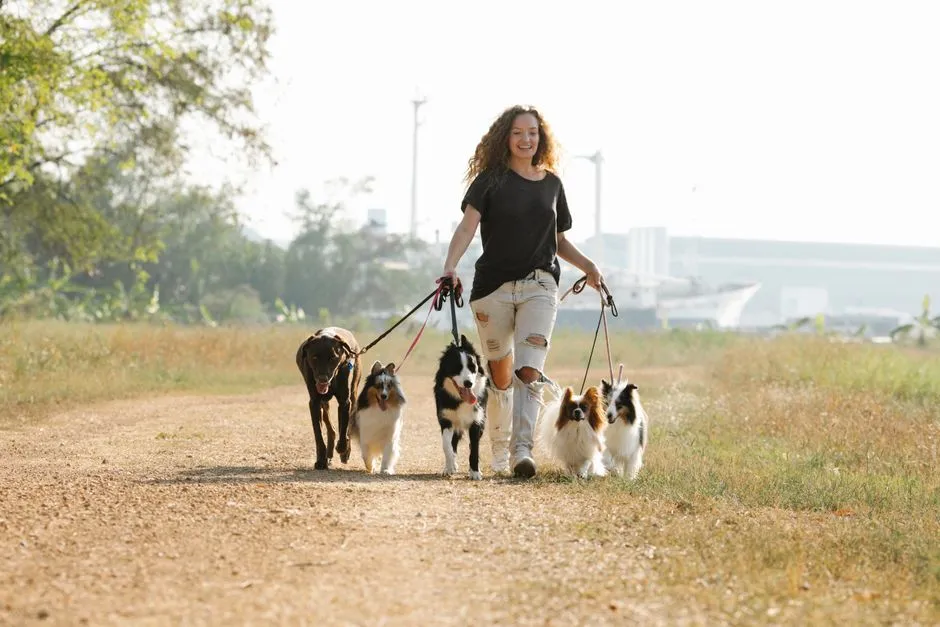
An adult dog with established leash manners is significantly safer than any puppy. When adopting, specifically ask the rescue or shelter whether the dog pulls on a leash, how it behaves when walking beside someone using a mobility aid, and whether it has lived with older adults before.
Some older adults enjoy raising a puppy, while others prefer an adult dog that may already be housebroken and leash trained. There’s no universal right answer, but it’s an honest question worth sitting with before committing. A five-year-old Cavalier or Shih Tzu from a rescue is often calmer, more predictable, and quicker to bond than an energetic pup.
All five breeds on this list adapt well to quieter adult households. Their temperaments make them forgiving with new routines, which helps both owner and dog settle in together without a steep adjustment curve.
Grooming, Costs, and Practical Realities

Many of the best breeds for seniors are also low-shedding or hypoallergenic, which is a real benefit for seniors who want to keep their home clean without extra effort. That matters more than it might sound, especially for those who can’t manage frequent vacuuming or deep cleaning.
Miniature Schnauzers have a low shedding rate and do not require excessive grooming, making them easier to care for compared to higher-maintenance breeds, and several breeds on this list share similar qualities. The Poodle and Bichon Frisé both need regular professional grooming, though the cost is offset by next to no shedding inside the home.
Vet bills are a real consideration too, especially for breeds with known health vulnerabilities. Cavalier King Charles Spaniels may need more attention to heart health, while French Bulldogs may require careful monitoring of breathing and temperature regulation. Planning ahead for these costs, ideally with pet insurance, removes a lot of potential stress down the road.
Finding the Right Fit for Your Life
None of these five breeds are identical in what they ask of an owner. The Poodle suits someone who wants engagement and training. The French Bulldog suits someone who wants a quiet companion with minimal fuss. The Cavalier suits almost everyone, with its remarkable ability to read the room and adjust.
Research shows that older adults can experience physical, emotional, and social benefits from owning or interacting with pets. Older adults reported additional social connections, emotional support, and physical activities resulting from pet ownership. The right breed simply makes those benefits more accessible and sustainable over the long term.
Among older adults, pet owners experienced less deterioration in anxiety and happiness than non-owners. This research provides important longitudinal evidence that pet ownership may promote aspects of psychological health among generally healthy, community-dwelling older adults by moderating age-related decline later in life.
The Takeaway

The five breeds covered here – the Cavalier King Charles Spaniel, Shih Tzu, Toy or Miniature Poodle, Bichon Frisé, and French Bulldog – consistently rank among the most suitable for older owners across veterinary guidance, breed-specific resources, and peer-reviewed research alike. They’re manageable in size, gentle in temperament, and don’t demand more than most older adults can comfortably give.
What they offer in return is harder to quantify: a reason to get up, a presence in the room, a walk to structure the morning. Dog ownership in later life is associated with less loneliness, more physical activity, better mood, sharper cognition, lower blood pressure, and a richer daily experience.
That’s not a small list of benefits for one small dog. The match just has to be right.
AI Disclaimer: This article was created with the assistance of AI tools and reviewed by a human editor.