
It’s a Trust Signal More Than Anything Else

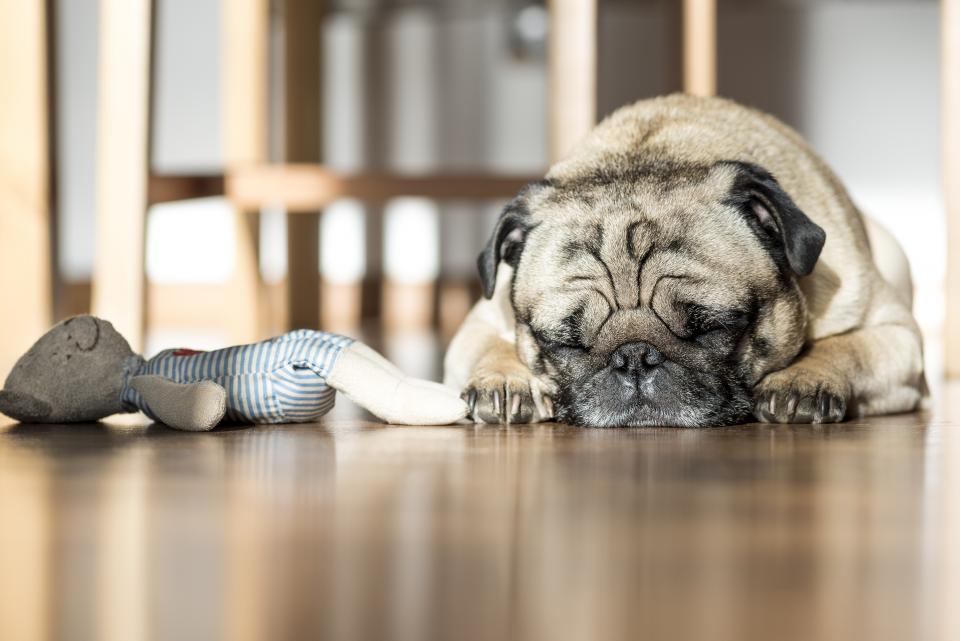
Dogs sleeping on their backs with all four legs in the air is more than just an adorable pose. When a dog exposes its belly in this vulnerable position, it indicates they feel completely safe in their environment. The belly and underbelly are among the most physically unprotected parts of a dog’s body. Choosing to leave them exposed during sleep is not accidental.
When dogs voluntarily flip onto their backs and expose their bellies, it shows they are fully relaxed and comfortable, letting their guard down. A dog only enters this position when they feel safe. In other words, if your dog is sleeping this way around you, that’s a reasonable sign they trust you and their surroundings completely.
The Belly Is Built for Heat Release
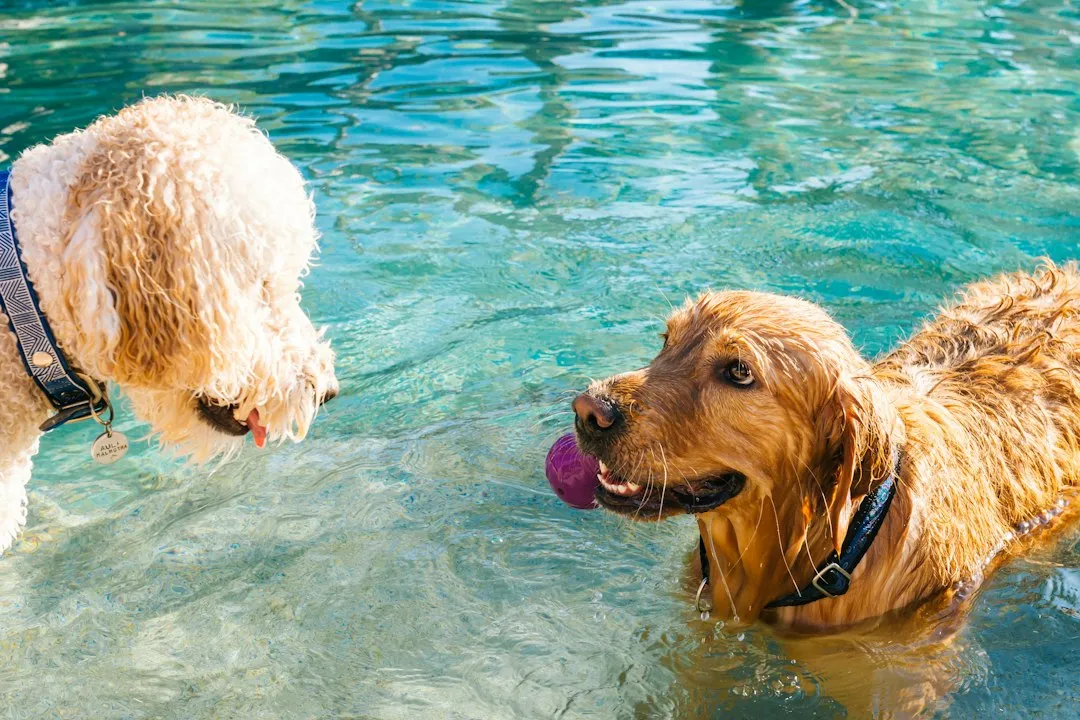
Unlike people who sweat to control their body temperature, dogs perspire through the pads of their feet. Because the belly and paw pads have less insulating fur, exposing those areas can help release heat more efficiently. Lying on their back allows air to circulate around the abdomen and paw pads, helping a dog cool down while resting.
Areas such as the abdomen, inner thighs, and chest have less fur and greater blood flow, allowing excess body heat to dissipate more efficiently when exposed to cooler air or surfaces. So that paws-up pose in summer is essentially your dog’s version of loosening their collar.
It Allows Full Muscle Relaxation
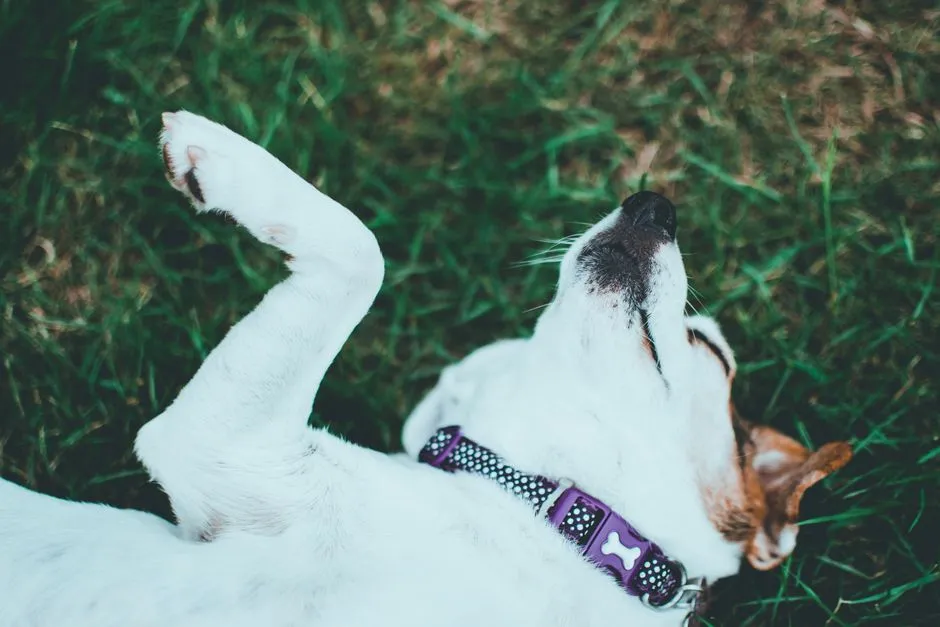
Dogs experience both REM and non-REM sleep, just like humans. Sleeping belly-up helps because nothing is compressed underneath them, the spine isn’t curved or restricted, and joints can fully release. Think of it like a person finally stretching out flat after a long day sitting curled at a desk.
Beyond trust and cooling, dogs sleep belly-up simply because it allows for complete muscle relaxation. When dogs achieve this level of physical relaxation, they’re often entering deep REM sleep. That twitching you sometimes see during this position is a good sign, not a bad one.
How Much Dogs Actually Sleep
Adult dogs sleep around 8 to 14 hours per day, and even more for senior dogs. Puppies sleep around 18 to 20 hours per day. With that much time spent horizontal, it makes sense that dogs develop strong preferences for certain positions. The belly-up pose is one that tends to emerge when a dog is truly settled in.
Scientists indicate that dogs most likely sleep to simply rest and wear out the day if they’re bored. With patterns sometimes fluctuating, a dog will usually spend roughly half its time sleeping, about a third moseying around, and the rest being playful. Sleep is clearly a major part of daily canine life, and the positions they choose reflect their physical and emotional state.
Puppies Do It More Than Adult Dogs
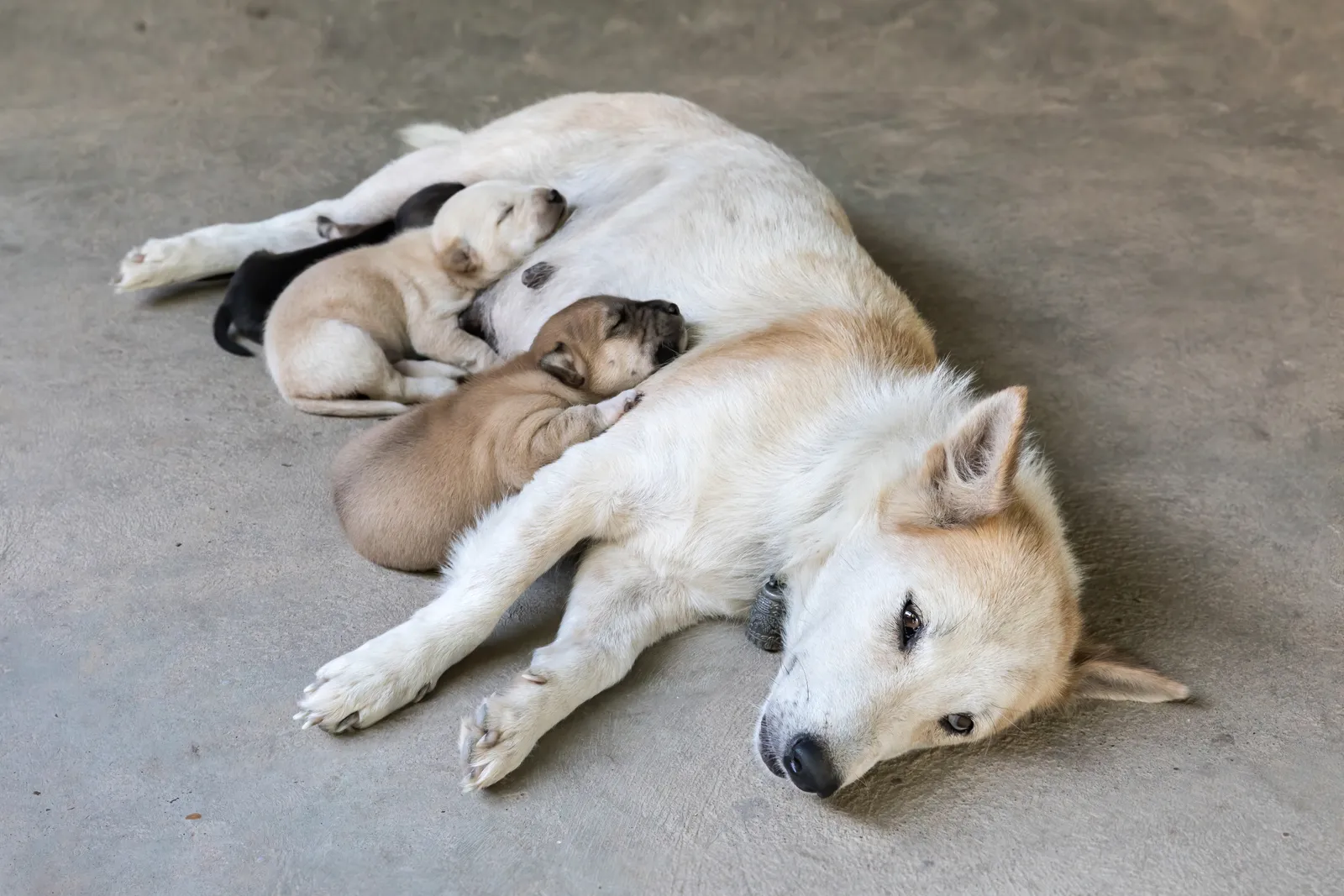
Puppies often sleep in this position more than adult dogs as they generally feel more secure. Senior dogs may do it less frequently due to joint stiffness. There’s a developmental logic to this. Young dogs haven’t yet built up the guarded instincts that life experience can install over time.
Puppies and smaller breeds may be more likely to sleep in this manner because they feel safe and secure. That said, any dog that consistently sleeps belly-up well into adulthood is likely a confident, well-adjusted animal who has simply never had reason to be on guard at home.
Certain Breeds Are More Likely to Do It
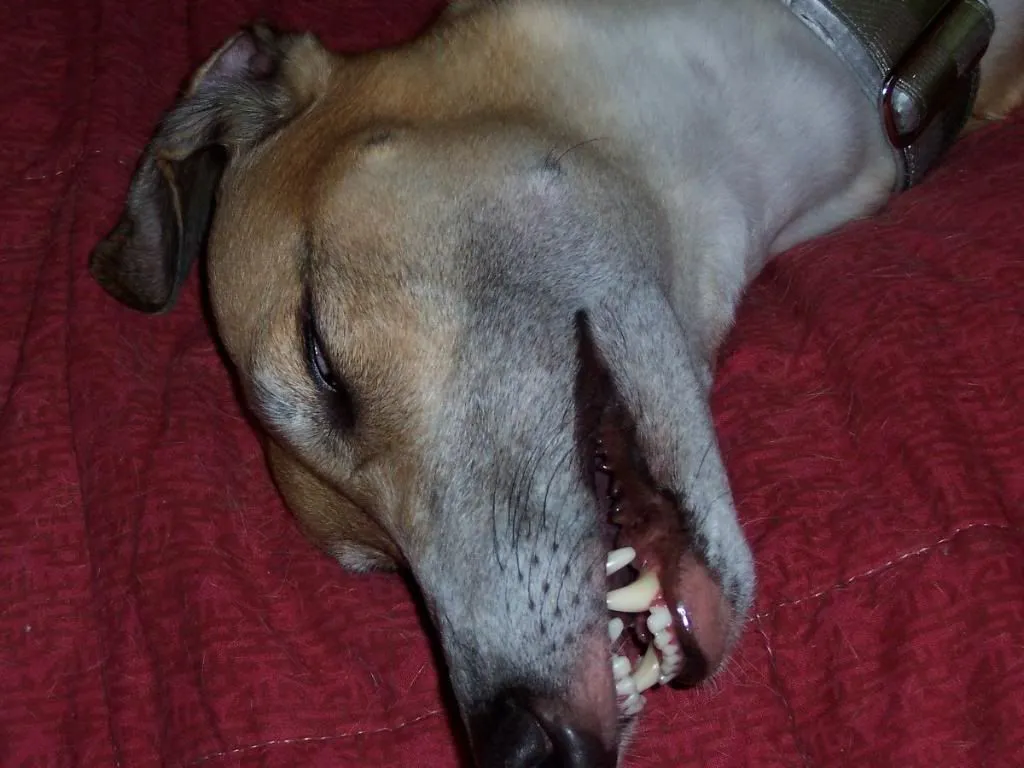
This sleeping position helps dogs cool down, as their belly fur is typically thinner. Some breeds with thick coats like Labradors or Golden Retrievers may do this more frequently. Dogs that run hot, either because of their build or coat thickness, have a stronger physical incentive to find ways to ventilate.
The belly-up position, sometimes dubbed “the dying cockroach,” is a noted favorite of Greyhounds, as well as other lovable canines. Greyhounds in particular have almost no body fat and thin skin, making heat management a constant consideration. Dogs that tend to be more relaxed, flexible, or heat-sensitive make belly-up sleeping more common overall.
The Position Can Reflect a Dog’s Personality
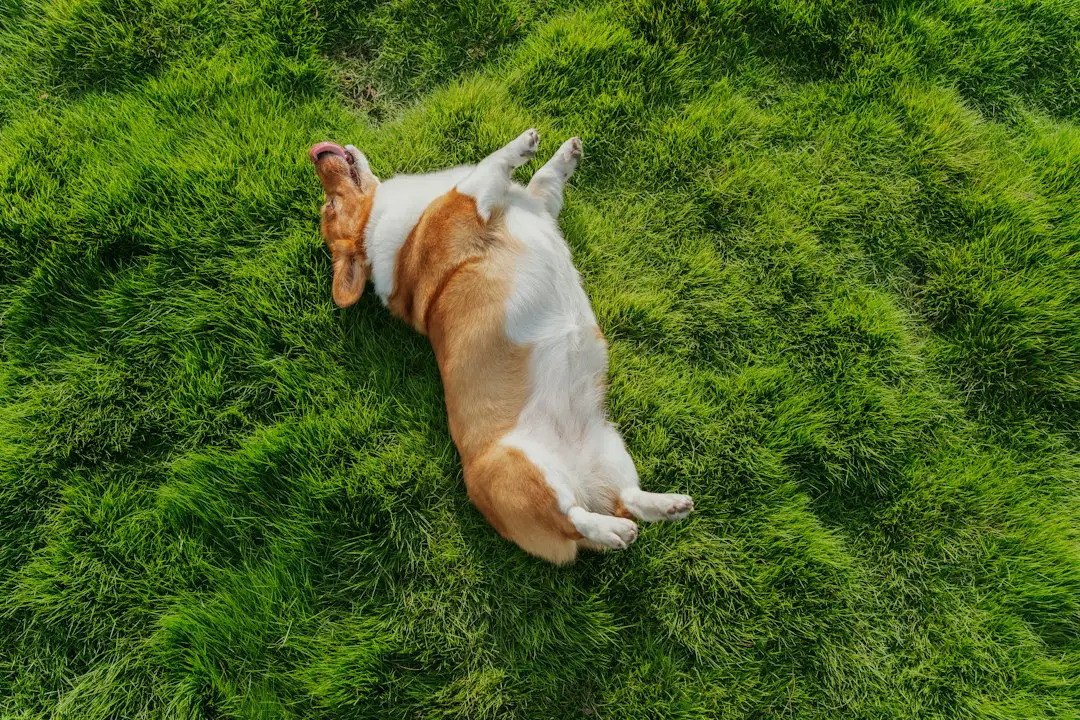
When your dog lays on his back with his feet in the air, it most likely means he is confident, independent, and comfortable in his environment. Sleep position, like many things in dog behavior, isn’t random. It tracks fairly closely with a dog’s general temperament and their sense of security at home.
Confident dogs tend to sleep sprawled out or belly-up. Dogs that are more anxious or uncertain tend to curl tightly into a ball, covering their vital areas instinctively. The different lying positions dogs assume can provide valuable insights into their mood, comfort level, and overall well-being. Whether they’re on their back, curled up, sprawled out, or leaning against you, each position communicates something unique about their state of mind.
It Signals a Healthy Stress Response
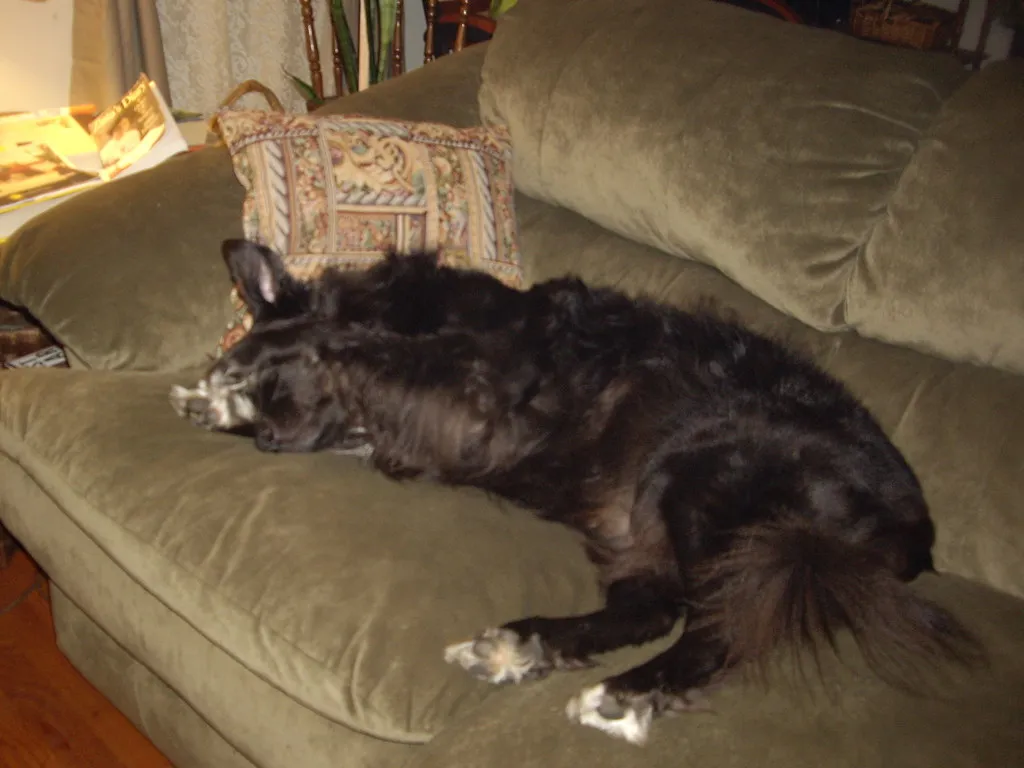
Belly-up sleeping can be a behavioural clue that a dog feels safe, settled, and downregulated, and that kind of baseline calm is generally compatible with healthy stress regulation. A dog that regularly sleeps in this open, unguarded way isn’t just comfortable in the moment. They’re showing you something about their baseline state.
Belly-up sleeping usually indicates that dogs feel secure, content, and free from stress. This posture supports deep muscle relaxation, proper joint alignment, and optimal body temperature regulation. When sleep and low stress come together like this, it generally supports a dog’s overall physical health over time.
When to Pay Attention to This Position
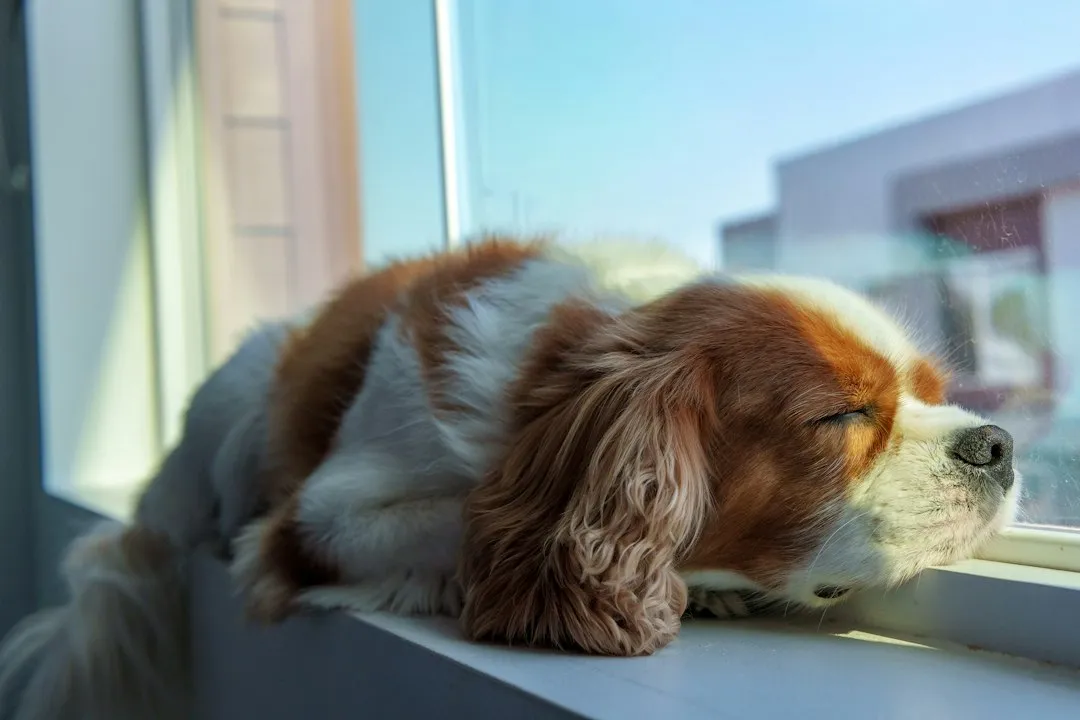
Dogs that suddenly start sleeping this way when they previously didn’t might be experiencing overheating. A new habit that appears abruptly can be worth monitoring, particularly in warmer weather or if your home’s temperature has changed. It doesn’t always signal a problem, but it’s worth noticing the context.
A sudden shift away from the belly-up pose can signal stiffness, back pain, or age-related changes, calling for a veterinary check. So the concern runs both ways. If your dog stops doing it after doing it regularly for years, that change in pattern is worth a conversation with your vet. Senior dogs and dogs with sore joints may actually find back sleeping more comfortable, so context matters a great deal.
It’s Not Something You Need to Discourage
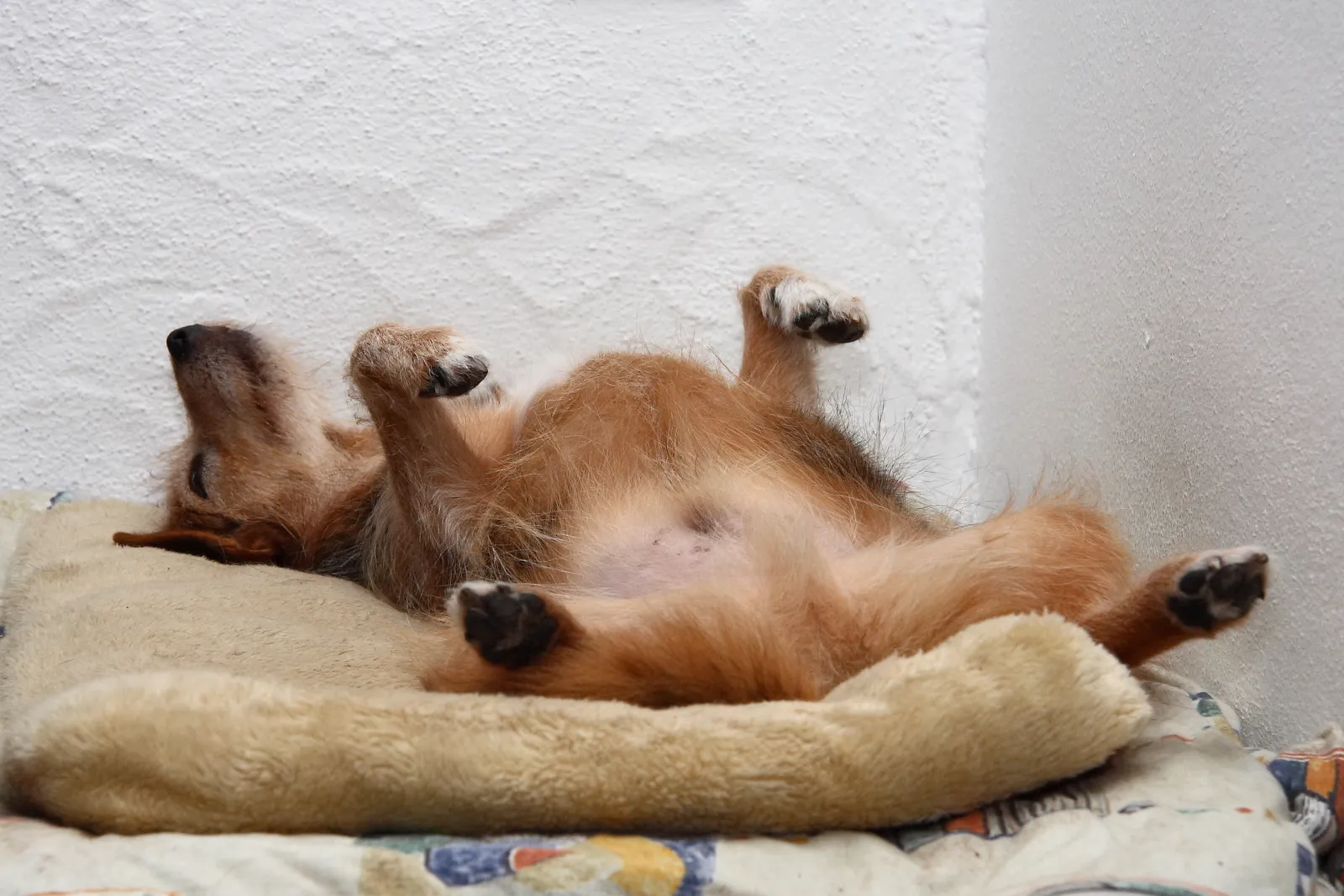
Unless there’s significant harm, like a breathing disorder, wearing the cone of shame after a vet visit, or a health condition, there’s no reason to stop your dog from sleeping paws up. Your canine chooses their sleep position based on their personality, and what’s available. Trying to reposition a relaxed, sleeping dog generally serves no one, least of all the dog.
The four-legs-up sleeping position is completely normal canine behaviour. Seeing your dog sleep this way means they feel perfectly at ease in your home. That’s something to feel good about rather than worry over.
What It All Comes Down To
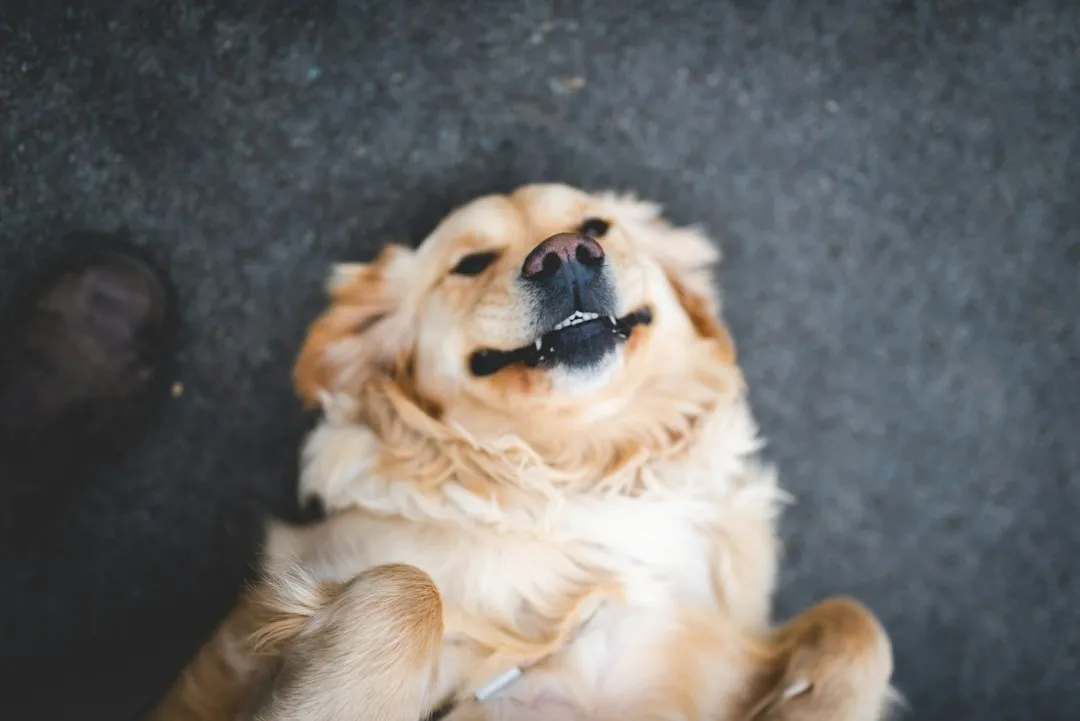
The legs-in-the-air pose is one of those small things dogs do that actually says a lot. It’s a sign of physical comfort, temperature management, and deep emotional ease all at once. It developed from instincts that go back further than domestication, yet today it plays out most reliably in dogs that feel genuinely safe at home.
If your dog routinely turns into a fluffy, upside-down spectacle on the couch or the bedroom floor, that’s arguably the most direct expression of contentment a dog can offer. No words required. Just four paws in the air and a dog that has decided, without any reservation, that the world is fine.
AI Disclaimer: This article was created with the assistance of AI tools and reviewed by a human editor.