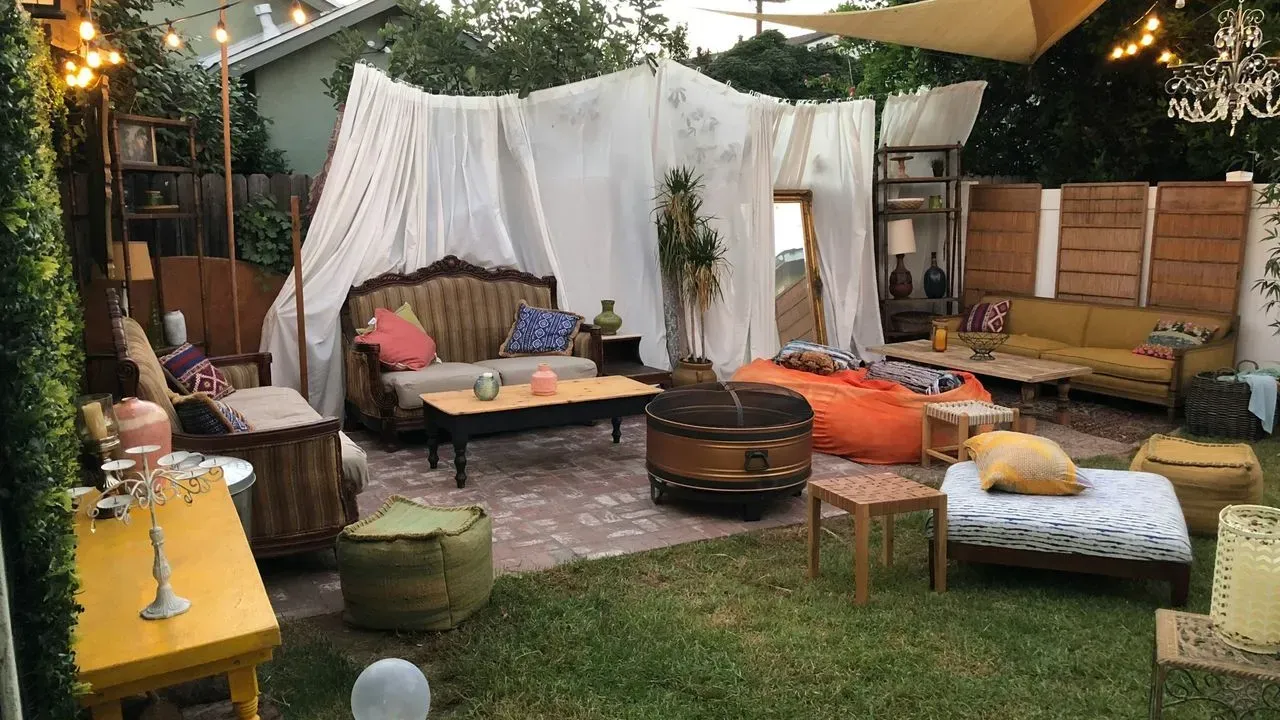

Many homeowners assume a comfortable outdoor lounge requires acres of land or a costly overhaul. Better Living takes a different view in a recent ([1])lifestyle piece, arguing that a polished yard can deliver many of the comforts guests expect from a boutique hotel. The core idea is simple. Give the space one clear purpose, then repeat a restrained mix of materials, colors and plants so the result feels deliberate rather than crowded.
Design the Space Around One Purpose
Resort cabanas tend to feel inviting because every element has a role. A backyard can follow the same logic. Start with deep, weather resistant seating, a low table and enough shade to keep the area pleasant through the afternoon. Shaded seating matters more than decorative extras, since it determines whether people actually linger.
Color works best when it stays narrow. Two or three shades, such as warm white, sand and muted green, give the area a unified look. Texture can then add depth through cushions, outdoor curtains and woven baskets, all within that same limited range.
Small touches carry much of the polish. A side table for drinks, hidden storage for towels and one large planter typically look more refined than a collection of scattered ornaments. Leaving open floor space around the furniture keeps the arrangement calm and easy to move through.
Screen the Lounge Without Boxing It In
Privacy is what allows a lounge to feel restful, yet a tall solid wall can make a small yard seem closed off. Layered screening offers a softer alternative. A slatted panel placed near the seating, combined with tall planters or narrow evergreen shrubs, breaks up direct sightlines without turning the space into an enclosure.
Screening is most effective where it counts. Placing it behind a daybed or beside a dining table protects the spots where people sit for long periods, while the rest of the yard stays open. Plants can also do double duty, adding height and seasonal color while blocking views from neighboring windows.
Give the Lounge a Defined Structure
A defined structure gives the backyard a visual center and makes furniture placement easier. Measure the seating group before choosing a size. The source suggests allowing roughly 30 to 36 inches for comfortable movement around chairs and tables, which keeps posts and planters from crowding the usable floor.
For a clean, architectural look, the Hansø line of pergolas and outdoor living solutions is one option the source points to, describing it as a blend of Scandinavian design and American engineering. Finishes that echo the window frames, trim or exterior details tie the structure to the house. Positioning matters as well, because the shade a pavilion provides is only useful if it falls where people sit.
What matters now
- Check local height limits and neighborhood rules before installing permanent screening or structures.
- Confirm the installation surface, drainage pattern and afternoon sun direction before ordering a pavilion.
- Watch the area for a full day to learn how many hours of direct sun it receives before buying plants.
- Choose outdoor rated fixtures, cords and connections, especially near sprinklers or exposed garden beds.
Let Evening Light Do the Work
Good outdoor lighting should guide people safely while creating a warm glow across the lounge. A single bright fixture tends to flatten the mood, so the source recommends several low intensity sources instead. Shielded lights near steps, warm white lighting beneath the pavilion and a rechargeable lamp on the coffee table can work together to build a softer scene.
Fixtures aimed downward reduce glare and limit spill onto neighboring properties. Bulbs in the 2200K to 2700K range produce a soft, candlelike appearance. Smart controls can be set to switch on shortly before sunset, so the yard is ready without any extra effort at dusk.
Keep the Plant Palette Tight
Plants shape the mood as much as furniture does. The source advises choosing a limited palette suited to the local climate, sunlight and available irrigation, repeating three to five varieties around the patio. Evergreens supply structure through the year, while long blooming perennials add seasonal color without frequent replacement.
Large containers generally dry out more slowly than small pots and make a stronger visual statement. Grouping planters in odd numbers, varying their height while keeping materials consistent, reinforces the restrained look. Thorny plants belong away from walkways, and mature sizes should be considered so shrubs do not overwhelm the lounge over time.
A Retreat You Will Actually Use
The final touch can be as simple as a tray kept ready with outdoor glasses, cloth napkins and a rechargeable table lamp. Such details make the lounge easy to use on an ordinary weeknight, not only when guests arrive. Meanwhile, the underlying principles stay the same: a clear purpose, shade, soft light and a repeated, limited palette.
For homeowners weighing a backyard upgrade, the most useful lesson may be that restraint carries more weight than scale. A small patio, arranged with intention, can feel as considered as a far larger space.
AI Disclaimer: This article was created with the assistance of AI tools and reviewed by a human editor.