

Walk into any paint store and you’ll find hundreds of swatches arranged in careful gradients, each one carrying a name designed to evoke a feeling. Moody Slate. Warm Parchment. Sage & Stone. We tell ourselves the choice is purely aesthetic, something about light or furniture. Research suggests otherwise.
Color is a powerful tool known to affect our emotions and behavior, and advocates of color psychology believe the colors we use to decorate our homes are not just a matter of aesthetics but are also reflections of our personalities. The connection runs deeper than most people expect, and the evidence for it has grown considerably in recent years.
Red: Bold, Passionate, and Unafraid to Be Noticed

Red makes a statement. If you’re drawn to red, you’re likely confident and unafraid to stand out. This color signals energy, intensity, and passion. People who reach for red paint tend to have an assertive social presence and a genuine appetite for stimulation.
Prolonged exposure to red can also evoke feelings of aggression and frustration, which is part of why designers often use it as an accent rather than a full wall commitment. The fact that someone still chooses it, knowing that tension, says something about their comfort with intensity.
Research published in the Applied Psychology Review in 2025 found that warm colors like red were significantly correlated with extraversion, agreeableness, and conscientiousness. So that bold crimson kitchen isn’t just a design flex. It may be a personality fingerprint.
Blue: The Calm Achiever Who Craves Stability
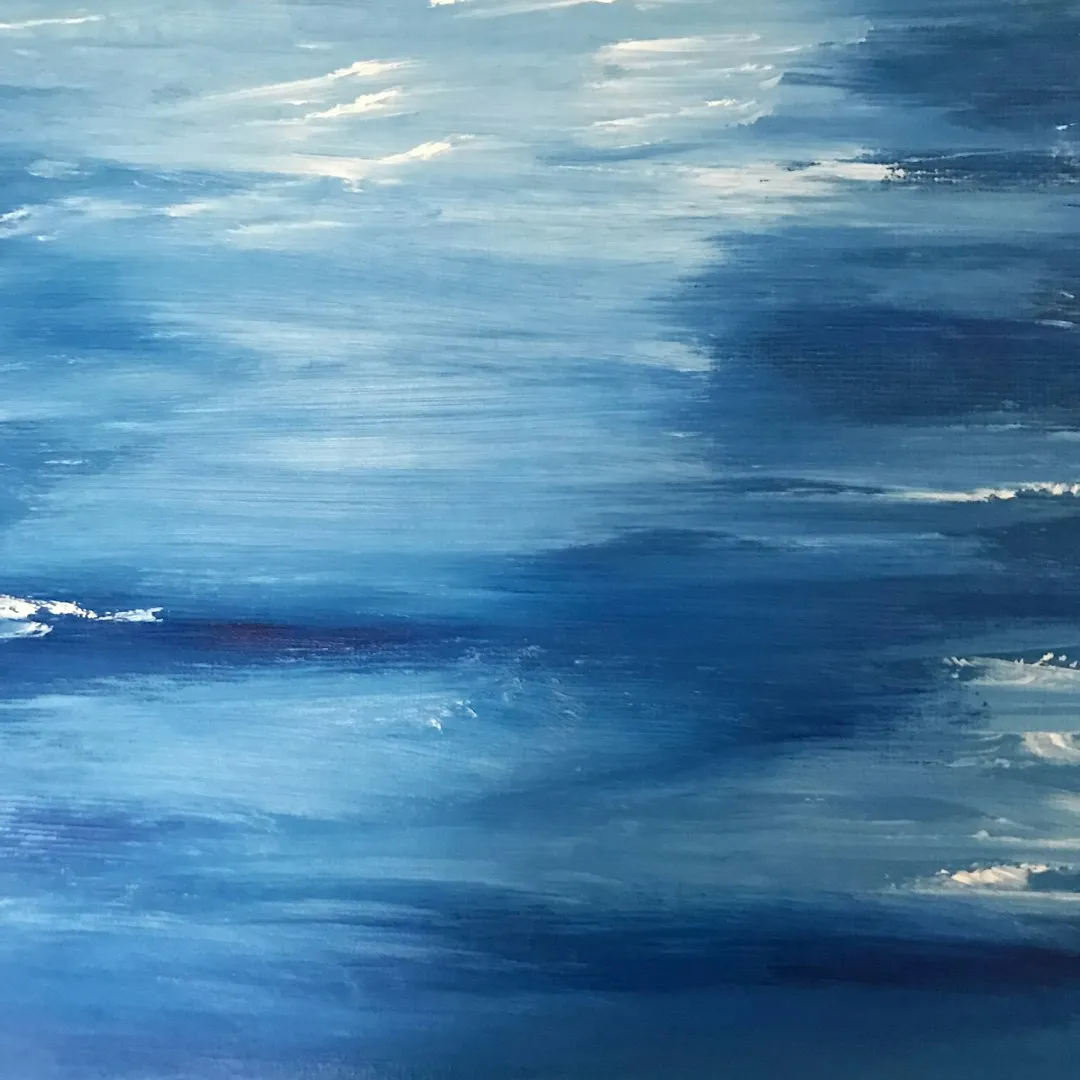
Blue is associated with tranquility and stability. If blue dominates your home, you likely crave peace and emotional balance. It’s one of the most universally chosen home colors, and that consistency across cultures points to something genuinely psychological rather than merely fashionable.
A study published in Frontiers in Psychology tracked 443 university students living in six identical buildings that differed only in interior wall color. Blue interiors were the clear favorite, followed by green and violet. When people are free to pick without influence from trends or cost, blue wins.
In lab studies, blues and greens were rated less arousing than red, which is one reason blues are popular in bedrooms, bathrooms, and reading corners. If your bedroom is painted a soft navy or dusty slate blue, you’re probably the type who treats rest as a serious priority.
Yellow: The Optimist’s Wall Color
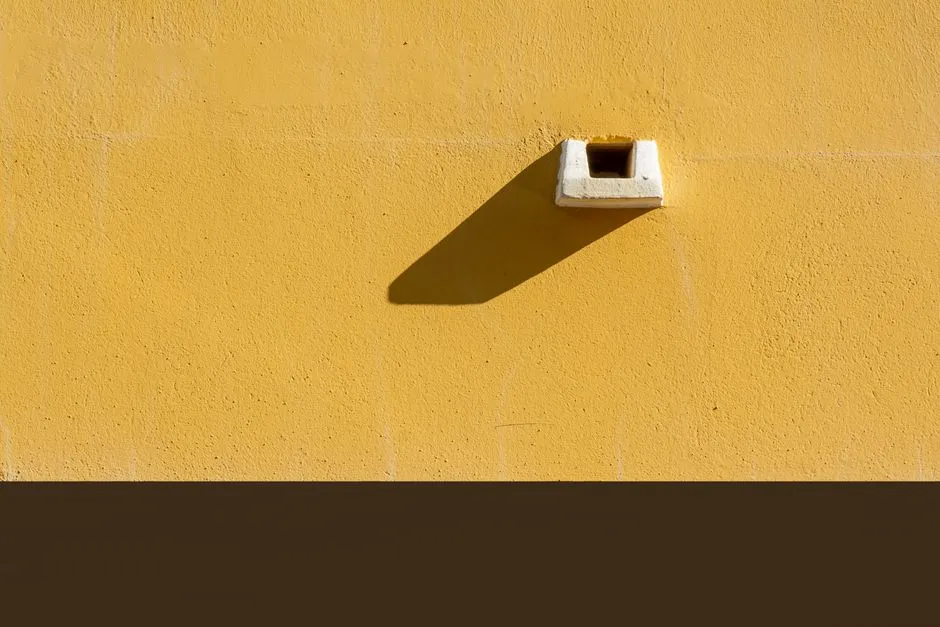
Those who identify with the color yellow are typically optimistic, always looking on the bright side of life. There’s a reason yellow is statistically rare on walls despite being universally recognized as cheerful. It takes a certain kind of conviction to commit to it fully.
A systematic review of 128 years of psychological research found that yellow and orange are associated with positive, high arousal emotions. Choosing yellow for a living room or kitchen isn’t accidental. It reflects a desire to energize the space and the people in it.
Research by Jonauskaite and colleagues found that depressed participants showed a markedly stronger preference for gray compared to non-depressed participants, who more consistently preferred yellow. Participants associated yellow with happiness and gray with sadness, suggesting that color preference may partly reflect current affective state. In other words, a yellow wall might reveal less about your taste and more about your general outlook on life.
Green: The Nurturer With Deep Roots
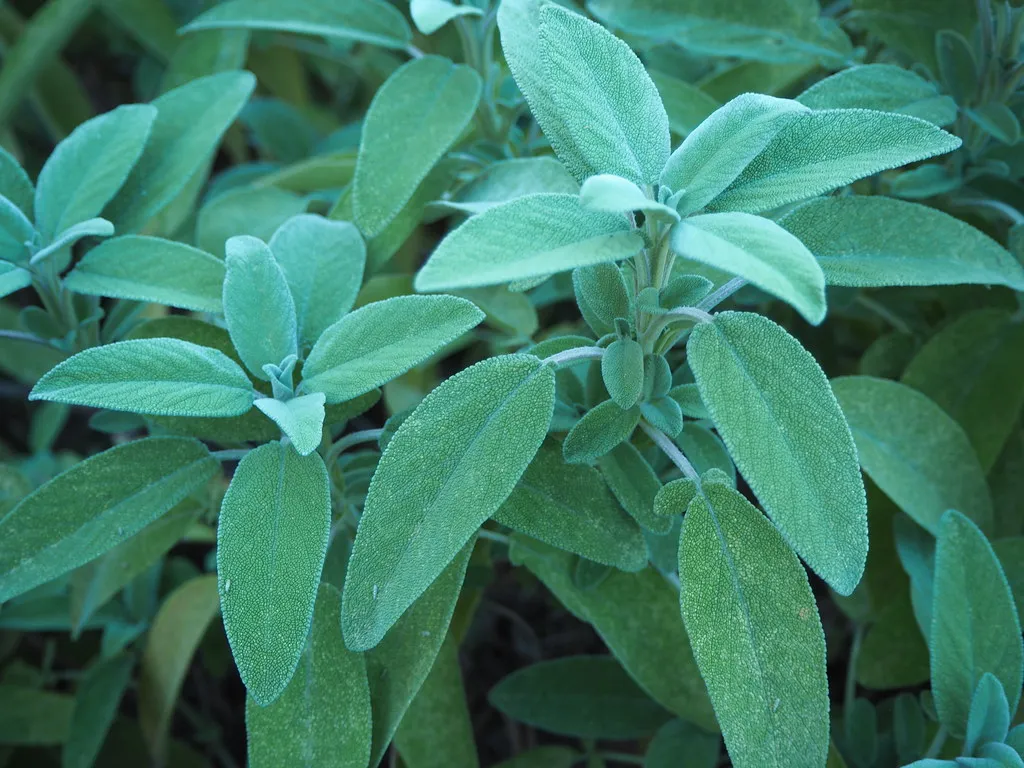
Green is linked to personality traits including being patient and nurturing, environmentally conscious, and valuing harmony and wellness. It’s a color that tends to appeal to people who think in long arcs, who care about sustainability, slow living, and genuine connection to the natural world.
Research on the Big Five personality framework found that openness to new experiences was predicted by green, purple, and white preferences. Green in particular bridges the gap between calm and curiosity, making it appealing to people who are thoughtful but not timid.
The same comprehensive review noted that green and blue-green are associated with positive, low arousal emotions, which maps neatly onto the kind of personality that prefers considered conversation over loud social gatherings. A sage green dining room tells you something real about who chose it.
Orange: Social, Warm, and Genuinely Enthusiastic
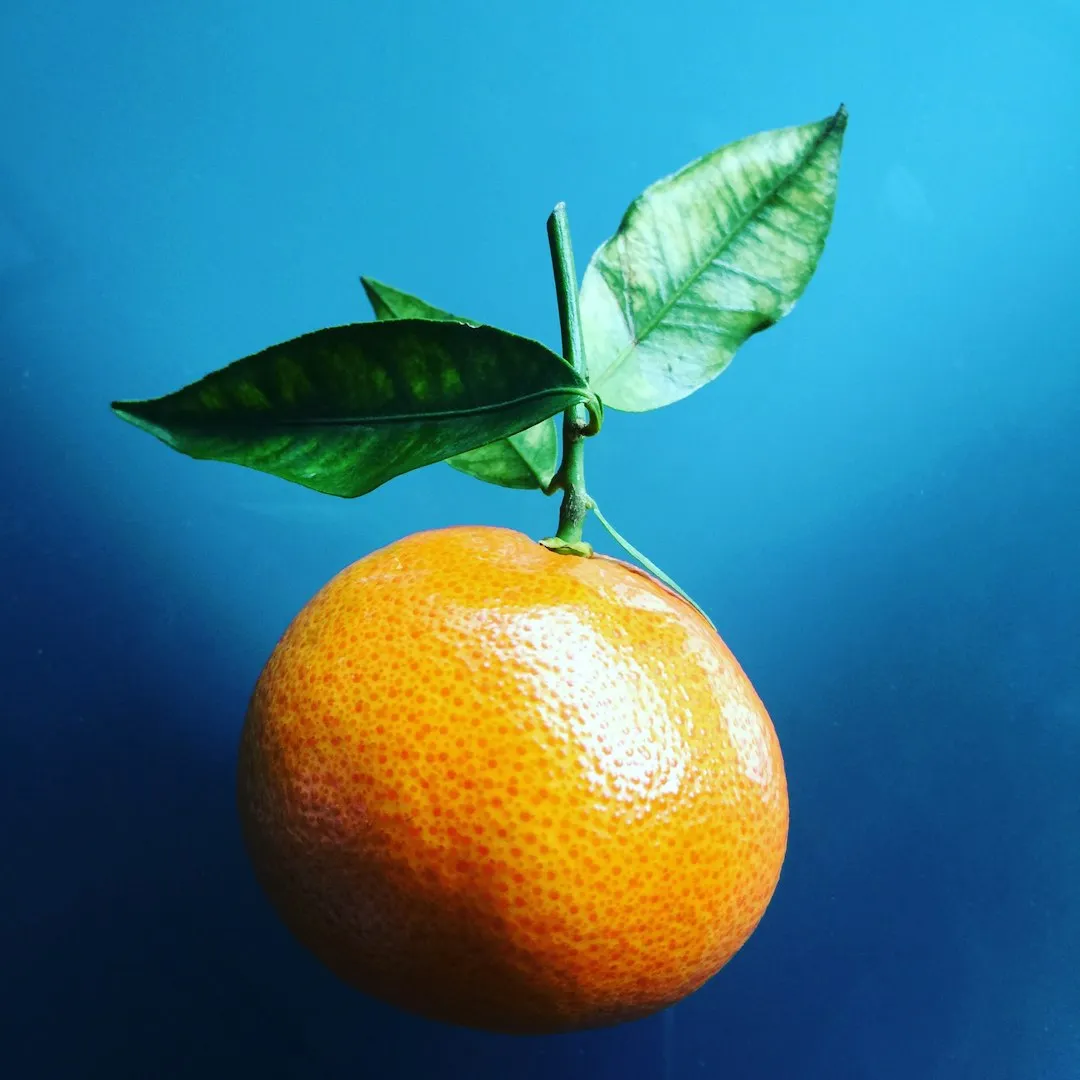
If you are attracted to orange tones, your personality radiates energy and vitality. You are the social butterfly, the nurturer, the conversation starter. Orange is a commitment. It’s not a color people stumble into by accident.
Research has found that orange tones are common among people scoring high on agreeableness and openness to experience. Those two traits together describe someone who genuinely enjoys people and welcomes new ideas, which makes orange a fitting choice for kitchens and social spaces.
The 128-year review of color-emotion research confirmed that orange is consistently associated with positive, high arousal emotions, meaning the orange-walled house probably has loud dinner conversations, spontaneous gatherings, and a refrigerator that always has extra food in it.
Purple: The Creative Thinker and Independent Spirit
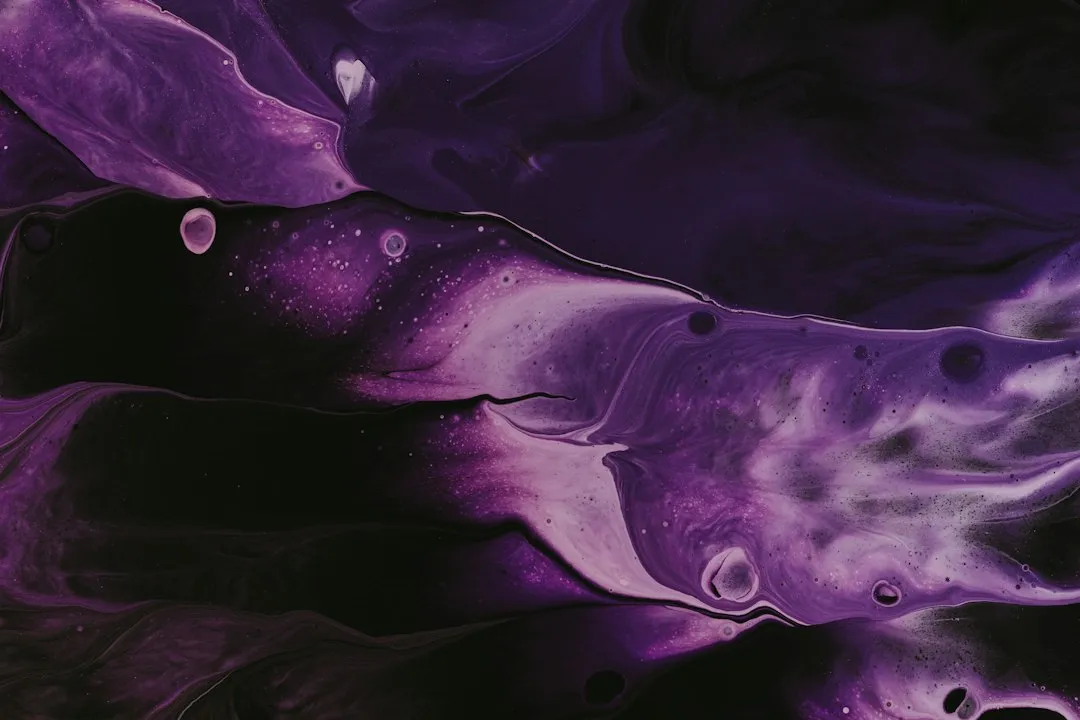
Purple is thought to encourage creativity and problem-solving. It sits at an interesting crossroads between the warmth of red and the calm of blue, and people who choose it for their walls often reflect that same tension: imaginative and grounded, intense and thoughtful.
The systematic review of color-emotion research categorized purple as being associated with empowering emotions, which puts it in a category of its own. It doesn’t just comfort or stimulate. It seems to lift. That’s a meaningful distinction when you’re choosing what surrounds you daily.
Openness to new experiences, one of the Big Five personality traits, was predicted by preferences for green, purple, and white. Purple-preferring personalities tend to resist convention, which may also explain why purple remains a relatively rare and deliberate wall choice.
Gray: The Composed and Carefully Considered

Gray sits between the opposing anchors of black and white, and it is sometimes associated in personality frameworks with a cautious, deliberate decision-making style. It is also associated with neutrality and professionalism, a color that tends not to declare strong preferences, which may itself be a meaningful personality signal.
Color preference research consistently links gray-lovers with traits like conscientiousness, caution, and a preference for predictability over novelty. This isn’t a criticism. Conscientiousness is one of the most reliable predictors of long-term success across careers and relationships.
Marketing and consumer psychology research has repeatedly found that muted, low-saturation colors like gray get associated with competence and reliability, similar to how blue gets read as trustworthy. The gray-walled home office may be less a stylistic choice and more an honest self-portrait.
White: The Minimalist With High Standards
In color psychology, white environments are linked with openness and the absence of clutter, which can feel freeing to some people and sterile to others. The people for whom it feels freeing tend to share a particular set of values: clarity, control, and an aversion to visual noise.
White’s association with purity and simplicity is well documented, though the same research notes that all-white rooms can feel cold without warmer accents. That tension between purity and coldness is worth sitting with. The personality drawn to all-white spaces usually prefers simplicity in other areas too, from relationships to schedules.
In Big Five research, white was associated with self-discipline and emotional calm, which aligns with what most observers notice when they step into a truly minimal white home: everything has a reason to be there. Nothing is accidental.
Dark Tones (Black and Deep Charcoal): Confident, Refined, and Deliberate
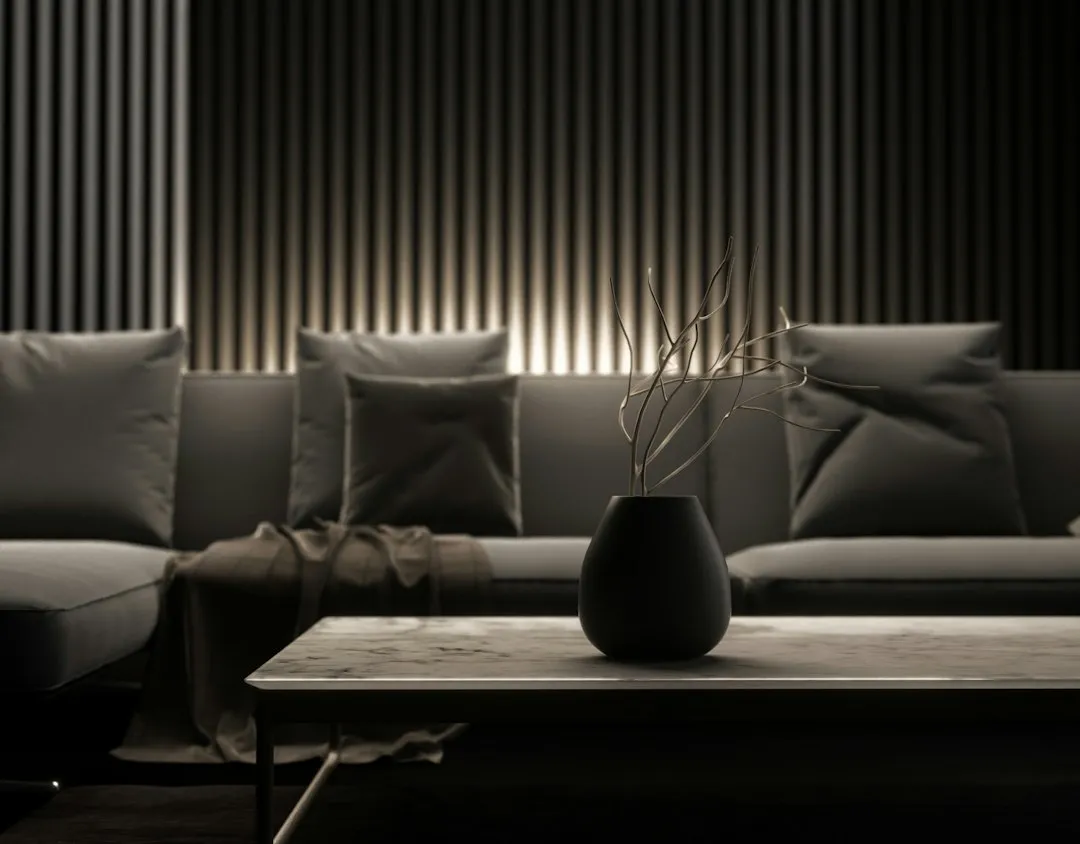
Dark walls are a deliberate choice. They often reflect confidence and a strong sense of personal style. Nobody ends up with a near-black living room because they couldn’t make up their mind. It takes real conviction to go dark, and that conviction usually runs through other areas of their life too.
Personality traits often linked to dark wall colors include being self-assured, artistic or design-forward, and appreciating depth and contrast. These aren’t coincidental overlaps. Someone who chooses charcoal is typically drawn to nuance in general, whether that’s in film, literature, or the people they surround themselves with.
Research confirms that black is associated with empowering emotions but also with negative affect, which is part of what makes it such a complex and interesting choice. The people who wear that complexity well tend to find it clarifying rather than heavy.
Warm Neutrals (Beige, Cream, and Earth Tones): Comfort-Seekers With a Quiet Confidence
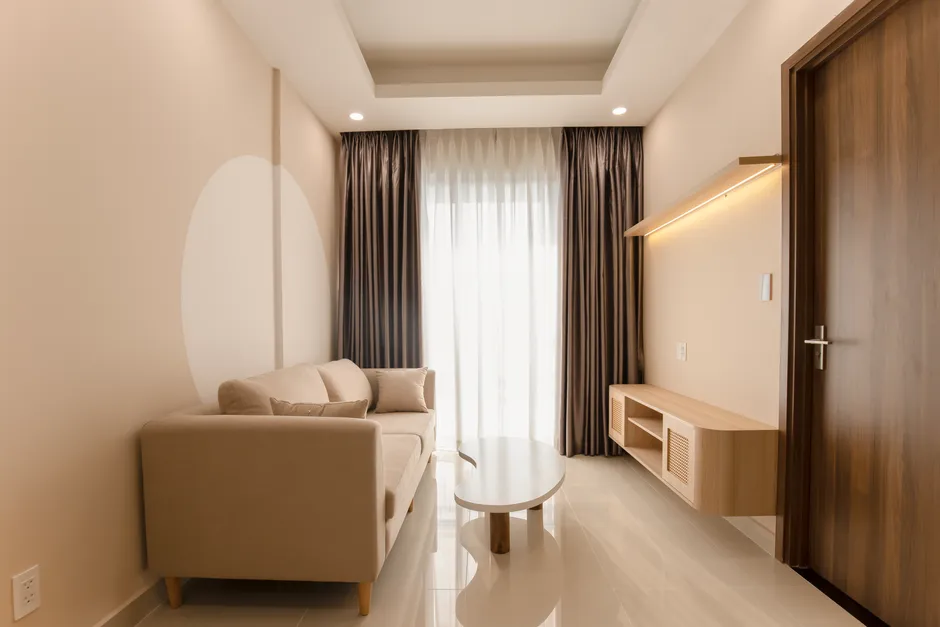
Psychologically, brown and warm earthy hues are associated with stability, reliability, and warmth. They often subconsciously remind us of simpler, more organic living. The surge of these tones in recent years isn’t just a design trend. It reflects a broader cultural desire to feel grounded.
People who live in environments that lower their body temperature tend to prefer warm colors, while those in warmer environments prefer cool tones. Warm neutrals sit exactly at that psychological comfort point, neither demanding nor withdrawing, just present and steady.
Research from the University of Wuppertal’s Institute for Evidence-Based Color Psychology found approximately 70% agreement between color profiles and personality traits, and suggests that color choice is a sensitive, nonverbal expression of psychological dispositions. People drawn to warm creams and taupes tend to value security, belonging, and environments where others feel immediately at ease. It’s a form of hospitality built into the walls.
The Takeaway
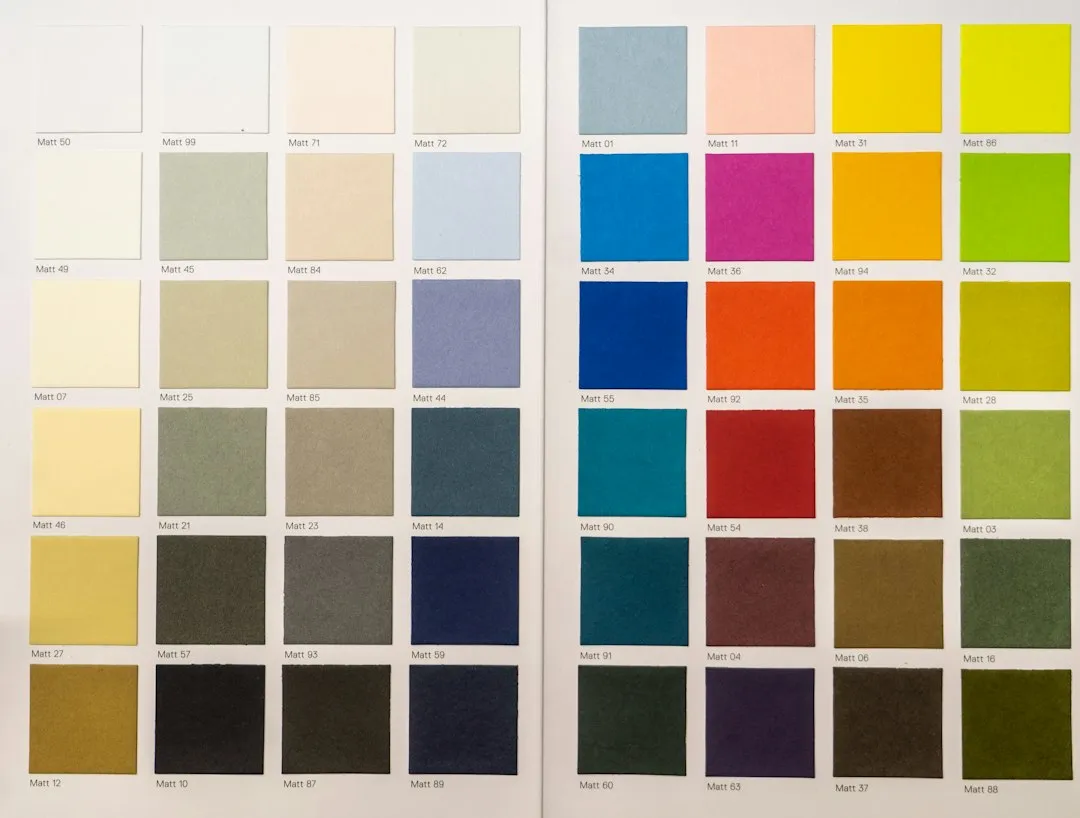
The colors on your walls are rarely random. They’re choices made in a moment of preference that research increasingly suggests connects back to something more stable: who you actually are.
A body of scientific research does suggest modest correlations between color preference and certain personality traits, particularly when using validated personality measures such as the Big Five model. These correlations are real, but they are far from diagnostic. Knowing someone’s wall color won’t give you a full psychological profile, and that’s probably a good thing.
What the evidence does confirm is that color choices in the home correlate with mood and cognitive performance, though cultural background and personal history shape those associations too. So the next time you pick up a paint swatch, notice which ones your hand reaches for first. That instinct might be telling you something worth hearing.
AI Disclaimer: This article was created with the assistance of AI tools and reviewed by a human editor.