
That ish film creeping along your shower grout lines is one of those things most people scrub away without really thinking about. It comes back within a week or two, same spots, same color, same faint sliminess. Something is clearly living there.
The cause is more specific than most homeowners realize, and once you understand what’s actually happening at the surface level, the fix becomes a lot more logical than just reaching for a spray bottle.
It’s Not Mold at All
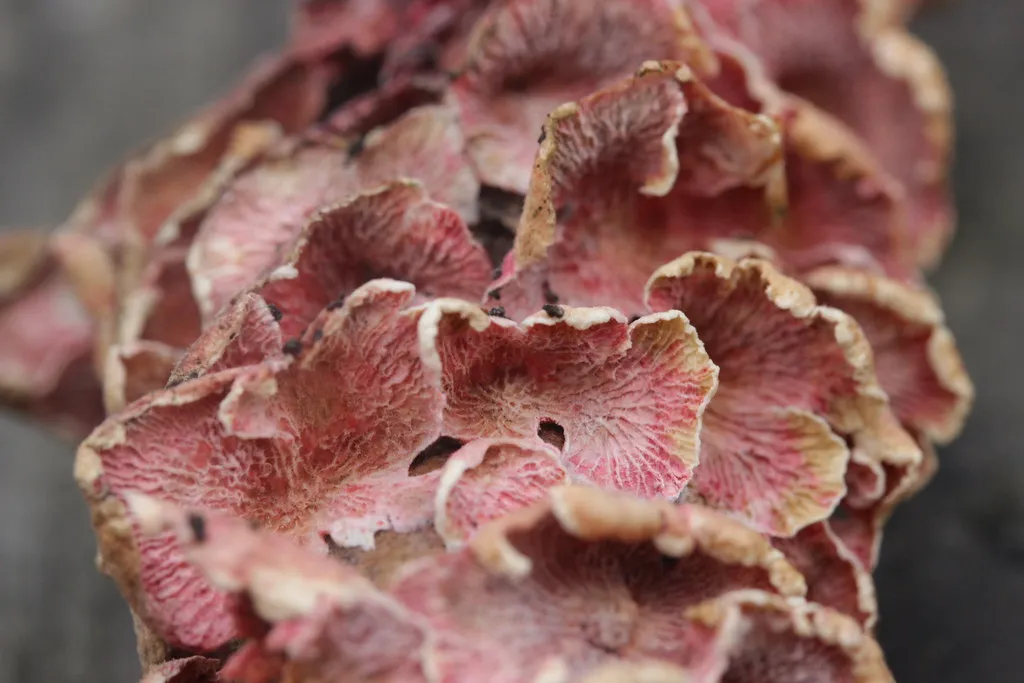
Most people call it “pink mold,” but it’s actually a bacterium called Serratia marcescens. This distinction is important because fungal mold and bacteria respond to entirely different treatments. It’s not technically a mildew or mold at all, and that matters because mold-killing approaches like vinegar don’t fully work on Serratia.
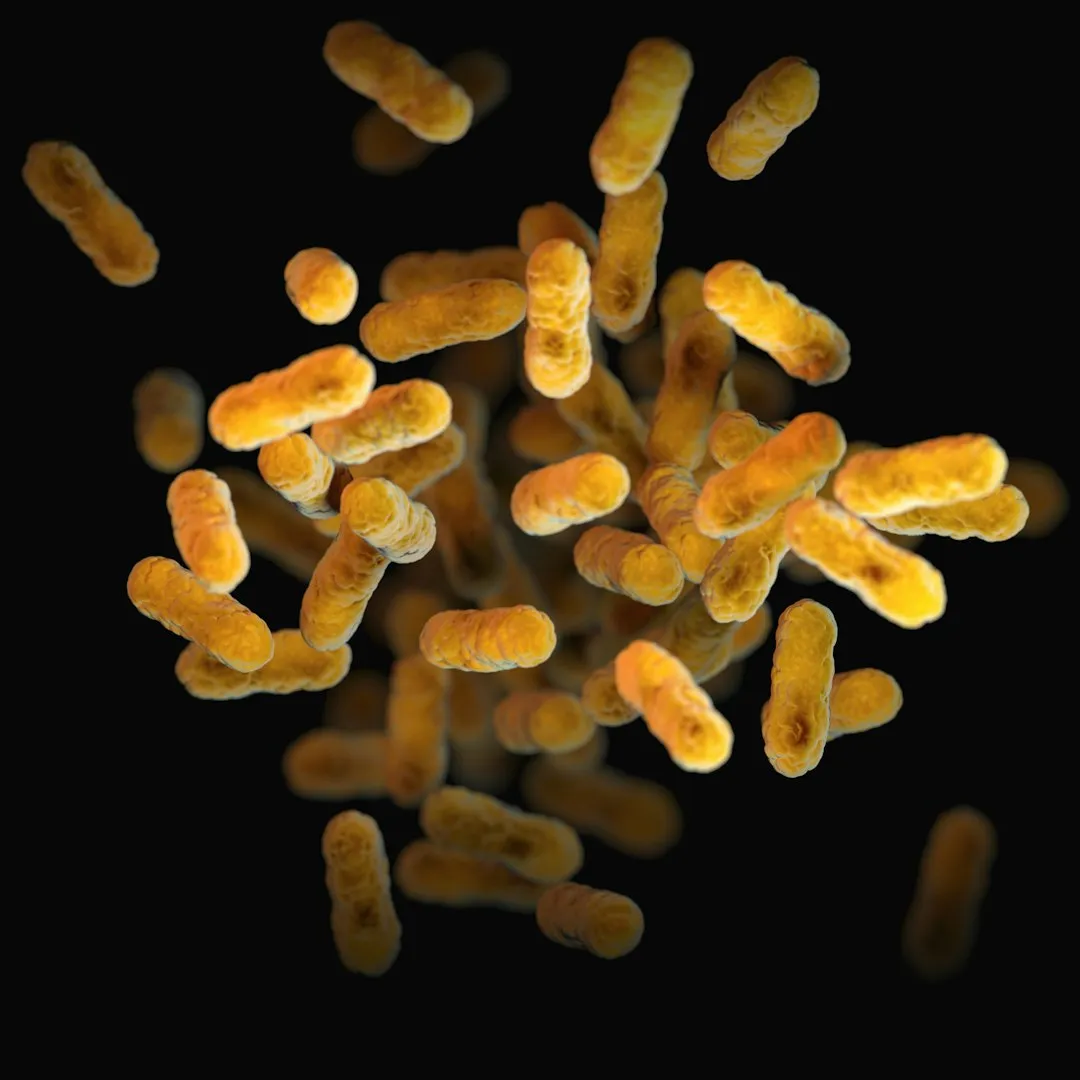
The pink or orange biofilm in your bathroom is almost always Serratia marcescens, a rod-shaped bacterium, not a fungus. Reaching for a standard mold remover won’t cut it. Understanding what you’re dealing with is the first step toward actually getting rid of it.
The Science Behind the Pink Color
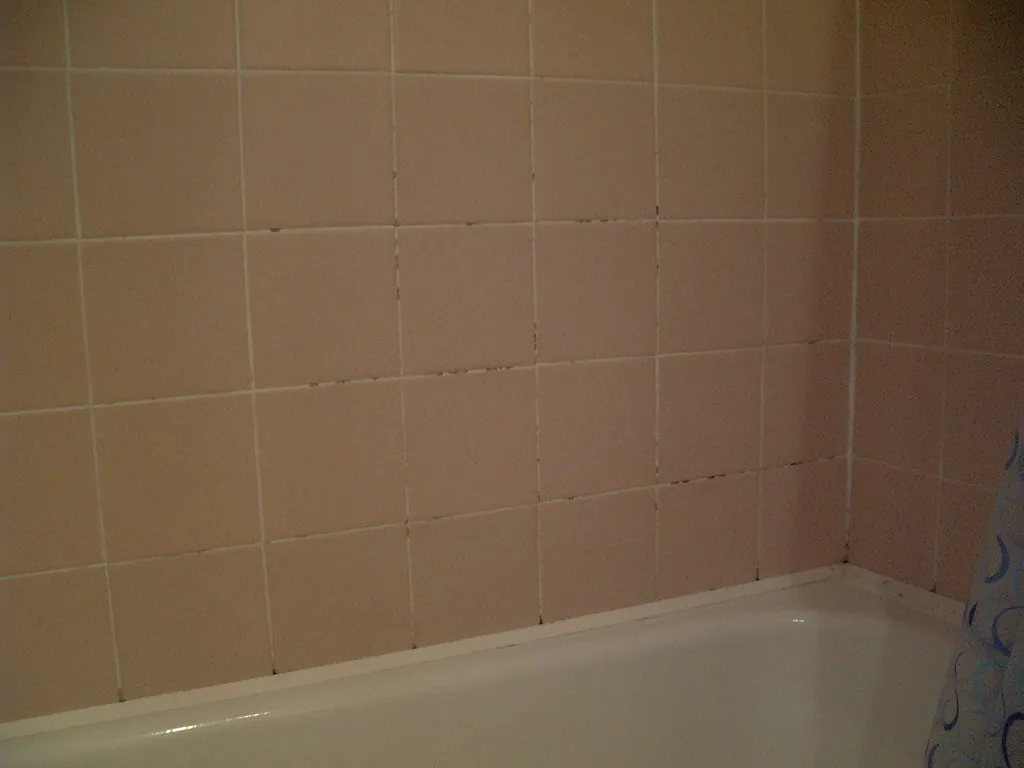
Serratia marcescens is a gram-negative, rod-shaped bacterium that produces a red-pink pigment called prodigiosin. This pigment is what gives grout, caulk, and shower curtains that distinctly unsettling rosy hue. The pink color is a pigment the bacterium produces called prodigiosin, which is essentially useless to the bacterium itself but serves as a handy visual signal for us that it’s there.
Prodigiosin production is highest at temperatures around 22 to 30 degrees Celsius and drops sharply at human body temperature, which is why the bacterium often looks colorless in clinical cultures grown at body temperature but stains bathroom fixtures pink at room temperature. That’s why the color is most vivid in cool, ambient air rather than at skin temperature.
Where Serratia Marcescens Comes From
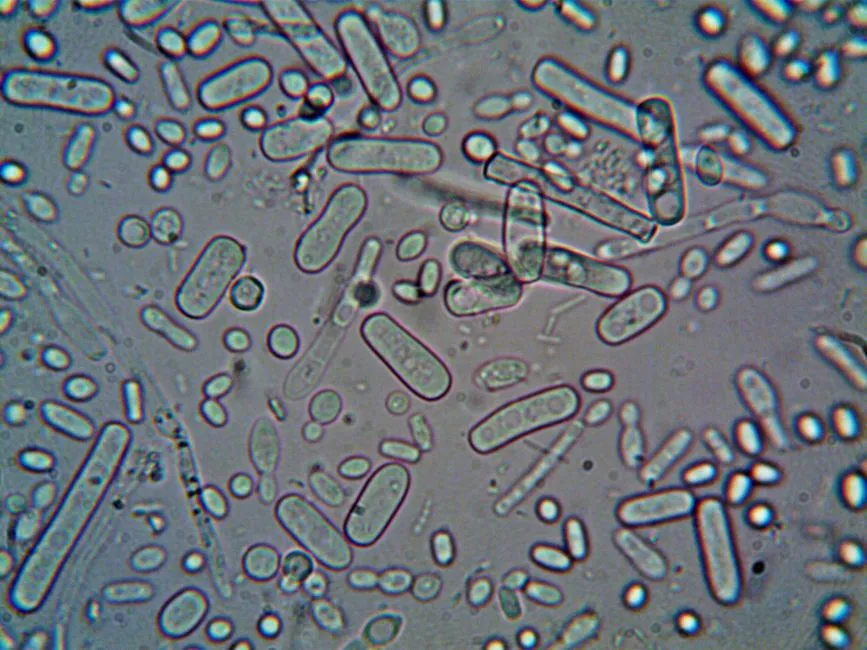
Serratia marcescens is an airborne bacterium found naturally in soil and water. It doesn’t emerge from your pipes or breed exclusively in your bathroom. It’s airborne, common in indoor environments, and settles wherever water sits long enough for a biofilm to form, including shower grout, around drains, the underside of bath toys, toothbrush holders, and the rubber seals on shower doors.
The bacterium is present everywhere in indoor air and only becomes visible when conditions favor colony growth: standing moisture, soap film, and warm temperatures. Every time you shower, you’re essentially creating ideal conditions for it to settle and multiply.
Why Grout Is Especially Vulnerable
Grout is particularly vulnerable because its porous texture gives bacteria a physical structure to anchor into, making the biofilm harder to scrub away mechanically. Smooth tile surfaces are far easier to clean and dry thoroughly. Grout, by contrast, holds onto moisture and organic material in a way that tile simply doesn’t.
Sealed grout is less porous and gives bacteria fewer places to establish below the surface. Old, cracked, or unsealed grout is significantly more hospitable to bacterial colonization, which explains why older bathrooms tend to see the problem more frequently and more stubbornly.
Soap and Shampoo Are the Main Food Source
Serratia marcescens feeds off phosphorus-containing materials or fatty substances such as soap and shampoo residue. Every time someone showers, a thin layer of these substances coats the grout. That invisible film is essentially a buffet for the bacteria that settle out of the air.
Bar soap leaves a “soap scum” of fatty acids on surfaces, which is a primary food source for Serratia. For households with persistent pink residue, switching to liquid soap from bar soap reduces the fatty residue that feeds the bacteria. It’s a small habit change that can make a real difference over time.
Warmth and Humidity Create the Perfect Environment
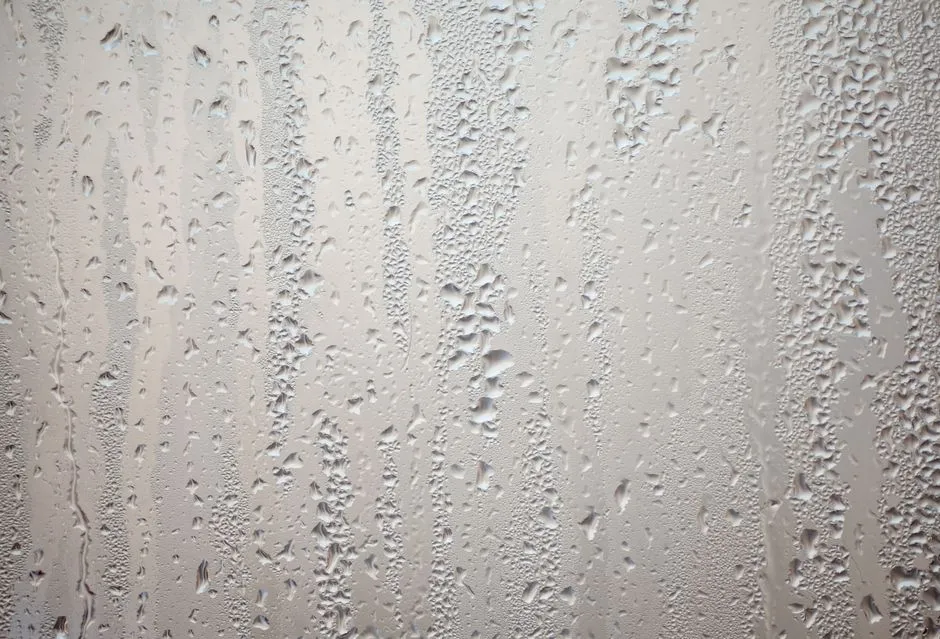
Five conditions feed Serratia: standing water, humidity above 60 percent, soap residue, temperature above 18 degrees Celsius, and damaged silicone. Most bathrooms check all five boxes after a hot shower. Given moisture, warmth above 18 degrees Celsius, and a food source, Serratia forms biofilm colonies within 48 to 72 hours.
Unlike many fungal molds that need elevated relative humidity in the air, Serratia marcescens can establish a biofilm on a surface that is simply wet, making any poorly dried bathroom a viable habitat regardless of overall room humidity. This is part of what makes it so persistent. You don’t need a visibly steamy, poorly ventilated room for it to thrive.
How the Biofilm Makes It So Hard to Remove
Serratia marcescens colonizes surfaces by forming a biofilm, a structured bacterial community embedded in a self-produced polysaccharide matrix, which makes it significantly more resistant to cleaning than free-floating bacteria. This matrix acts like a protective shell. Surface-level wiping doesn’t penetrate it effectively.
Bleach does not penetrate porous surfaces like unsealed grout, which is why pink mold often returns after bleach cleaning. Hydrogen peroxide is a better choice for grout and natural stone. For colored or natural stone grout, hydrogen peroxide works well as a gentler alternative to bleach. The key is dwell time, not scrubbing force.
Who Faces the Highest Health Risk
For most healthy adults, Serratia marcescens in a shower is a low-risk nuisance. The situation is more complicated for specific groups. The people who should take pink mold most seriously are those with weakened immune systems, including people undergoing chemotherapy, organ transplant recipients, and anyone with chronic lung disease.
The bacterium is considered an opportunistic pathogen, meaning it causes serious infections primarily in people with compromised immune systems, open wounds, or those who use urinary catheters. There is also one less obvious risk group worth noting: if you wear contact lenses and store them in a bathroom where pink biofilm is present, that’s a genuinely elevated risk, since bacteria from contaminated water droplets can transfer to lens cases.
Ventilation Is One of the Most Effective Defenses
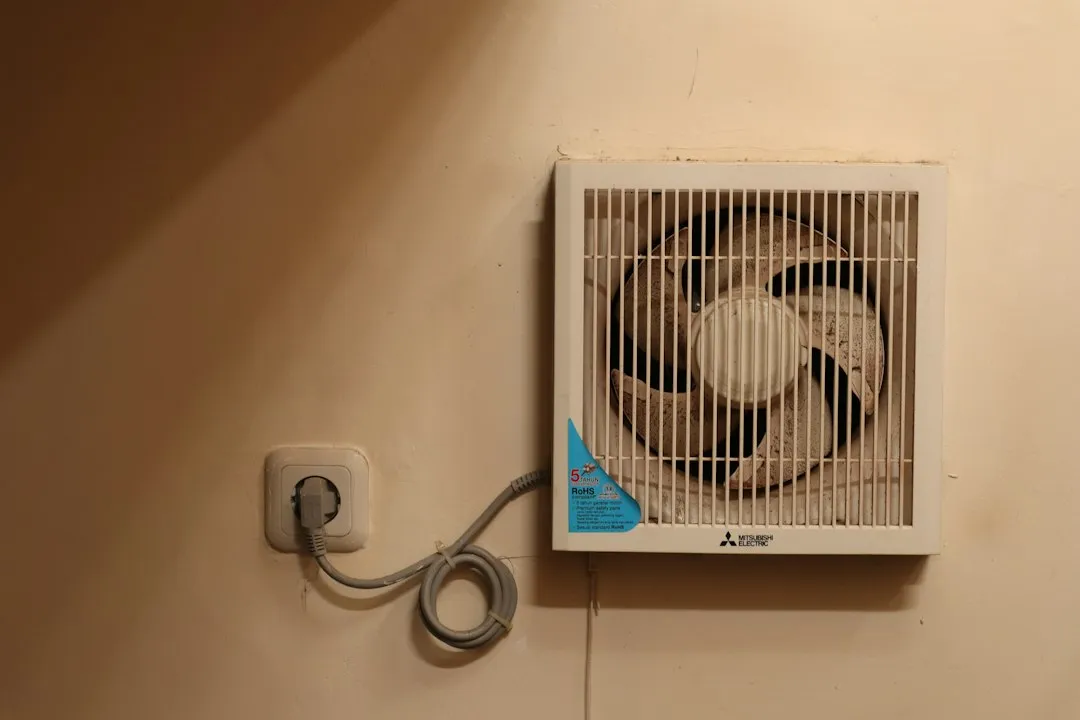
A fan running the full 30 minutes after a shower closes the colonization window faster than most homeowners realize, as Serratia marcescens can reestablish within just 24 to 48 hours of the right conditions returning. Running the fan during the shower alone isn’t enough. The moisture that lingers after you step out is exactly when bacterial settlement accelerates.
Maintaining bathroom humidity below 60 percent using exhaust fans during and 30 minutes after showers helps prevent growth. A compact bathroom dehumidifier running during warmer months maintains relative humidity below 50 percent and addresses the root cause of bacterial colonization directly. Combined with regular cleaning, this single change can dramatically reduce recurrence.
Practical Steps to Keep It Away for Good

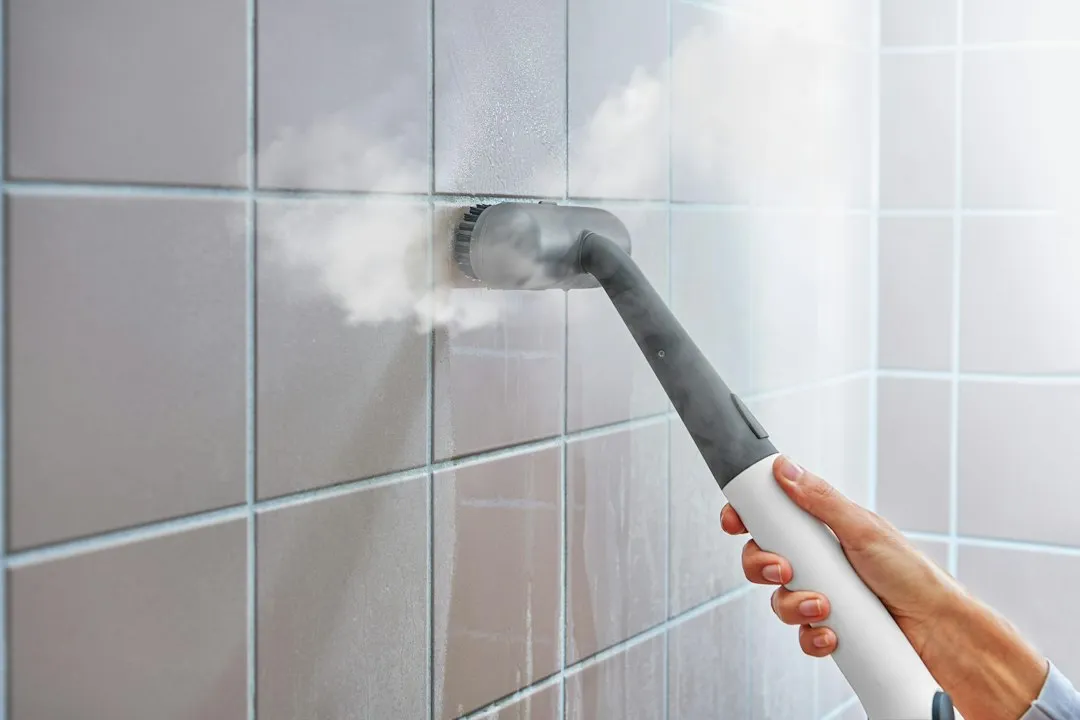
Practical steps to reduce Serratia marcescens include wiping down wet surfaces after bathing, improving bathroom ventilation to reduce humidity, cleaning with a bleach-based product weekly, and not leaving stagnant water in sinks or pet bowls for extended periods. These aren’t complicated routines. The consistency is what matters far more than any single aggressive cleaning session.
If pink mold is recurrent despite repeated cleaning, it is almost certainly living inside deteriorated caulk or porous grout. Removing and replacing old caulk with mold-resistant silicone caulk and resealing grout lines addresses this at the source. No amount of surface cleaning can reach bacteria that have embedded themselves in physically degraded grout. At that point, replacement is simply the more practical solution.
The Takeaway
Pink grout isn’t a sign of a dirty bathroom in the traditional sense. It’s a sign that a very common, airborne bacterium found conditions favorable enough to settle and produce a visible pigment. The conditions it needs, warmth, moisture, and a trace of soap residue, are built into how bathrooms function.
What changes the outcome is what happens after the shower ends. Good airflow, dry surfaces, and grout that’s properly sealed remove the footholds the bacteria depend on. The color disappears not because of one deep clean, but because the environment stops supporting it.
AI Disclaimer: This article was created with the assistance of AI tools and reviewed by a human editor.