

Most people have experienced it at some point: you’re lying in bed, the house is quiet, and suddenly your refrigerator sounds like it’s working overtime. It hums, buzzes, or clicks with a persistence that feels almost deliberate. The odd thing is, that same appliance was barely noticeable a few hours earlier.
The truth is that nighttime fridge noise is one of those phenomena that sits at the intersection of physics, human perception, and appliance mechanics. Several things are genuinely happening at once, and understanding them makes the midnight hum far less unsettling.
Your Home Gets Quieter, Not Your Fridge Gets Louder
During the day, background sounds from appliances, traffic, conversations, and HVAC systems mask subtle refrigerator hums. At night, the house quiets down, making previously unnoticed sounds more prominent. This is the single most important thing to understand: in many cases, the fridge isn’t actually working harder. Your acoustic environment has simply changed.
Compressors and fans are the primary sources of refrigerator noise that prompt consumer complaints. The sound pressure level of refrigerator noise in a real living environment is around 40 dB(A). That’s not far off from the threshold where sleep disturbance begins. The World Health Organization recommends that continuous indoor nighttime noise should not exceed 30 dB to prevent sleep disturbance. The CDC echoes this, noting that noise above 40 dB can interfere with restful sleep even when it does not cause full awakening.
The Compressor Is the Real Culprit

The compressor is the main source of oscillatory excitation in a refrigerator. The compressor shell radiates noise directly into the ambient air. Every time the compressor kicks on to maintain internal temperature, it sends vibrations through the appliance casing and into the floor beneath it.
A humming noise from a refrigerator is usually part of normal operation. The compressor may run at a higher RPM, especially during certain cycles, and this sound can become more noticeable during winter when ambient noise levels are lower. In most cases, a steady humming or buzzing sound does not indicate a malfunction. So if what you’re hearing is a steady, low drone, it’s almost always the compressor doing its job.
Nighttime Temperature Drops Change How the System Runs
Temperature changes can impact fridge noise during the night by altering the compressor’s operation and affecting the contraction and expansion of various components. When the ambient temperature in your kitchen drops after dark, the thermostat responds accordingly.
At night, the compressor may shift to longer, stronger cycles. These longer runs sound louder, but they’re part of keeping food at the right temperature while the kitchen cools down. It’s a natural compensation, not a malfunction. Temperature drops at night can slightly alter pressure dynamics, causing a gurgling or buzzing sound as refrigerant moves.
The Defrost Cycle Runs While You Sleep

The defrost cycle often runs overnight, which produces clicking, dripping, and humming sounds that are more noticeable when there’s no background noise. These are normal defrost cycle sounds. Most modern frost-free fridges schedule this cycle automatically, and many models default to running it during off-peak hours.
These defrost cycles often run at night because that’s when power demands are lower, and food stays colder for longer. The heating element that melts built-up frost creates its own set of sounds, from soft hissing to occasional pops as metal components expand with the brief burst of warmth. This cycle involves the fridge temporarily shutting off its cooling system and activating a heating element to melt the ice. The defrost cycle can be noisy, especially if you have an older model fridge.
Dirty Condenser Coils Force Harder Work

Blocked coils can make your fridge run louder and longer, especially at night. The machine works harder, and that makes the noise louder. Condenser coils collect dust and pet hair over time, reducing their ability to release heat efficiently.
Dust and debris on condenser coils force the system to work harder. When the condenser fan becomes obstructed or worn out, it can produce an unusually loud nighttime rumble. Cleaning the coils at least once or twice a year is one of the most effective maintenance steps most people never think to do. It can noticeably reduce both running noise and energy consumption.
The Ice Maker Has Its Own Nighttime Routine

If your fridge has an ice maker or water dispenser, the solenoid valve that controls water flow can emit a faint buzz when activated. These valves sometimes open during off-peak hours for self-diagnostic checks or timed ice production, explaining why the sound appears only at night.
Even if you never think about it, the ice maker resets, refills, and cycles during the night. A clogged or partially frozen water line makes these noises even louder. The clunking sound of ice dropping into the tray is also more startling in a silent house. If ice buildup surrounds the evaporator fan, the noise can escalate dramatically, especially during the quietest hours of the night.
Fridge Placement Amplifies Vibration

The single most overlooked cause of refrigerator vibration and rattling is leveling. A refrigerator that isn’t sitting level rocks slightly with every compressor cycle, and that rocking amplifies internal vibrations into noise that sounds mechanical but isn’t. This is worth checking before assuming something is broken.
If a fridge is placed against a hard wall or on tile flooring, the sound can echo. Soft surfaces around the fridge reduce this effect. A refrigerator placed on an uneven surface can amplify vibrations. Even a small tilt changes how vibration travels through the floor and walls of your home, often turning a minor mechanical hum into something that feels surprisingly persistent.
Loose Parts Rattle More When Everything Else Is Still
Over time, screws, brackets, or panels on the back of the fridge can loosen. Every vibration cycle the compressor produces works away at these connections gradually, over months and years. The result is a rattle that seems to come from nowhere.
Persistent cracking, sharp popping, or loud snaps may indicate loose components or worn mounting brackets inside the fridge. These sounds tend to be intermittent and irregular, which makes them feel more alarming at night. At night, these vibrations sound louder due to the absence of competing noise. If the fridge shakes, rattles, or vibrates intensely, it may need leveling or internal inspection to ensure no components have loosened.
The Grid Itself Behaves Differently at Night

At night, there’s often a drop in demand from the grid. These changes sometimes cause brief bursts of louder sound that don’t happen during the day. Household voltage can fluctuate slightly when large appliances across the grid switch off after the evening peak.
If other high-draw appliances like dryers or ovens are used less at night, voltage stability may change how motors operate, altering their sound profile. This is a subtle effect, but it’s real. Modern inverter-driven compressors are generally more resistant to these shifts, while older single-speed models are more susceptible to audible changes in motor behavior when grid voltage dips or spikes slightly.
When the Noise Is Actually a Warning Sign
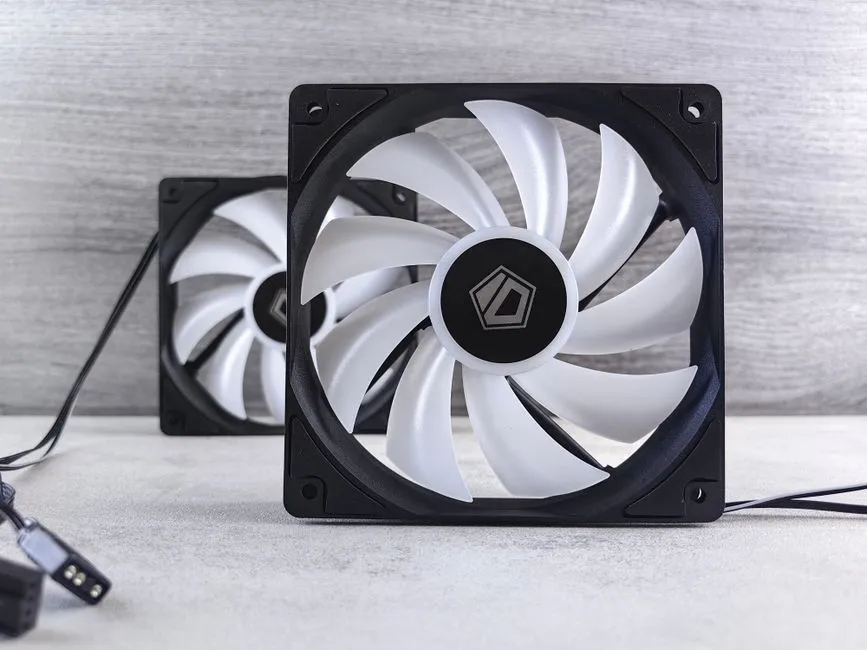
If grinding, rattling, or loud cycling happens often, especially at night, your fridge may be struggling with a fan, motor, or bearing issue. The key distinction is consistency and character: a steady hum is almost always normal, while grinding or squealing is not.
A squealing noise from a refrigerator almost always traces back to a fan motor bearing that’s starting to fail. Both the evaporator fan inside the freezer and the condenser fan at the back bottom use small motors with bearings, and when those bearings wear out, they produce a high-pitched squeal that gets worse as the motor heats up. Grinding, squealing, or clanking are signs of trouble that justify calling a technician rather than simply adjusting your expectations.
The Takeaway

In most cases, a louder-seeming fridge at night is a combination of physics and perception rather than a failing machine. The truth is that increased nighttime noise isn’t random. It’s often tied to the refrigerator’s internal mechanisms, temperature cycles, and components that become more audible when the surrounding environment gets quiet.
Routine maintenance, like cleaning condenser coils, checking the leveling legs, and ensuring proper clearance around the unit, handles a large share of avoidable noise. A refrigerator is never completely quiet, even when it’s new. In fact, new fridges may be louder as they settle into place. Still, noises from an ice maker or compressor should never get so loud that they interrupt conversation. That’s a reasonable benchmark: if the sound crosses from background hum into something that genuinely demands attention, it’s worth investigating. Otherwise, the quiet of the night is simply doing what quiet always does, making everything else more audible.
AI Disclaimer: This article was created with the assistance of AI tools and reviewed by a human editor.