

Most of us have a room we quietly claim as our own. Maybe it’s where you go first thing in the morning, or the spot you drift toward when the day falls apart. It rarely takes deliberate thought. You just end up there.
What’s interesting is that this isn’t random. Researchers studying the relationship between personality and personal spaces have found consistent, measurable links between who we are and where we choose to spend our time. The rooms we love reflect something real about how we process emotions, relate to others, and find meaning in everyday life.
The Kitchen: You’re the Nurturer and Social Anchor

According to the National Kitchen and Bath Association’s 2025 survey, an overwhelming majority of respondents agree that the kitchen is a direct reflection of a homeowner’s personality, and that it has the strongest impact on the overall personality of the home as a whole. That’s a remarkable number, and it tracks with how kitchen-lovers tend to describe themselves.
If your kitchen is your favorite room, you’re probably an industrious person who likes to be in control of your surroundings. Beyond the obvious love of good food, you likely enjoy good company and are generous with your time and resources.
The kitchen often becomes the emotional epicenter of a home because it connects us to nourishment and tradition. People who gravitate toward this room tend to find comfort in action. Doing something productive, feeding someone, organizing the pantry. Stillness isn’t their default.
The Living Room: You’re the Grounded, Social Peacekeeper
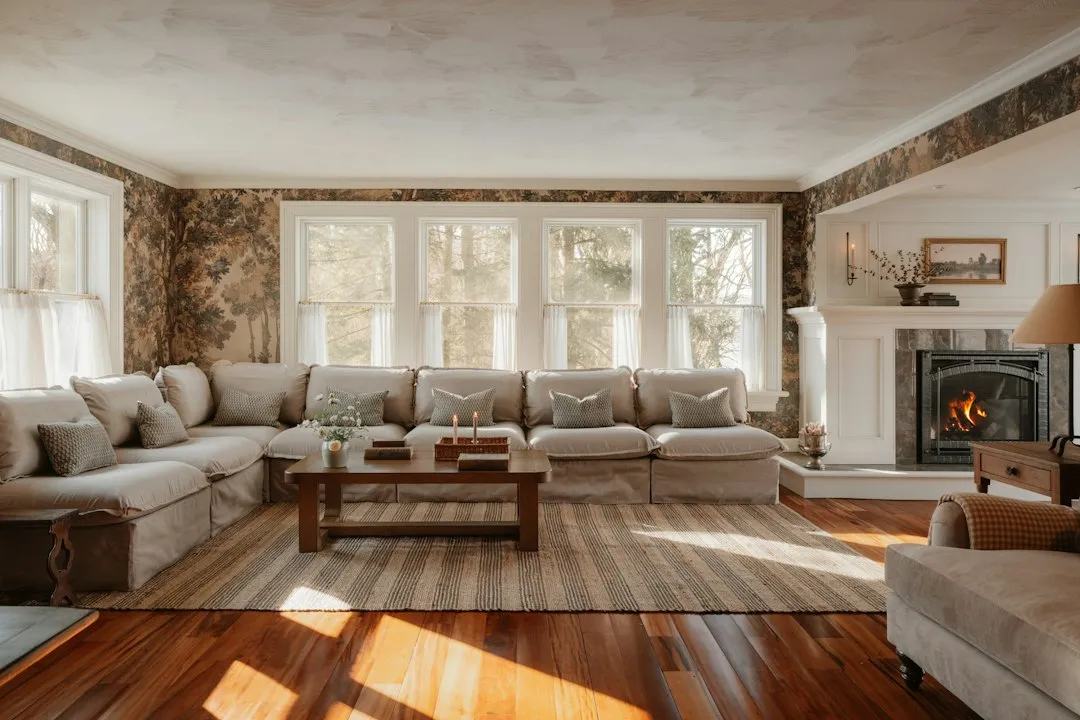
According to an Aviva survey, the living room is the clear favorite room in the home for roughly three in five homeowners, with the kitchen coming in second and the bedroom third. So if you’re a living room person, you’re in very good company.
Living room dwellers tend to be friendly, laid-back, and somehow capable of staying grounded no matter what life throws at them. Having a comfortable, inviting space matters deeply to them, and they’ve usually spent real time refining it to reflect their interests.
Research by psychologist Dr. Samuel Gosling identified an inviting, shared space as the top indicator of extraversion. If your sofa is always ready for company, that says something honest about how you move through the world.
The Bedroom: You’re the Introspective and Deeply Private Type
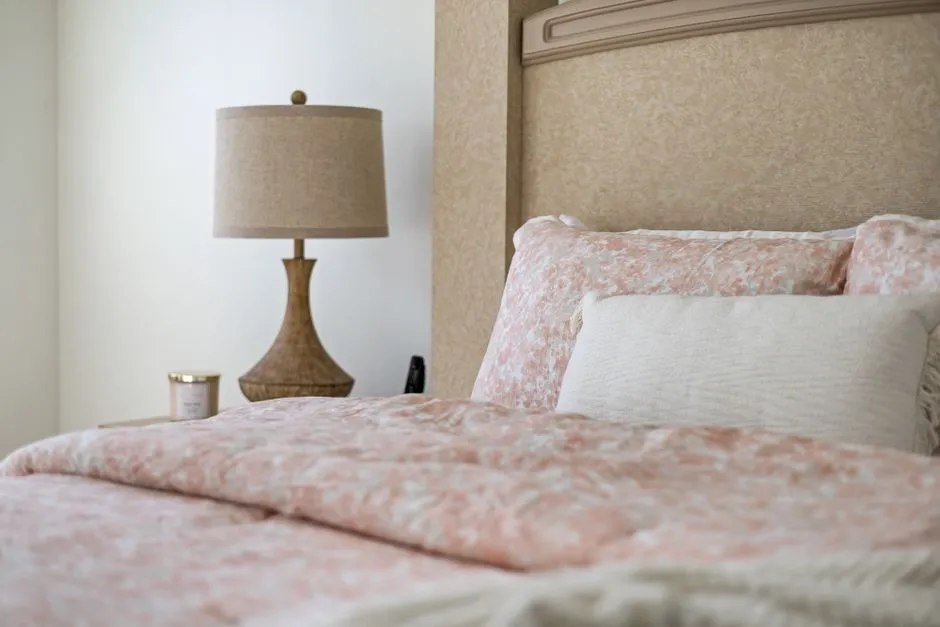
Psychologist Samuel Gosling found that raters could accurately assess personality from bedroom cues alone, with distinctive decorating pointing to openness and neatness pointing toward conscientiousness. The bedroom is essentially a personality archive.
Openness is actually the most accurately judged trait from bedroom spaces, with unique décor and a diverse collection of reading material being strong indicators. If your shelves are stacked with books on wildly different topics, that detail tells more than a resume would.
One study asked participants to indicate the ambiance they would like to evoke in rooms of their homes across six broad dimensions, including restoration, kinship, stimulation, intimacy, and productivity. People who chose the bedroom as their sanctuary most often prioritized restoration and intimacy above everything else.
The Home Office: You’re the Ambitious and Self-Directed
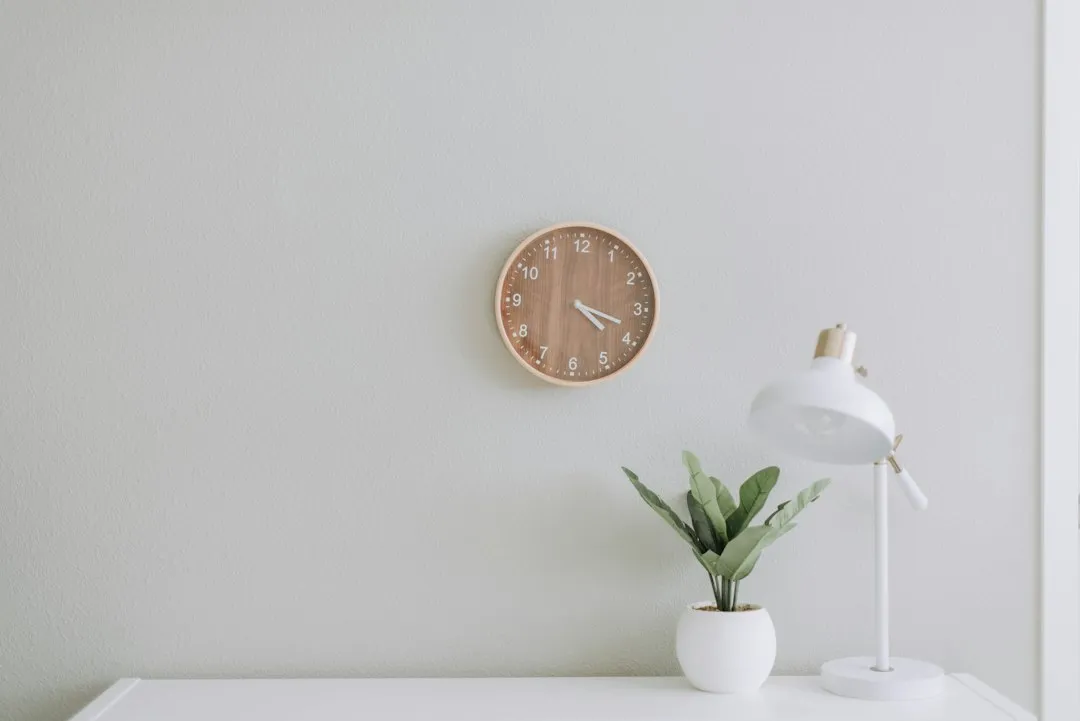
If your home office is your favorite space, you’re likely a diligent and ambitious person. This isn’t just about working hard, it’s about needing a defined sense of purpose built into your physical environment.
Home offices hold attraction because they represent purpose and personal ambition. People drawn to this room often struggle to fully relax unless they feel they’ve earned it. There’s a certain restlessness here that isn’t necessarily negative. It’s often just focus wearing a different coat.
According to survey data, choosing a home office as a favorite space is more prominent among those aged 45 to 54. That tracks with a life stage where professional identity and personal drive tend to be tightly interwoven.
The Bathroom: You’re a Quiet Perfectionist Who Values Privacy
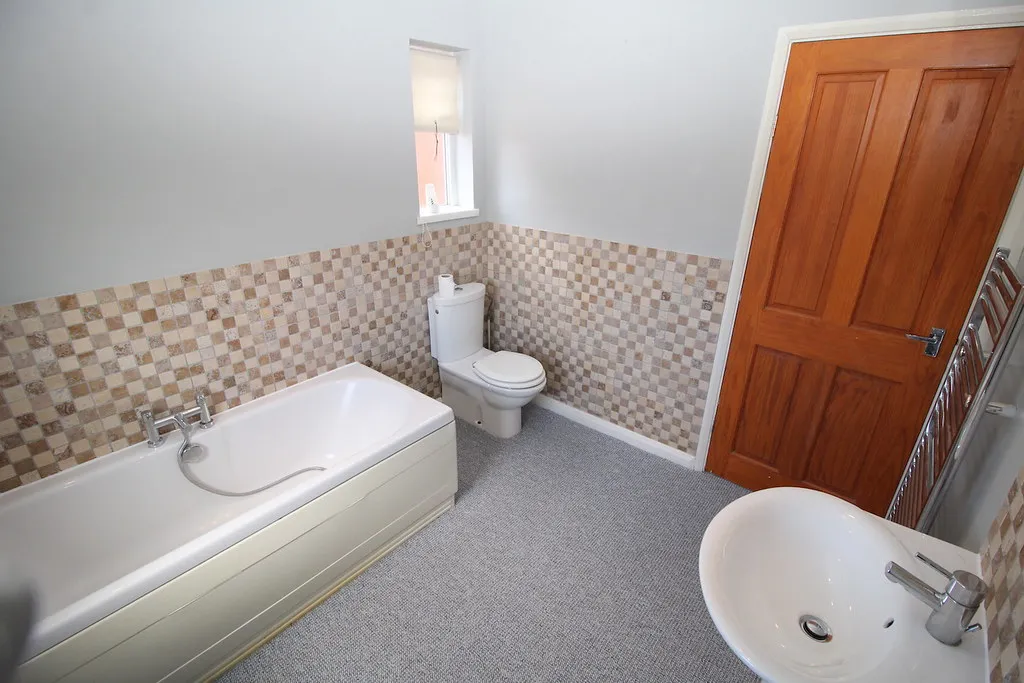
An organized bathroom often indicates a certain level of discipline and attention to detail. People tend to spend a significant amount of time in their bathrooms, and keeping it organized requires daily effort and consistency. Those who list it as a cherished space treat it as a genuine sanctuary.
Having a visibly tidy bathroom says that appearances matter to you, and that you make the effort to look put together even in the comfort of your own home. For some, this room is where they do their clearest thinking, without an audience, without noise, just quiet and routine.
There’s also something to be said about privacy preferences. People who love the bathroom tend to be comfortable spending time alone, and they often recharge best in spaces where no one else can reach them. It’s not isolation. It’s calibration.
The Garden or Outdoor Space: You’re Curious and Energetically Grounded
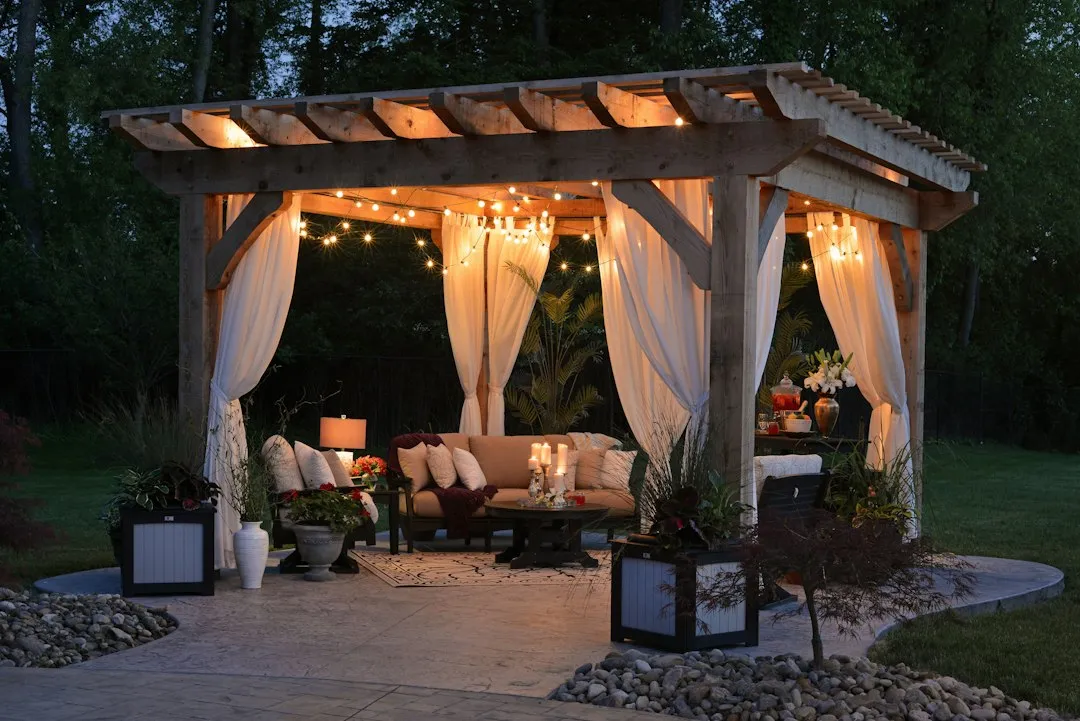
Some may argue that a porch, patio, yard, or balcony isn’t technically a room, but there’s no denying these spaces are well-loved spots in many homes. People who love spending time on the periphery of their space rather than inside it are often energetic and inquisitive.
Research suggests that individuals with prominent extraversion favor outdoor behaviors and well-lit spaces. Nature exposure also has a measurable effect on mood and stress recovery, which explains why outdoor enthusiasts often seem genuinely more relaxed than their indoor-preferring counterparts.
People in this category often have a low tolerance for feeling boxed in. The outside world isn’t just a view. It’s part of how they breathe.
The Hobby Room or Creative Space: You’re the Free-Thinker Who Needs Ownership

People tend to love rooms that reflect who they are. Personal style, meaningful artifacts, and design choices that mirror personality make spaces feel uniquely ours, and this sense of ownership nourishes psychological comfort. A dedicated hobby or creative room is perhaps the purest expression of this dynamic.
Research on personal spaces found that cues for high openness included a thoughtful, distinctive space with a wide variety of books, magazines, and collections, and the same patterns appeared in bedroom studies where unique décor pointed clearly toward openness as a trait. Hobby rooms essentially broadcast openness at full volume.
What’s notable here is that people who invest in a creative or hobby room aren’t just making space for a pastime. They’re making a quiet statement that their inner world deserves dedicated square footage.
The Dining Room: You’re the Tradition-Keeper and Connector
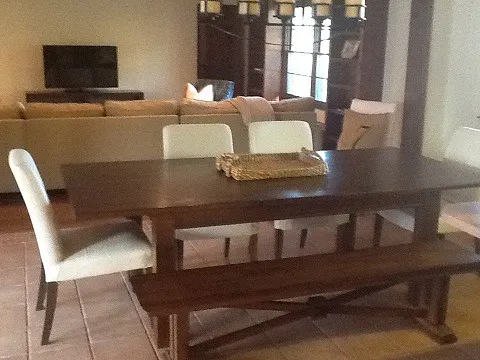
Dining rooms are becoming rarer in modern homes, which makes people who genuinely love them a distinct type. They tend to place significant value on ritual, shared experience, and the kind of connection that only a sit-down meal seems to produce reliably.
Research examining home room ambiances found that the dimensions of kinship and restoration were key motivators across different rooms, and that contextualizing psychology within the home could enrich understanding of romantic relationships, emotion regulation, identity, and development.
Dining room devotees often carry a strong sense of family identity. They might be the person who insists on a proper table, candles, or a home-cooked meal when everyone else is happy ordering in. That instinct usually says something deeper about how they define belonging.
The Bright, Light-Filled Room: You’re the Optimist With Extraverted Tendencies
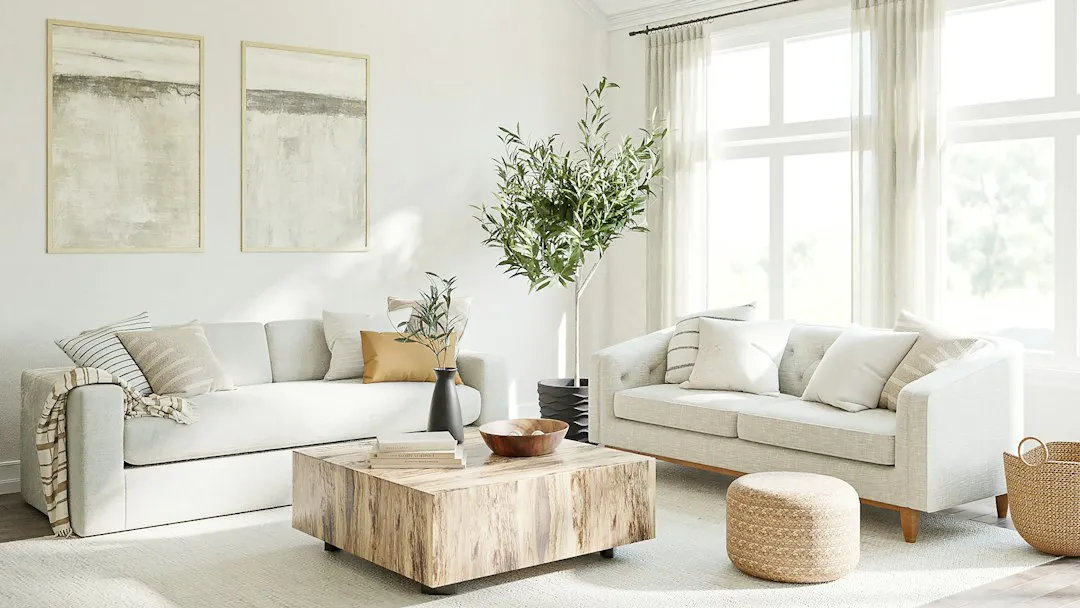
Research from the University of Texas at Austin revealed that personality was associated with room characteristics in predictable ways. For example, conscientiousness linked to rooms in better condition, neuroticism to less brightness, and extraversion to greater brightness and more color.
In research examining study room preferences, both men and women with higher extraversion preferred brighter rooms. This holds across different room types. Light isn’t just an aesthetic preference. It’s a consistent signal about how someone engages with the world.
Sensory elements like natural light combine to create environments that the brain associates with well-being, which is part of why bright rooms tend to become favorites for daily living. If you instinctively move your chair to follow the sun, that habit is telling you something worth hearing.
The Cluttered, Cozy Corner: You’re the Creative Mind With an Unconventional Inner Life

Research found that those high in neuroticism often had less diverse music tastes, while well-lit, clean, and organized spaces without clothing strewn about were moderately accurate cues for low neuroticism. The inverse is also worth noting: a certain amount of comfortable clutter often correlates with creative and emotionally complex personalities.
We already know a good deal about how physical spaces affect mood and activity, with common places like coffee shops and dorm rooms influencing emotions in measurable ways. The lived-in, layered room is often less about disorganization and more about an environment that feels stimulating rather than sterile.
Our brains form a connection between self and space, making us more drawn to rooms that embody our values, memories, and tastes. A beloved cluttered corner, full of meaningful objects and half-finished projects, often maps directly onto a person who lives with their whole self turned on.
The Takeaway

Your favorite room isn’t just where you happen to spend time. It’s a relatively honest reflection of what you value, how you regulate stress, and what kind of person you’re trying to be. The personality research backs this up consistently.
Although homes play an essential role in our lives and are theoretically tied to social, emotional, and cognitive processes, empirical research on the topic in real-world settings is still growing. Still, what has been studied paints a coherent picture: the spaces we love tend to love us back in kind.
So next time you notice yourself migrating to the same corner of the house, it might be worth asking what that corner is quietly trying to say.
AI Disclaimer: This article was created with the assistance of AI tools and reviewed by a human editor.