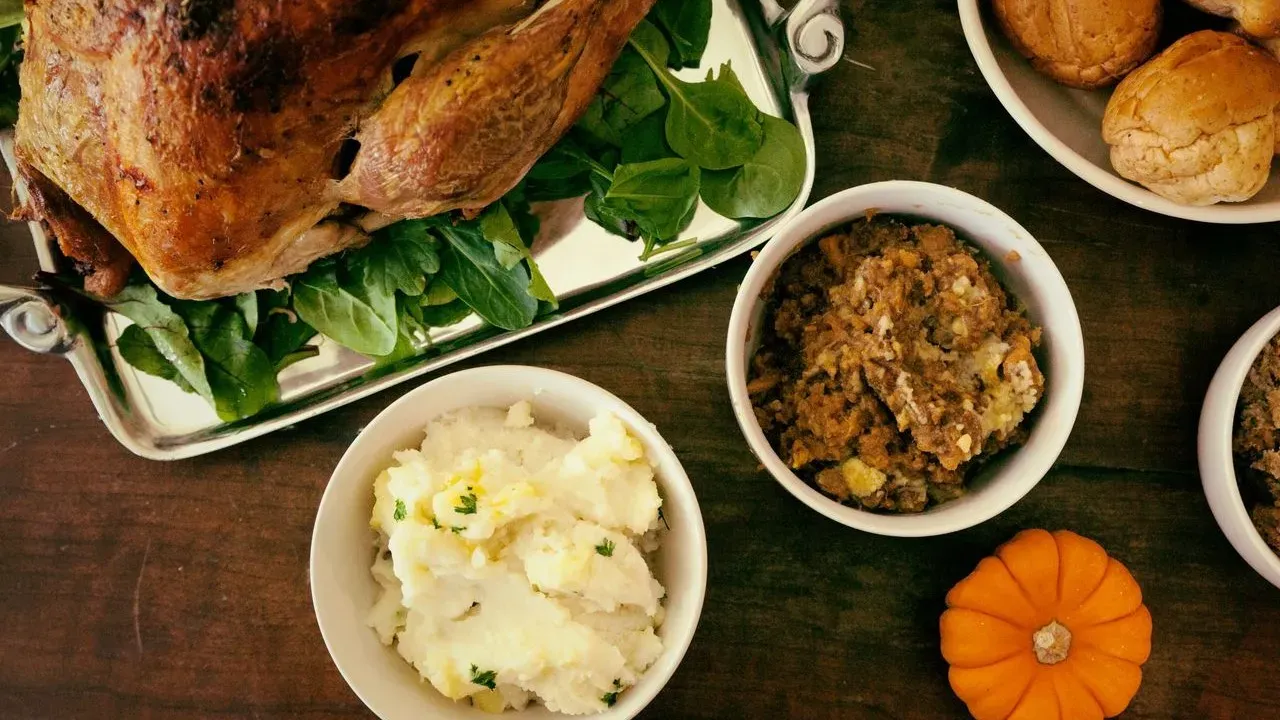

The turkey is carved, the guests have gone home, and the next morning the kitchen still smells like dinner. That lingering odor is a familiar holiday problem, and it usually traces back to habits that are easy to overlook while hosting. Better Living ([1])outlines several of these mistakes, and most can be corrected with ventilation and cleanup rather than scented sprays.
Start the fan before the smell appears
Cooking releases airborne pollutants along with odors, so ventilation matters during the meal, not only after it. The EPA advises running a range hood that vents outdoors whenever you cook, and keeping it on for 10 to 20 minutes after you finish. Placing pots on the back burners when possible helps the hood capture more of what rises.
Homes without an outdoor-venting hood can open windows and doors to bring in fresh air, provided outdoor air quality and weather allow it and it is safe to do so. A hood also works only when it is clean. The EPA recommends routinely cleaning the grease filter, and the appliance owner’s manual explains how to remove it. Adding that filter to the pre-holiday cleaning list takes only a few minutes.
Where the grease and the spills end up
Oven spills are a frequent source of trouble. Wolf, an appliance manufacturer, identifies food and debris inside the oven as a cause of excessive smoke, so wiping them out before the holiday prevents a smoky roast later. Checking the cooled oven a few days ahead gives you time to clean it properly without rushing on the day itself.
Turkey fat is the other common mistake. Pouring it down the sink may seem like the quickest option, but Clemson Cooperative Extension warns that grease can solidify in septic or sewer lines. Hot water and soap do not remove it for good, since it can re-form and harden inside pipes. University of Florida IFAS Extension recommends pouring cooled fat into an old can or jar, wiping pans with a paper towel before washing them, and throwing away the sealed container along with the wipes.
Food safety and trash: the two clocks to watch
Leftovers create two separate timelines. For food safety, the USDA Food Safety and Inspection Service says cooked food should go into the refrigerator within two hours of cooking or of coming off a warming appliance. Cutting a large turkey into smaller pieces helps it chill faster, and the agency recommends covering leftovers or sealing them in airtight containers before refrigerating or freezing them. Shallow containers cool food more quickly than deep ones.
Odor is a separate concern. The National Center for Healthy Housing lists regular trash removal among the most effective ways to prevent smells from building up. A carcass or scraps left in a kitchen bin can become the strongest source of odor by morning, so bagging them securely and carrying them to an outdoor bin that night is a sensible step.
Why covering up the smell does not solve it
Candles and plug-in fragrances are a popular fix, but they address the symptom rather than the cause. The National Center for Healthy Housing says air fresheners mask odors while the underlying problem remains. Colorado State University Extension adds that some of these products release organic gases, and it recommends opening a window or running the exhaust fan instead.
Baking soda has a more practical role. The National Center for Healthy Housing notes that it can help neutralize odors in a refrigerator. It works best as a supplement to sealed containers and regular cleaning, not as a replacement for them.
A short reset for the morning after
A few minutes of cleanup the next morning can clear most of what remains. The following steps address the usual sources without requiring a full day of work:
- Open a window briefly if the weather and outdoor air quality allow it, then run the exhaust fan.
- Take out bagged food waste and recyclables.
- Check the refrigerator, seal any open containers, and discard perishable food that sat out overnight.
- Wipe the stovetop, counters and sink, and clear the drain strainer.
- Move used dish towels and washable table linens to the laundry.
Most homes will not smell exactly as they did before the meal, and that is not the goal. A kitchen that is ventilated, cleaned and free of spoiled food tends to return to normal far faster than one that relies on a candle. For many households, the difference by the second morning comes down to whether the hood ran long enough and the trash went out on time.
AI Disclaimer: This article was created with the assistance of AI tools and reviewed by a human editor.